In today's rapidly evolving tech landscape, choosing the right GPU server manufacturer can significantly impact your business's performance. The global GPU market is expected to reach $200 billion by 2027, reflecting a growing demand for high-performance computing. As organizations increasingly rely on data-intensive applications, the need for robust GPUs has never been greater.
However, not all GPU server manufacturers are created equal. Some lead the market with innovative designs and efficient cooling technologies, while others may compromise on quality. According to a recent industry report, companies that invest in cutting-edge GPU solutions experience up to 40% faster processing speeds. This disparity highlights the importance of selecting a manufacturer that not only meets your needs but also provides reliable, long-term support.
Evaluating manufacturers can be challenging. Many offer similar specifications but differ greatly in terms of service, warranty, and compatibility. It's essential to analyze not just the technical features but also the company's track record and customer satisfaction rates. A GPU server manufacturer with a solid reputation will offer peace of mind and a reliable partnership in your technological journey.
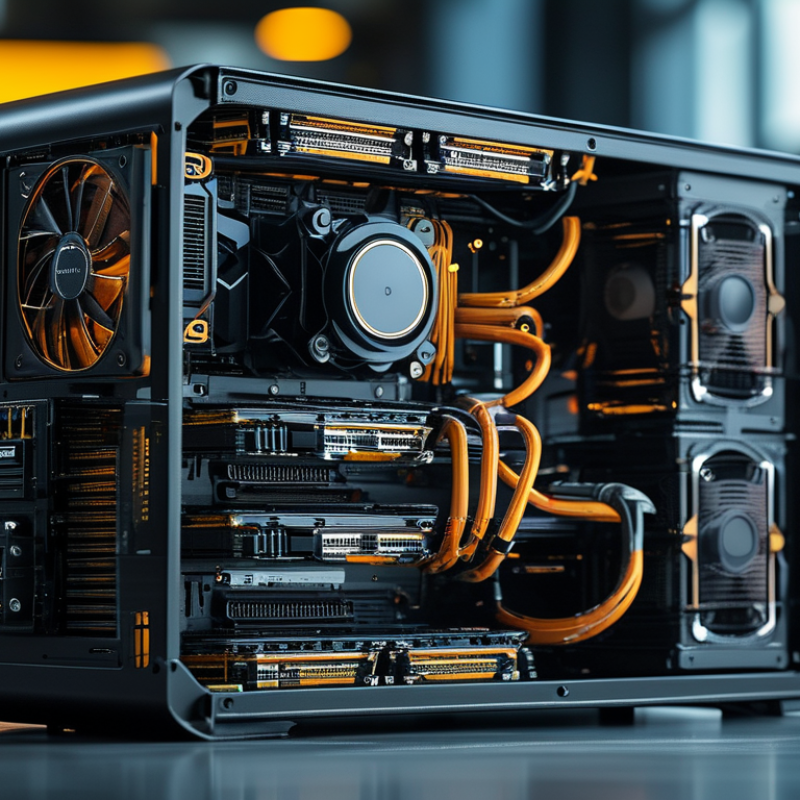
Understanding Different GPU Server Types and Their Performance Metrics
When exploring GPU server types, it's essential to consider their specific performance metrics. Different workloads demand various configurations. For instance, batch processing applications may require higher memory capacity. In contrast, real-time applications focus on the speed of computation. A dedicated GPU, or multiple GPUs, can significantly enhance performance in both scenarios. However, the choice also depends on the budget and the expected return on investment.
Additionally, assessing the cooling systems and energy consumption of these servers is crucial. Proper cooling can sustain performance during peak loads, while efficient energy use contributes to long-term cost savings. Some GPU servers might overheat without adequate cooling, leading to performance drops. Thus, ensuring that your hardware is equipped to handle the workload is a fundamental consideration.
Furthermore, monitoring tools are valuable to track these performance metrics. They can reveal if the system is underperforming or if there's room for optimization. However, even with the right tools, challenges exist in interpreting data. Misinterpretation can lead to decisions that don't align with actual performance needs. Balancing these factors requires a nuanced understanding of the workload and careful analysis of the server's capabilities.
Evaluating Top GPU Server Manufacturers: Features and Specifications
When selecting a GPU server manufacturer, understanding their features and specifications is crucial. Key attributes to evaluate include processing power, memory capacity, and thermal performance. According to a recent report from the International Data Corporation, GPU servers can provide up to a 10x performance increase compared to traditional CPU servers for specific workloads. This acceleration is essential for industries relying on AI and machine learning.
Another critical consideration is power efficiency. Recent studies indicate that the most efficient GPU servers can reduce energy consumption by nearly 40%. This not only lowers operational costs but also helps meet corporate sustainability goals. Look for features like adaptive cooling systems and dynamic power management to ensure long-term savings.
Tip: Always read customer reviews and industry analyses. They can reveal insights about real-world performance and stability, guiding your decision. Reflect on whether a server's advertised features align with your specific requirements. Not every high-spec model is the best fit for all workloads. Evaluate your unique needs carefully.
Cost-Benefit Analysis of Leading GPU Server Brands
When considering GPU servers, a cost-benefit analysis can reveal valuable insights. Different manufacturers offer various pricing structures, performance levels, and support services. Understanding these factors is crucial for making an informed decision.
One key aspect is the performance-to-cost ratio. Some brands may offer lower initial prices but compromise on performance. You may find that higher-priced options deliver significant speed and efficiency improvements. This can be vital for data-intensive tasks like machine learning or graphic rendering. Pay attention to power consumption and cooling needs as well; these can significantly impact your total operating costs over time.
Another consideration is customer support and warranty services. Reliable technical support can save you hours of downtime. Research customer reviews and expert opinions to gauge each brand's long-term reliability. Inconsistent feedback might indicate potential issues. Carefully weigh these details to ensure you find a solution that meets both your performance needs and budget constraints.
What is the Best GPU Server Manufacturer for Your Needs? - Cost-Benefit Analysis of Leading GPU Server Brands
| Specification |
Manufacturer A |
Manufacturer B |
Manufacturer C |
Manufacturer D |
| Base Price (USD) |
$3,200 |
$3,000 |
$3,500 |
$3,800 |
| GPU Type |
NVIDIA A100 |
NVIDIA V100 |
AMD MI100 |
NVIDIA RTX 3090 |
| Memory (GB) |
40 |
32 |
32 |
24 |
| Power Consumption (Watts) |
400 |
300 |
300 |
350 |
| Warranty (Years) |
3 |
3 |
2 |
2 |
| Support Level |
Premium |
Standard |
Standard |
Premium |
Key Performance Indicators for GPU Servers in Data-Intensive Applications
When selecting a GPU server for data-intensive applications, certain key performance indicators stand out. These include processing power, memory bandwidth, and scalability. Processing power is crucial as it determines how quickly tasks can be completed. A higher number of GPUs often translates to enhanced performance, especially for parallel computing tasks. Memory bandwidth also plays a vital role; it affects how swiftly data moves between the GPU and memory, impacting overall system efficiency.
Scalability should not be overlooked. As data demands grow, so must your infrastructure. Your server should support easy upgrades to prevent bottlenecks. Considering power efficiency is equally important. A server that consumes too much power can lead to increased operational costs. This is a common issue that requires careful consideration during selection.
Despite these guidelines, it’s essential to recognize the unique needs of your applications. Not every workload necessitates massive GPU arrays. For smaller applications, a less powerful setup might be more cost-effective. Balancing multiple factors can be challenging, but understanding them deeply will lead to more informed decisions. Testing different configurations is often necessary to find the best fit for your specific needs.
GPU Server Performance Metrics for Data-Intensive Applications
User Reviews and Industry Benchmarks: Insights for Choosing Your GPU Server
When selecting a GPU server, user reviews can provide invaluable insights. These evaluations often reflect real-world performance and reliability. Many users emphasize the importance of cooling systems, as heat management is critical for high-performance tasks. It’s common to read about servers struggling under heavy loads. A good cooling solution ensures consistent performance over time.
Industry benchmarks are essential for making informed choices. They compare various models based on performance metrics. However, benchmarks can be misleading if considered in isolation. For instance, a server may excel in one application but falter in another. Review multiple studies to identify consistent patterns. Real-world performance varies significantly across different workloads and use cases.
User experiences also highlight the importance of customer support. A good manufacturer provides timely assistance and updates. In many cases, users report frustrations with slow response times. Such issues can hinder operations, so prioritize brands with a reputation for reliable support. This aspect often gets overlooked but is crucial for the long-term success of your projects.
Conclusion
When selecting a GPU server manufacturer, it is essential to understand the various types of GPU servers available and their performance metrics. Different server configurations cater to diverse computational needs, making it vital for users to evaluate their specific requirements. This includes an in-depth assessment of the features and specifications offered by leading manufacturers, ensuring that the chosen solution aligns with intended applications such as machine learning, data analysis, or gaming.
A thorough cost-benefit analysis can further guide decision-makers by weighing the potential return on investment against initial costs. Additionally, considering key performance indicators and consulting user reviews and industry benchmarks can provide valuable insights into real-world performance and reliability. Ultimately, selecting the right GPU server manufacturer is crucial for optimizing performance in data-intensive applications.
 Vornaxis
