Vornaxis
Vornaxis
Vornaxis
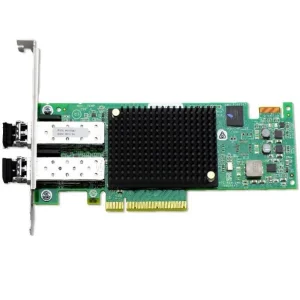
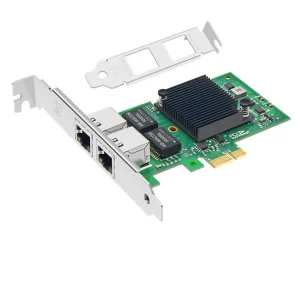
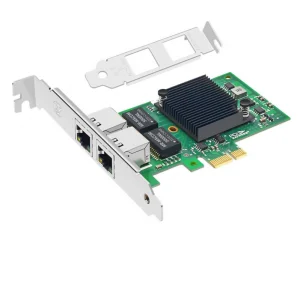
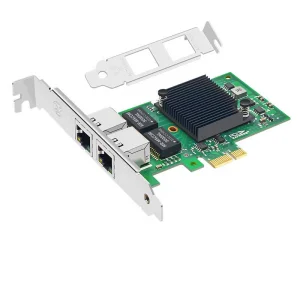
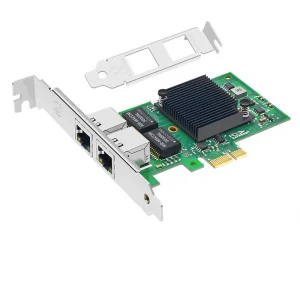
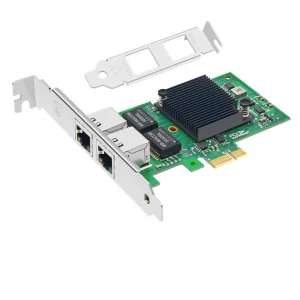
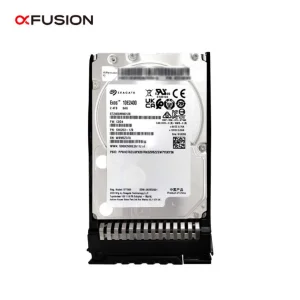
The massive migration of computational workloads toward heterogeneous acceleration units has initiated a monumental evolution in the design and provisioning of server accessories. In the era of large language models (LLMs), AI deep learning clusters, and distributed big-data structures, hardware components are no longer treated as passive peripherals. Rather, server accessories represent critical points of integration that define system throughput, signal integrity, thermal thresholds, and operational resilience. Global enterprise architectures demand zero-bottleneck networking interfaces, high-capacity non-volatile storage controllers, and specialized power systems to sustain high-uptime, intensive computational performance.
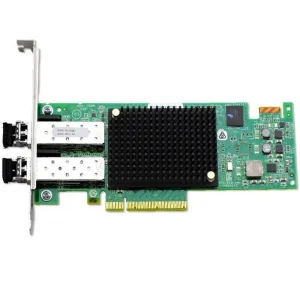
Key industry research highlights that the reliability of a server platform is directly proportional to the component-level quality of its expansion architecture. As enterprise networks transition toward PCIe Gen 4.0 and Gen 5.0 systems, slight deviations in hardware alignment, signal path attenuation, or power-delivery consistency can result in package dropouts and localized data transmission errors. High-performance host bus adapters (HBAs), such as the Emulex LPe35002-M2 Dual Port 32GB FC32, and advanced PCIe 4.0 RAID controller configurations are highly sought after by data center operators and high-frequency trading networks to satisfy these demanding computational constraints.
At the core of this hardware optimization movement is Vornaxis Compute Ltd. (Vornaxis). Leveraging a rich legacy of engineering innovation, Vornaxis addresses complex enterprise demands through standard-setting hardware integration. By focusing closely on the design, optimization, and fabrication of advanced high-performance server accessories, Vornaxis has established itself as an essential manufacturing partner for global IT system integrators, high-performance computing (HPC) centers, and hyperscale environments.
Headquartered in the heart of high-technology hardware design, Vornaxis Compute Ltd. specializes in manufacturing GPU cluster systems, high-density AI infrastructure components, and enterprise-grade computing solutions. Operating with a robust facility and collaborating with over 850 strategic global partners, Vornaxis successfully links advanced component supply chains with major demand centers across North America, Europe, the Middle East, and Southeast Asia.
From rack-level system layout and GPU-density customization to specialized firmware configuration and liquid cooling integration, we provide bespoke builds engineered for unique operational environments.
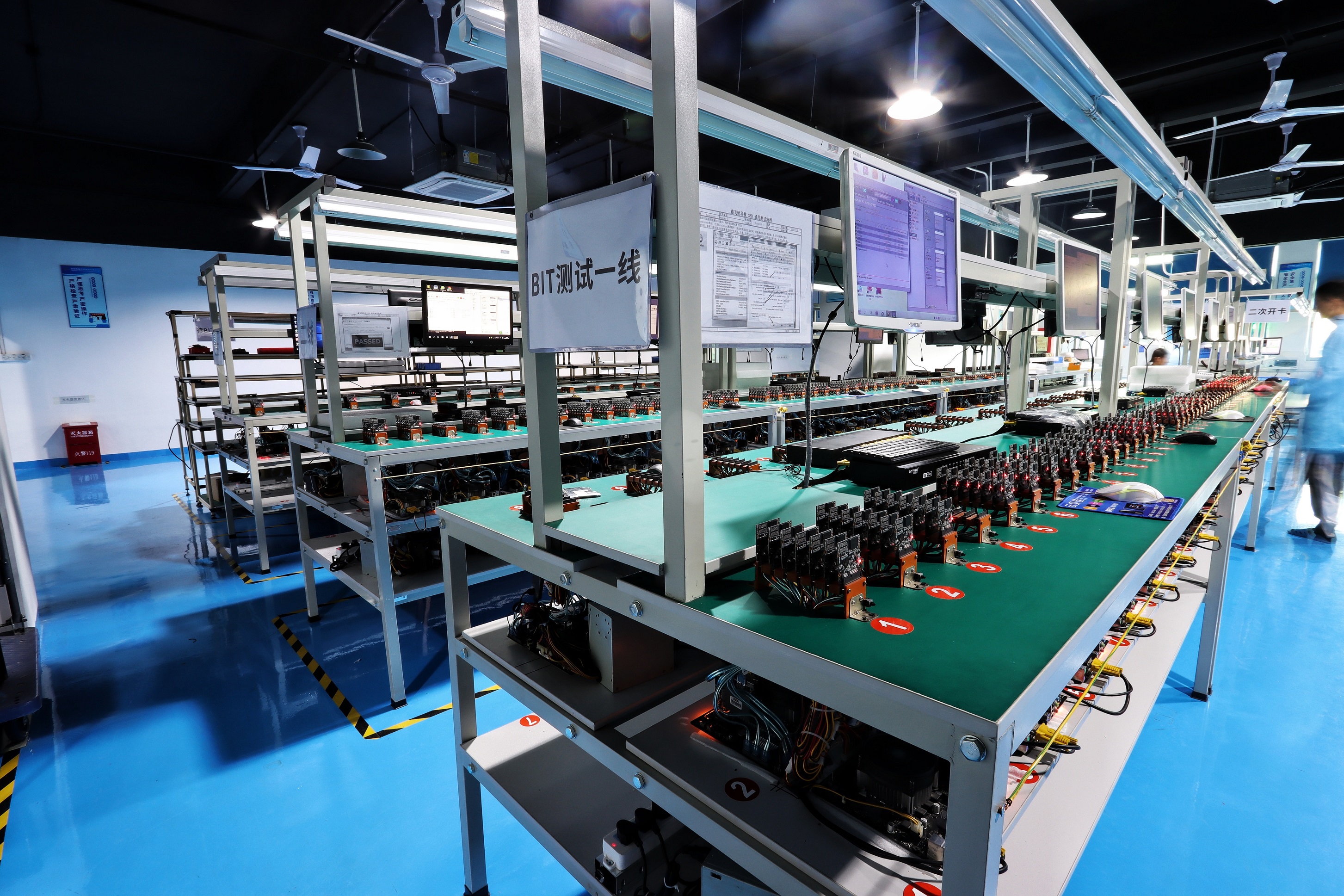
We practice strict quality compliance, integrating automated optical inspection (AOI), high-temperature environmental testing, operational load validation, and comprehensive system burn-in cycles.
Our export framework spans more than 6 years of direct global logistics execution. We safely transport mission-critical computing hardware to data center projects and scientific research labs worldwide.
The Chinese manufacturing environment remains the world's most agile and integrated cluster for server and communications hardware development. The high level of technical efficiency realized by China-based manufacturers is driven by localized density of specialized suppliers, raw component access, and deeply experienced engineering pools. When sourcing server accessories, system builders gain a competitive edge by leveraging this concentrated ecosystem.
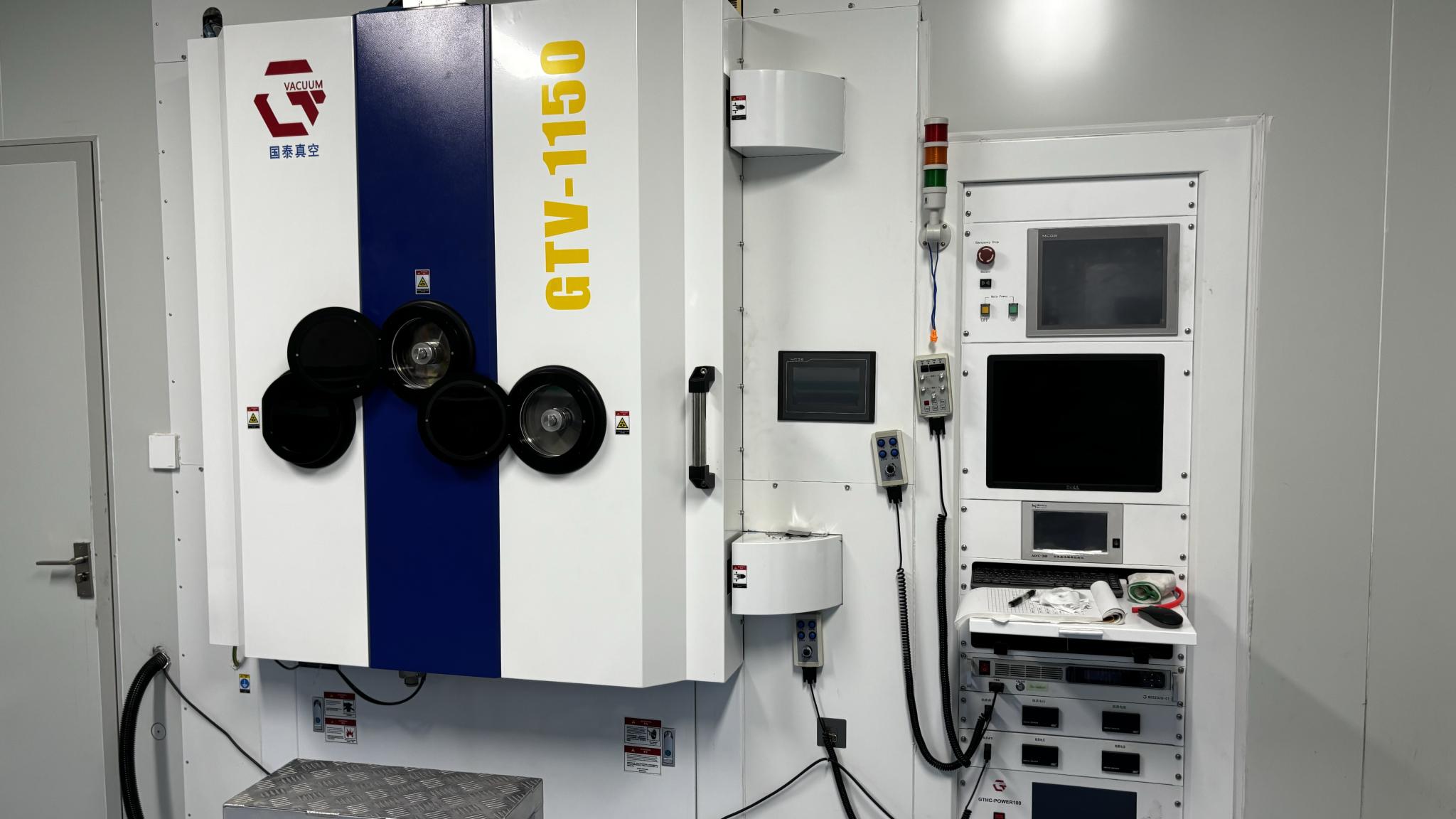
At Vornaxis, we maximize these systemic supply chain dynamics to provide exceptionally reliable, cost-efficient, and rapid-turnaround hardware options. Operating within a dedicated assembly, configuration, and inspection space, our operational team focuses heavily on rigorous validation methodologies:
With 45 quality assurance specialists working directly inside our production loop, Vornaxis ensures every host bus adapter, SAS/SATA controller, solid-state storage block, and power interface satisfies stringent RoHS regulations and meets critical international standards.
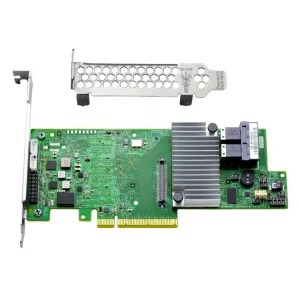
In hyper-scale environments processing continuous web traffic, machine learning inference, and large database queries, thermal levels and storage read-write queues must be tightly controlled. Hyperscale operators regularly employ Vornaxis's array solutions, including the 9560-16i controller equipped with 8GB onboard caching and high-reliability NVMe/SAS drives. These integrations eliminate bottlenecks on PCIe buses, drastically reducing cache latencies and providing system administrators with the tools to implement efficient storage tiering.
Academic institutes and engineering design laboratories require high-throughput networks and stable storage arrays. Utilizing single and dual-port 32Gb/s HBA cards like the Emulex LPe35002-M2, computational clusters can bridge server nodes directly to high-performance storage area networks (SANs) with minimal transmission latency. This system level of efficiency is crucial for tasks like seismic modeling, aerospace simulations, and deep-learning training runs, where packet delays instantly waste expensive GPU processing cycles.
Edge deployment relies on components capable of operating with minimal maintenance and high resilience under challenging ambient conditions. The deployment of SAS3808 boot cards and XP270-M2 modules in remote computing outposts enables local system recovery, out-of-band management, and storage redundancy (RAID 0, 1, JBOD). This allows local sensor processing and analytics workloads to function reliably even when direct WAN communication with a centralized cloud environment is lost.
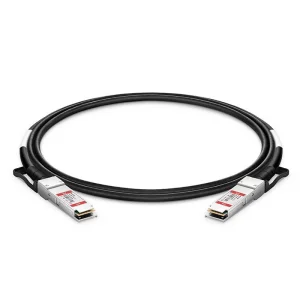
The hardware segment is moving rapidly toward tighter system integration. As PCIe Gen 5.0 and Gen 6.0 standards establish themselves, standard copper interfaces face physics-based performance limitations. In response, optical backplanes, direct-attach-copper (DAC) developments, and optical transceivers are seeing massive development. High-speed cabling systems like the QSFP-40G-CU3M and next-generation QSFP+ configurations will require superior insulation and precision termination to handle increasingly dense signal streams.
Concurrently, storage virtualization is migrating toward Software-Defined Storage (SDS) and NVMe-over-Fabrics (NVMe-oF). This shift demands array controllers capable of tri-mode translation (SAS, SATA, and NVMe on a single interface). System designers now require flexible, standard adapters like the 9560-8I, which can communicate dynamically across multiple storage technologies. This versatility minimizes total cost of ownership (TCO) and simplifies field maintenance.
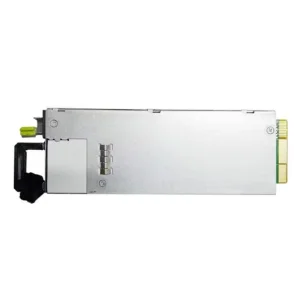
Finally, modern energy efficiency requirements are driving major shifts in power delivery architecture. Platinum and Titanium-certified power modules, ranging from 900W to 2000W capacities, must handle fast load fluctuations caused by compute cycles from high-performance AI engines. Vornaxis remains focused on developing smart power topologies that optimize efficiency curves across all operational profiles.

For large-volume corporate orders, specialized configuration requests, custom firmware specifications, and detailed international export documentation, contact our enterprise consulting office directly.