Vornaxis
Vornaxis
Vornaxis
Explore our premium DDR4 RDIMMs, performance-tuned system modules, and enterprise platforms.
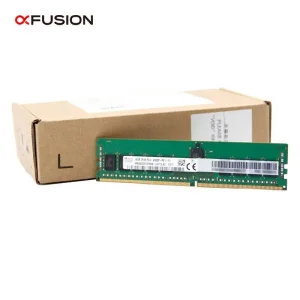
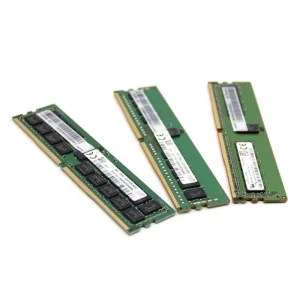
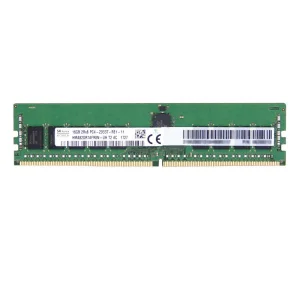
Established in 2016, Vornaxis Compute Ltd. has evolved into a tier-one manufacturing leader and technical supplier in the high-performance server components vertical. With over 12 years of industry experience, we operate at the intersection of extreme speed and enterprise-grade reliability, specializing in AI GPU computing architectures, high-density server configurations, and customized liquid-cooled memory layouts.
Our global operations span North America, Europe, Southeast Asia, and the Middle East, sustained by a robust network of approximately 850 downstream and upstream partners. Driven by technical innovation and rigorous quality control standards, our mission is to empower cloud data centers, HPC laboratories, system integrators, and AI startups with premium hardware solutions that bypass traditional retail markups.
Modern cloud paradigms, large language models (such as DeepSeek, GPT-4, and LLaMA), and advanced database operations demand memory sub-systems that are not just fast, but inherently resilient. Desktop RAM values throughput above all else, but Server RAM (Random Access Memory) prioritizes absolute stability through features like ECC (Error-Correcting Code), Registered clocking (RDIMM), and Load Reduction (LRDIMM).
As server applications scale to multi-socket architectures housing AMD EPYC™ and Intel® Xeon® Scalable Processors, memory bottlenecks can lead to severe system latency or complete server node failures. The transition from DDR4 to DDR5 marks a dramatic shift in how power is managed (migrating the Power Management IC, or PMIC, onto the module itself) and how data error mitigation is handled at the chip level (on-die ECC). Finding reliable Server RAM factories capable of high-yield production with selected DRAM die grades (A-die/M-die) has become a primary bottleneck for data center operations globally.
Enterprise server memories utilize advanced Error-Correcting Code to detect and correct single-bit memory errors on the fly. This prevents data corruption and prevents server downtime in critical financial, medical, and scientific environments.
Optimized trace layouts and advanced multi-rank architectures enable single-module capacities reaching up to 64GB, 128GB, and 256GB. This increases processing density in hyperconverged virtualization clusters.
Emerging standards like CXL (Compute Express Link) leverage PCIe physical lanes to disaggregate memory pools. This allows servers to dynamic-share TB-level DRAM capacities at near-zero latencies.
Shenzhen, China stands as the global heart of computer hardware manufacturing. For enterprise buyers, selecting a Server RAM factory located in this ecosystem offers unparalleled supply chain advantages:
| Efficiency Dimension | Western OEM/ODM Sourcing | Vornaxis (Shenzhen Manufacturing Ecosystem) |
|---|---|---|
| Lead Times for Large Batches | 8 to 12 weeks average | 3 to 5 weeks via direct raw material reserves |
| BTO/CTO Customization | Strict MOQ restrictions (often 1000+ units) | Flexible configuration, down to custom rank setups for system integration |
| Component Sourcing Depth | Regional supplier networks, vulnerable to logistics halts | Immediate access to top three DRAM die global markets (Samsung, Hynix, Micron) |
| Direct Technical Support | Multi-tiered customer service desks | 160 R&D engineers providing firmware and BIOS patching validation |
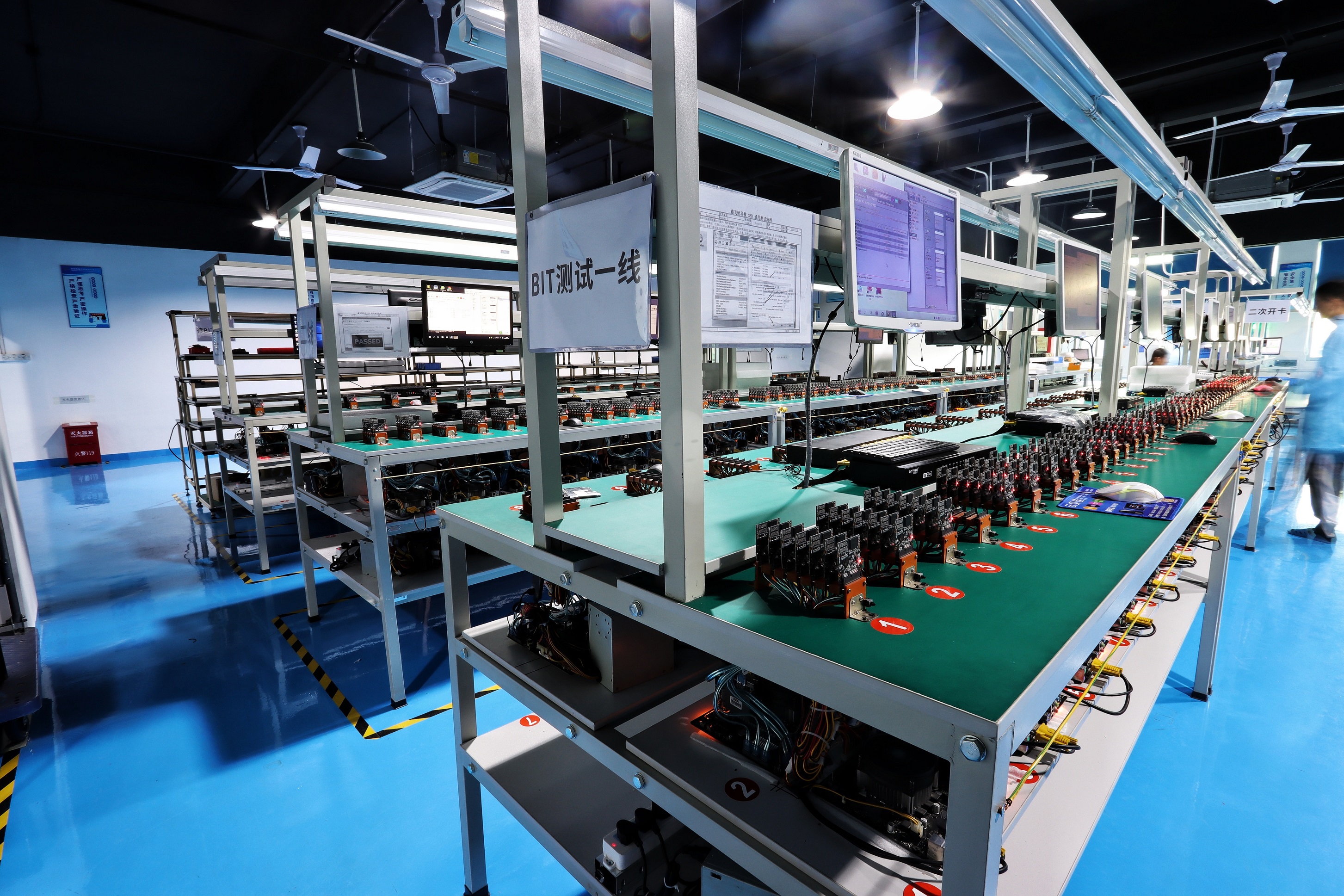
At Vornaxis, we control quality from the silicon wafer stage. Every module is built using selected DRAM chips, utilizing automated high-speed SMT (Surface Mount Technology) assembly lines. Our factory boasts state-of-the-art testing systems including AOI (Automated Optical Inspection), post-assembly automated functional verification, and customized stress test chambers. By operating a 320 m² direct-controlled facility alongside optimized external hardware supply lines, we manage dynamic product turnarounds without sacrificing signal integrity.
Server components must survive continuous, 100% duty-cycle operation inside multi-rack cabinets where temperatures regularly rise. Our strict product inspection methods guarantee that only high-integrity memory modules leave our facility.
High-resolution camera arrays scan every single component placement, solder joint angle, and alignment. This ensures zero physical assembly anomalies on our 288-pin interfaces.
We stress-test our memory modules inside environmental chambers from -40°C to +85°C. This simulates cold-boot states and peak data center temperatures under heavy computational workloads.
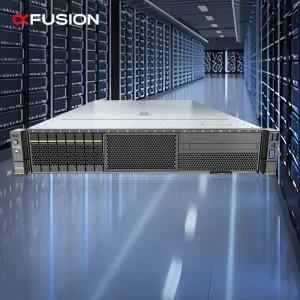
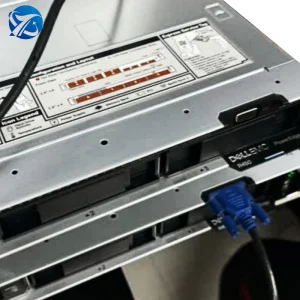
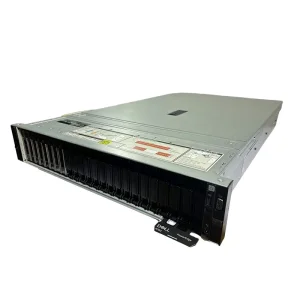
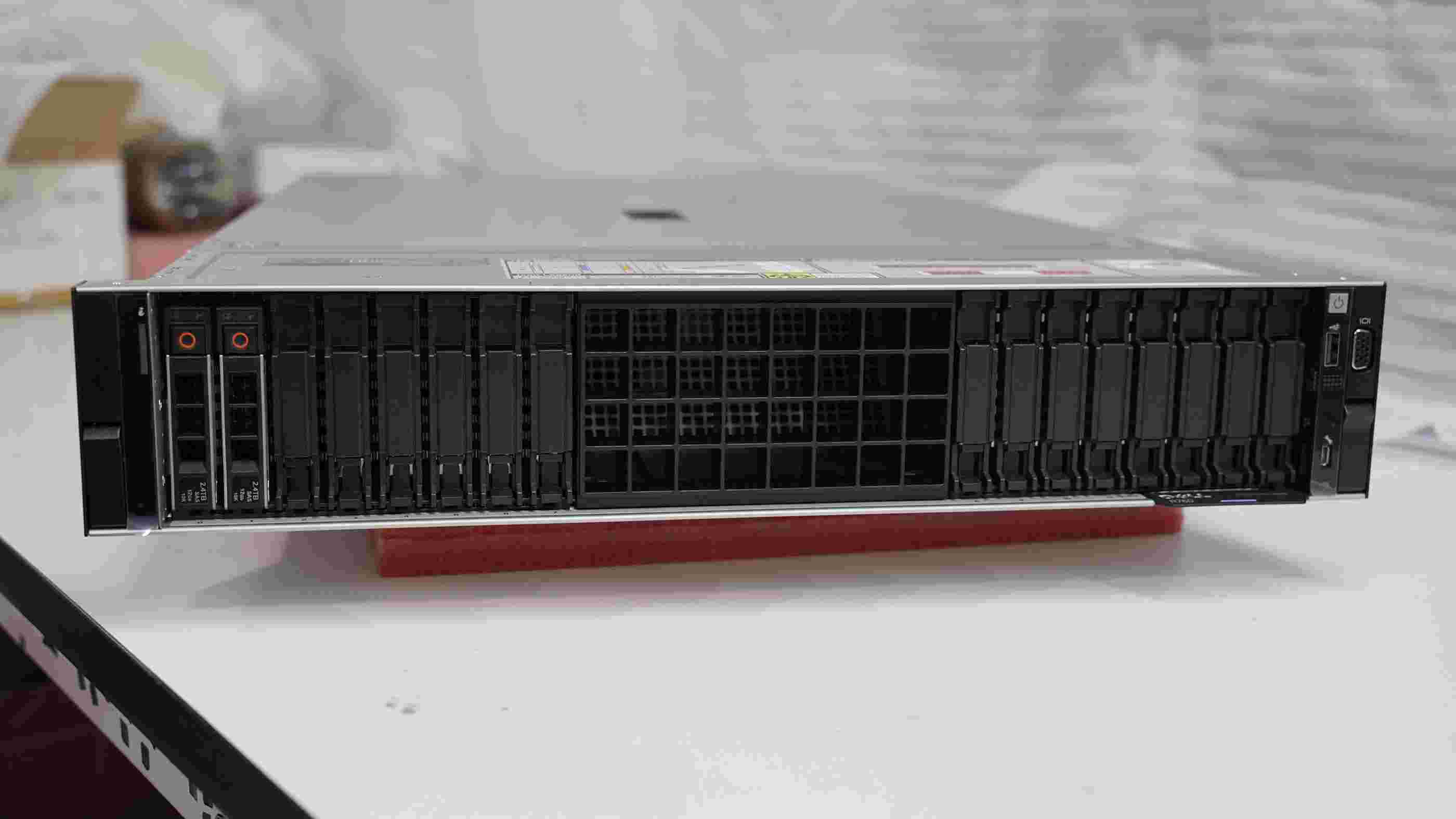
Instead of relying on simple software emulators, we test RAM batches in real-world servers (such as xFusion FusionServer and Dell PowerEdge) to guarantee complete hardware/firmware compatibility.
Server RAM requirements vary dramatically depending on the software layer. Below are the core environments where Vornaxis high-density modules provide competitive performance:
AI training requires massive parameters to be loaded directly into RAM and high-bandwidth GPU memory. Our 64GB RDIMM modules, running in multi-channel configurations on multi-socket GPU servers, provide the high memory bandwidth required to feed data pipelines into AI accelerators.
Virtualization environments (VMware vSphere, Proxmox, Nutanix) consolidate compute, storage, and networking. Memory density is key here: low density limits VM allocation. Our high-density dual-rank modules allow sysadmins to maximize VM density per node, saving on licensing costs.
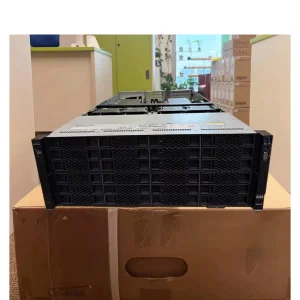
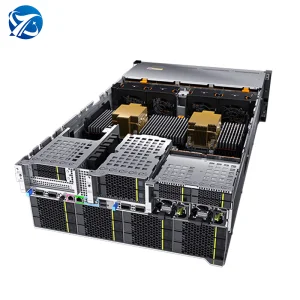
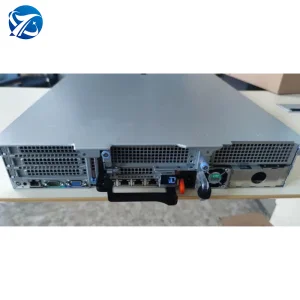
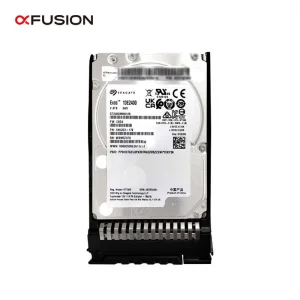
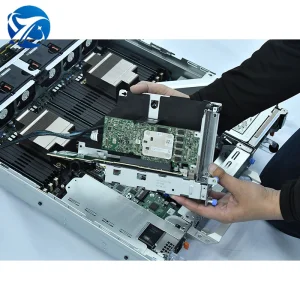
Take a virtual look inside our manufacturing processes, component verification facilities, and server hardware storage systems. We preserve complete manufacturing trace records for all enterprise supply contracts.


Purchasing components for corporate structures or data center upgrades requires a careful evaluation of tech specs. Do not just look at unit prices. Consider these factors to optimize your total cost of ownership (TCO):
DDR4 runs at 1.2V, while DDR5 operates at 1.1V. When running thousands of modules, a 0.1V reduction saves thousands of dollars annually in electricity and cooling costs. Make sure your supplier offers true low-voltage profiles.
Rank setups affect memory bus loading and maximum speeds. 2Rx4 configurations are preferred for systems requiring deep error correction. 8-bit widths are cost-effective, while 4-bit configurations provide superior data path redundancy.
Standard height (31.25mm) profiles are standard, but dense 1U blade servers often require VLP (Very Low Profile) memory modules. Ensure your layout matches your physical chassis layout to maintain optimal airflow.
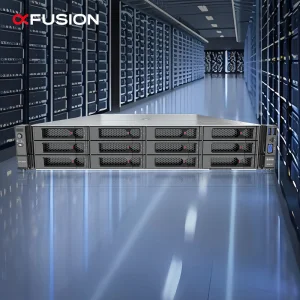
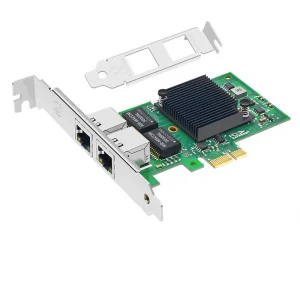
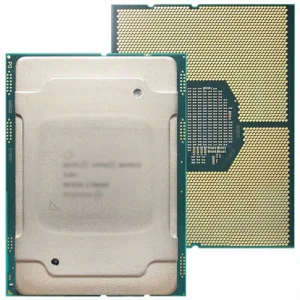
Complete your infrastructure with storage array controllers, system expansion boards, and compute units.