Vornaxis
Vornaxis
Vornaxis
Explore our elite range of high-throughput switches, compute servers, components, and accelerators engineered for hyper-scale cloud deployments.
Deploying specialized AI computing structures, high-density cluster systems, and robust routing infrastructure globally.
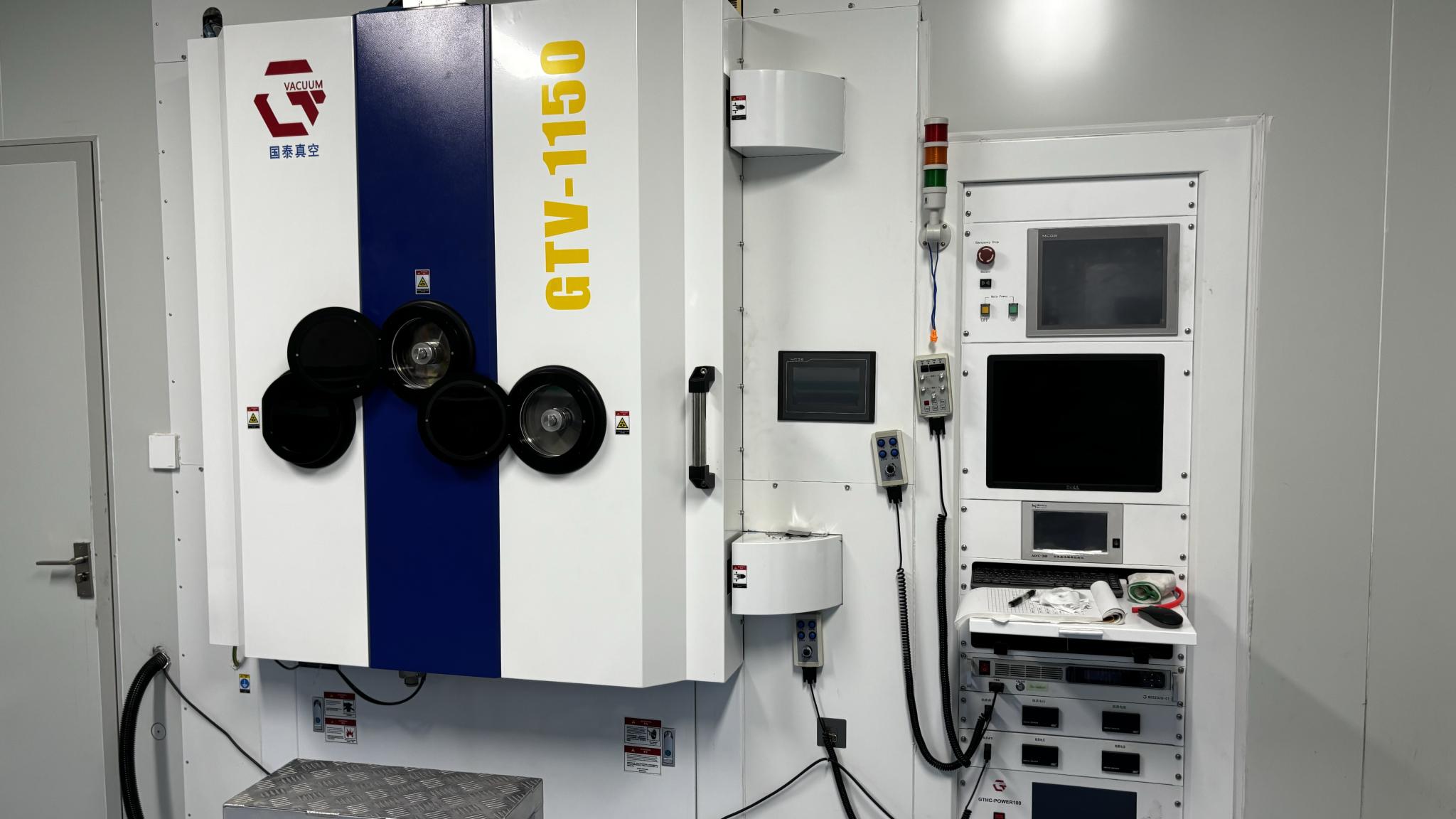
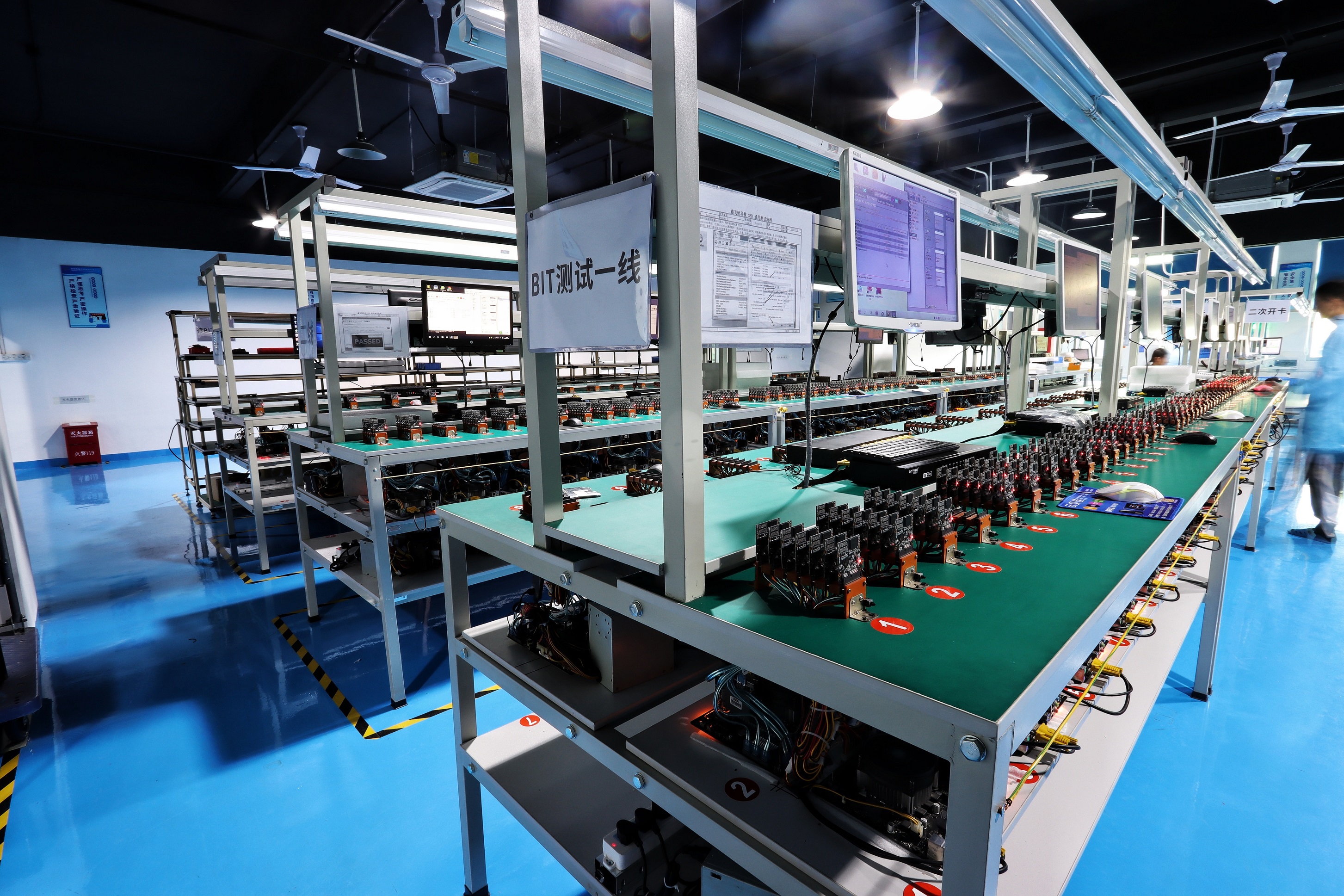
Each network device and computing unit undergoes mandatory AOI inspection, operational load testing, and heat cycle profiling. Backed by 45 dedicated quality control engineers to ensure minimal network failure rates.
Housing 160 system architects. We specialize in deep virtualization stacks, high-density GPU cooling systems, and specialized firmware adjustments to sync switches and compute clusters.
As microservice architectures, high-performance computing (HPC), and LLM (Large Language Model) clusters grow exponentially, the humble network switch has transitioned from simple packet forwarding hardware into the strategic core of data logic. Hardware design, chip capability, routing architectures, and transport layers are determining parameters for global organizations trying to eliminate computing latency. As a leading Network Switch Supplier & Exporter, Vornaxis Compute Ltd. designs enterprise-grade network architectures that address the technical challenges of global compute clusters.
Modern workloads require networks that handle massive bursts of traffic with minimal lag. Transitioning from basic Layer 2 configurations to highly scalable Layer 3 switches represents a massive step forward in network flexibility. By processing traffic at the hardware layer with Application-Specific Integrated Circuits (ASICs), modern switches route data packet-by-packet without bottlenecking software processes. Key capabilities of these switches include:
Historically, InfiniBand was the preferred interconnect for high-performance computing because of its low latency and zero-copy data transfer. However, the high costs and proprietary locking mechanisms of InfiniBand have driven a massive industry migration toward Ethernet. This change is powered by RDMA over Converged Ethernet (RoCEv2). By bypassing the kernel network stack, RoCEv2 permits direct server memory access across Ethernet cards.
To enable RoCEv2, enterprise network switches must support lossless network features such as Priority-based Flow Control (PFC) and Explicit Congestion Notification (ECN). These configurations prevent packet drops during heavy loads. They allow modern data centers to use cost-effective Ethernet structures while matching the performance levels of InfiniBand networks.
Traditional three-tier network topologies (Access, Distribution, Core) introduce unpredictable latency because of varying hop counts between nodes. Modern data centers resolve this with a two-tier Spine-Leaf Topology, ensuring that every leaf switch is exactly one hop away from every other leaf switch. This layout offers predictable latency, simple horizontal scaling, and built-in path redundancy.
When combined with overlay protocols like VXLAN (Virtual Extensible LAN) and EVPN, spine-leaf topologies allow operators to build isolated virtual networks over the same physical hardware. This separation is vital for multi-tenant cloud centers, AI engineering facilities, and highly secure enterprise environments.
Purchasing modern network infrastructure is a complex process. Procurement departments must look beyond standard specs to evaluate long-term reliability, running costs, and supply chain integrity. Key considerations include:
Modern network switches operate in dense rack environments where power draw and heat dissipation are critical. Energy-efficient chip design, variable-speed fan systems, and smart airflow design (front-to-back or back-to-front) keep cooling costs low while extending the lifespan of network hardware components.
Datacenter topologies require versatile interfaces. High-end switches feature multi-gigabit copper (10GBASE-T) alongside high-speed fiber interfaces (SFP28, QSFP28, QSFP-DD). These options enable seamless upgrading paths from 10GbE and 25GbE up to 100GbE, 400GbE, and even 800GbE connections.
Proprietary operating systems limit flexibility and increase licensing fees. Global companies are increasingly choosing bare-metal hardware running open-source operating systems like SONiC (Software for Open Networking in the Cloud) to simplify automation across multi-vendor networks.
How Vornaxis leverages advanced manufacturing ecosystems to deliver robust, high-performance computing hardware globally.
In high-performance networking, hardware quality depends directly on supply chain consistency. Vornaxis Compute Ltd. integrates into China's advanced Factory 4.0 electronics manufacturing ecosystem. This integration provides a balance of cost efficiency, quality control, and rapid adaptation to market shifts.
Tailoring infrastructure solutions to meet the demands of specific industries and deployment locations.
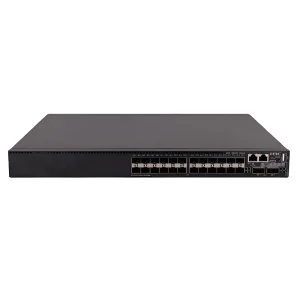
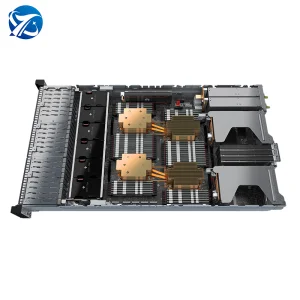
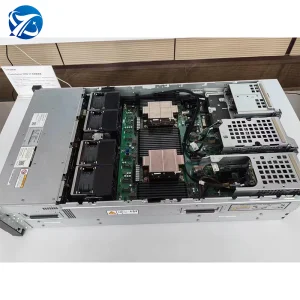
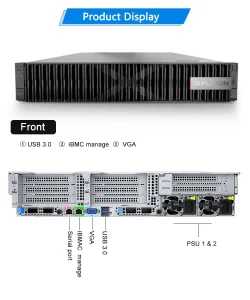
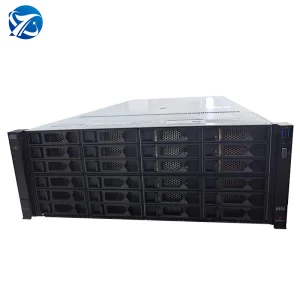
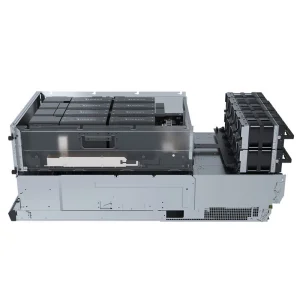
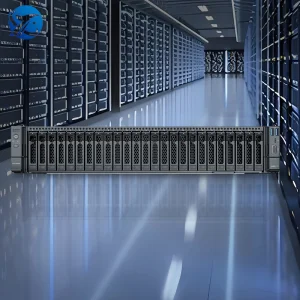
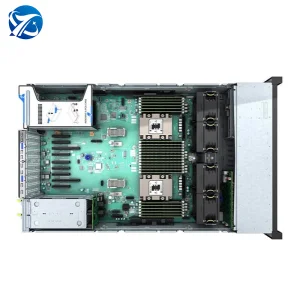
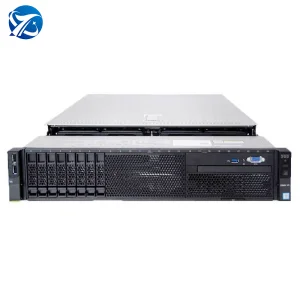
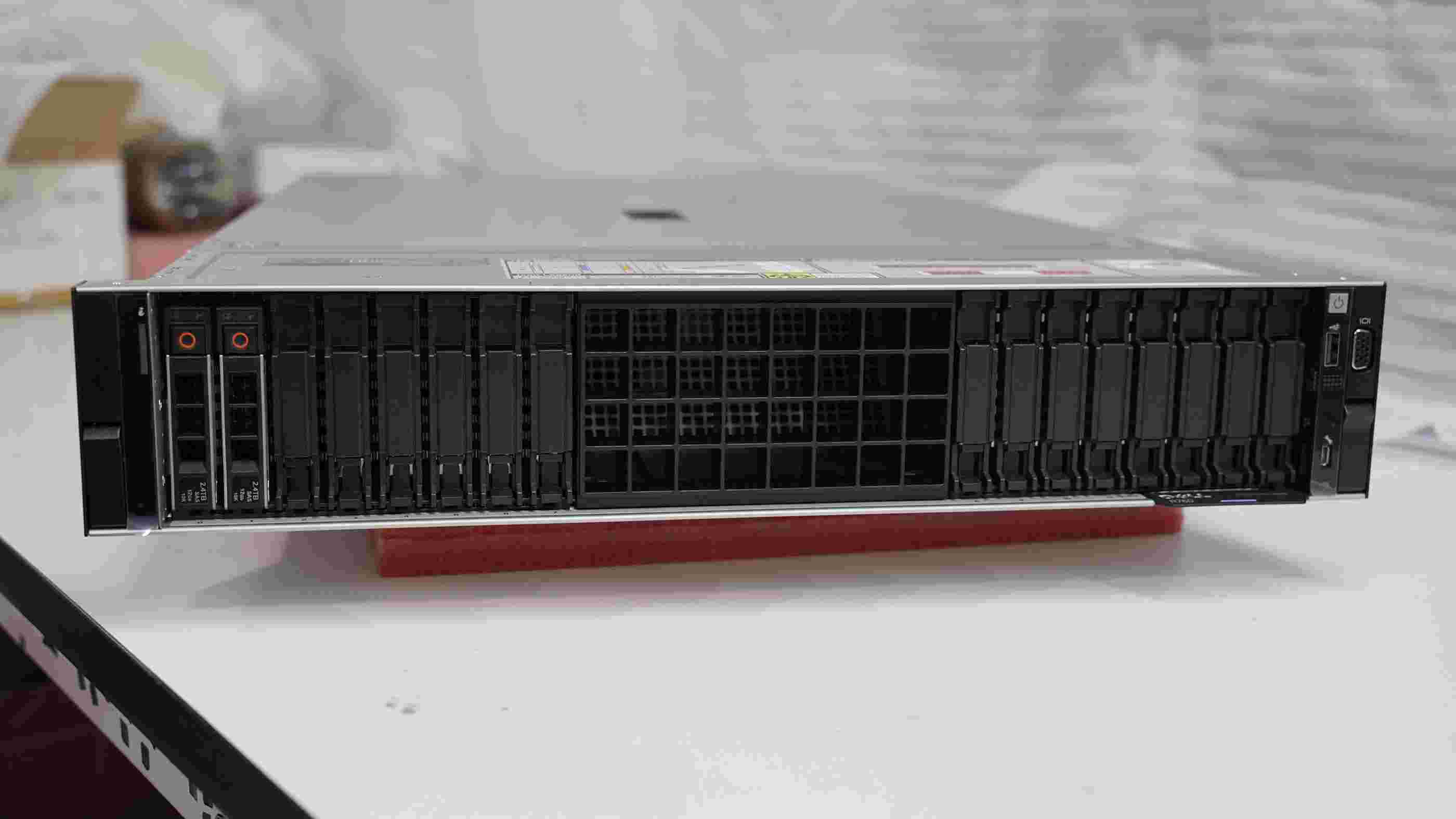
For cloud data centers hosting modern AI workloads, latency-free node connection is vital. Combining high-speed switches (like the H3C S6520X-30QC-EI 10G/40G) with high-density server layouts (such as the FusionServer 2288H V7 or G8600 V7) ensures data flows without delay between computing nodes.
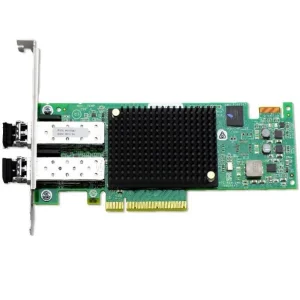
In automated trading environments, milliseconds determine profitability. Utilizing low-latency switches alongside Emulex Fibre Channel HBA interfaces allows financial institutions to execute transactions with minimal transit lag.
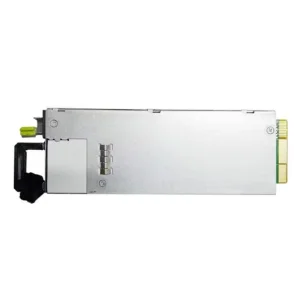
For modern corporate headquarters requiring robust virtual environments, VLAN/VXLAN overlays partition traffic efficiently. Redundant dual power supplies and modular cooling configurations guarantee high uptime across the corporate network.
Answers to technical and commercial questions about our network and server hardware solutions.
RoCEv2 enables low-latency, zero-copy memory transfers over standard Ethernet hardware. This approach delivers performance close to proprietary InfiniBand while lowering equipment costs and simplifying management via standard network management tools.
We run each device through a comprehensive quality verification process. This includes Automated Optical Inspection (AOI), complete function checking, and long-term burn-in under heavy thermal stress. All manufacturing conforms to ISO 9001 and RoHS standards.
Yes. Our engineering division offers customization options, including firmware configurations, BIOS profiles, and custom hardware setups. This ensures seamless integration with your network architectures and automation systems.
Our switch range supports standard 10G copper connections (10GBASE-T) as well as 10G, 25G, 40G, 100G, and 400G SFP/QSFP fiber optics, giving you flexibility for copper networks and high-speed fiber backbones.
Leveraging our 6 years of export experience, we handle international shipping arrangements, customs clearance support, and provide all necessary certifications (CE, FCC, RoHS) to guarantee smooth import operations.
Inside the production, testing, and distribution centers driving Vornaxis's global shipments.

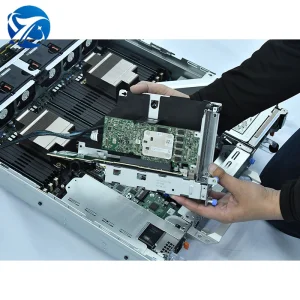
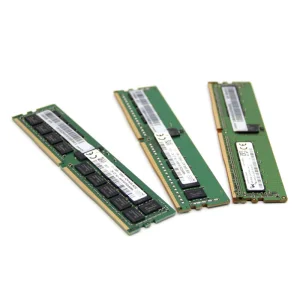
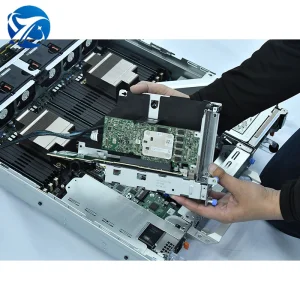
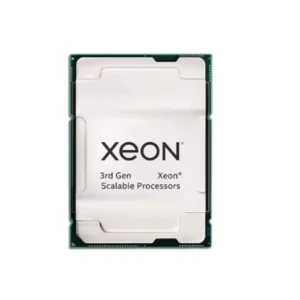
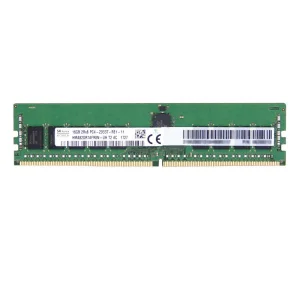
Hardware solutions, server units, memory expansions, and network adapters to keep your clusters running at peak efficiency.