Vornaxis
The rise of artificial intelligence is shaping industries at an unprecedented pace. A custom AI server manufacturer plays a crucial role in this evolution. According to a recent report from MarketsandMarkets, the AI server market is projected to reach $33.8 billion by 2026, growing at a CAGR of 28.5%. This growth reflects the increasing demand for tailored solutions that can meet unique processing needs of various AI applications.
Dr. Emily Zhang, an expert in AI infrastructure, stated, “Companies require robust and flexible solutions to handle complex AI workloads.” Her insights underscore the importance of selecting the right manufacturer. As businesses dive into AI, they seek custom servers that suit their specific workloads. Many standard servers fail to meet these unique demands.
While the competition among manufacturers is fierce, consumers must navigate their options wisely. Not all companies can deliver the performance and reliability that AI applications demand. It’s essential to evaluate their track record and customer feedback. A well-informed choice can significantly impact future AI capabilities.
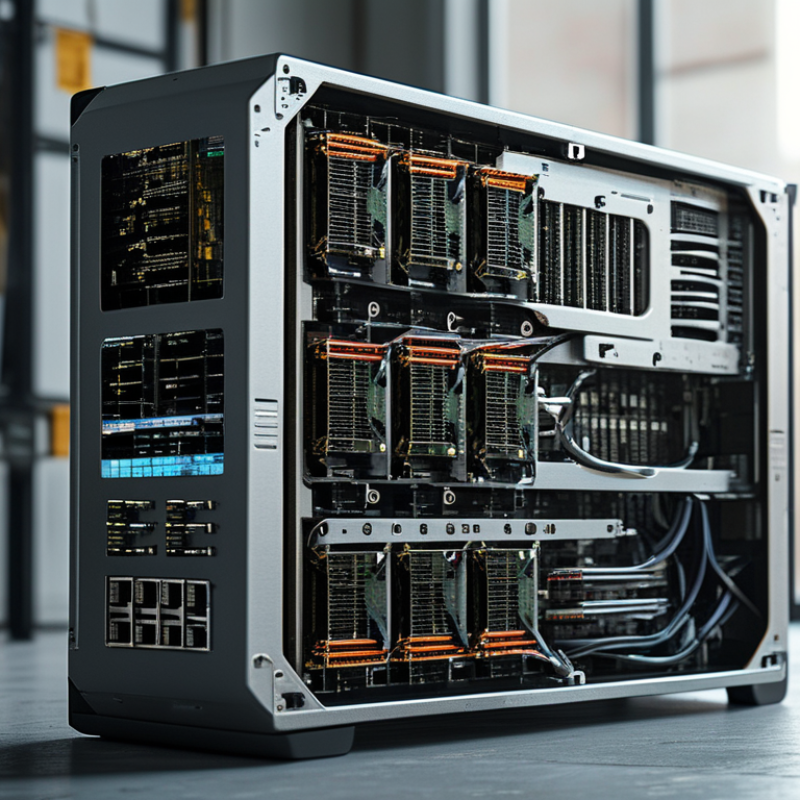
Custom AI servers have become essential in the modern technology landscape. These servers are specially designed to handle complex algorithms and large datasets. Their ability to process information at high speeds makes them invaluable for various industries. Businesses can leverage these servers to improve their AI models and achieve better accuracy in predictions.
In an era where data is king, organizations need tailored solutions. AI servers provide flexibility in terms of processing power and architecture. However, designing a custom server requires expertise. Many companies struggle to know where to begin. They may not fully understand their needs or how to align their technology with business goals. This can lead to wasted resources and inefficiencies.
Moreover, the importance of cooling and energy efficiency cannot be overlooked. Custom AI servers often generate heat due to intensive workloads. Proper cooling solutions are crucial for maintaining performance and longevity. Without them, servers can crash or become less efficient. Therefore, it's vital for decision-makers to assess their current infrastructure critically. This reflection can help identify gaps and opportunities for improvement.
In the rapidly evolving field of artificial intelligence, custom AI servers play a crucial role. They provide the necessary computing power for complex algorithms and large data sets. Leading manufacturers specialize in designing servers tailored for AI workloads. They optimize hardware for speed, efficiency, and scalability. This specialization allows businesses to harness AI seamlessly.
Market position varies among these manufacturers. Some focus on industry-specific solutions, offering high-performance options for sectors like healthcare and finance. Others adopt a more generalized approach, providing versatility for various applications. Customers often weigh factors such as reliability and support. Technical specifications influence their decisions, too. This landscape creates competition, pushing manufacturers to innovate continuously.
However, companies face challenges. Balancing cost and performance can be tricky. Some solutions may not fully integrate with existing systems. This can lead to unforeseen expenses and prolonged adaptation periods. It’s essential for businesses to assess their long-term needs before investing in custom AI servers. Each choice comes with its potential pitfalls, urging companies to proceed thoughtfully.
When choosing a custom AI server, several key features stand out.
Performance is paramount.
Look for powerful processors and high memory bandwidth. This ensures that your server can handle complex calculations and data processing efficiently.
In AI, speed is crucial. A lack of processing power can bottleneck your projects.
Scalability should also be a top consideration. Projects can grow rapidly, especially in AI.
The ability to easily upgrade components or expand resources allows you to adapt without overhauling the entire system.
Equally important is data storage. Fast access to large datasets is essential. This attribute directly influences the training speed of AI models.
Cooling systems cannot be overlooked. AI computations generate heat.
An effective cooling solution prevents overheating and maintains optimal performance. Even a well-built server can fail without proper temperature management.
Reliability in hardware is fundamental, too. Investing in quality components enhances system longevity.
Testing and real-world performance can vary. Always seek systems with proven track records.
The blend of these features creates a capable AI server that can meet the demands of evolving projects.
When considering custom AI servers, performance and pricing are critical factors. Research shows that businesses typically seek an optimal balance between speed and cost. For instance, a comprehensive report from Gartner highlights that server performance can vary significantly based on the architecture and configurations chosen. This means understanding your specific needs is essential.
Custom AI servers often utilize specialized hardware. According to a recent study, using GPUs can enhance processing speed by up to 10 times compared to traditional CPUs. Companies that invest in this technology report faster data processing and improved model training efficiency. However, the investment can be substantial. Pricing varies widely; some solutions can start around $5,000, while others soar above $100,000 based on specs.
Tips: Always assess your workload requirements before investing. If your tasks are minimal, high-end custom builds may incur unnecessary costs. Monitoring real-world performance metrics can offer deeper insights into whether you're getting value for your investment.
Balancing performance with cost remains a challenge. It's crucial to revisit initial assumptions about your needs as your projects evolve. Regularly gather feedback from users, as they can provide valuable perspective on the server’s capabilities in real applications.
The landscape of custom AI server development is shifting rapidly. Manufacturers are focusing on efficiency and scalability. This aligns with the increasing demand for AI applications. A notable trend is the integration of energy-efficient components. This change helps to reduce operational costs and environmental impact.
Another significant innovation is modular server design. Customization allows businesses to tailor their systems for specific AI workloads. This flexibility may lead to better performance and adaptability. Engineers are working to improve cooling technologies as well. Efficient thermal management is vital for high-performance servers.
Tips: Always assess compatibility before investing in new components. Consider the long-term scalability of your AI infrastructure. Regularly evaluate performance to keep up with advancements. Being proactive can save costs and improve efficiency in the long run.
I servers?
Their high-speed processing allows businesses to improve AI models and achieve better prediction accuracy.
Key features include performance, scalability, data storage, and effective cooling systems. Each aspect contributes to overall functionality.
Effective cooling prevents overheating, maintaining optimal performance. Without it, servers may crash or lose efficiency.
Trends include energy-efficient components and modular design. These innovations improve performance and adaptability for specific workloads.
Projects can expand rapidly. Scalable servers allow easy upgrades and adaptations without overhauling the entire system.
Organizations should thoroughly assess their needs and align technology with business goals. Misalignment leads to wasted resources.
They reduce operational costs and environmental impact, making the server more sustainable in the long run.
Reliability ensures longevity. Investing in quality components leads to better overall performance and fewer failures.
Regular evaluation is essential to keep up with advancements and ensure efficiency. Proactivity saves costs over time.
Custom AI servers have become increasingly vital in today's technology landscape, enabling businesses to harness the power of artificial intelligence for various applications. Understanding the significance of these servers is crucial, as they offer tailored solutions that meet specific computational requirements. The article outlines key manufacturers that lead the custom AI server market, highlighting their positions and contributions to the industry.
When selecting a custom AI server manufacturer, it's essential to consider key features such as processing power, scalability, and cost-effectiveness. Additionally, a comparison of performance and pricing among different models can guide organizations in making informed decisions. As the demand for AI continues to grow, manufacturers are expected to innovate, leading to future advancements in custom AI server development that will reshape the market landscape.
