 Vornaxis
Vornaxis
Vornaxis
Deploy top-tier server clusters and switching hubs supported by certified, high-bandwidth interconnect panels designed to handle massive throughput with minimal return loss.

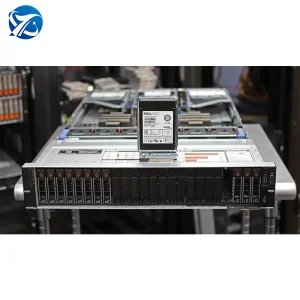
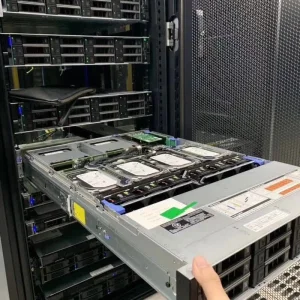
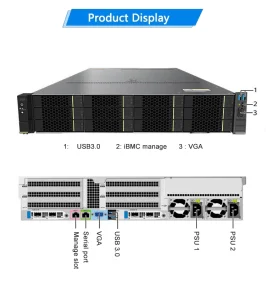
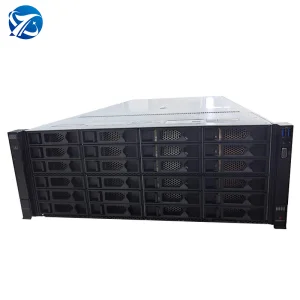

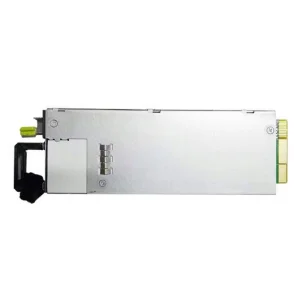
In modern, high-density structured cabling, patch panels serve as the central nervous system of physical connectivity. A patch panel's design significantly impacts channel performance, electromagnetic compatibility (EMC), and network uptime. Within the European Economic Area (EEA), the CE Marking is not merely a label—it is a mandatory legal declaration that the patch panel conforms to strict health, safety, and environmental protection standards.
To achieve genuine CE certification, patch panels must undergo comprehensive electrical, mechanical, and safety evaluations under specific harmonized European standards. These tests verify compatibility with directives such as:
| Test Parameter | Harmonized Standard | Target Metric |
|---|---|---|
| Near-End Crosstalk (NEXT) | EN 50173-1 / ISO 11801 | > 54 dB @ 250 MHz (Cat6) |
| Flame Retardancy | UL 94 V-0 / EN 60695-11-10 | Self-extinguishing ≤ 10s |
| Shielding Effectiveness | IEC 60603-7-51 (EMC) | 360° coverage with drain wire |
| PoE++ Compatibility | IEC 60512-99-002 | No contact damage under load |
Vornaxis Compute Ltd. is a leading, professional manufacturer specializing in high-performance computing infrastructure, GPU cluster integrations, and specialized enterprise-grade hardware. Drawing on 12 years of industry experience, Vornaxis designs and manufactures critical data center components, including specialized server enclosures, network interfaces, and advanced physical-layer distribution devices like patch panels.
By bridging the gap between computational server architecture and network physical layer optimization, Vornaxis designs connectivity components that survive the electrical demands of modern server rooms. Our systems are routinely deployed alongside advanced AI clusters (such as deep learning GPU rigs and high-density NAS architectures) where data drops are unacceptable.
Operating out of a specialized 320 m² state-of-the-art diagnostic, design, and administrative facility, Vornaxis ensures every product meets strict performance tolerances. Our testing laboratory implements multiple validation stages:

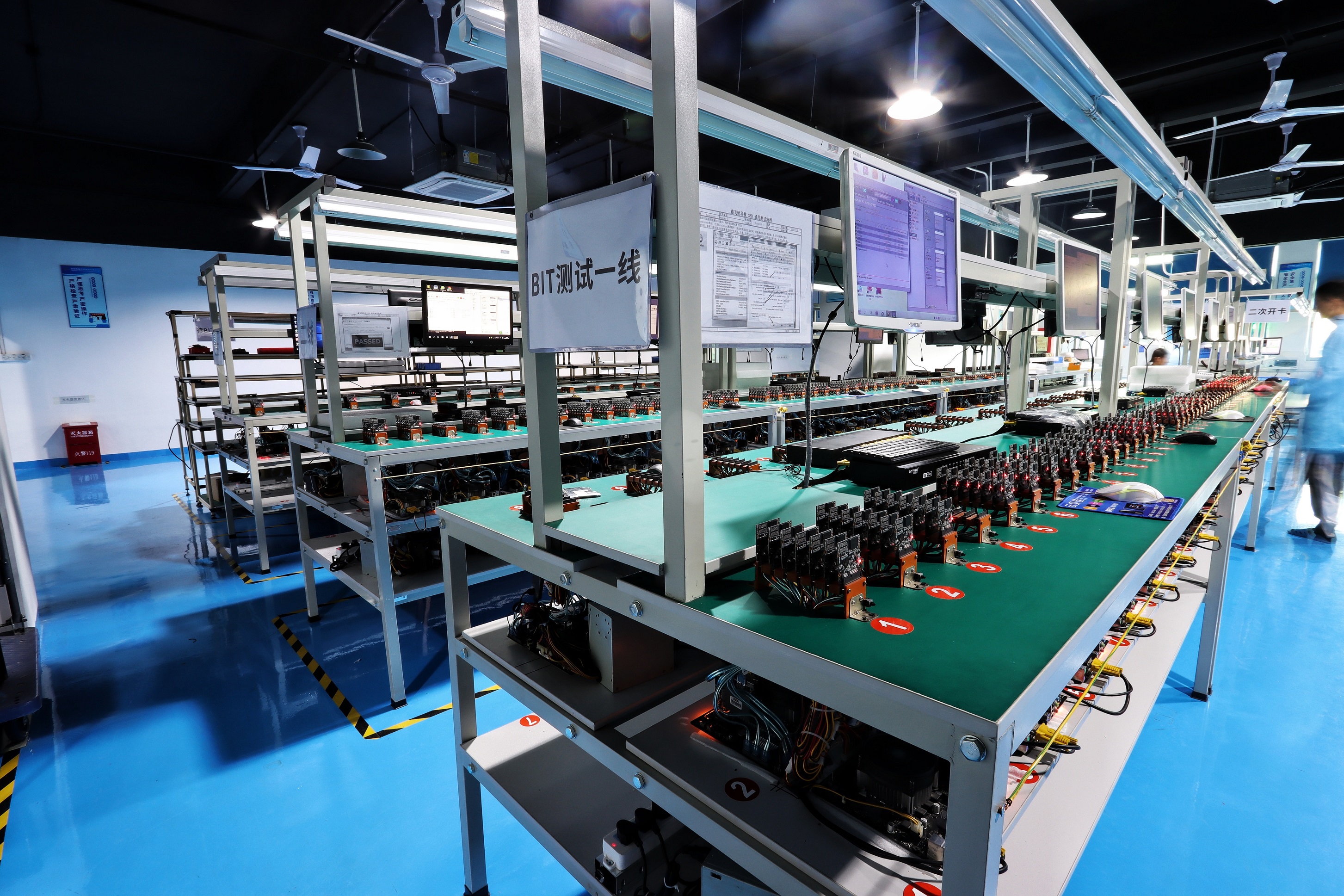
Leveraging structural efficiencies, vertical integration, and deep logistical networks to deliver certified structured cabling solutions worldwide.
Direct proximity to key industrial clusters for high-impact polycarbonate, SPCC cold-rolled steel, and high-conductivity copper contacts (50-micro-inch gold plating) reduces raw material lead times and insulates production from localized price shocks.
With a massive upstream network of 850 global partners, our facility supports rapid tooling iterations. We offer customized port densities (24-port, 48-port, high-density 0.5U designs) alongside bespoke printing, logo silk-screening, and color-coded keystones.
Our R&D department developed 120 new product models and system iterations last year. This rapid design-to-delivery capability allows us to swiftly integrate emerging transmission standards (such as Cat8 Class I/II specifications) ahead of Western markets.
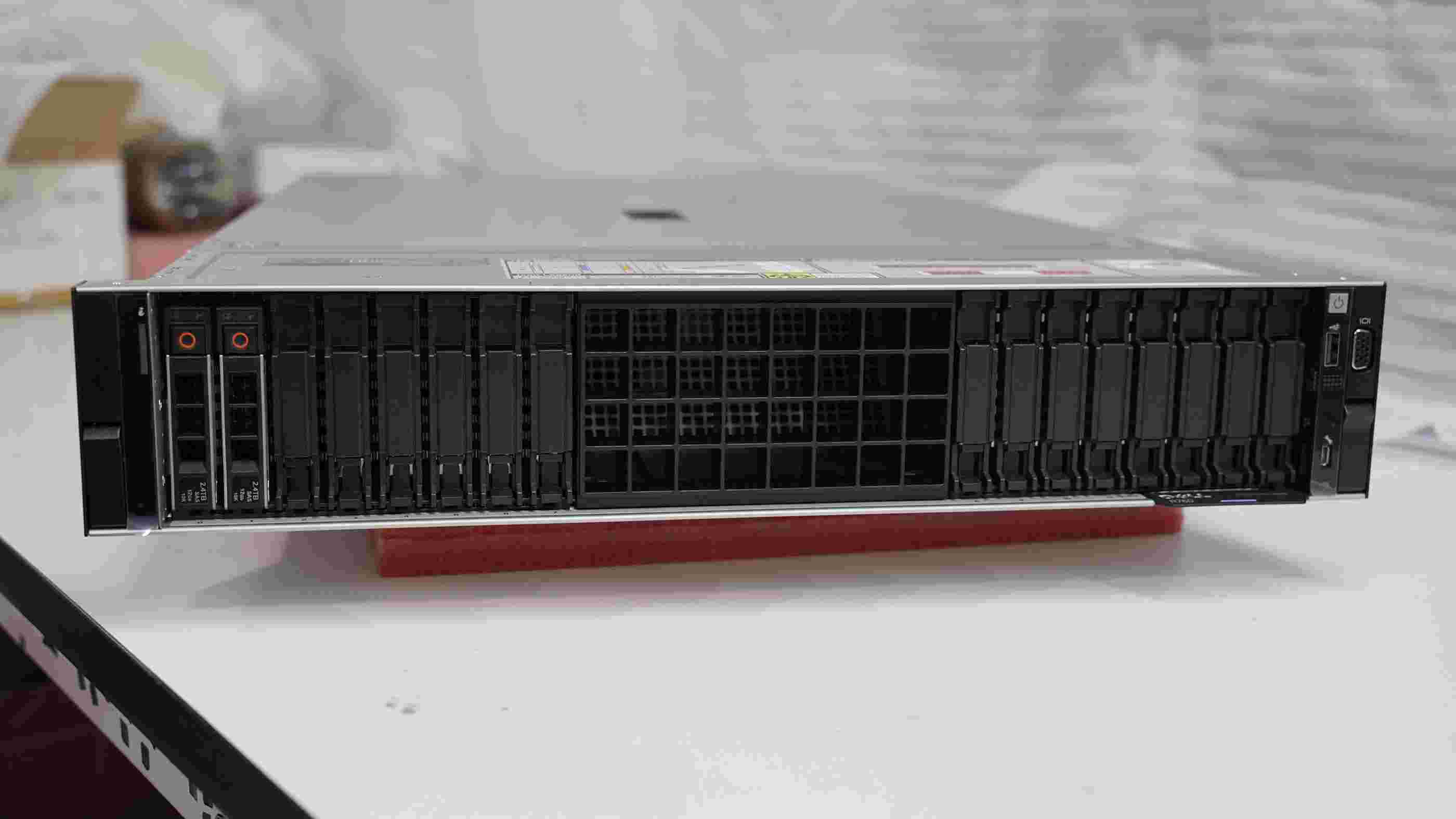

Enterprise IT procurers, network architects, and data center operators face unique challenges depending on their geographic location. While North American buyers emphasize UL compliance and TIA-568 configurations, European enterprises prioritize CE directives, RoHS conformance, and CPR (Construction Products Regulation) compliance for in-wall cabling structures.
Vornaxis bridges this regional divide with a comprehensive localization strategy that goes beyond simple regulatory compliance. We provide:
To ensure zero friction during importing and compliance auditing, we supply the following documentation with every shipment:
The transition to higher speeds, modular architectures, and AI compute requirements demands a reinvented patch panel design.
10GBASE-T networks are now standard for high-bandwidth uplinks. Cat6A and Cat8 patch panels, incorporating isolated die-cast zinc shielding, protect channels from alien crosstalk (ANEXT) at frequencies up to 2000 MHz.
As rack space becomes premium in AI server clusters, deploying 48 ports within a 1U space, or 24 ports in 0.5U, is critical. High-density design requires precision-engineered PCBs to prevent signal overlap and return loss.
Toolless jack options reduce installation times by up to 40%. They maintain gas-tight connections with minimal untwisting of conductor pairs, safeguarding NEXT compliance directly at the termination interface.
Supporting dense GPU nodes and server farms where low-latency and shielding from high-frequency power supply EMI are critical to prevent data frame drops.
Providing shielded, vibration-resistant termination points on assembly floors where motor-driven EMI can corrupt copper transmission lines.
Enabling high-capacity PoE++ distribution for smart lighting, high-definition security cameras, and Wi-Fi 6E/7 access points without thermal buildup.
Maintaining low-loss connections for medical diagnostics, hospital local area networks, and real-time medical imaging transfers that demand high data integrity.
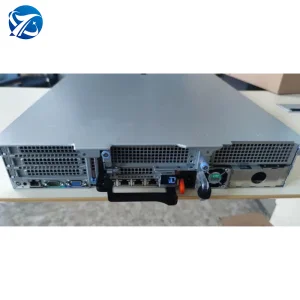
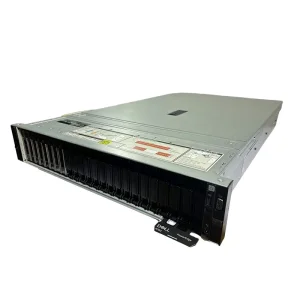
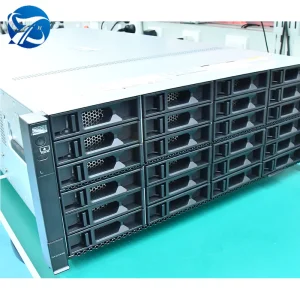
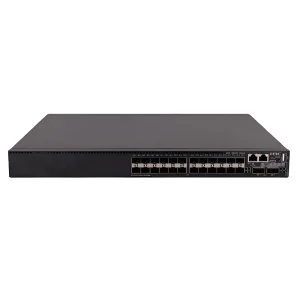
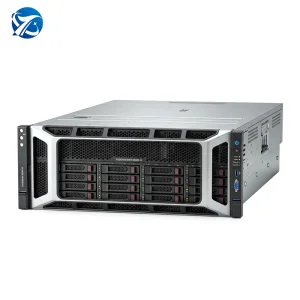
Complete your high-bandwidth network layout with our range of performance-tested servers, nas storage units, and AI compute nodes.



Get answers to standard technical questions about regulations, mechanical performance, and configuration best practices.
CE certification requires compliance verification across several directives. For copper patch panels, this includes:
Under IEEE 802.3bt (PoE++ Type 4), patch panels must manage higher currents (up to 960mA per pair) without critical thermal buildup. Vornaxis addresses this by:
The choice between shielded and unshielded systems depends on the electromagnetic environment:
AI processing involves massive data movements across GPU clusters (using protocols like InfiniBand or 100G Ethernet). Dropped packets at the physical layer trigger retransmissions, creating bottlenecks that can delay training workloads.
Vornaxis designs patch panels with tight NEXT, FEXT, and Return Loss margins to help preserve signal integrity across long channels. This prevents packet loss and keeps high-throughput servers running at full efficiency.
Leveraging our engineering expertise and manufacturing network, we support: