Vornaxis
Vornaxis
Vornaxis
Intelligent server nodes demanding robust, high-efficiency, CE-certified power distribution networks

A Whitepaper on Technical Integration, Compliance Standards, and Enterprise Sourcing Matrices
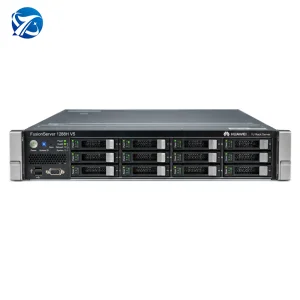
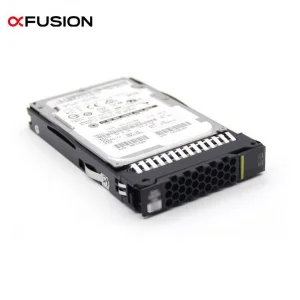
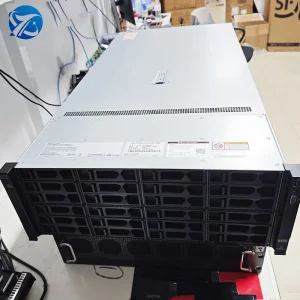
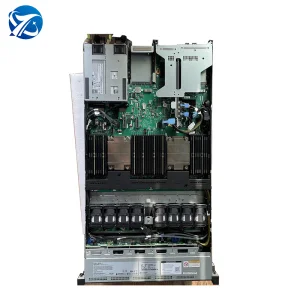
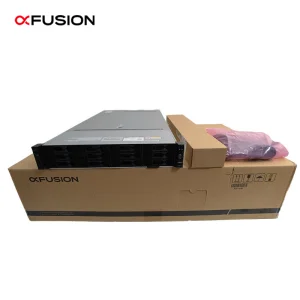
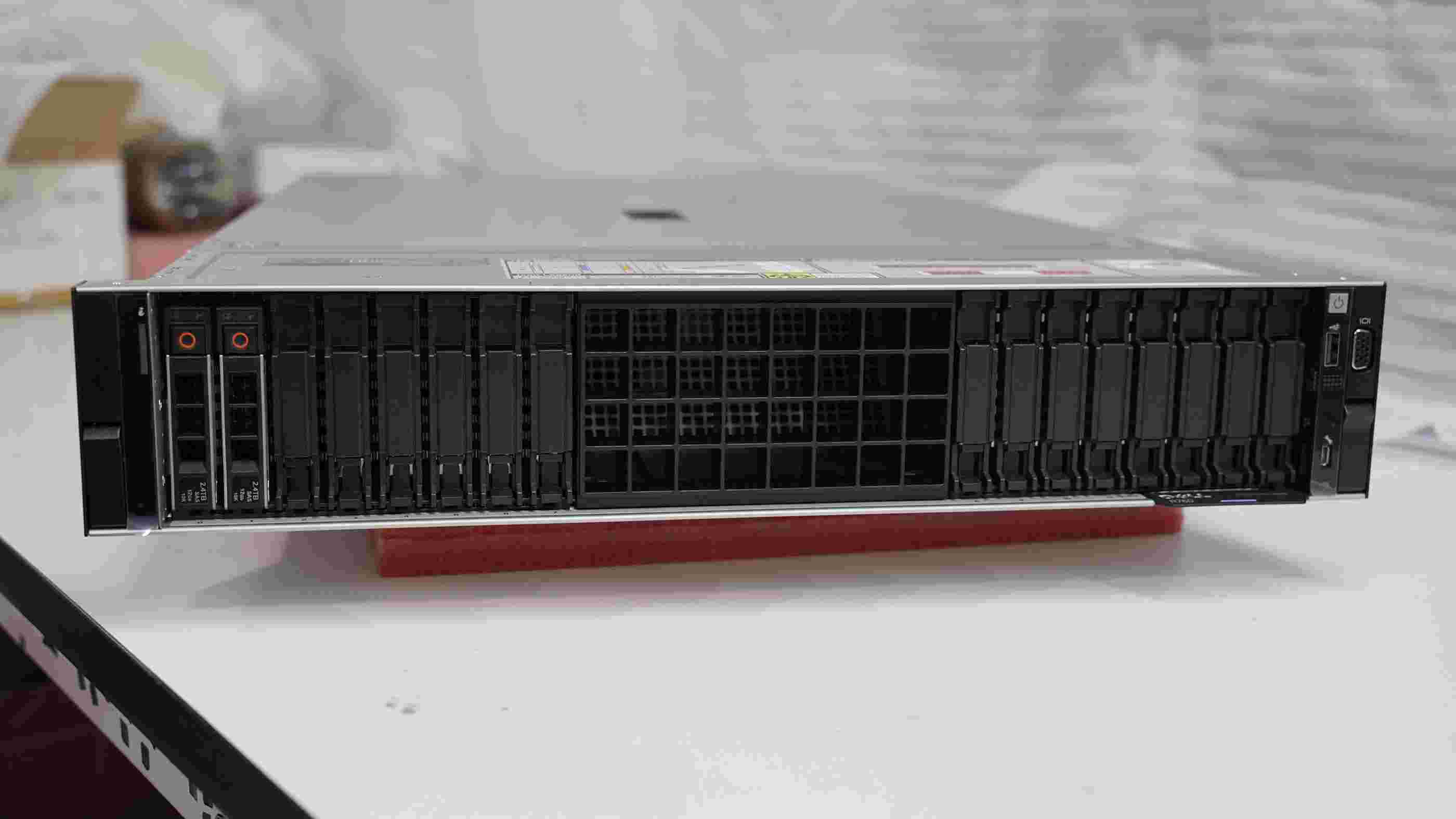
In modern enterprise cloud architectures and ultra-scale artificial intelligence clusters, the demand for power density has experienced an unprecedented upward trajectory. As system integrators deploy high-density compute systems—including multi-socket nodes such as the xFusion 1288H V5, storage appliances, and high-performance server components like enterprise-grade SATA HDD Hard Drives—the role of the Power Distribution Unit (PDU) has evolved from simple power strip hardware to a mission-critical, intelligent component of the data center's electrical infrastructure.
Procurement teams and data center engineers globally operate under stringent parameters when choosing PDU manufacturers. Key procurement determinants include:
Monitors current, voltage, active power, reactive power, and power factor with ±1% billing-grade measurement accuracy to prevent localized overloads.
Engineered strictly to Low Voltage Directive (LVD) 2014/35/EU and Electromagnetic Compatibility (EMC) Directive 2014/30/EU guidelines.
Optimized vertical (0U) and horizontal (1U/2U) form factors designed to integrate alongside ultra-dense GPU arrays like the G8600 V7.
From a macro perspective, data centers are shifting toward green computing metrics. Power Usage Effectiveness (PUE) must be optimized at every node. PDUs must utilize high-conductivity busbars and specialized bistable latching relays, reducing the heat footprint inside the rack. A comparative analysis of standard enterprise PDU architectures outlines the primary pathways used in modern data center deployments:
| PDU Class | Monitoring Capabilities | Control Capabilities | Target Applications |
|---|---|---|---|
| Basic PDU | None (Power distribution only) | None | Legacy workloads, simple auxiliary cabinets |
| Metered PDU | Aggregate input current display via local LED | None | Preventing phase imbalance in static racks |
| Monitored PDU | Remote real-time IP/SNMP tracking per phase | None | Co-location, cloud data centers requiring metrics |
| Switched PDU | Outlet-level monitoring, voltage/current metrics | Individual remote outlet on/off switching | HPC clusters, AI GPU arrays, remote reboot locations |
Proven engineering capabilities in GPU computing and mission-critical hardware validation
Vornaxis Compute Ltd. (Vornaxis) is an established enterprise AI GPU server manufacturer specializing in high-performance computing infrastructure, complex GPU cluster systems, and enterprise-grade hardware integrations for global cloud data center deployments.
By integrating strict quality validation parameters, Vornaxis ensures that every server node—from high-density 1U units to large-scale GPU systems—operates seamlessly with industry-standard intelligent power distribution networks. Our engineering footprint is backed by over a decade of domain expertise, offering custom firmware and tailored hardware integration for high-density setups.
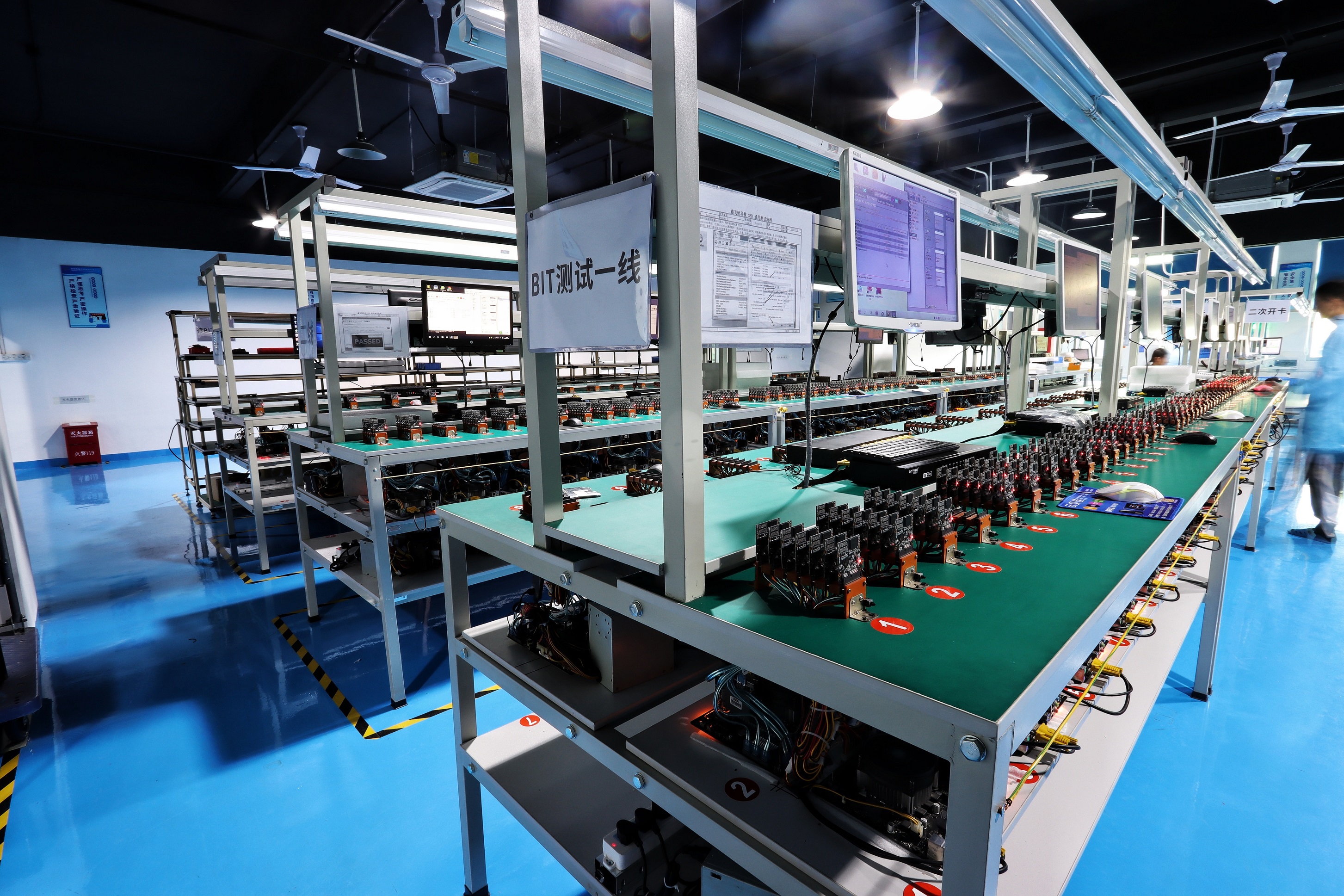
To operate reliably in high-density environments alongside servers like the FusionServer G5200 V5, electrical hardware must undergo robust verification procedures. Vornaxis maintains 45 specialized Quality Control professionals who supervise a multi-tier testing framework:
The roadmap for power infrastructure centers on accommodating high-density computing loads while simplifying cable management:
High-performance AI, GPU, and storage assets engineered for optimal power efficiency
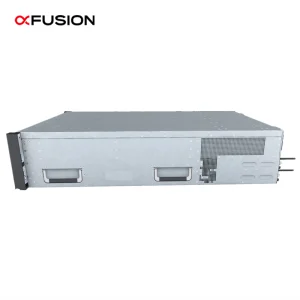
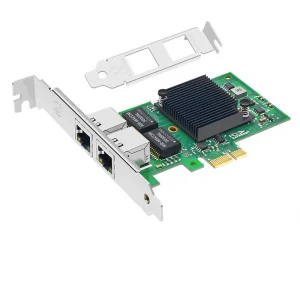

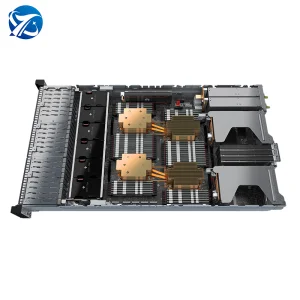
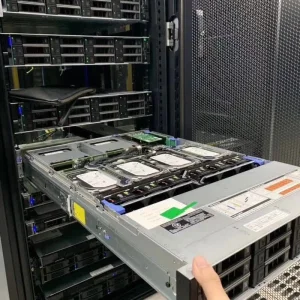

A CE certified PDU is required to meet multiple specific safety and performance benchmarks before installation in modern server cabinets. The CE label is a manufacturer's declaration that the product complies with the essential requirements of the relevant European health, safety, and environmental protection legislation.
The Low Voltage Directive ensures that electrical equipment within specific voltage limits provides high protection for European citizens. For PDUs, this covers input/output ratings of 50 to 1000 Volts for Alternating Current (AC) and 75 to 1500 Volts for Direct Current (DC). LVD testing evaluates creepage distances, electrical clearances, insulation thickness, and mechanical casing strength under extreme physical strain or internal circuit failure.
A server cabinet contains high-density compute cards, memory modules, and RAID controllers like the XC170-M-8i SAS/SATA RAID card. These components are sensitive to electromagnetic interference. The EMC directive requires that PDUs do not generate electromagnetic noise that could interfere with surrounding servers, and that the PDUs themselves possess sufficient immunity to external electromagnetic disturbances.
Restriction of Hazardous Substances (RoHS) rules restrict the use of specific hazardous materials in electronic products. PDU manufacturers must ensure that busbars, solder contacts, chassis alloys, and modular outlets contain lead, mercury, cadmium, hexavalent chromium, polybrominated biphenyls (PBB), and polybrominated diphenyl ethers (PBDE) only within strictly permitted trace limits.
Answers to critical integration, safety, and power distribution queries from system architects
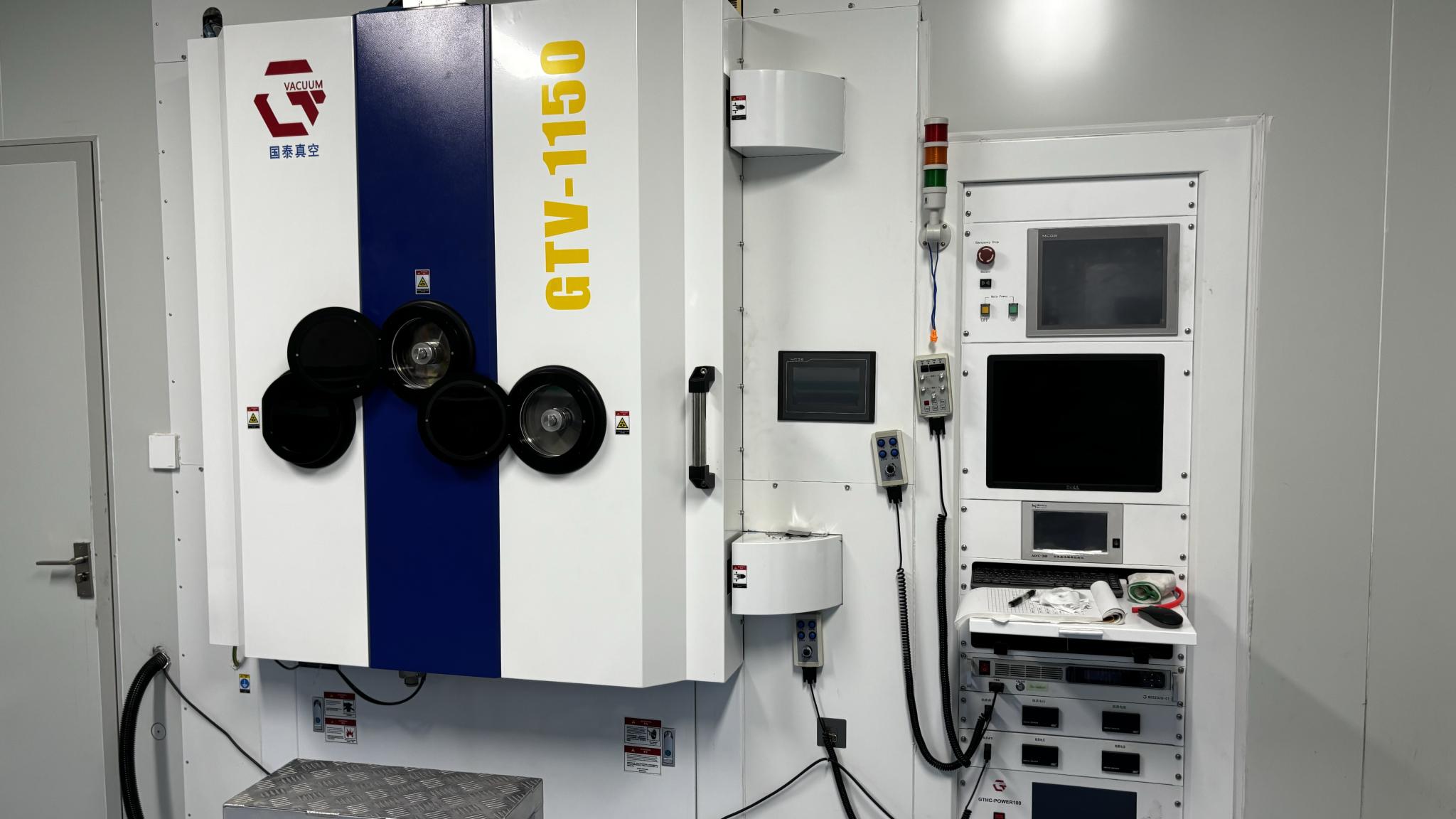
ISO 9001 and RoHS-compliant manufacturing yards ensuring strict quality control
Website: www.vornaxiscompute.com
Our engineering support services help technical teams deploy, balance, and maintain high-density compute racks. Contact our systems division for tailored advice on power distribution configurations.