Vornaxis
Vornaxis
Vornaxis
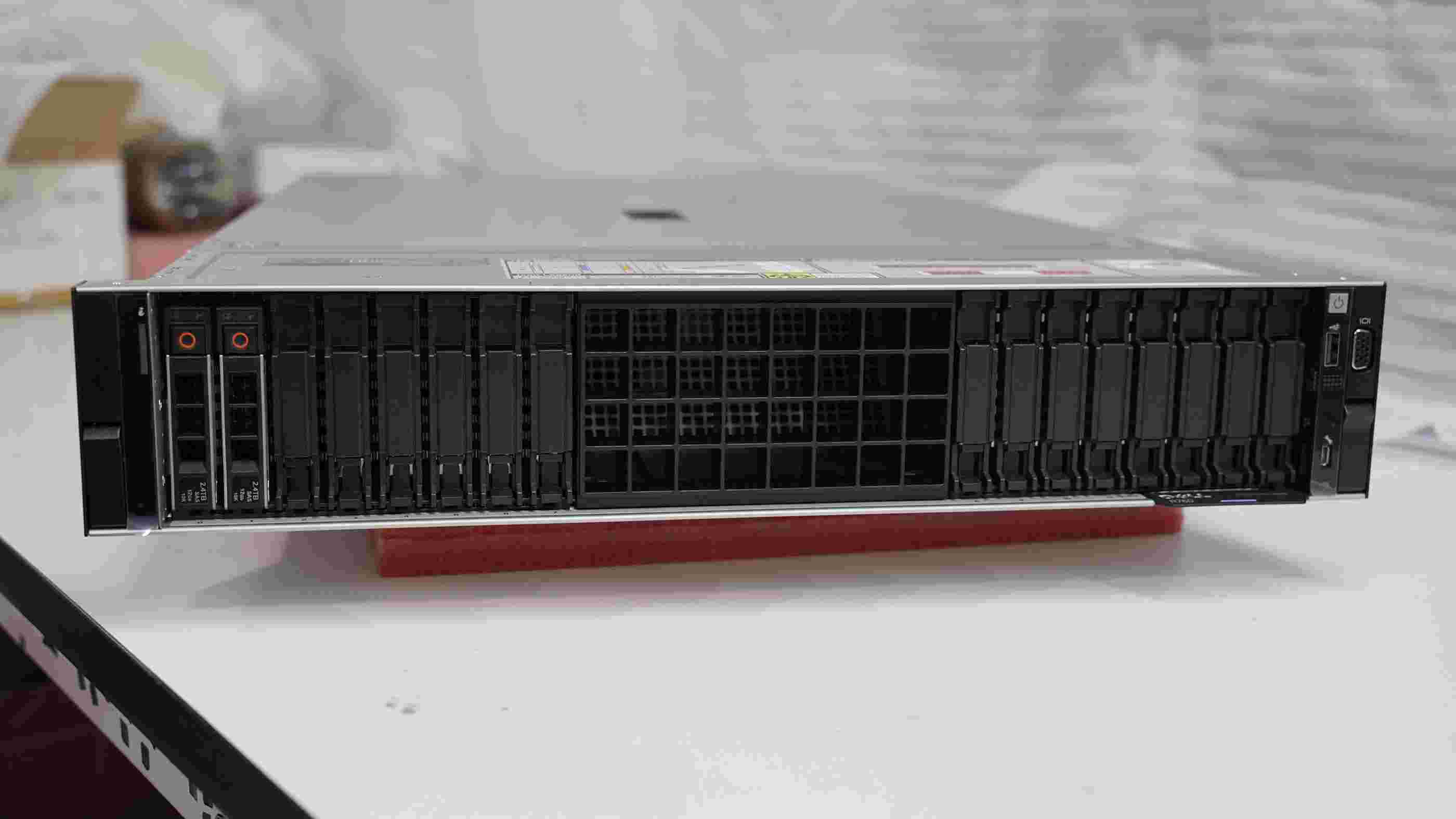
Engineered for mission-critical deployments, standard rack servers, high-density GPU accelerators, and high-performance server components.
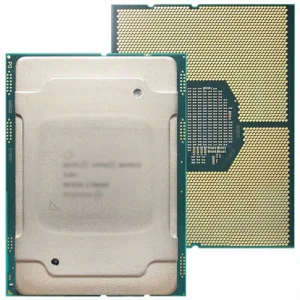
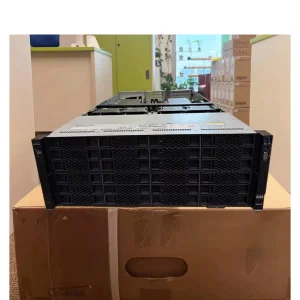
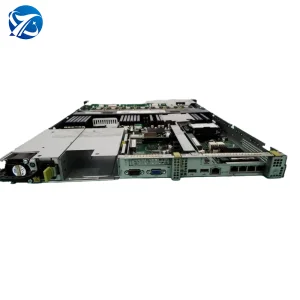
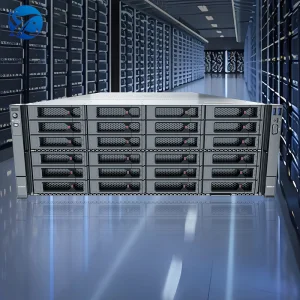
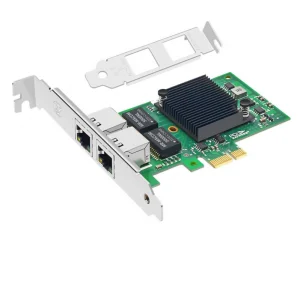
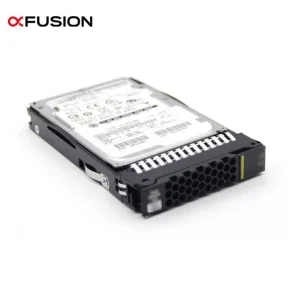
In the era of hyper-scale computing, large-scale deep learning models, and hybrid cloud infrastructures, the role of CE Certified Server Management Tools has transitioned from basic hardware monitoring to comprehensive autonomous systems orchestration. Vornaxis Compute Ltd. (Vornaxis) stands at the forefront of this evolution. We specialize in engineering and exporting enterprise-grade server infrastructure and specialized management components that conform strictly to European Economic Area (EEA) compliance standards.
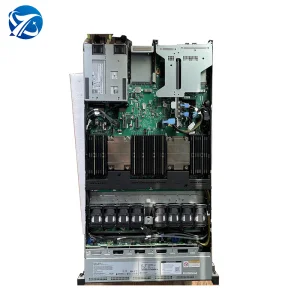
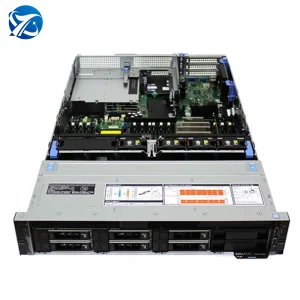
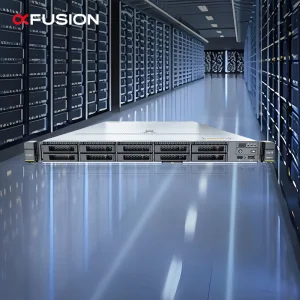
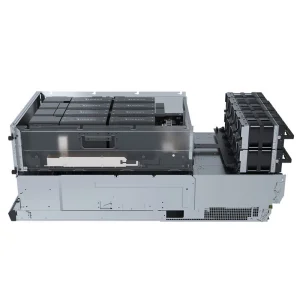
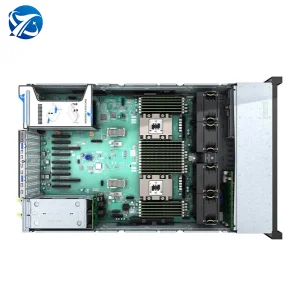
Our comprehensive portfolio includes advanced systems such as the FusionServer 5288 V7 4U AI Data Server, high-density processors (Xeon Gold series), and low-level subsystem interfaces like the XP270-M2 SAS3808 BootCard. These hardware suites enable global data centers to scale resource provisioning dynamically while preserving structural resilience and energy efficiency parameters dictated by global environmental directives.
High-performance AI GPU server manufacturing, custom liquid-cooling designs, and strict validation frameworks.
Modern server management systems must be built to withstand diverse physical and operational contexts. By aligning engineering standards with regional electrical grid patterns, ambient temperature bands, and data security mandates, Vornaxis provides hardware optimized for multiple localized scenarios:
The roadmap for Vornaxis compute systems is defined by two primary technological shifts: Autonomous Telemetry (AI-driven Predictive Maintenance) and High-Density Thermal Management.
As computing nodes consume more power, transition from air cooling to direct-to-chip liquid cooling represents a major focus. Our engineering division (comprising over 160 R&D personnel) is developing intelligent cooling loops integrated directly with our out-of-band management tools. The BMC firmware dynamically monitors CPU/GPU junction temperatures and coordinates coolant pump speed and fan curves, minimizing auxiliary power consumption.
Furthermore, our hardware roadmap transitions support to PCIe Gen 5.0 and Gen 6.0 interface architectures. This enables high-speed data interconnect pathways like the 9540-8i RAID Controller Card to supply ultra-low latency host interfaces for solid-state storage pools, catering to localized inference engines and real-time database transactions.
Strategically located in Shenzhen, Vornaxis leverages a network of over 850 global supply partners to deliver hardware efficiency and validation protocols.
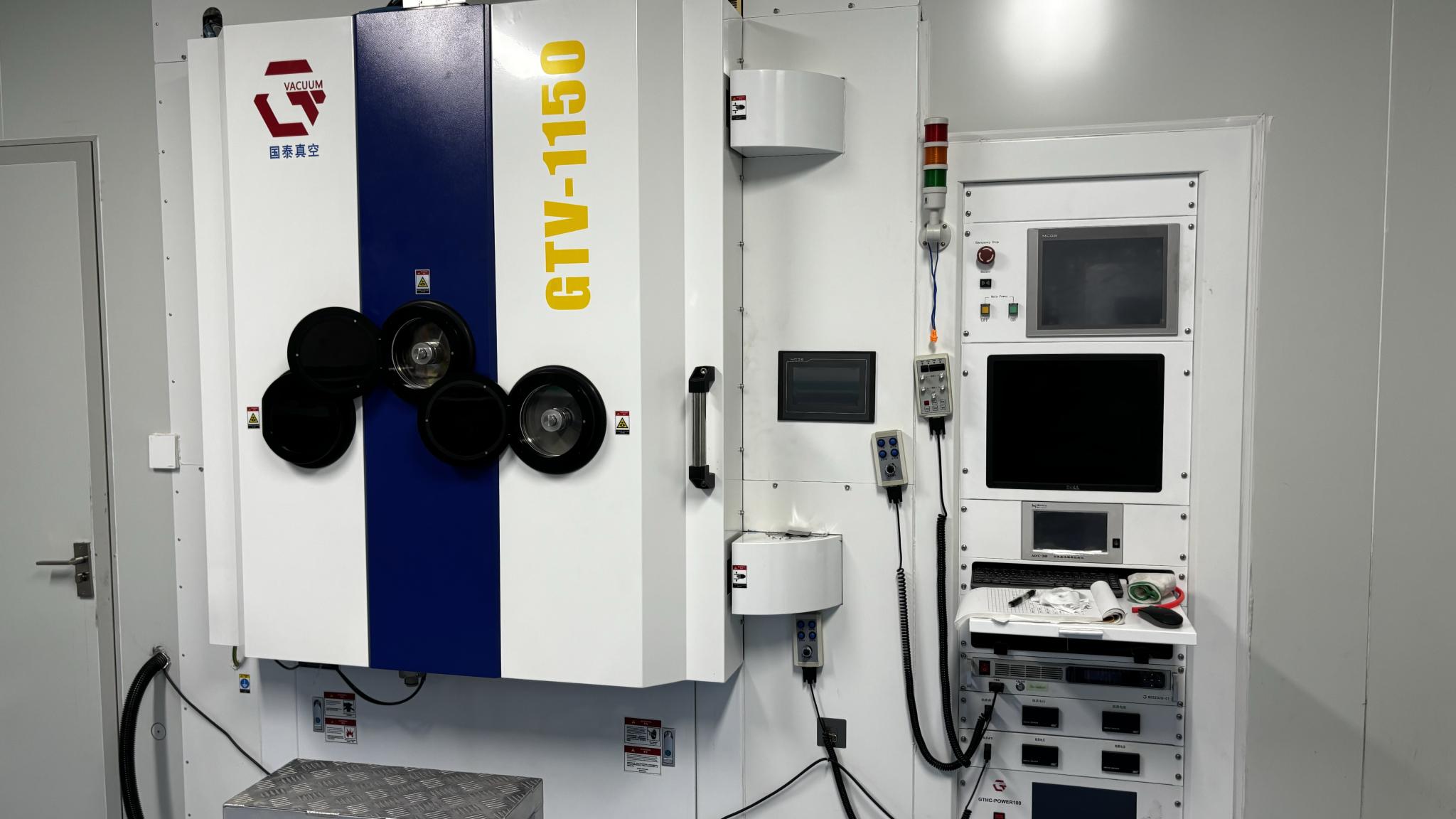
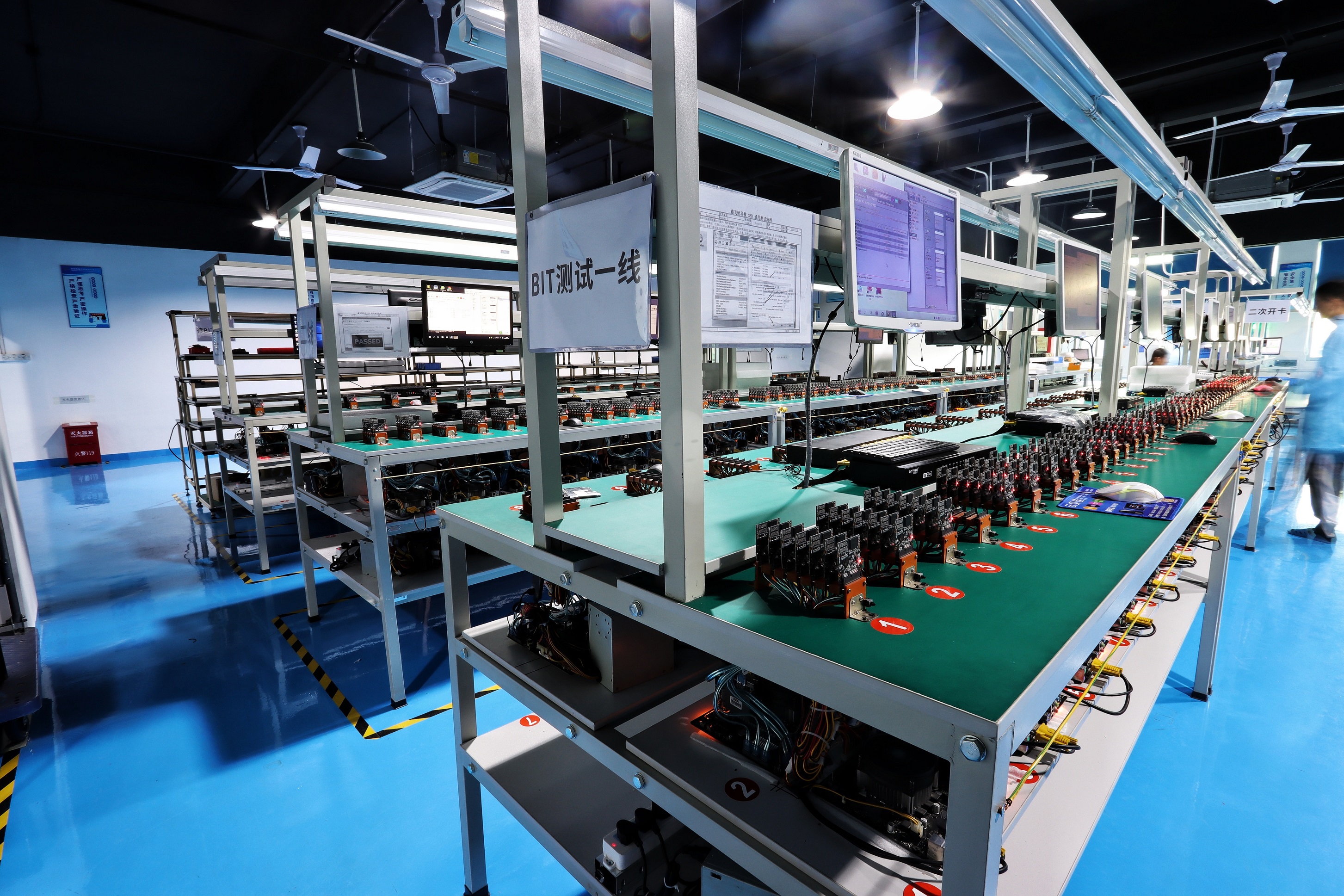
All server hardware components undergo AOI (Automated Optical Inspection), high-frequency signal integrity analysis, and full-system thermal cycle stress testing.
Direct access to leading chipsets, including DDR4 ECC RAM, SAS controllers, and high-conductivity thermal solutions, guarantees consistent manufacturing lead times.
Every configured GPU node and rack server undergoes a minimum of 72 hours of uninterrupted computational load validation prior to global shipping.

Securing CE Certification is not a mere bureaucratic check-box; it defines the structural safety, electromagnetic compatibility, and energy-use efficiency of the server management systems we export. Our designs undergo strict evaluation against core standards:
Complementing compliance is our localization support framework. Vornaxis maintains technical support portals, firmware update repositories, and field engineering networks to help system integrators troubleshoot IPMI firmware configurations, customize RAID arrays, and optimize storage parameters for various enterprise filesystems.
Expert answers on server configuration, out-of-band management, storage controller optimizations, and deployment standards.
A CE Certified server management tool refers to hardware (like BMC sub-cards, external IPMI bridges, and controller interface boards) and integrated firmware that satisfy the rigorous safety, health, and environmental protection standards of the European Economic Area (EEA). This includes compliance with the Low Voltage Directive (LVD) and Electromagnetic Compatibility (EMC) regulations, ensuring safety under continuous computational loads.
The XP270-M2 SAS3808 BootCard acts as a dedicated boot and low-level storage controller. Because it handles the primary OS drive array (supporting RAID 0, 1, and JBOD configurations) independently of the main data storage backplane, it allows network administrators to manage system boot sequences, apply low-level diagnostics, and repair system files remotely via edge-band channels, even if the primary data storage array fails.
Cooper Lake processors operating in high-density environments (such as 4-socket, 2U configurations in FusionServer 2488H series) generate significant heat. A custom 2U Cooper Heat Sink is engineered to maximize dissipation via a dense layout of copper heatpipes and fins, matching the exact airflow patterns of the chassis fan matrix to prevent thermal throttling under high AI workloads.
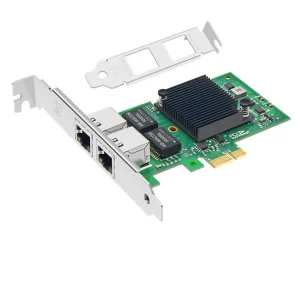
The 9540-8i controller card operates on a PCIe 4.0 x8 interface, providing 12Gb/s SAS and SATA data transfer speeds. It is designed to handle high-density SSD and HDD volumes with low latency. Operating without a cache module, it reduces latency and fits into servers where database clustering or soft-RAID configurations handle data consistency, ensuring high uptime and compatibility.
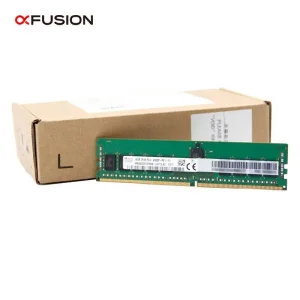
Registered DIMM (RDIMM) DDR4 ECC memory provides two critical layers of security for server memory sub-systems. "Registered" implies an onboard register chip that buffers command/address signals to stabilize electrical loads, while "ECC" (Error-Correcting Code) automatically detects and corrects single-bit memory errors, preventing system crashes and data corruption during long-running AI modeling operations.
Discover our comprehensive collection of rack servers, high-density AI nodes, storage adapters, and physical interconnects.