Vornaxis
Vornaxis
Vornaxis
The hardware foundation for cloud-based facial recognition databases, enterprise access management, and high-concurrency security systems.
A Whitepaper on the Computational Architecture, Supply Chains, and Technical Requirements of Global Security Infrastructures.
In today's highly volatile threat landscape, the convergence of physical security and cloud-native IT infrastructure has redefined the capabilities of modern Access Control Systems. Beyond traditional RFID readers and electromagnetic locks, enterprise environments now require real-time biometric validation, edge-computing video analytics, and unified policy management. For security system integrators, corporate data centers, and multi-tenant facility developers, choosing the right supplier and computational backbone is paramount to achieving structural resilience.
As a leading partner for enterprise infrastructure deployments, Vornaxis Compute Ltd. bridges the gap between field-level control devices and high-performance processing servers. By supplying the robust rack servers, hardware acceleration nodes, and high-speed data controllers, we empower facilities globally to implement secure, zero-latency physical authentication networks.
Moving beyond legacy, siloed credentials to dynamic biometric matching and real-time database validation at key checkpoints.
Authenticating credentials continuously through cryptographic handshakes and deep learning inference on edge server systems.
Ensuring system audit trails and transactional access records are replicated instantly using redundant RAID architectures.
How high-performance systems and backend infrastructure adapt to specific vertical demands.
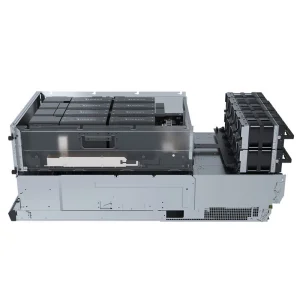
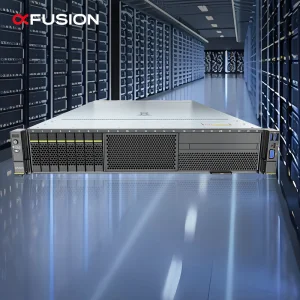
For facilities housing critical web, network, and computing hardware, entry systems must operate with zero room for error. The architecture utilizes biometric scanners connected to low-latency local area clusters. Multi-spectral facial recognition cameras at mantrap entry points process video streams in milliseconds via dedicated GPU workstations, such as the FusionServer G5500 V7. Security credentials must instantly cross-reference with central identity directories without causing pedestrian bottlenecks.
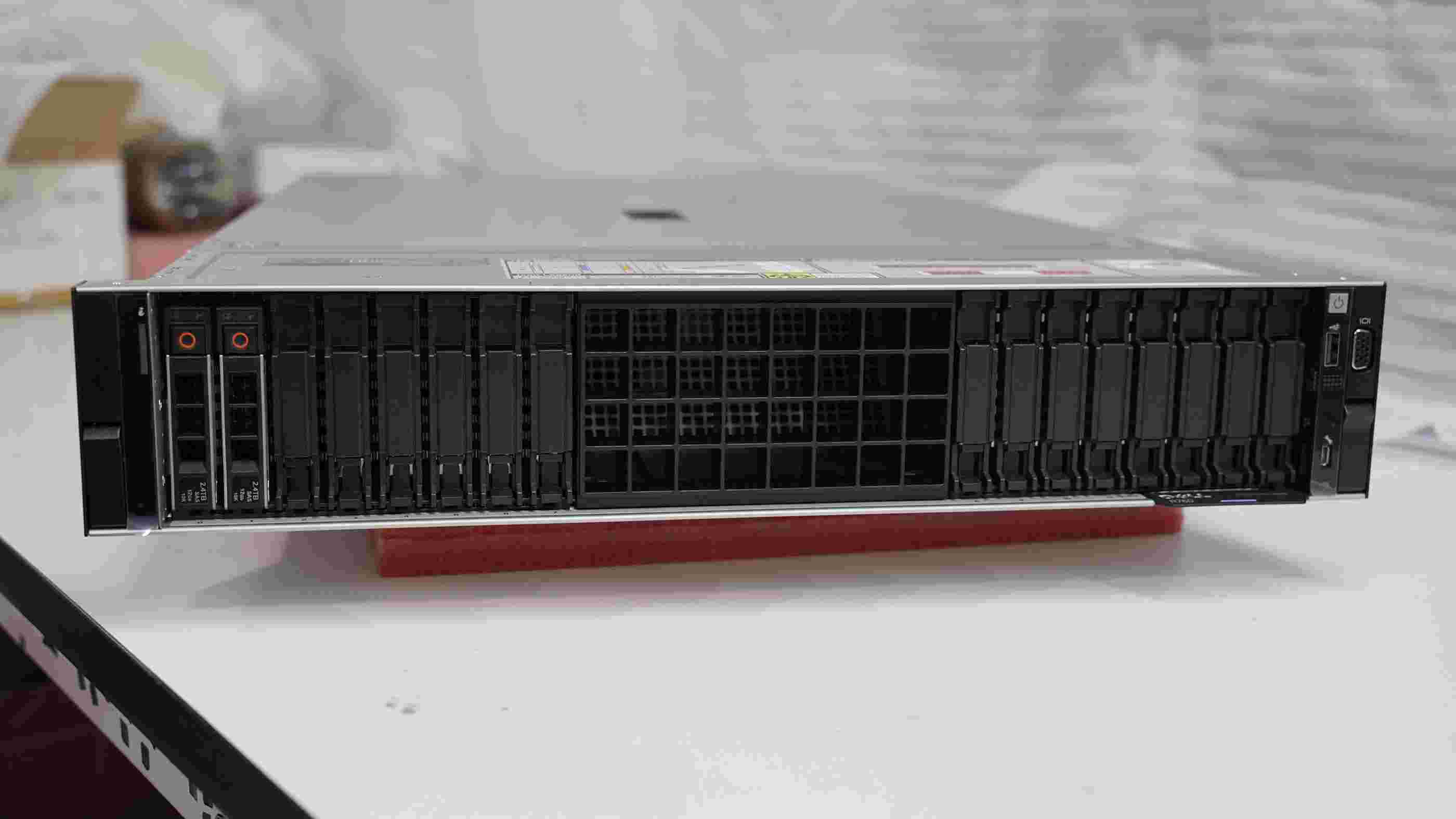
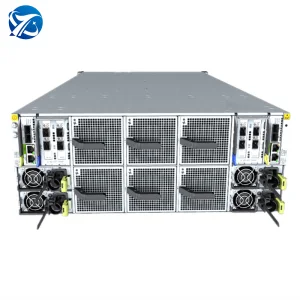
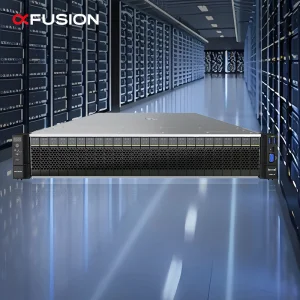
During morning rush hours, corporate turnstiles experience massive pedestrian volumes. To manage this peak concurrency, access controllers offload processing tasks to cloud-managed local server arrays. Infrastructure such as the xFusion Fusionserver 2288H V6 handles concurrent requests efficiently, preventing system lockouts and maintaining a smooth flow of traffic. The underlying servers run virtualized access controllers that communicate with readers using OSDP (Open Supervised Device Protocol) to ensure end-to-end data encryption.
Chemical plants, refineries, and mining facilities need strict area partitioning and personnel zoning. Access control must prevent untrained or unauthorized staff from stepping into hazard zones. Controllers are housed in NEMA-rated enclosures, linking back to high-durability storage networks that utilize RAID Controller Cards (e.g., LSI 9540-8i) to ensure that every ingress/egress log is permanently archived against environmental power disruptions.
Maintaining sterile spaces and securing high-value drug deposits requires contactless, highly granular authorization management. Biometric iris scanning and voice-guided credentials prevent contamination. Because patient privacy and medical compliance regulations (like HIPAA) are strict, the database systems hosting these credentials must utilize highly secured storage configurations, utilizing enterprise-grade server infrastructure to separate authorization logs from public networks.
Navigating the transition to decentralized edge AI, cloud-native deployments, and absolute cryptographic security.
Integration of Deep Learning Processing Units directly into physical controllers, shifting matching computation from central servers to the physical gateway.
Treating every gateway as a zero-trust network interface. Identity is continually evaluated, not just at initial door clearance, via security software engines.
Adoption of OSDP Secure Channel protocol, coupled with WPA3-enterprise access credentials, guarding communication lines against replay attacks.
By 2026, the volume of access transactions will grow exponentially as smart cities and automated facilities expand. Access systems must move from passive event reporting to predictive prevention. Through continuous processing of spatial patterns via AI-training server configurations, buildings will foresee security risks and automatically lock down high-value assets during external network disruptions. Hardware resilience at the local server rack layer is the defining element of this transformation.
Why sourcing your backend enterprise hardware from high-precision Chinese facilities guarantees operational continuity.
China's industrial manufacturing ecosystem offers unmatched advantages for global enterprise computing hardware procurement. With a comprehensive industrial chain for electronic component processing, mechanical sheet metal fabrication, and circuit assembly, production schedules remain resilient despite global logistics volatility.
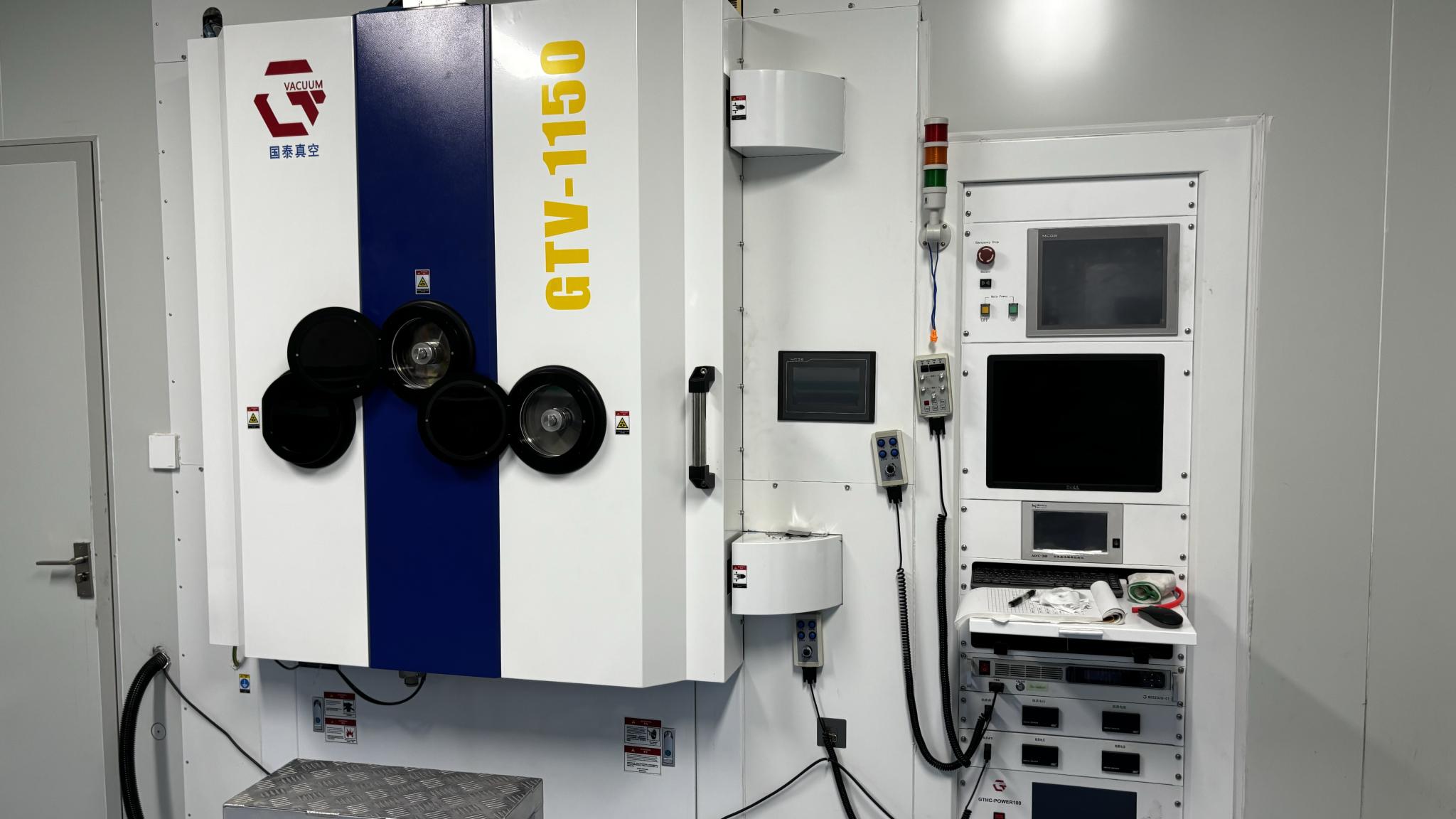
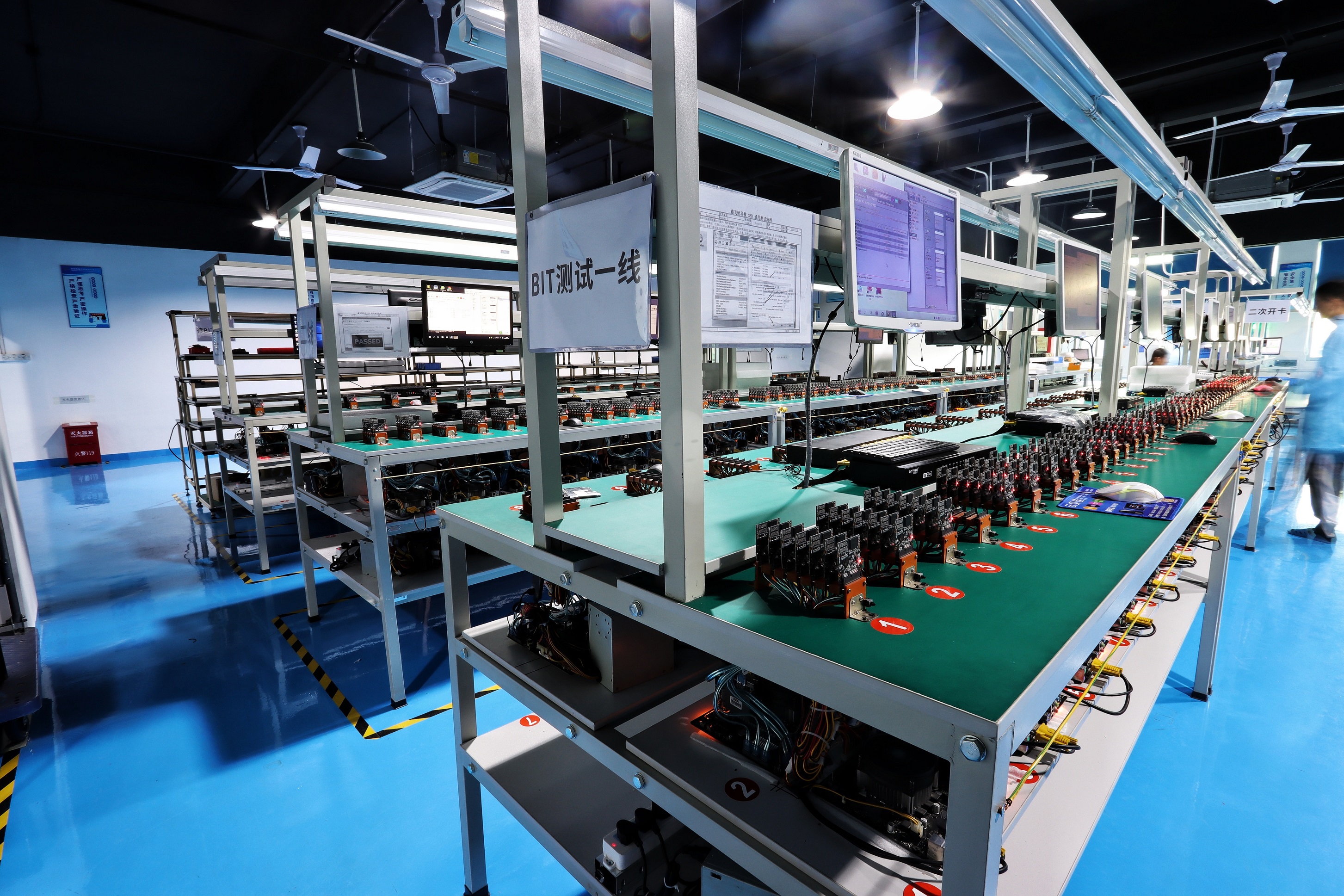
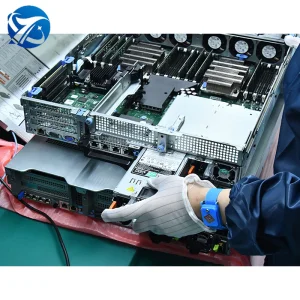
At Vornaxis Compute Ltd., our infrastructure development relies on highly structured quality checks and testing pipelines. Spanning an engineered 320 m² operational and assembly area, our facility employs strict process control protocols. Every platform, from storage arrays to network controller components, undergoes a battery of quality verification procedures before shipping.
"Quality is not an afterthought; it is validated in our DNA."
- Quality Assurance Operations Manager, Vornaxis
| Production & Quality Criteria | Implementation Standard |
|---|---|
| Quality Certifications | ISO 9001 System Certified, RoHS Compliant |
| Core Testing Protocols | AOI (Automated Optical Inspection), Functional, Thermal Stress Testing |
| Burn-in Validation | 100% full system workload stress validation before export packing |
| Engineering Staff | 160 Dedicated R&D and Integration Engineers |
| QC Control Staff | 45 Professionals on-site |
Aligning advanced hardware architecture with localized compliance and international regulations.
Exporting to major technology hubs across North America, Europe, Southeast Asia, and the Middle East, with 6 years of direct export operations.
Assisting system integrators in meeting critical standards, including GDPR for data privacy, FCC/CE for electromagnetic emissions, and NDAA sourcing compliance.
Offering system-level customization, custom logo integration, specific firmware settings, and unique chassis dimensions to fit legacy cabinets.
Ensuring zero security gaps requires reliable hardware partners. Whether deploying on-premise data vaults or scaling public security networks, our infrastructure platforms offer the compute density, redundancy, and efficiency required for uninterrupted 24/7 protection.
Technical answers to architectural and integration queries regarding access control backend systems.
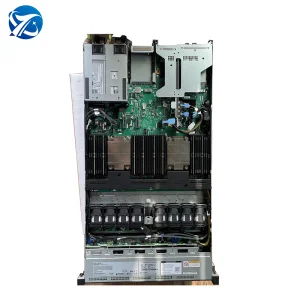
Industrial-grade components built to secure, log, and process enterprise data at scale.
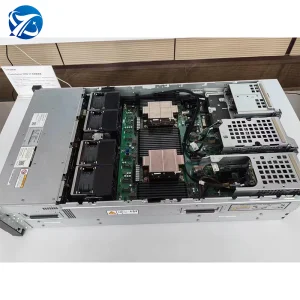
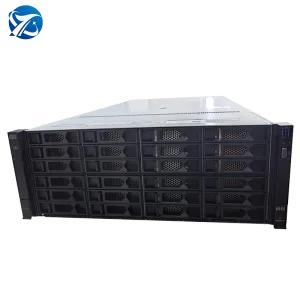
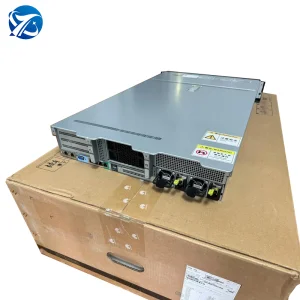
Enterprise IT Hardware Manufacturer & Hardware Solutions Partner
Vornaxis Compute Ltd. is a professional AI GPU server manufacturer specializing in high-performance computing infrastructure, GPU cluster systems, and enterprise-grade AI hardware solutions for global data center deployments.
With over 12 years of industry experience and 6 years of direct export operations, we serve system integrators, data center operators, and physical security suppliers across Europe, North America, and the Middle East, delivering high-durability infrastructure platforms.
Website: www.vornaxiscompute.com