Vornaxis
Vornaxis
Vornaxis
Engineered to handle complex neural architectures, petabyte-scale datasets, and sub-millisecond network transactions.
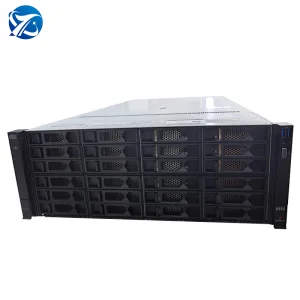

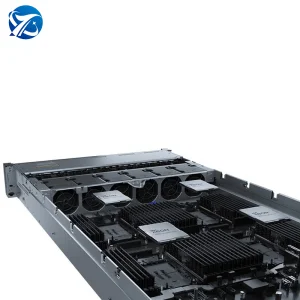

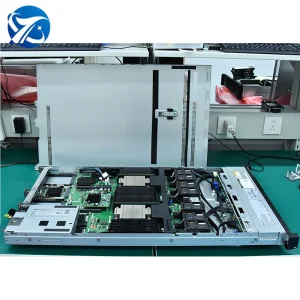
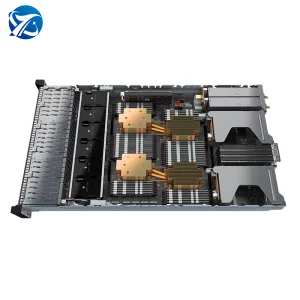

Moving beyond standard multi-core CPUs, the rapid scale of generative artificial intelligence demands specialized silicon, highly optimized PCIe topology, and massive memory bandwidth.
The global computational landscape is undergoing a massive structural transformation. Large Language Models (LLMs) like DeepSeek R1, GPT-4 variants, and custom enterprise diffusion architectures require hardware that minimizes data serialization latency. Traditional general-purpose rackmount servers are no longer sufficient to run training runs or low-latency massive batch inferences.
Modern AI Workstations and GPU servers are designed with massive parallel processing capacities. Built to host up to 8 or 16 multi-linked GPUs through high-speed fabric interfaces like NVLink or custom PCIe switches, these workstations bypass CPU communication bottlenecks. This architectural evolution ensures sustained tensor operations, enabling researchers and enterprise developers to run training algorithms and real-time inference without memory starvation.
Furthermore, memory infrastructure is critical. With enterprise networks moving towards DDR5 and HBM3 technologies, having access to memory channels that operate at peak transfer rates of several terabytes per second is a strict operational mandate. Enterprises looking for suppliers are no longer just comparing price per GPU; they are evaluating systemic thermal capacity, board-level signal integrity, and the physical power delivery systems that sustain long compute runs.
Enterprise procurement teams look beyond individual specifications, demanding reliability, modular scalability, and localized software compatibility.
AI compute cycles run at maximum thermal thresholds. High-efficiency power supplies (CRPS 80+ Titanium) and state-of-the-art liquid cooling systems are crucial to prevent thermal throttling and ensure uninterrupted performance.
Whether you require single-root, dual-root, or direct-connect mesh topologies, procurement teams need designs that minimize CPU-to-GPU overhead and match their specific software compilers and clustering systems.
Hardware must hold international safety, EMI, and environmental certifications (ISO 9001, CE, FCC, RoHS). Stringent system stress testing and burn-in validation are non-negotiable requirements before final deployment.
From component level sourcing to final cluster rack integration, China's hardware manufacturing ecosystem offers unmatched speed, scale, and supply chain redundancy.
At the center of the global hardware market, China's modern technology parks have evolved into high-efficiency industrial ecosystems. By grouping component manufacturers, PCB layout hubs, thermal block engineers, and software firmware developers together, production timelines are significantly reduced.
This geographic concentration allows manufacturers like Vornaxis Compute Ltd. to source, prototype, test, and ship customized computing architectures faster than overseas competitors. When dynamic changes to hardware configurations are needed (e.g. customized PCIe lane routing or optimized liquid-cooling pipes), engineers can adjust and manufacture them in days rather than weeks.
In addition, domestic raw material sourcing and direct ties to memory and controller fabs secure a steady supply chain. Even during global parts shortages, these tight partner integrations ensure that manufacturing and system testing continue without delays.
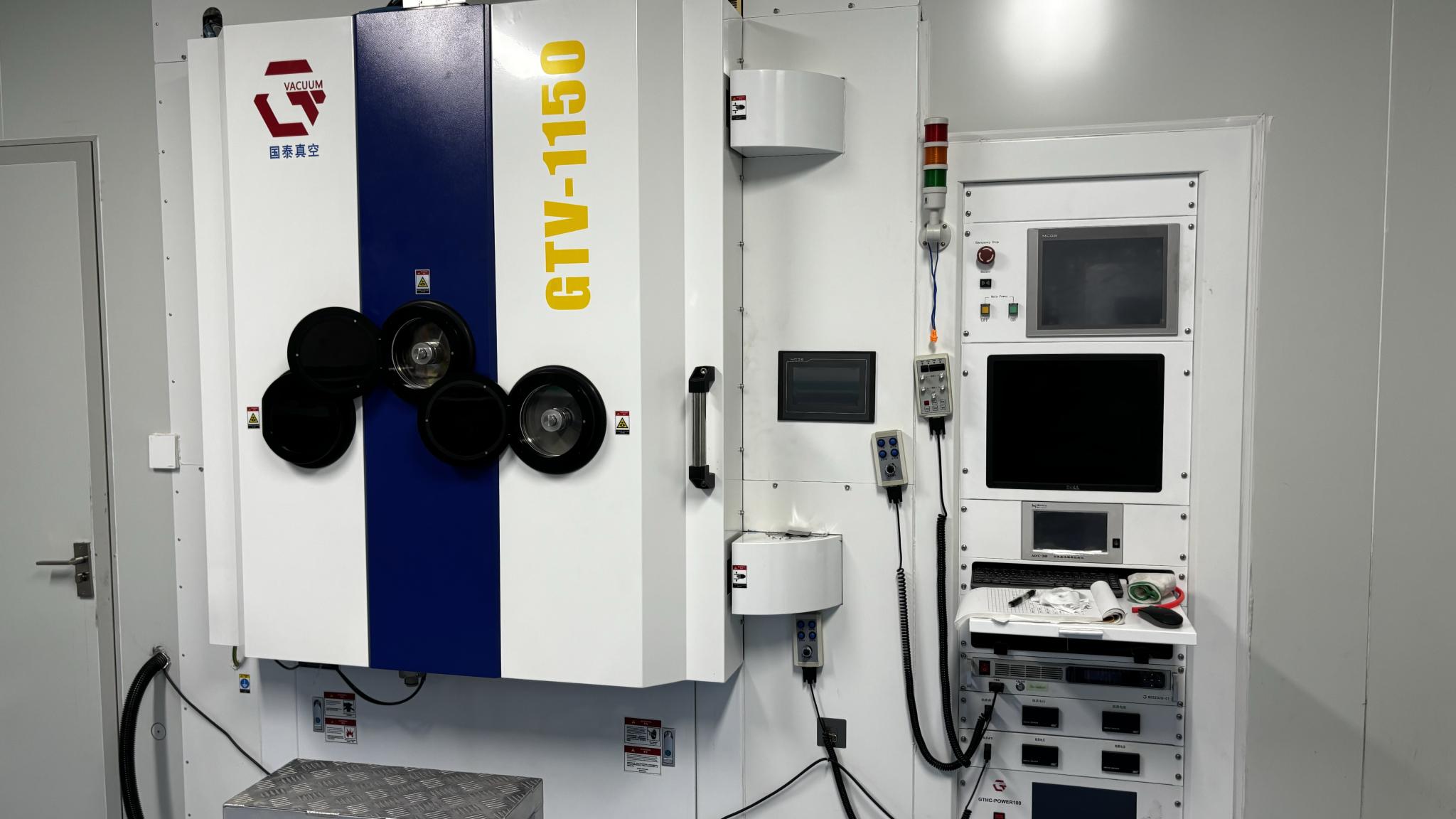
Our quality control processes utilize advanced AOI (Automated Optical Inspection), mechanical vibration stress tests, and automated thermal cycling chambers. This systematic validation ensures that every server chassis leaving the floor is ready to handle years of high-performance computation under demanding environments.
Established in 2016, Vornaxis designs and manufactures high-performance computing hardware, multi-GPU clusters, and industrial AI server platforms for data centers globally.
Vornaxis Compute Ltd. (Vornaxis) is an OEM/ODM manufacturer focused on high-density computational systems. With 12 years of industry experience and 6 years of export history, we have built a reputation for designing reliable, high-performance hardware for customers in North America, Europe, Southeast Asia, and the Middle East.
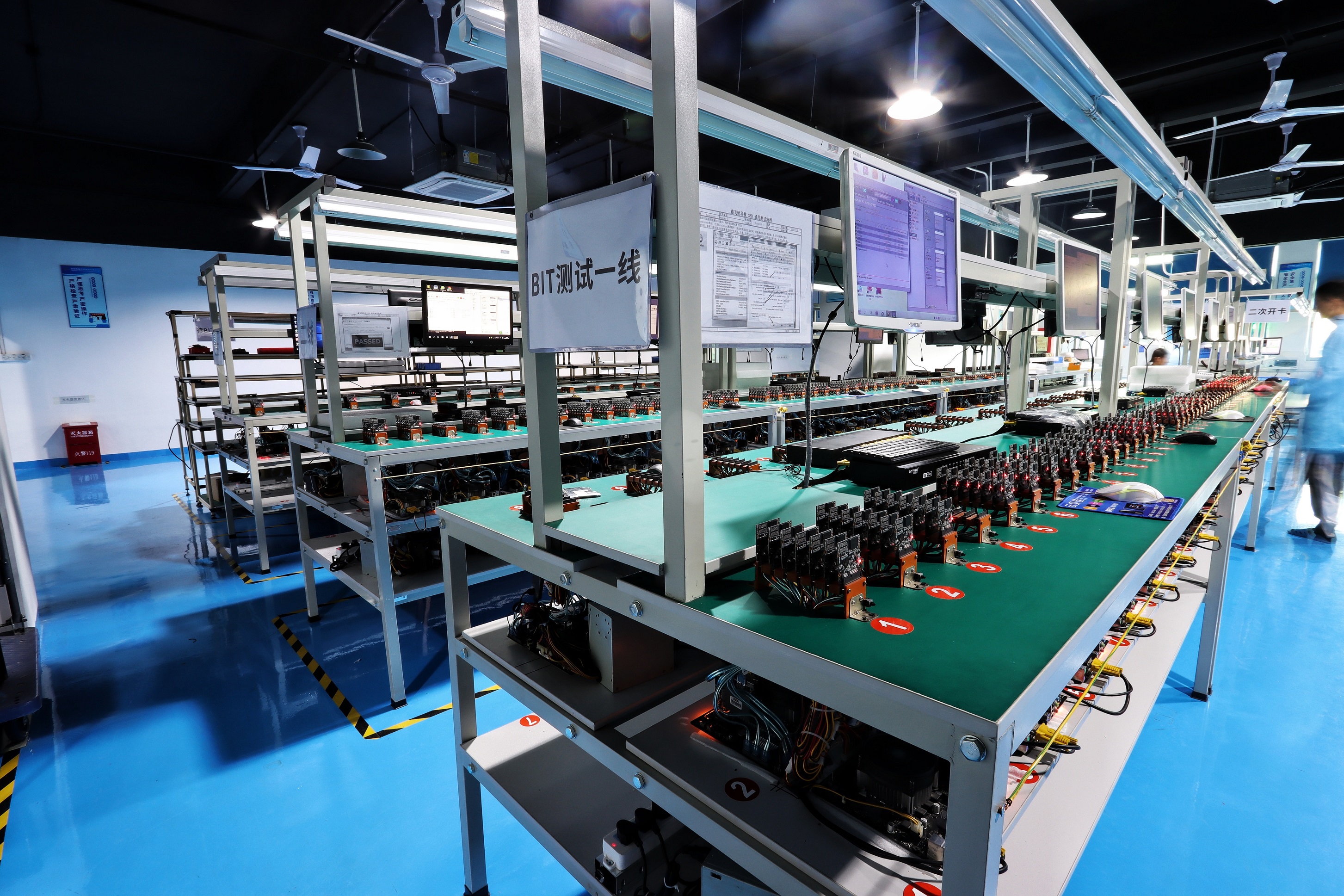
Operating a specialized 320 m² verification and burn-in facility, our processes focus on rigorous validation rather than volume assembly. With a specialized team of 160 R&D engineers, Vornaxis launched 120 new products and system iterations last year. This agile design process keeps our platforms compatible with the latest PCIe standards, memory configurations, and GPU hardware.
Our production quality is backed by 45 Quality Control professionals who oversee our ISO 9001 certified and RoHS compliant assembly lines. This dedication to quality has helped us reach USD 18.6 million in annual export revenue, making Vornaxis a trusted partner for cloud service providers, research labs, and system integrators worldwide.
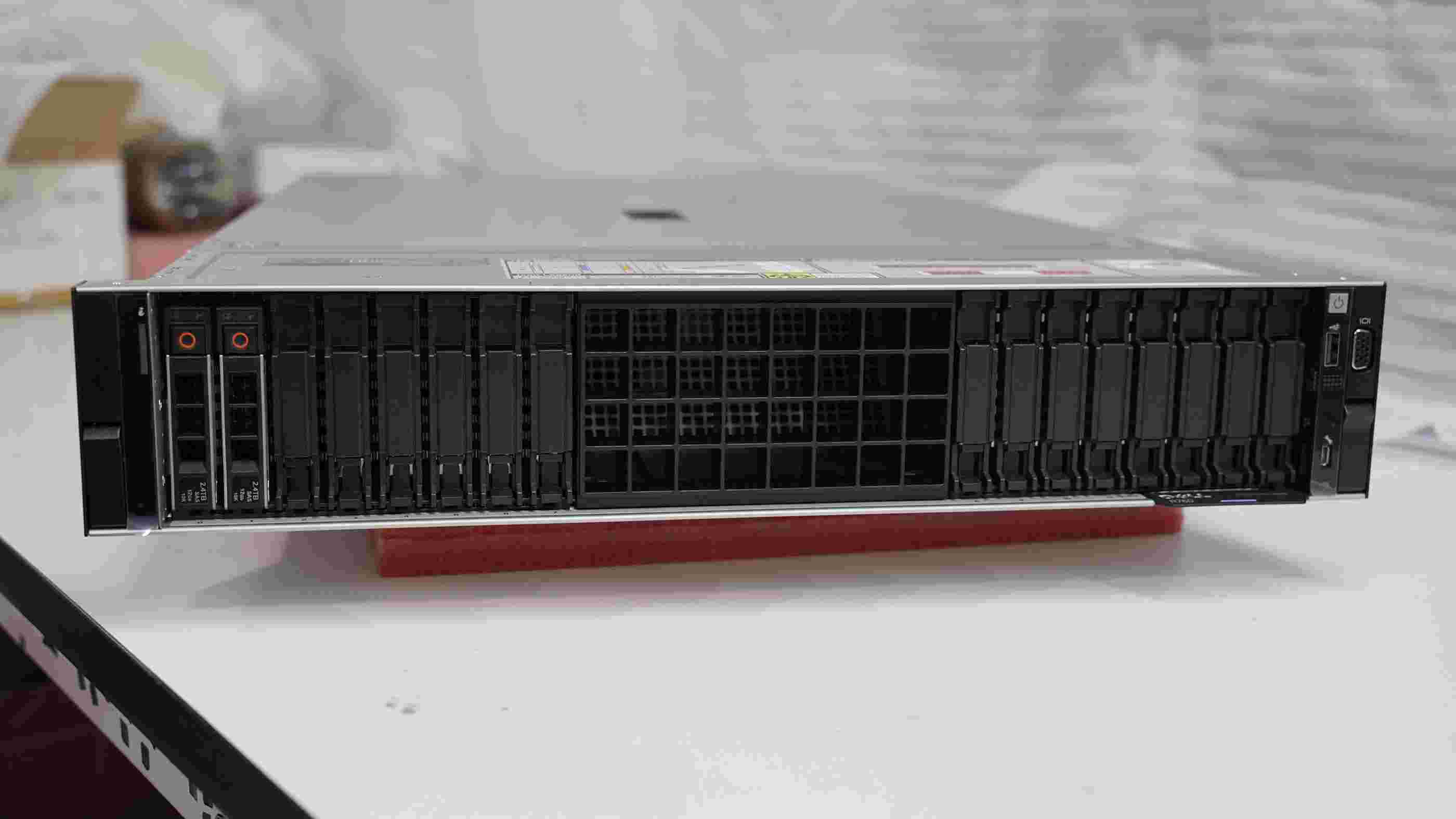

Our server hardware designs are optimized for challenging and complex compute scenarios across diverse enterprise landscapes.
Optimized for processing billions of parameters. Our hardware supports DeepSeek R1 models, containerized deep learning networks, and large-scale natural language processing pipelines.
Speed up genomic sequencing and molecular modeling runs. Our workstations handle large unstructured datasets, providing the throughput required for bioinformatics applications.
Process real-time video analytics, high-speed neural decoding, and industrial automation algorithms on site. Built for high-efficiency edge AI deployments.
Learn about production lead times, hardware configurations, compatibility standards, and export logistics for enterprise computing systems.
Every system undergoes automated optical inspection (AOI) to verify board level routing, followed by a minimum of 72 hours of full load burn-in validation. Systems undergo thermal cycling to test dynamic fan curve responses and automated stress tests to verify card slot and memory path stability under continuous workload conditions.
Our team of 160 engineers provides customizable solutions, including custom chassis metalwork, liquid cooling layouts, tailored BIOS configurations, IPMI base management profiles, and specific PCIe lane slotting to support various GPU accelerators.
For standard configurations, shipping occurs within 7 to 14 working days. Custom engineering requests, including structural design modifications or specific liquid block designs, typically require 3 to 5 weeks from initial layout design approvals to delivery.
We verify our systems against standard Linux platforms (RedHat, Ubuntu Server, Rocky Linux), container systems like Docker and Kubernetes, and AI frameworks including PyTorch, TensorFlow, and DeepSeek R1 models.
Explore our high-performance computational hardware designed for enterprise server deployments and data centers.
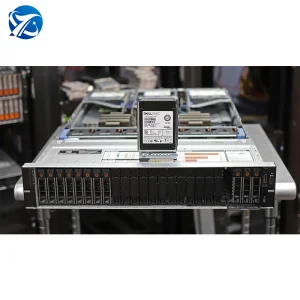
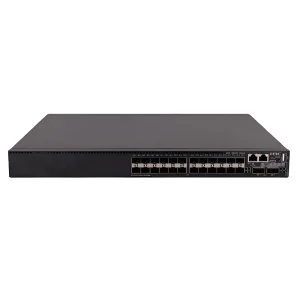

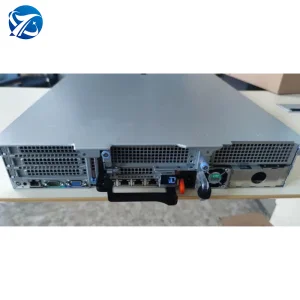
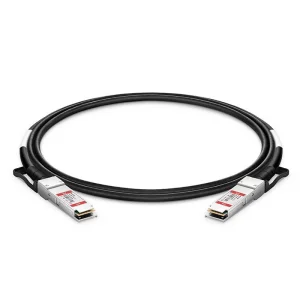
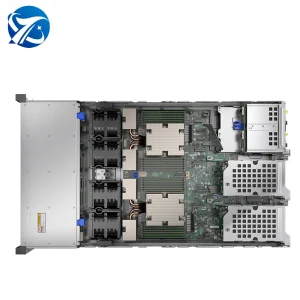
Review our hardware parameters, thermal models, and customize rack configurations.
Vornaxis Compute Ltd. (Vornaxis)
Website: www.vornaxiscompute.com