Vornaxis
Vornaxis
Vornaxis
Explore our premium select line of rack-mount enterprise platforms, modular server systems, and professional-grade high-capacity storage modules optimized for heavy-load operations.
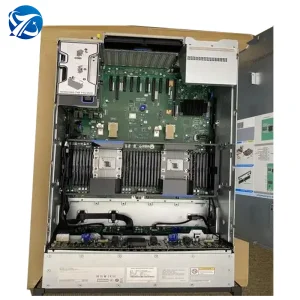
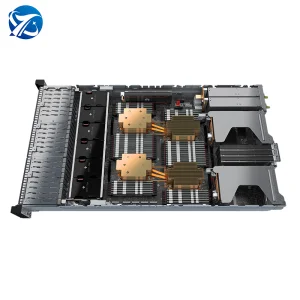
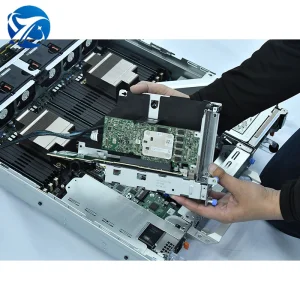
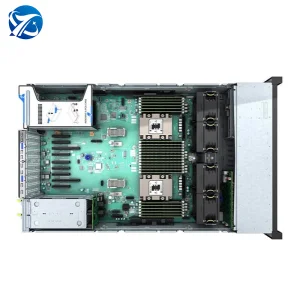
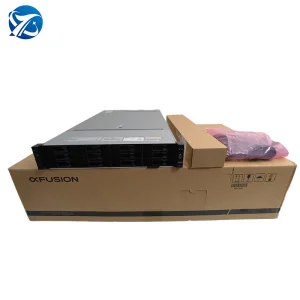
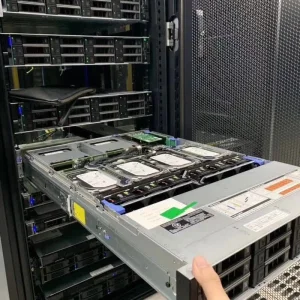
A trusted global tier-1 original design manufacturer and systems developer specialized in customized rack-level deployments, fluid dynamics cooling systems, and massive high-density GPU orchestration clusters.
Vornaxis Compute Ltd. (Vornaxis) is an industry-leading designer and fabricator of premium AI hardware, hybrid cloud frameworks, and GPU-centric clusters. We partner with elite cloud farms, high-frequency trading groups, and research laboratories to build custom server builds engineered for low latency, optimal workload distribution, and supreme cooling efficiency.
Website: www.vornaxiscompute.com
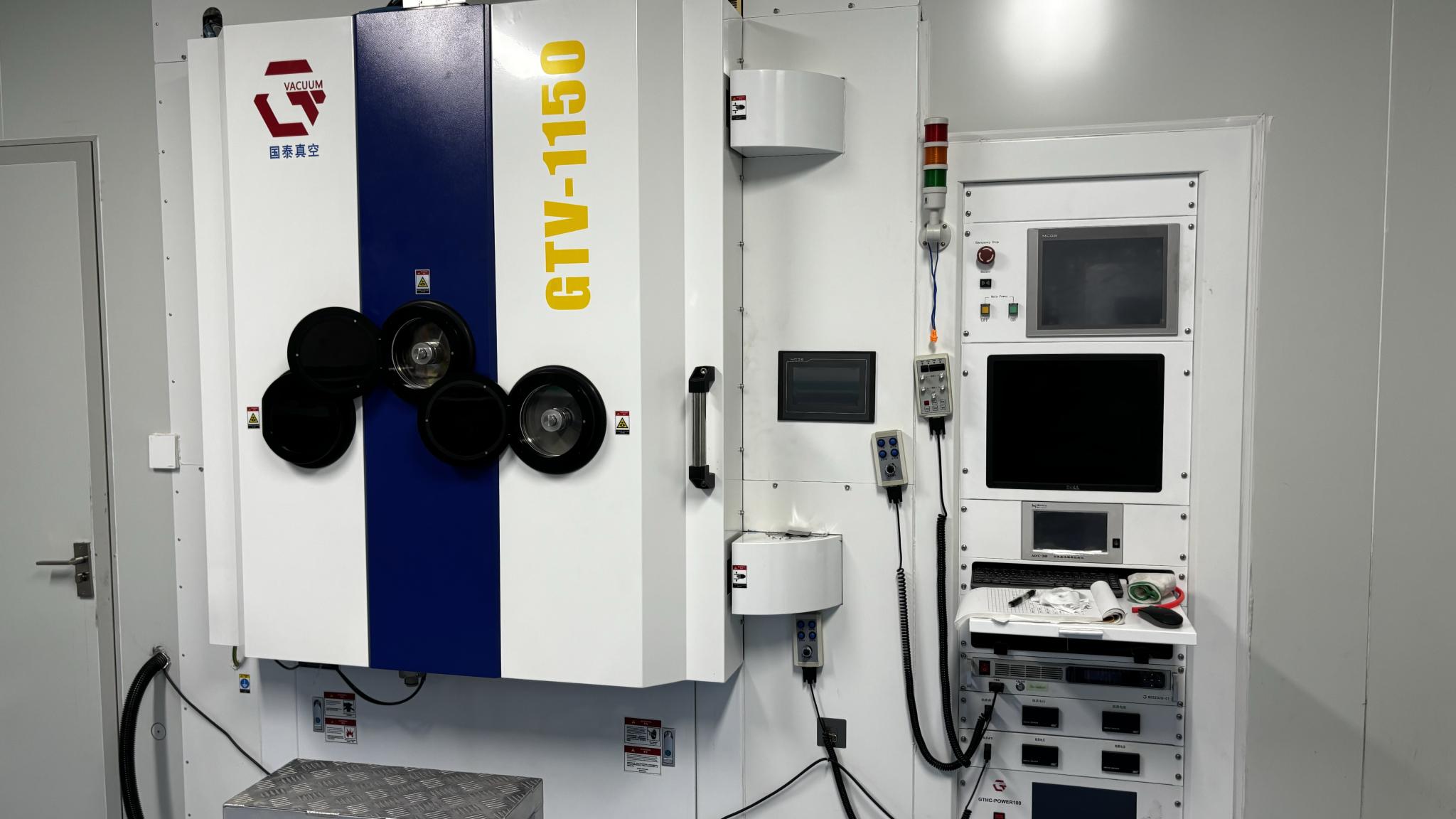
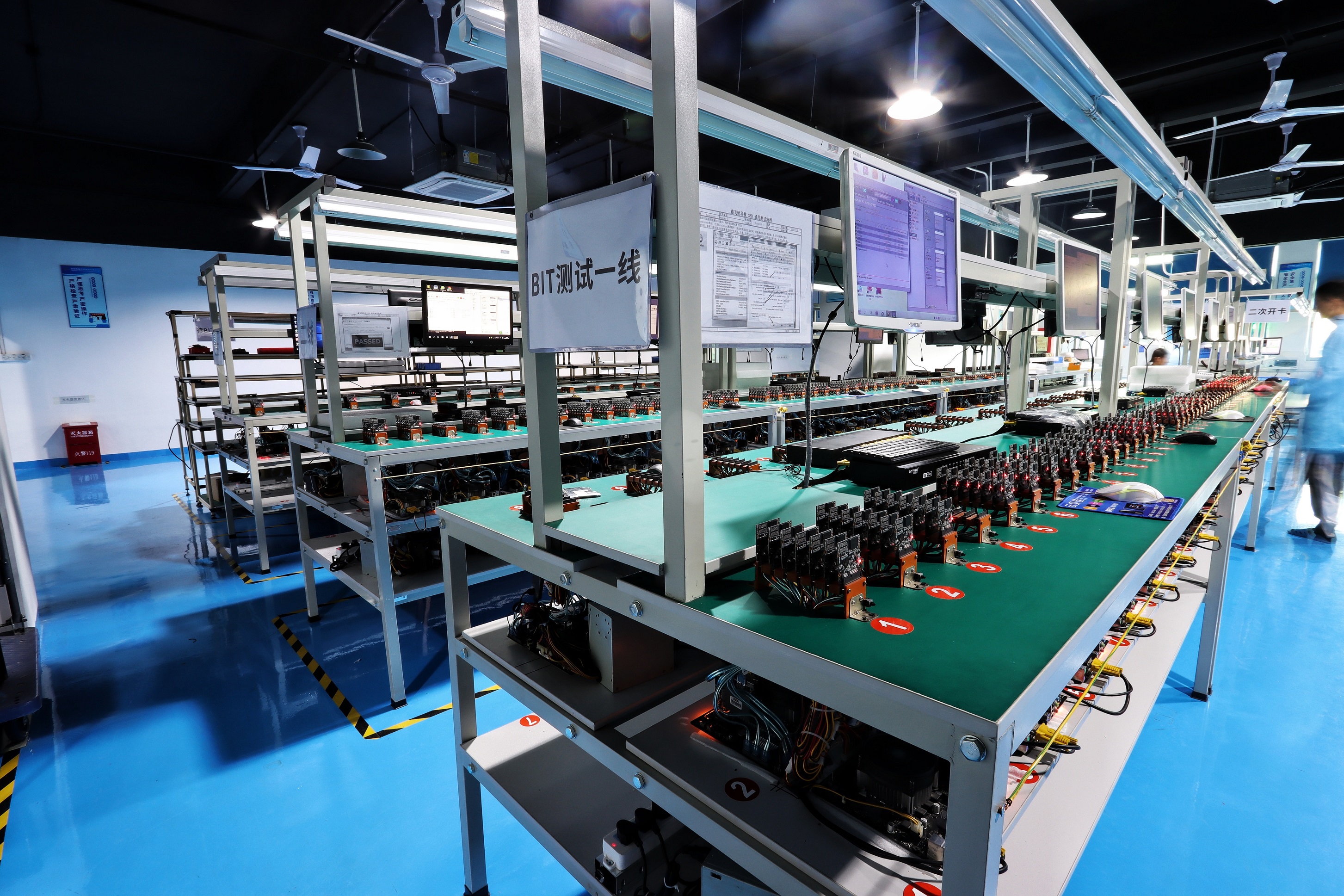
Quality represents the core of our technical roadmap. We operate under stringent ISO 9001 quality architectures and guarantee compliance with RoHS requirements. Every unit leaving our production line undergoes rigorous automated optical inspection (AOI), full-system environmental burn-in verification under complex loads, and localized thermal shock testing to ensure years of failure-free runtime.
We provide full customization starting from custom BIOS configurations to unique server topologies. With 160 experienced computer scientists and electrical engineers, we design and produce tailored configurations, high-density PCIe layout interfaces, and state-of-the-art closed-loop liquid and hybrid cooling mechanics designed to solve demanding cooling and power-density challenges.
A deep exploration into the technology paradigms, systemic shifts, and architectural requirements defining V5 and subsequent high-compute hardware platforms.
The enterprise data computing landscape has evolved past simple serial performance scaling. As compute loads migrate toward deep neural networks (DNNs), large language models (LLMs), and highly multi-threaded cloud hosting systems, server layouts have adapted fundamentally. The introduction of V5 server technologies represented a core shift, delivering native multi-socket scalability (ranging from 2-socket to 4-socket configurations) and significant advancements in PCIe routing topologies.
By optimizing high-speed UPI (Ultra Path Interconnect) lanes, V5 innovations minimized inter-processor latency. This optimization ensured that data flow between CPU socket layouts and fast system memory remained unimpeded. Additionally, these configurations introduced refined power distribution models, allowing power supplies (such as 900W, 1500W, and 2000W redundant PSUs) to deliver steady, ultra-clean power to heavy-draw accelerators like high-performance GPUs and fast NVMe storage arrays. This physical layer optimization laid the architectural blueprint for modern processing nodes, leading directly to the current V6 and V7 processing structures.
Modern procurement officers in enterprise cloud services, high-frequency trading groups, and research laboratories evaluate equipment options based on Total Cost of Ownership (TCO) relative to performance density. While next-generation compute technologies (like V7 platforms) offer unparalleled processing power, V5 and V6 innovations represent highly cost-effective solutions for virtualization, cloud hosting, enterprise database systems, and moderate deep-learning training workloads.
Key procurement requirements focus on compatibility, power efficiency, and product supply longevity. Buyers require highly reliable supply partners capable of delivering custom system bios revisions, customized server enclosures, and drop-in compatibility with existing data center cooling structures. Systemic longevity is directly tied to build quality. By sourcing hardware that features premium Japanese capacitors, active hot-swappable cooling modules, and high-efficiency platinum-certified PSUs, operators can significantly extend system replacement cycles and maximize their compute return on investment.
The manufacturing capabilities of China’s leading hardware hubs have expanded past basic contract assembly. Through the integration of Industry 4.0 technologies, modern production centers feature fully digitized, trace-monitored manufacturing processes. This infrastructure is underpinned by a dense network of more than 850 partner vendors, securing rapid sourcing of essential components including semiconductors, multi-layer PCBs, precision sheet metal enclosures, and advanced cooling parts.
Vornaxis Compute Ltd. leverages this ecosystem to combine fast prototyping with industrial-grade manufacturing. Our verification protocol requires that every rack platform, like the 2488H V5 or 2288H V6, undergoes rigorous diagnostic testing. We employ high-resolution Automated Optical Inspection (AOI) to verify solder joint integrity, alongside functional circuit testing to confirm bus speeds. Systems then undergo extensive thermal chamber burn-in and cycling tests, ensuring that all components maintain structural and operational integrity under continuous peak thermal loads.
Standard off-the-shelf server configurations often fail to meet the performance criteria of complex compute workloads. True enterprise hardware capability relies on targeted engineering customizations at the firmware, structural, and electrical levels. Vornaxis addresses this market demand with dedicated customized configurations:
Modern compute hardware requires specialized physical architectures depending on its deployment environment. In high-frequency trading environments, processing nodes are configured with high-frequency CPU cores, low-latency network cards, and customized BIOS settings to minimize transaction latency. In contrast, cloud data centers prioritize virtualization density, utilizing multi-socket platforms (like the FusionServer 2488H V6) to run hundreds of virtual machines from a single chassis.
For AI training and inference, systems utilize hybrid GPU-CPU architectures. These platforms require high-airflow cooling systems and robust structural support to handle heavy accelerators. Additionally, remote edge deployments utilize shorter-depth, ruggedized server enclosures. These systems feature washable dust filters, enhanced structural reinforcement, and wide-temperature power modules to ensure continuous operation in harsh industrial environments.
Get answers to common technical, engineering, and manufacturing questions about our server systems and components.
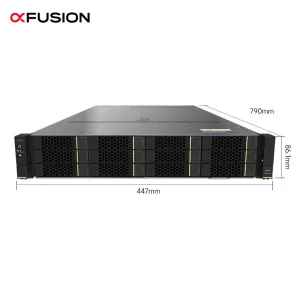
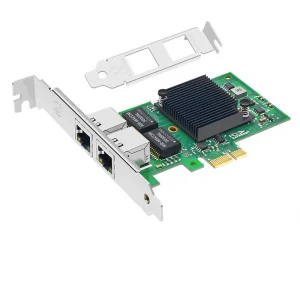
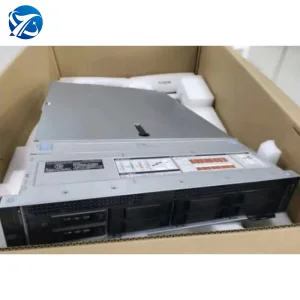
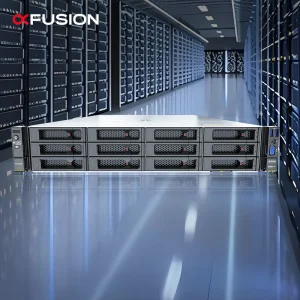
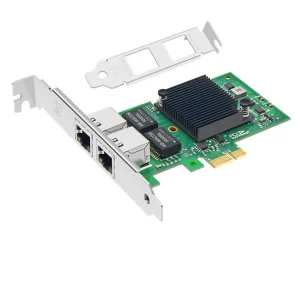
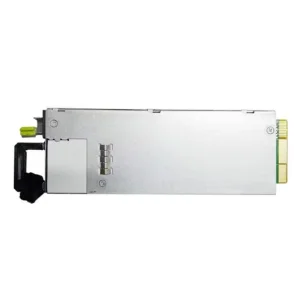
Browse our selection of rack servers, high-density computing platforms, RAID controller cards, and modular power systems designed for mission-critical deployments.
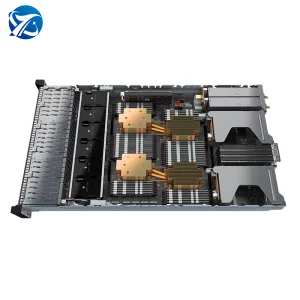
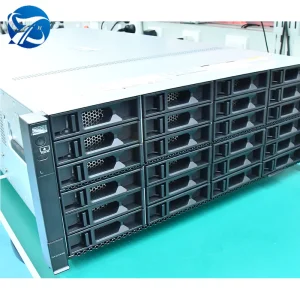
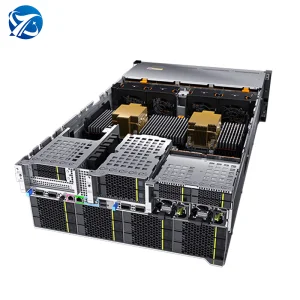
A transparent look inside our design processes, hardware testing areas, clean-room assembly benches, and quality control departments.