Vornaxis
Vornaxis
Vornaxis
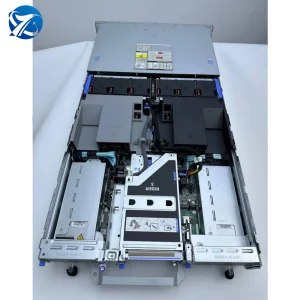
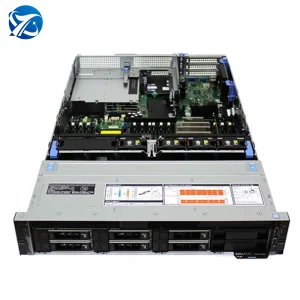
Deploy high-performance rack servers engineered for high-concurrency environments, cloud storage frameworks, and DeepSeek AI execution.
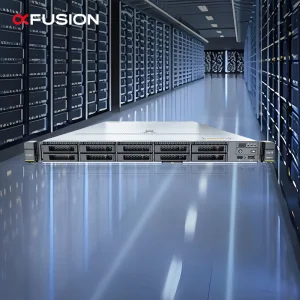
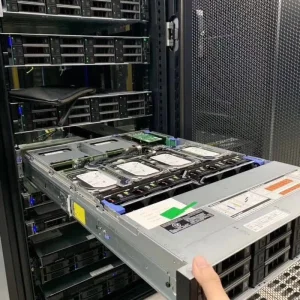
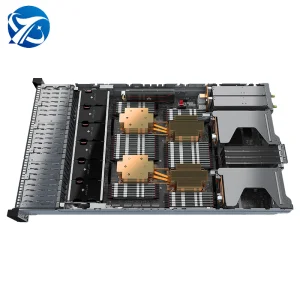
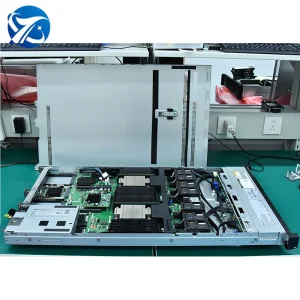
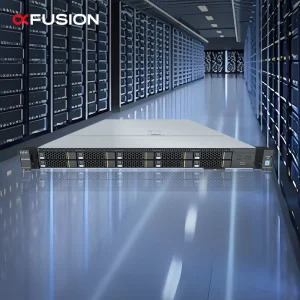
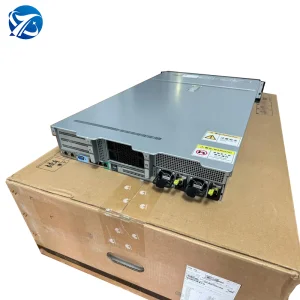
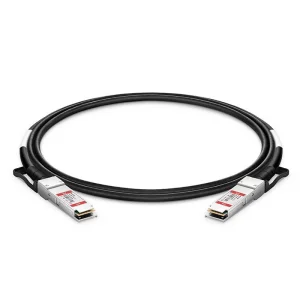
In the era of hyper-scale computation, massive language model training (such as DeepSeek and GPT variations), and intensive analytical databases, enterprise IT procurement demands more than standard hardware. Modern architectures require optimized Cloud Storage arrays, robust GPU acceleration, and dense storage form-factors capable of mitigating thermal loads while maximizing data throughput.
As a global core cluster for server fabrication, Chinese exporters deliver high-density computing assemblies that bridge the gap between initial hardware capitalization (CAPEX) and long-term operating cost optimization (OPEX). Through tight integration of memory chipsets, high-speed networking fabrics, and precision-engineered chassis design, these hardware systems deliver unmatched throughput per rack unit.
This whitepaper explores the technological parameters, structural advantages, and regulatory compliance standards that define top-tier server exporters, establishing a baseline for procurement officers, system architects, and datacenter managers globally.
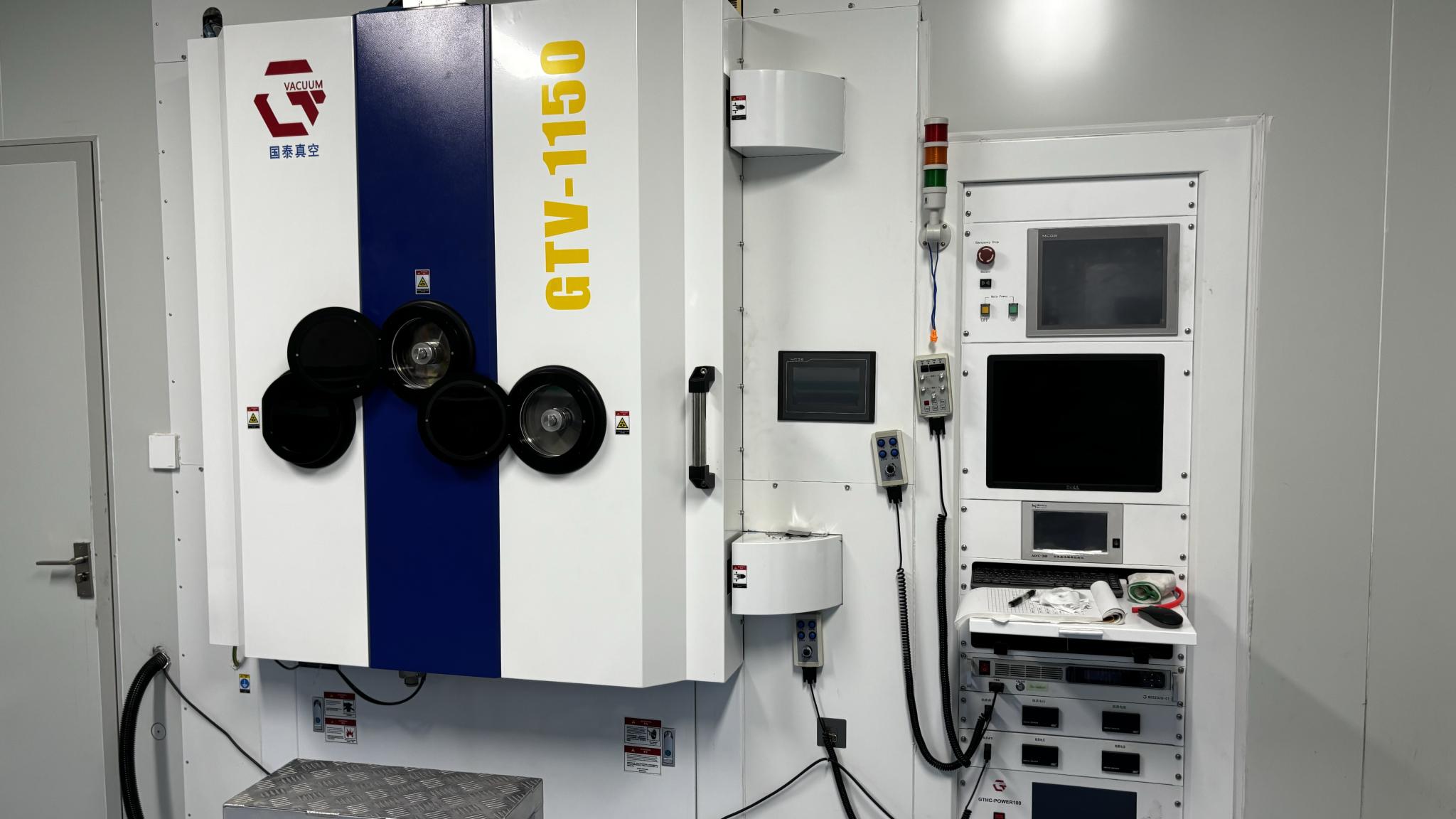
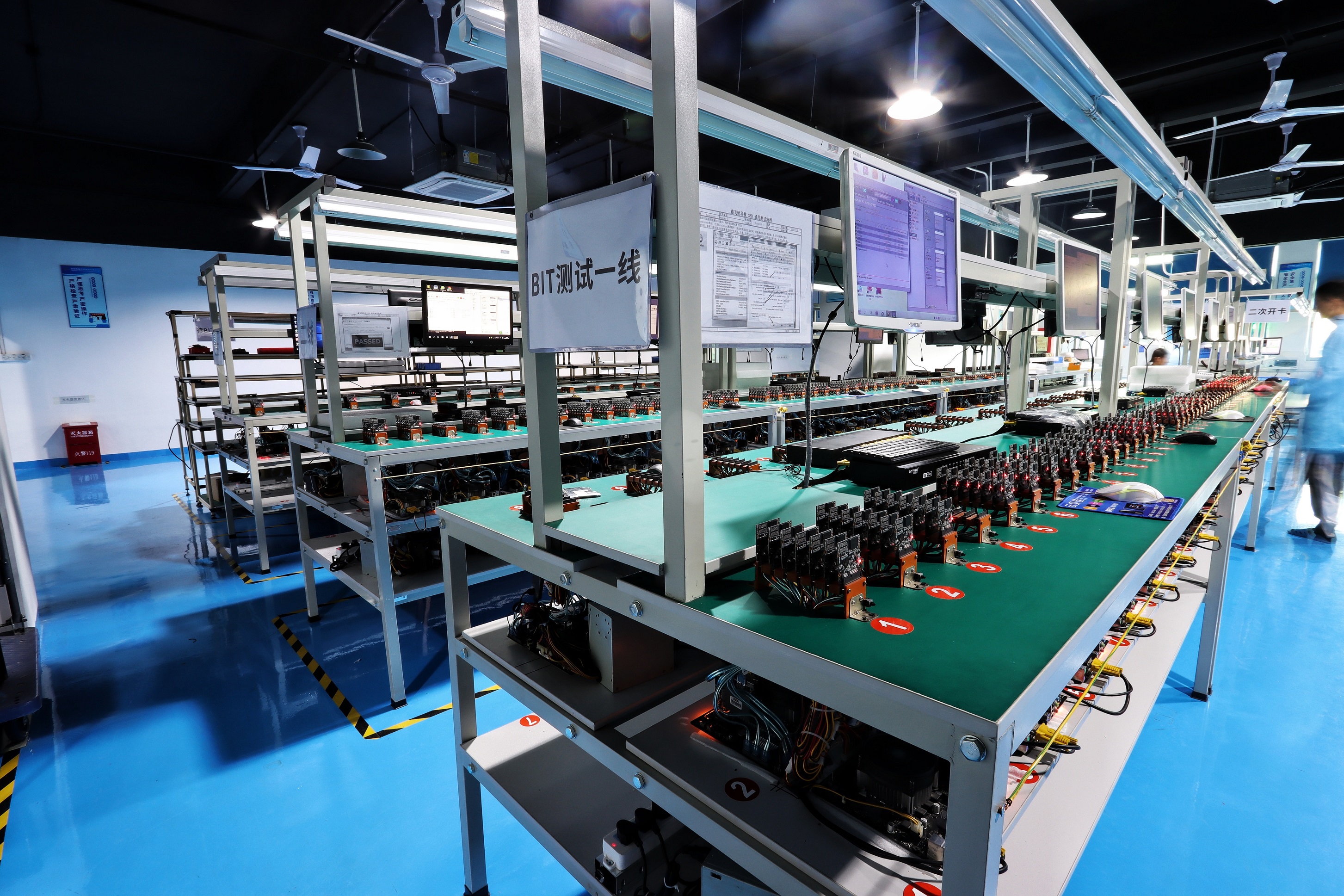
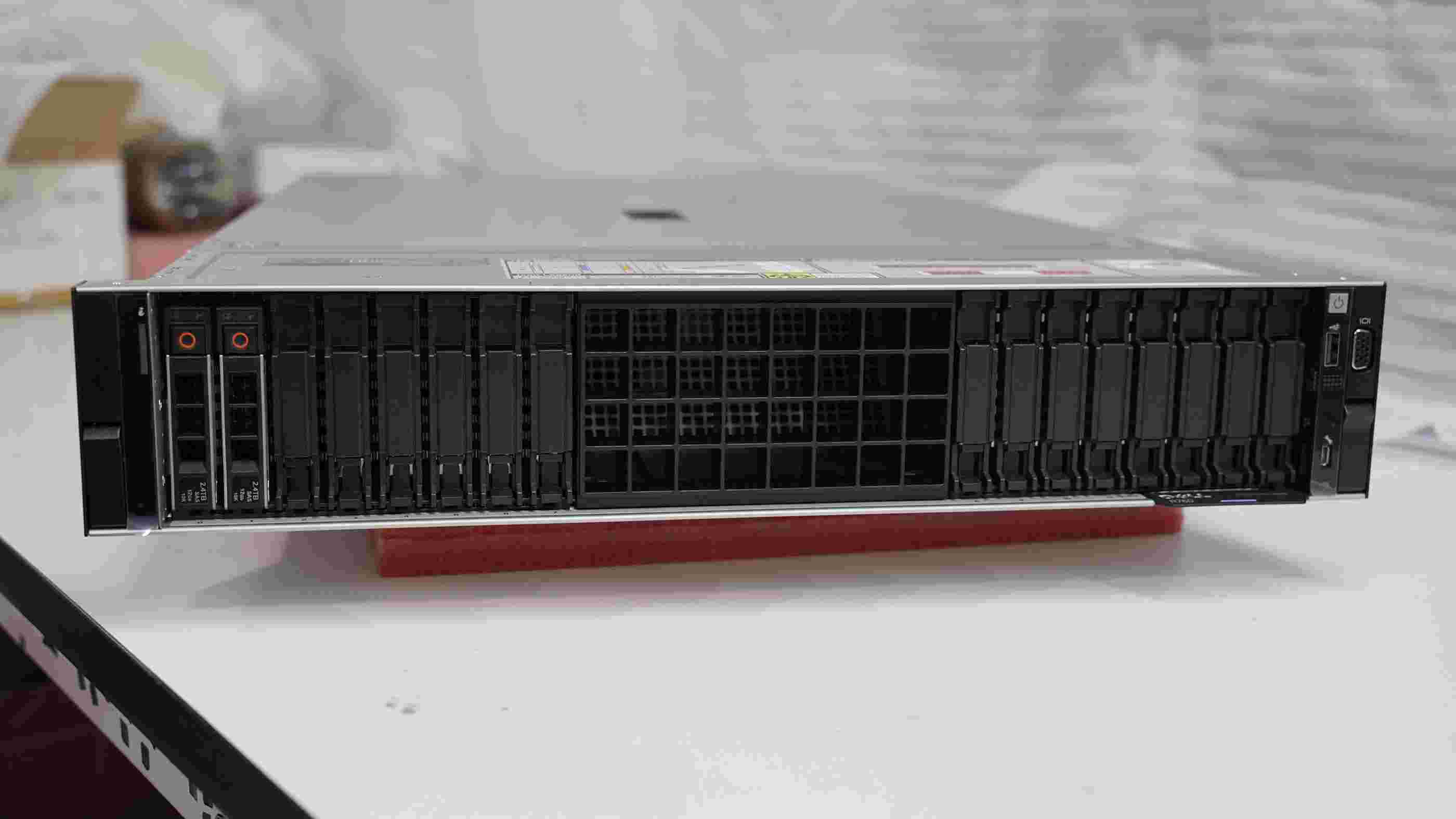

Demonstrating structural capability and technical leadership in specialized high-performance computing hardware manufacturing and global logistics management.
Capable of supporting intensive hardware customizations including bespoke firmware adaptations, custom rack layouts, and optimization of NVMe/SSD configurations tailored to private data center requirements.
ISO 9001 certified processing paired with automated optical inspection (AOI) and comprehensive functional testing protocols. Ensures full-system validation under high stress and fluctuating thermal environments.
Backed by an expansive network of 850 upstream and downstream partners. Facilitates rapid component sourcing and predictable logistics across North American, European, and Middle Eastern corridors.
How geographic proximity to semiconductor components, memory fabrication, and metal assembly reduces prototyping windows and unit costs.
The clustering of major component manufacturers in Southern China significantly decreases the turnaround time for custom chassis modifications, specialized riser cards, and power distribution boards. This geographical advantage ensures that parts arrive at the integration line in hours rather than weeks.
Before leaving the factory floor, systems undergo strict multi-hour high-temperature dynamic burn-in cycles. This testing targets potential hardware design flaws, verifying high-stress stability in server processors, DDR memory arrays, and PCI Express data paths.
Utilizing highly optimized maritime and air shipping routes directly out of Shenzhen and Hong Kong allows for rapid transport of heavyweight server components. Integrated logistics management ensures custom custom clearance runs smoothly to lower import latency.
Safeguarding data integrity and adhering to regional security standards to prevent operational friction.
Entering international markets requires hardware manufacturers to adhere to complex regional frameworks. High-density storage platforms and AI computing nodes exported globally are constructed from the ground up to comply with regulations such as the European Union's CE standards and RoHS directives. Additionally, options for secure cryptoprocessors like Trusted Platform Module (TPM 2.0) chips are integrated to support secure boot functions and hardware-level encryption key management.
Furthermore, local engineering teams provide customized firmware modifications to meet data sovereignty requirements. This ensures compatibility with Software-Defined Storage (SDS) stacks and standard hypervisors, reducing local deployment times.
Vornaxis maintains technical support lines and works alongside overseas system integrators to guarantee fast response times for part replacements, remote diagnostics, and on-site engineering consultations when required.
By offering customizable configurations for local electricity grids, and supporting input voltages ranging from 100V to 240V alongside customized power supplies, these units seamlessly fit into standard rack environments globally.
| Feature Set | Enterprise Standard | High-Density Optimization Option | AI Deep Learning Optimized Option |
|---|---|---|---|
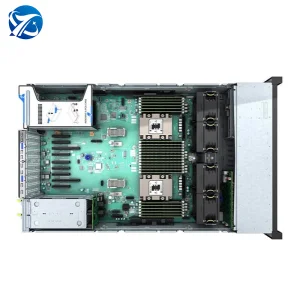
| Processor Support | Intel Xeon Scalable / AMD EPYC | Dual-Socket High Core Density | Dedicated AI Optimized Multi-Processor Support |
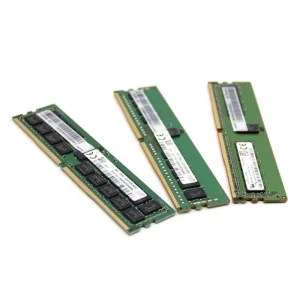
| Memory Channels | Up to 16 DDR4 / DDR5 RDIMM slots | High-Density 32x RDIMM slots | Optimized Memory Channels for Large Datasets |
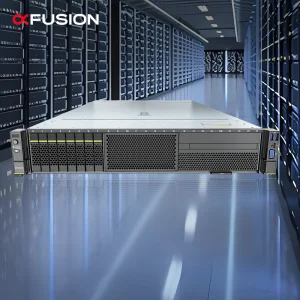
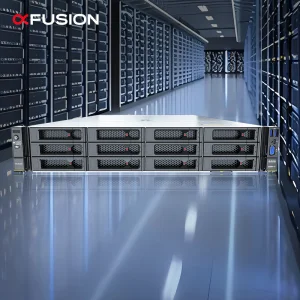
| Storage Density | 12x 3.5-inch SAS/SATA drives | 24x to 36x 2.5-inch NVMe SSD slots | High-Speed U.2 / U.3 PCIe Gen4/Gen5 NVMe |
| Network Fabric | Dual 10GbE SFP+ Base Ports | QSFP+ 40G / 100G InfiniBand Ready | Multi-Channel PCIe Gen5 Interconnects |
| Compliance & Security | CE, FCC, RoHS, TPM 2.0 | Secure Boot, ISO 9001 Integration | Secure Root of Trust, Hardware Guarding |
How custom computing clusters and high-density storage arrays perform across key commercial workloads.
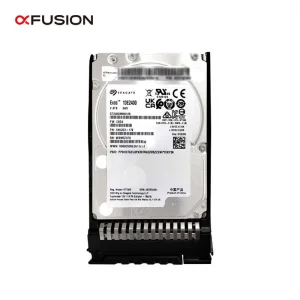
Used to power public and private cloud storage fabrics. The integration of high-density NVMe drives ensures rapid I/O operations and low latency, making it ideal for multi-tenant database hosting and virtualized server instances.
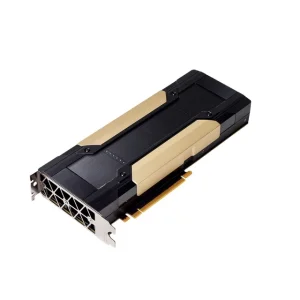
Optimized for processing large neural networks, such as DeepSeek AI architectures. High-speed GPU and processor integration, paired with low-latency network interconnects, speeds up data ingestion and training times.
Enables parallel file systems (like Lustre and GPFS) to process heavy datasets for research institutions, weather simulation systems, and deep geological data processing.
Addressing technical concerns, hardware integration questions, and international sourcing details.
We integrate standard TPM 2.0 modules to support secure cryptographic storage, boot security, and key management. Our manufacturing processes strictly comply with RoHS and CE standards, preventing the use of hazardous substances and ensuring hardware safety. Additionally, we support the installation of open-source or custom operating system configurations, allowing buyers full control over their software environment.
Every platform is subjected to automated optical inspection (AOI) to verify physical component placement, followed by hardware validation, thermal stress tests, and dynamic system burn-in cycles. This testing validates the performance and stability of the system memory, PCIe data channels, and storage interfaces under simulated high-workload scenarios.
Yes, our R&D engineering team offers chassis customization, riser card designs, and options for liquid cooling integration. This flexibility helps optimize layouts for specific datacenter architectures, improving airflow, energy efficiency, and performance density.
Our established relationships with upstream vendors ensure access to essential components like memory chipsets, storage controllers, and high-speed network interfaces. This access reduces production lead times, stabilizes hardware pricing, and helps protect our clients from global supply chain disruptions.
We offer comprehensive hardware warranties along with dedicated technical support channels. Our engineers work closely with local systems integrators to coordinate replacement parts and provide troubleshooting assistance, helping minimize system downtime.
Optimize data transmission and system memory with certified PCIe expansion modules and high-speed cabling solutions.