Vornaxis
Vornaxis
Vornaxis
Explore our high-performance rack servers and components configured as physical node machines and stress load generators.
Why High-Concurrency Testing Requires Dedicated On-Premises Simulation Hardware
In the era of microservices, global web architectures, and compute-intensive LLM endpoints (such as DeepSeek and GPU-driven cognitive systems), software application performance has transitioned from simple transaction benchmarks to complex system-wide load tolerances. Load testing is no longer just about testing software paths; it is about assessing the physical limits of target infrastructures. As a premier China load testing tools supplier and compute manufacturer, Vornaxis Compute Ltd. delivers the high-density computing backbones engineered to deploy massive, distributed synthetic user environments.
Running high-concurrency workloads using tools like JMeter, Gatling, or custom packet generators demands massive throughput, multi-threaded CPU allocation, and low-latency network interface controllers.
Standard servers often bottleneck at the PCIe level or within memory-to-CPU buses when simulating raw connection volumes. Our hardware solutions minimize context switching and prevent packet loss.
Undergoing heavy multi-point simulated attacks or saturation testing requires a stable computing environment. We enforce strict validation routines to ensure system integrity.
Analyzing the trajectory of distributed stress testing, GPU execution limits, and the shift from cloud-only to hybrid local simulation setups.
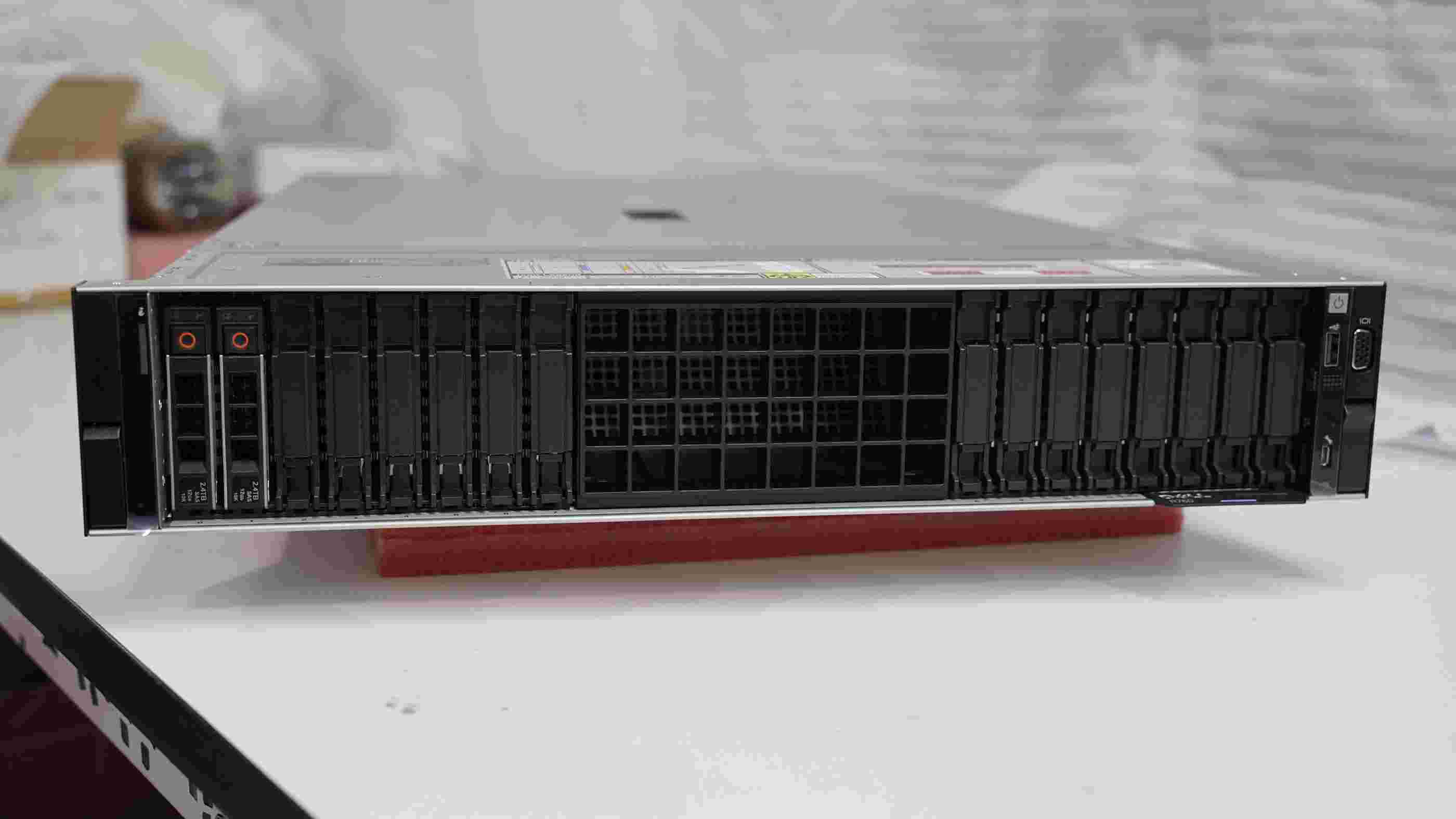
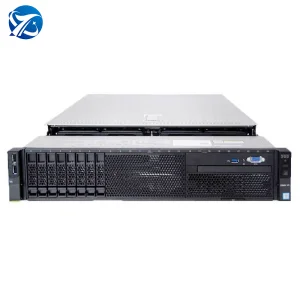
Enterprise procurement teams are restructuring how they approach stress-testing toolchains. Due to unpredictable egress bandwidth costs and cloud provider CPU overcommitments, executing continuous performance engineering cycles inside public clouds has become cost-prohibitive. Global organizations are investing in hybrid on-premise stress-testing rigs designed around 2U high-density rack computing infrastructure.
Key market drivers include:
Learn how Vornaxis Compute Ltd. achieves high reliability across critical components and server nodes.
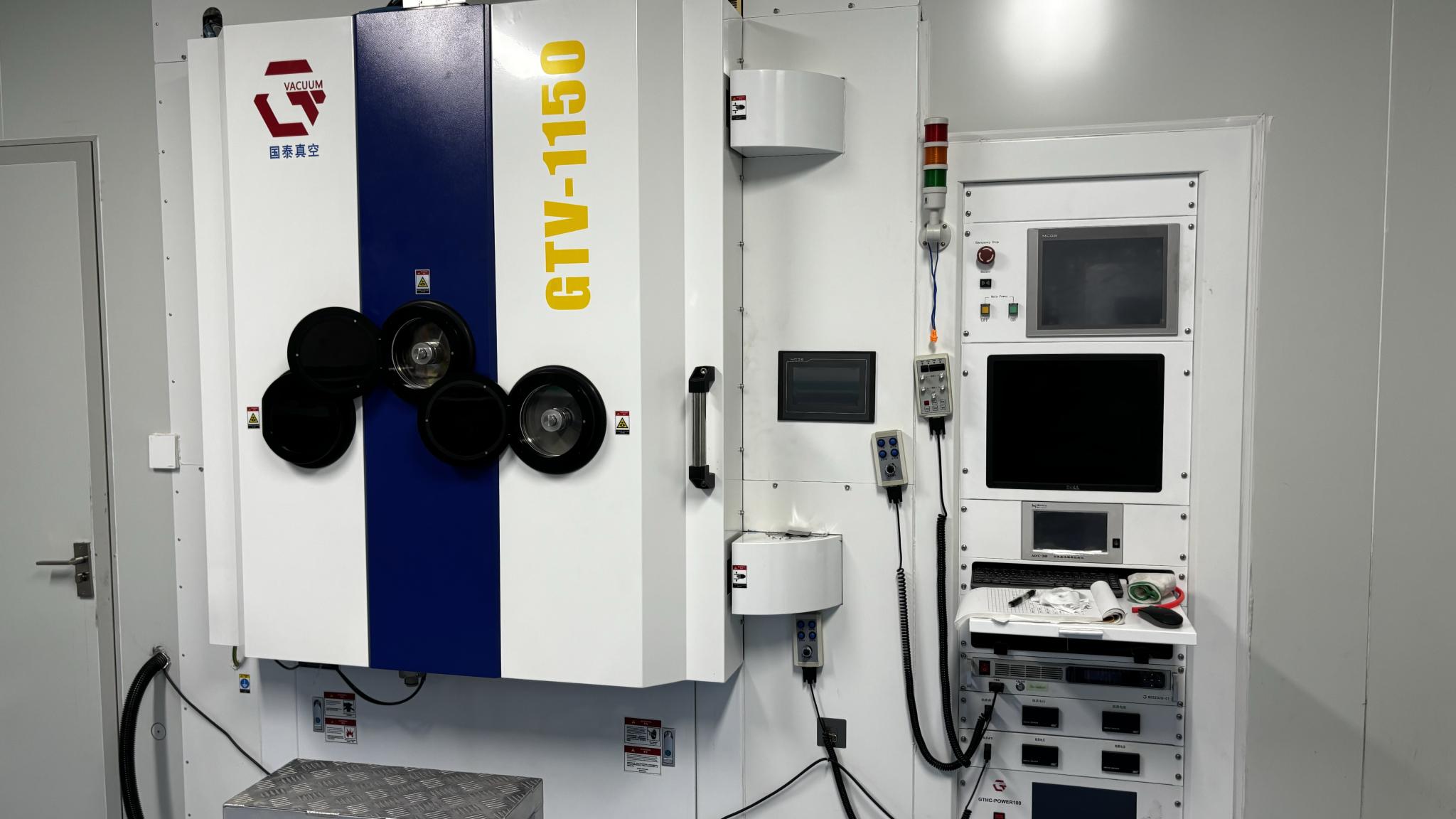
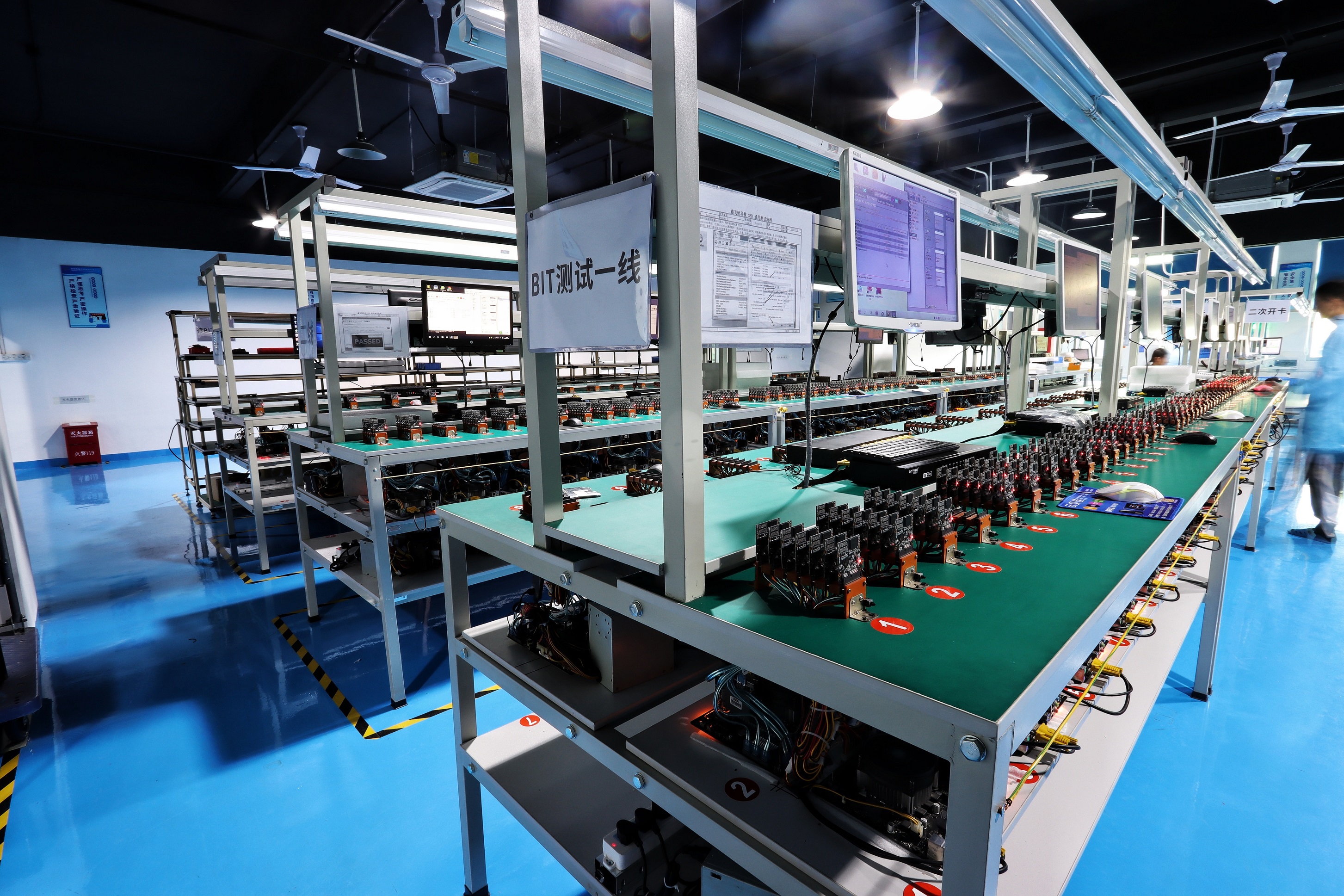
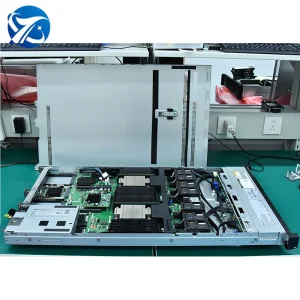
Every server model deployed undergoes a strict verification system including AOI (Automated Optical Inspection), full functional validation under simulated application loads, thermal cycling stress-tests, and long-term burn-in tests to confirm system stability before shipping.
We provide full OEM/ODM hardware tailoring. Our engineers can adjust memory ratios, PCIe lane distributions, network interface configurations, and liquid-cooling profiles to matching your specific stress-testing simulation software requirements.
As a global partner, Vornaxis manufactures infrastructure components in alignment with ISO 9001 and RoHS regulatory standards, ensuring safe, long-term operation within enterprise environments.
Understanding the critical performance metrics of server nodes under heavy stress workloads.
When executing complex, distributed load generation tests, the node servers serving as stress injectors face unique, severe physical strains. Without the right underlying hardware configuration, testing teams will experience test errors, high baseline latency, and incomplete test cycles. Here is how our custom hardware solutions solve these challenges:
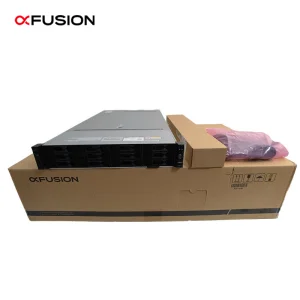
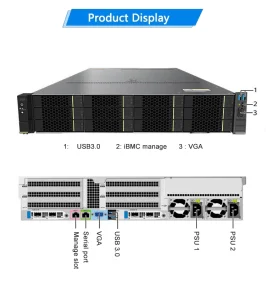
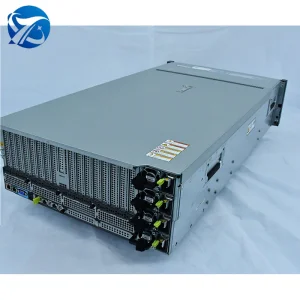
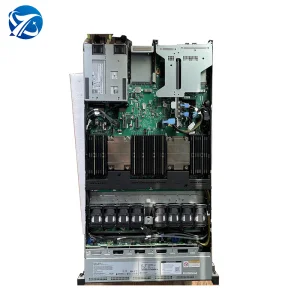
Simulating millions of requests using virtual user programs requires multi-threaded execution. CPU platforms like the FusionServer 2488H V7 and xFusion 2288H V6 feature high core-count processor layouts. This ensures the host system can handle high numbers of concurrent processes without running out of CPU scheduling threads.
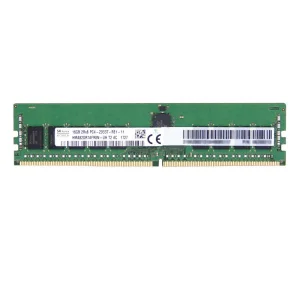
During load simulation, the testing engine stores session details, dynamic tokens, and payload scripts in volatile memory (RAM). Sourcing enterprise-grade xFusion DDR4 RDIMM memory ensures data integrity and high speeds, preventing memory bottlenecks that could limit the test's virtual user count.
Generating high network packet volumes requires robust network cards (NICs) and fast storage drives to log test data in real-time. System components like our fast SSDs and high-bandwidth network storage servers capture error logs without delaying the outgoing test traffic.
Where Enterprise Load Generation and Simulated Benchmarking Hardware is Headed
Looking ahead, software load testing will require even higher scale and smarter testing methods. We are focusing our R&D roadmap on the following areas:
Addressing the common questions raised by infrastructure engineers and enterprise procurement specialists.
Select components and rack enclosures designed to scale testing operations across the enterprise.
Take a look at our R&D departments and production validation centers.