Vornaxis
Vornaxis
Vornaxis
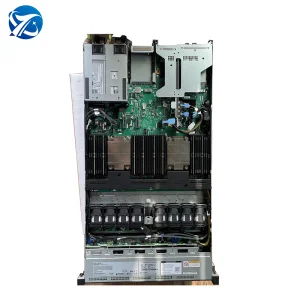
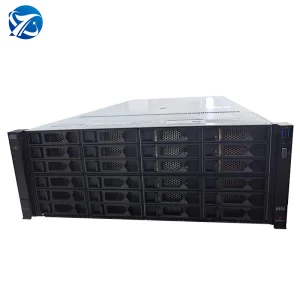
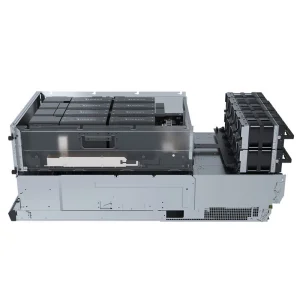
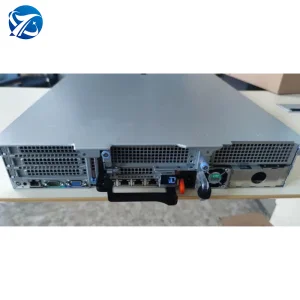
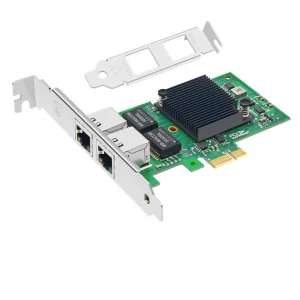
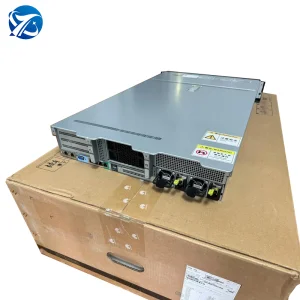
Select high-density rack servers, PCIe expansion options, and networking interfaces optimized for telemetry deployment and network management control systems.
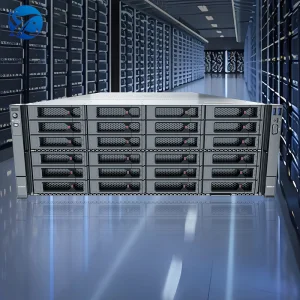
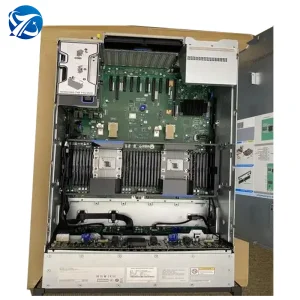
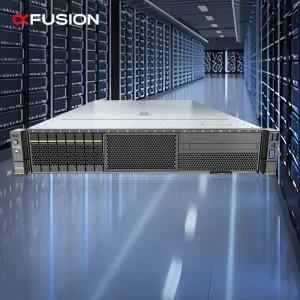
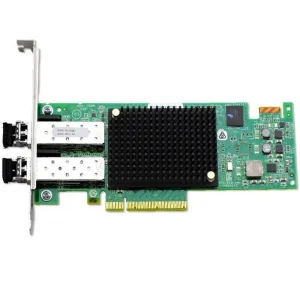
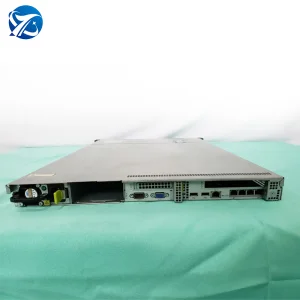
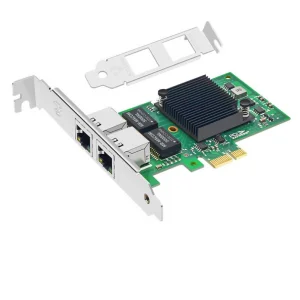
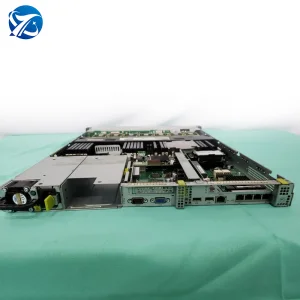
Modern enterprise networking has progressed far beyond basic monitoring protocols. Today’s industrial landscape relies heavily on telemetry, automated control structures, and hardware-level out-of-band management interfaces (like Redfish, IPMI, and automated BIOS diagnostics). A significant increase in multi-node high-density computing clusters (such as deep learning and hyperconverged nodes) demands real-time monitoring and routing health optimization.
As networks scale to hundreds of petabytes and thousands of processing cores, identifying bottleneck nodes becomes the difference between uptime stability and system-wide failure. Network management toolsets must integrate with SAS/SATA hardware controllers, high-speed Host Bus Adapters (HBAs), and smart Network Interface Cards (SmartNICs) to maintain continuous hardware-level telemetry reporting.
"Reliable network operations rely on a secure fusion of software telemetry and resilient bare-metal hardware configuration. As software-defined systems scale, physical layer stability is paramount."
The global demand for high-capacity computational infrastructure (driven by models like DeepSeek and heavy containerized clustering) has accelerated the need for AI-aware Network Management Tools. These tools must monitor temperature, power budgets, PCIe slot integrity, and port metrics across distributed clusters to avoid thermal throttling and network package drops.
Analyzing next-generation technologies shaping network infrastructure management over the next decade.
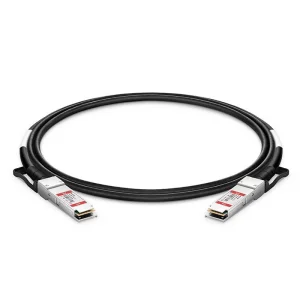
Leveraging artificial intelligence at the hardware-edge to predict link failure. By tracking fluctuating storage temperatures, interface errors, and signal attenuation on 3m high-speed direct-attach cables, platforms alert operators before packet loss degrades computation.
Integrating telemetry collectors directly with hardware controllers. Systems access onboard RAID caches, custom HBA PCIe 4.0 interfaces, and Intel/Xeon registers to extract metrics and provide a granular window into node health.
Firmware verification during network discovery. Securing out-of-band monitoring channels prevents rogue configuration injections at the hardware level, protecting internal networks against host-level manipulation.
How physical management interfaces, storage cards, and server systems solve major connectivity challenges.
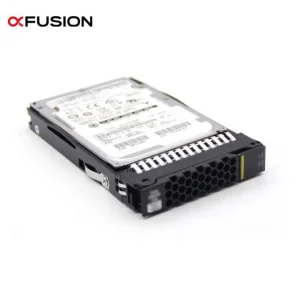
Modern GPU servers processing multi-billion parameter AI models require synchronized high-speed networking. If a single interface card experiences microsecond latencies, the entire parallel compute job bottlenecks. Incorporating PCIe Gen 4.0 NVMe Tri-Mode RAID controllers and 32Gb/s SFP28 HBA host cards optimizes the storage-to-fabric pathway, minimizing GPU idle cycles.
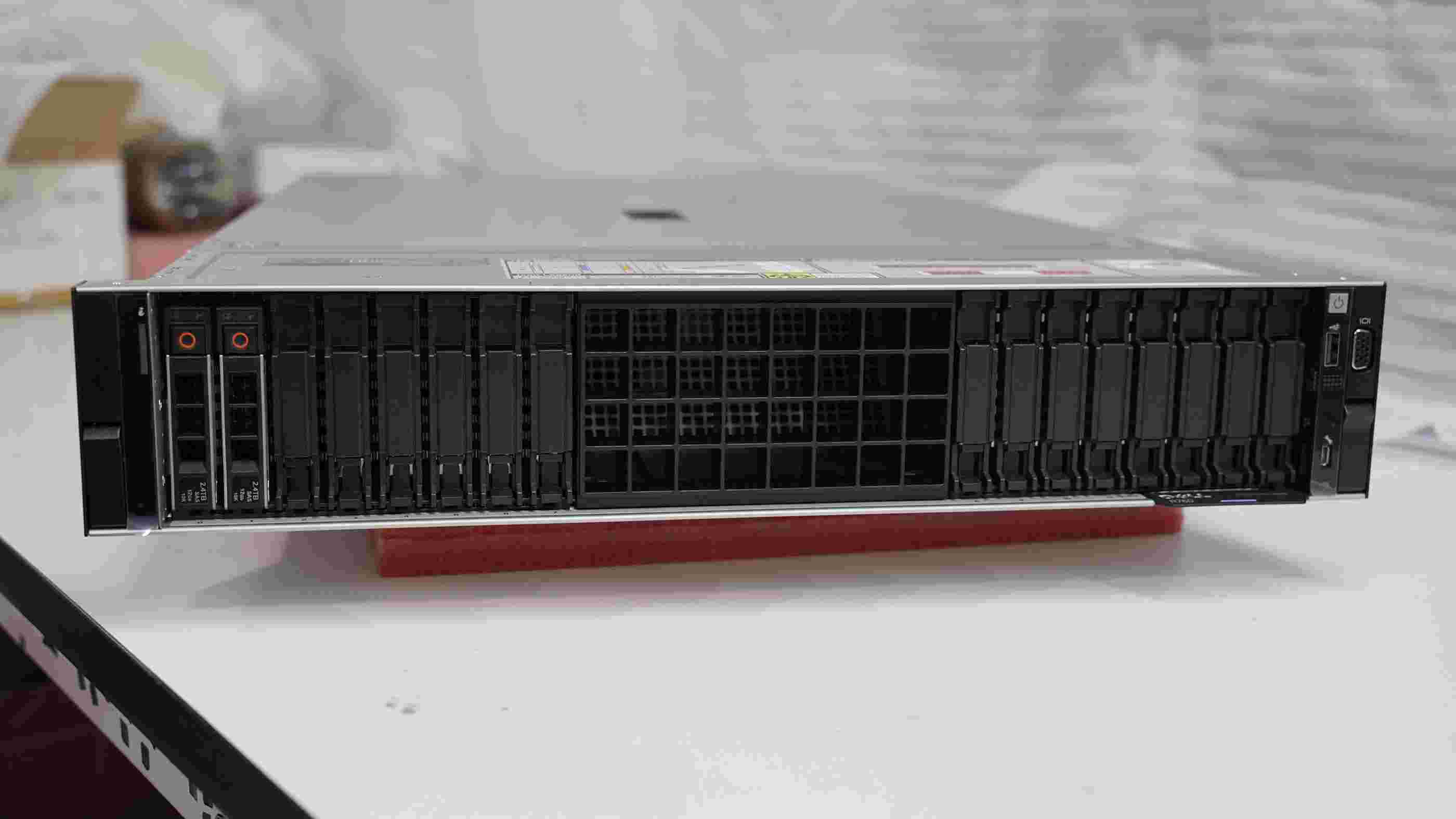
For high-density hosting and cloud data centers, Vornaxis supplies customized rack servers with integrated network management controllers. These enable remote server resets, automated ISO mounting, sensor logging, and automated fan-speed profiling. Operators manage large-scale data center nodes via software systems without physical on-site intervention.
In retail, logistics, and manufacturing, edge compute deployments require remote management. Systems must work in dust-prone, thermally unstable environments. Relying on robust SSD components, short depth server designs, and redundant network interface cards ensures stable operational uplinks.
Answering critical technical and procurement questions for global buyers, enterprise architects, and IT integrators.
Expand cluster capacity, integrate network routing modules, and deploy AI storage nodes utilizing these high-performance options.
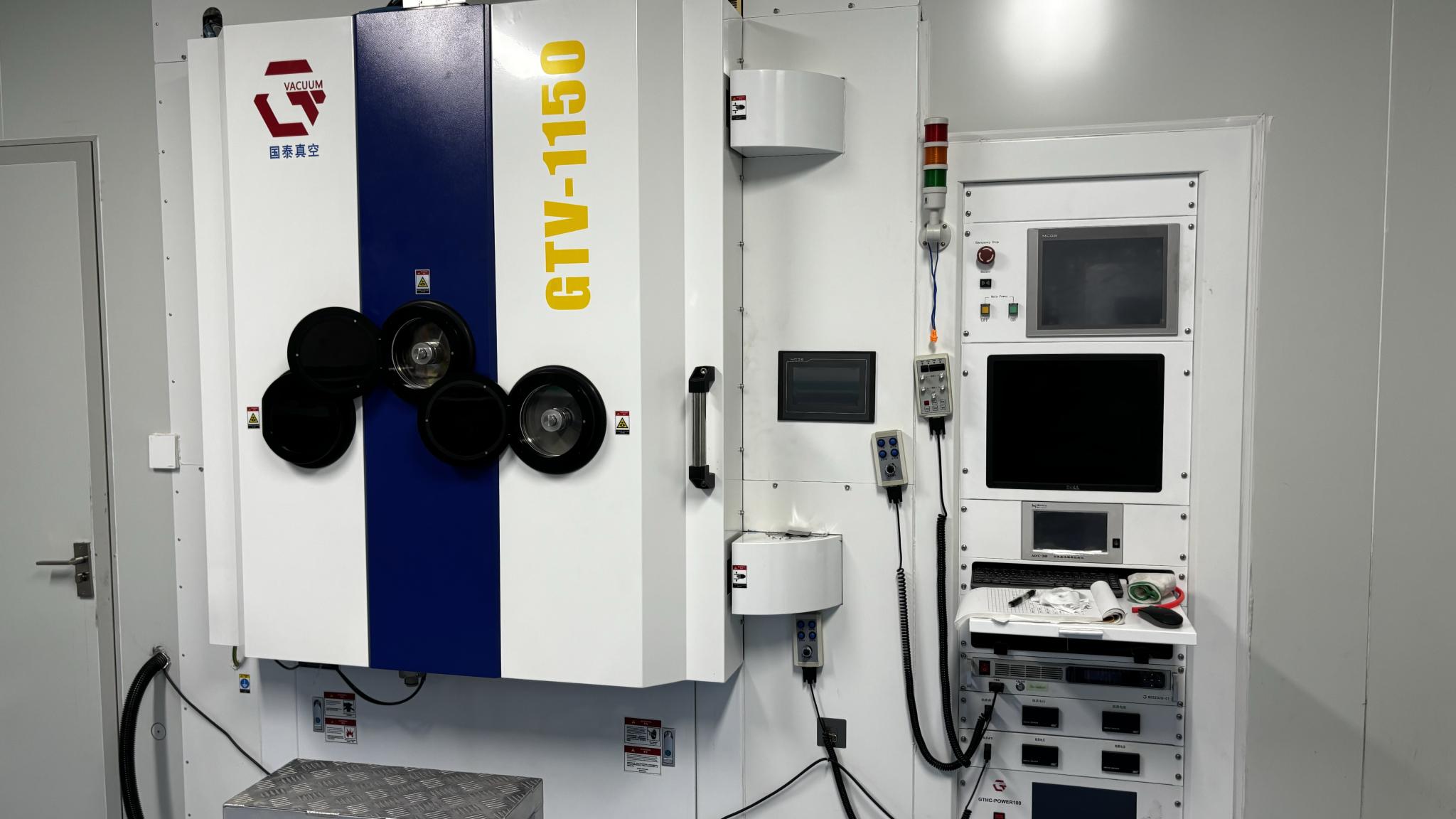
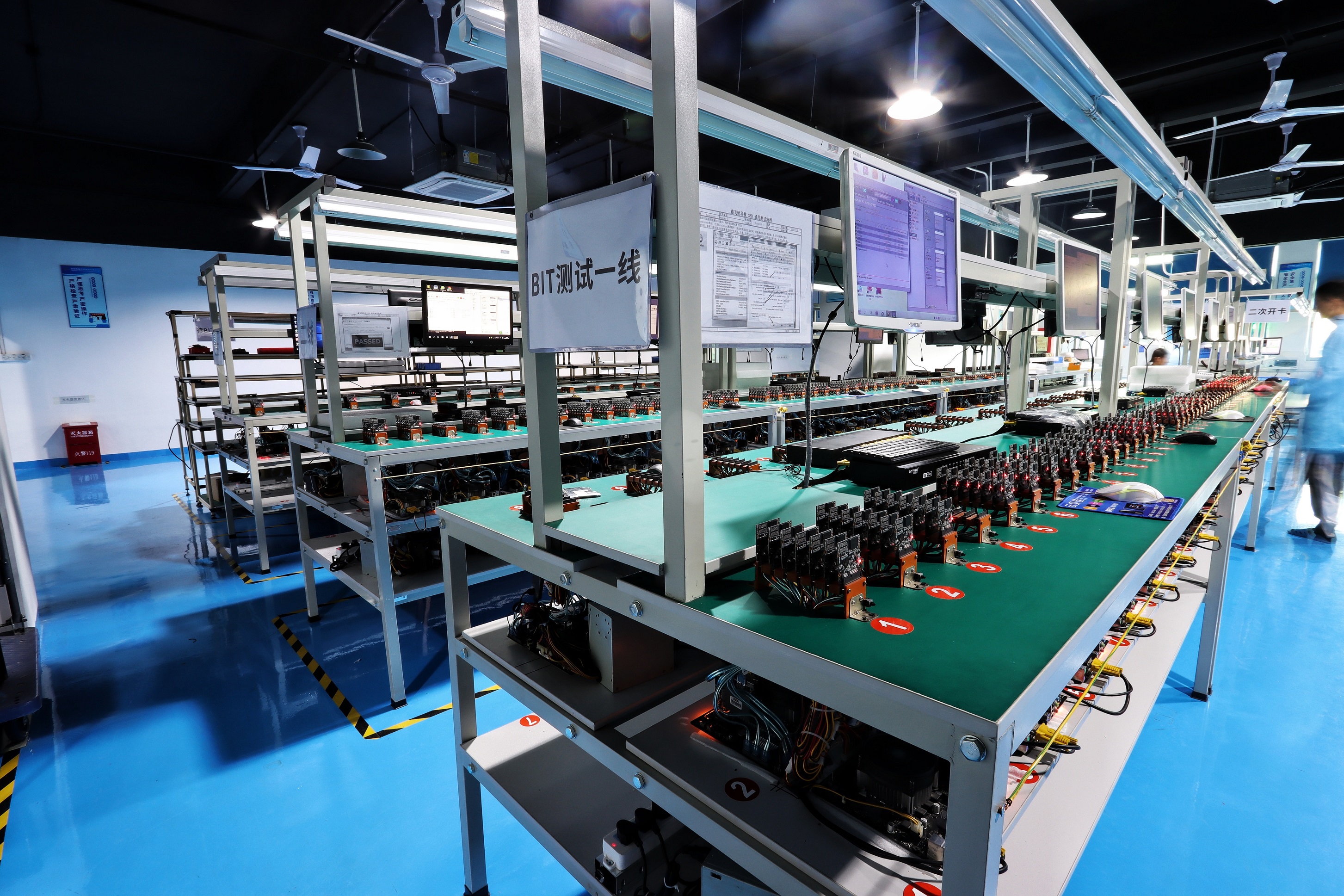
Take a virtual walkthrough of our global manufacturing facilities where compute infrastructure is engineered, assembled, and validated.