Vornaxis
Vornaxis
Vornaxis
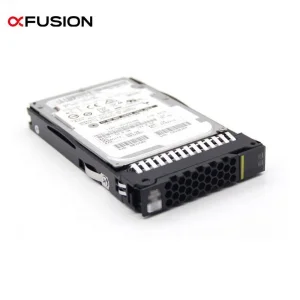
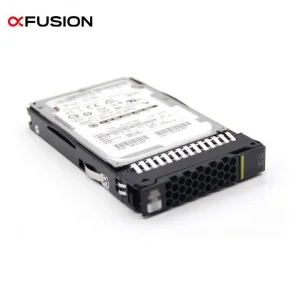
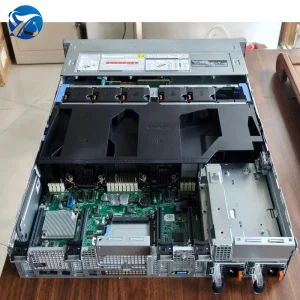
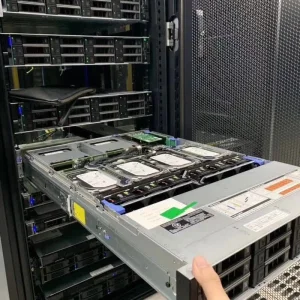
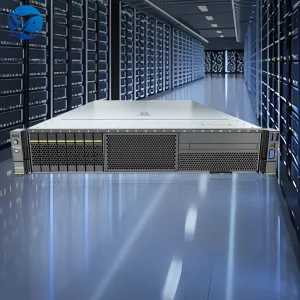
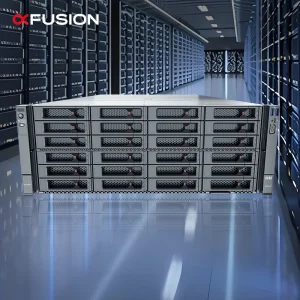
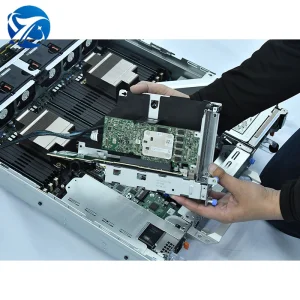
Sourcing hardware at scale from China goes beyond simple cost efficiency. It is a strategic alignment with the world’s most integrated supply-chain hub for security appliances and compute fabrics.
By localizing silicon assembly, memory packaging, PCB fabrication, and metal chassis pressing in unified clusters, Chinese network security factories minimize transit delays and component incompatibility. This ensures immediate prototyping and short-run custom fabrications.
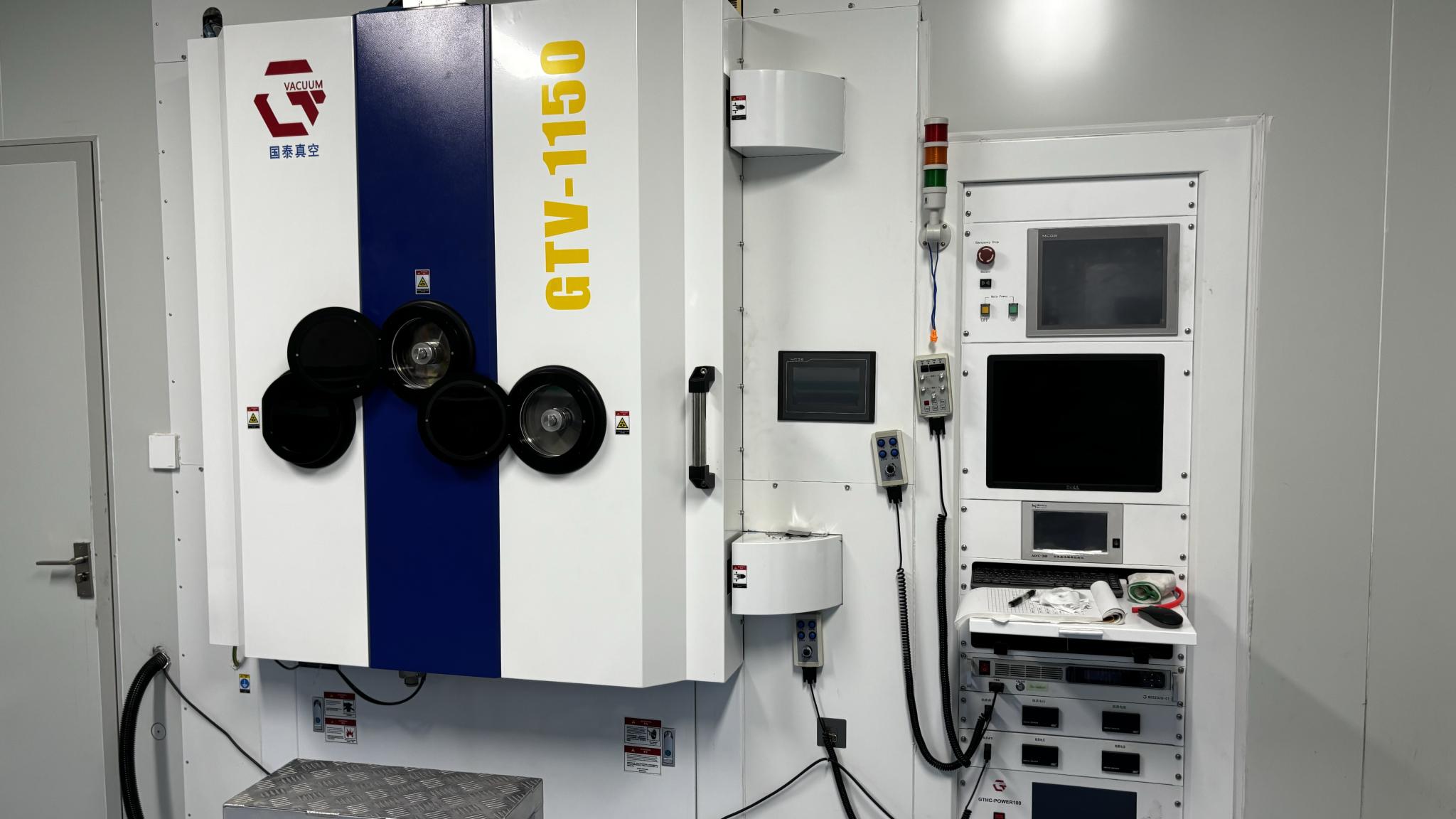
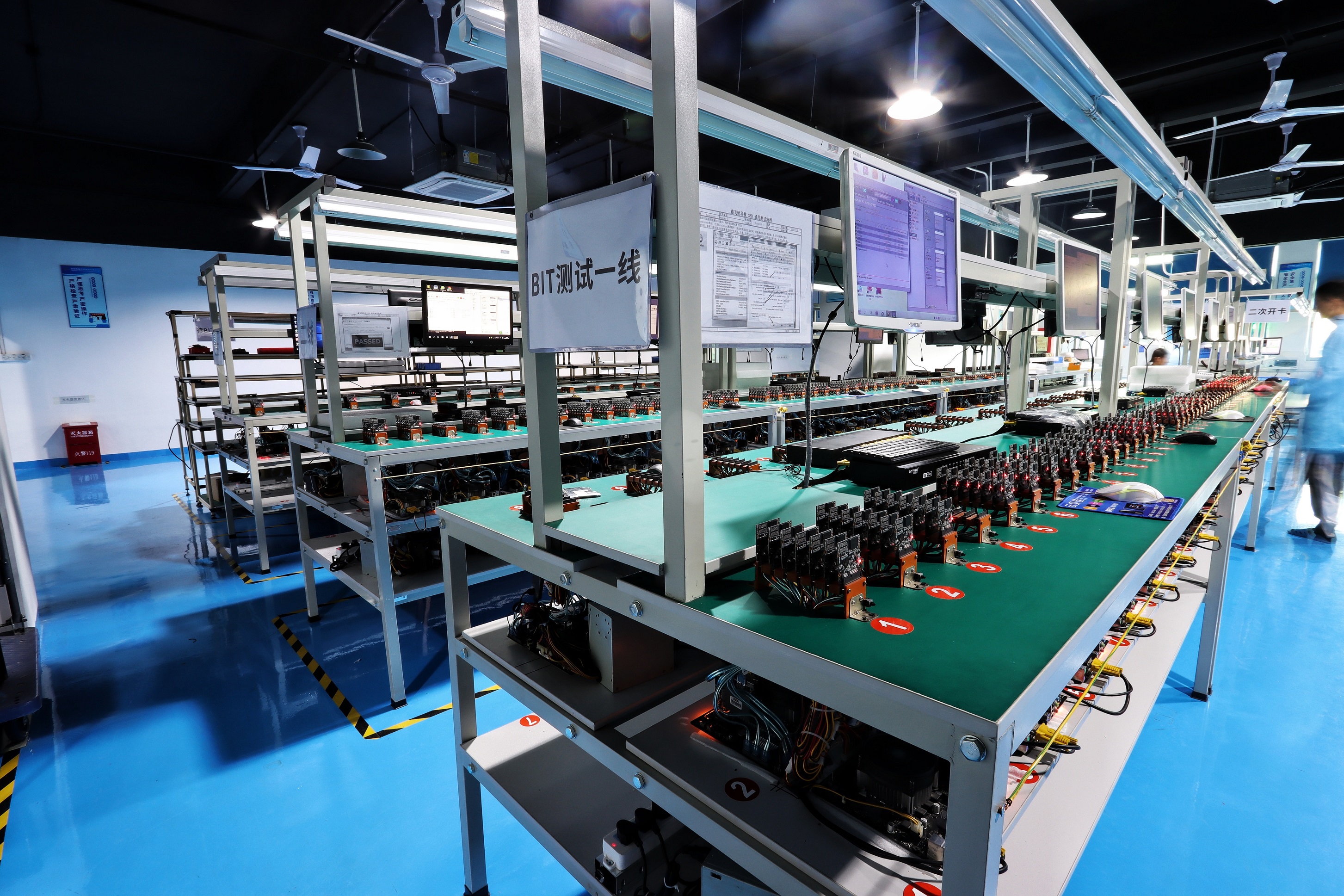
Modern factories operate under ISO 9001 and ISO 27001 structures. Comprehensive testing pipelines—such as Automated Optical Inspection (AOI), thermal stress chambers, and dedicated hardware cryptographic loop testing—ensure high reliability under continuous loads.
Western enterprise deployments demand unique form factors, firmware-level customizations (UEFI/BIOS), and strict physical tamper protection. China's top-tier manufacturers offer modular board-level modifications and customized ASIC/FPGA integration.
Vornaxis Compute Ltd. stands at the forefront of engineering secure hardware systems, driving deep infrastructure solutions for international data networks.
As a highly specialized AI GPU server manufacturer and secure networking provider, Vornaxis Compute Ltd. (Vornaxis) integrates physical hardware reliability with state-of-the-art computational safety. Operating from specialized engineering headquarters with 12 years of industry experience, Vornaxis serves data centers, AI startups, and system integrators across North America, Europe, Southeast Asia, and the Middle East. Our vast network of over 850 upstream and downstream partners ensures component resilience and continuity of supply.
The boundary between high-performance computing (HPC) and robust network threat prevention has collapsed. Modern network workloads require intensive algorithmic processing to combat evolving zero-day threats, deep-packet analysis, and encrypted network streams. Standard x86 architectures are no longer sufficient; they must be paired with dedicated hardware cryptographic co-processors, smartNICs (Network Interface Cards), and massive PCIe-based SSD caching arrays.
Intrusion detection systems (IDS) and next-generation firewalls (NGFW) increasingly deploy AI models directly onto network security hardware. High-density rackmount appliances, powered by scalable Intel Xeon or AMD EPYC processors, must support multi-GPU acceleration to analyze patterns in real time. The integration of Deepseek AI hardware architectures and hardware-level neural processing units (NPUs) enables microsecond-level detection of anomalies within multi-gigabit traffic.
As computing density spikes, thermal management becomes critical for maintaining constant network availability. Security appliances operating in demanding server environments rely on specialized chassis engineering. Incorporating liquid-cooling solutions, optimized internal airflow pathways, and high-performance server components prevents thermal throttling, extending the operational life of mission-critical security hardware.
A resilient security strategy must begin at the physical layer. Hardware manufacturers are addressing this by embedding root-of-trust (RoT) security keys, cryptographically secured bootloaders, and tamper-detection systems directly onto motherboards. This prevents unauthorized firmware modifications, protecting systems from supply chain vulnerabilities before software-level protections are even initialized.
When procurement officers secure network security infrastructure at scale, they focus on critical benchmarks to balance cost, performance, and long-term viability:
Deploying robust network security and server hardware across complex topologies.
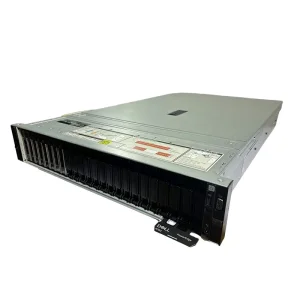
Directing large inbound traffic flows demands robust hardware setups. The combination of high-capacity PCIe NVMe SSDs and dual-socket rackmount servers allows for the fast caching and processing of data, preventing bottlenecks at the gateway.
Financial networks require ultra-low latency along with strong cryptographic protections. System architectures using high-read intensive SATA SSDs and redundant power systems help maintain constant uptime for transaction databases and monitoring systems.
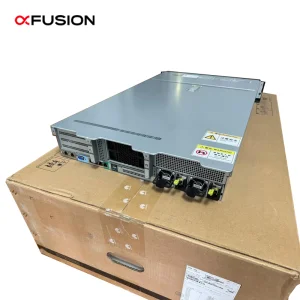
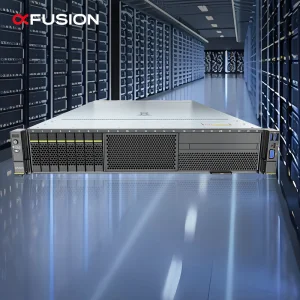
Large-scale deep learning models place intense processing loads on computing hardware. Deploying GPU-optimized systems, like the FusionServer G5500 V7, alongside secure storage helps maintain high processing throughput and safeguards data integrity.
Vornaxis Compute Ltd. implements a multi-phase testing strategy to ensure that every server and security appliance functions reliably in the field:
Expert answers to common engineering, procurement, and hardware deployment questions.
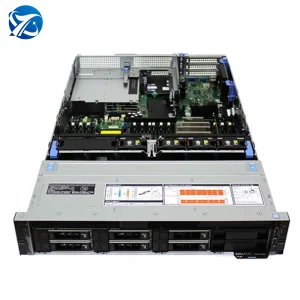
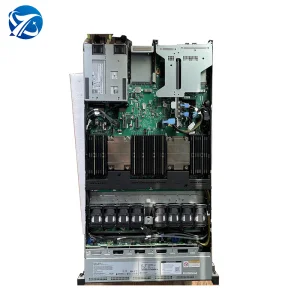
Our rackmount servers (including 1U, 2U, and 4U chassis layouts) feature flexible PCIe expansions that support industry-standard SmartNICs, hardware cryptographic cards, and multi-port fiber connections, providing robust physical layers for network security.
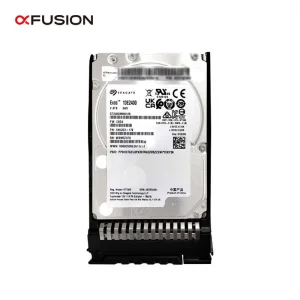
Read-intensive SSDs (like the SE005 series) are ideal for static systems such as operating system boots, firmware storage, and reading signature databases. In contrast, hybrid read-write SSDs (like the PM897) handle continuous logging, packet capture data, and transient files without wearing out early.
Yes. We support custom UEFI, BIOS configurations, and specific IPMI firmware adjustments to match our clients' unique remote management and security requirements.
Our quality control team includes 45 dedicated professionals. They supervise the production process from component sourcing through automated inspections to final burn-in validation and thermal testing, conforming to ISO 9001 standards.
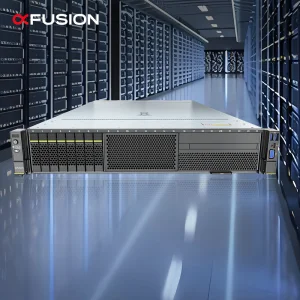
Yes. Our GPU-dense server options, such as the xFusion G5500 V7 and 2288H V7, are built to host multiple accelerator cards. They provide the computational performance needed to run complex AI models and analyze network traffic in real time.
We work with trusted upstream suppliers and source processors, memory chips, and controllers through verified channels. We also offer secure bootloaders and physical casing options to prevent tampering during shipping and deployment.
Dual-socket architectures distribute intensive processing workloads. This allows for fast packet inspections, traffic encryption/decryption, and virtualization tasks to run simultaneously without slowing down the network.
With 6 years of direct export experience and 12 years in the industry, our logistics teams handle shipping documentation, compliance checks (like RoHS), and customs processing to ensure smooth deliveries worldwide.
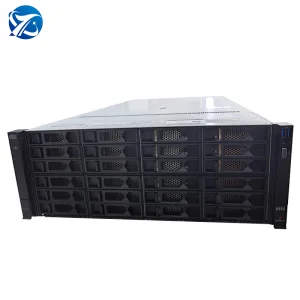
Vornaxis Compute Ltd. (Vornaxis)
Website: www.vornaxiscompute.com
To learn more about our hardware development processes, thermal solutions, and customized server builds, please contact our engineering team directly.