Vornaxis
Vornaxis
Vornaxis
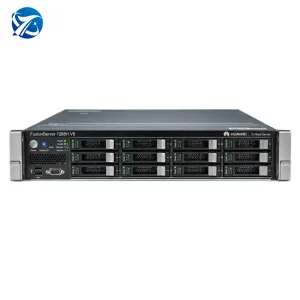
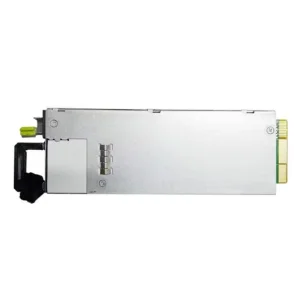
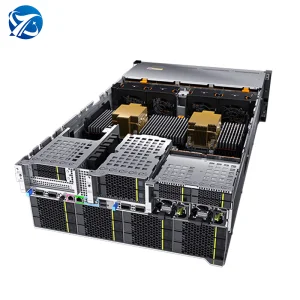
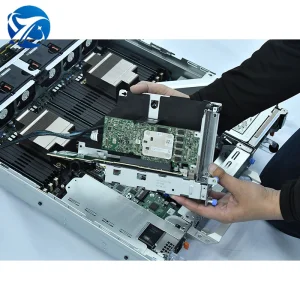
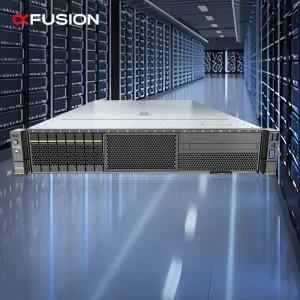
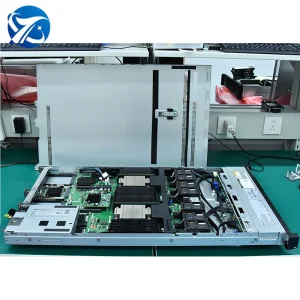
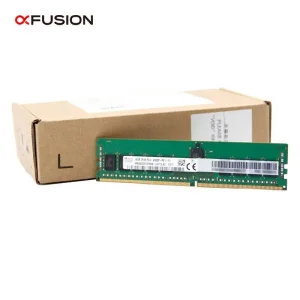
In the era of hyper-scale computing, distributed AI architectures, and complex data center environments, enterprise infrastructure demands unparalleled stability, scaling density, and thermal efficiency. Vornaxis Compute Ltd. (Vornaxis) stands at the forefront of this technical paradigm shift, functioning as a premier manufacturer, designer, and exporter of advanced V6 Server Technologies. Operating out of our specialized facility with direct integration links to over 850 global supply chain partners, we formulate and execute custom rack deployments, AI GPU clusters, and high-performance computing (HPC) nodes that form the backbone of modern cloud deployments.
With an annual export volume reaching USD 18.6 million and over 12 years of core industry experience, our dedication is rooted in absolute reliability. We serve global data centers, AI research startups, and enterprise IT integrators across North America, Europe, Southeast Asia, and the Middle East. Through rigorous implementation of ISO 9001 and RoHS standards alongside complete system burn-in and AOI (Automated Optical Inspection) validations, we ensure that every system—from single 1U nodes to massively parallel AI arrays—delivers predictable, high-uptime utility.
From custom BIOS firmware development and BMC (Baseboard Management Controller) configurations to rack-level hardware optimization, our 160 engineers design systems tailored to precise operating workloads.
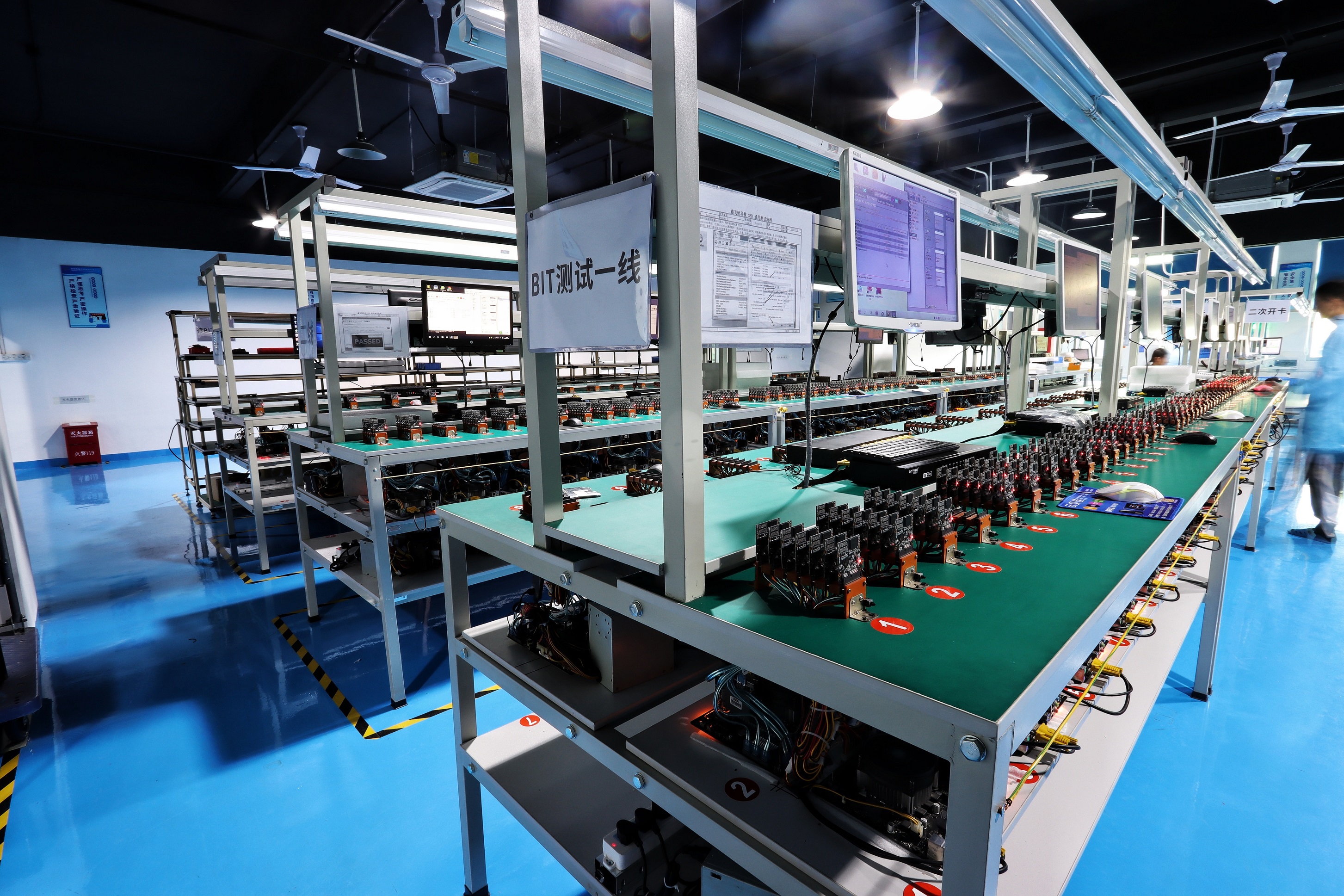
Our dedicated team of 45 QA specialists executes AOI diagnostics, multi-day system stress testing, thermal cycling validation, and intensive memory burn-in tests to eliminate early-stage hardware failure points.
With 6 years of direct export compliance and established logistics channels, we navigate component sourcing delays through pre-allocated supply pools and close relationships with tier-1 logic and memory suppliers.
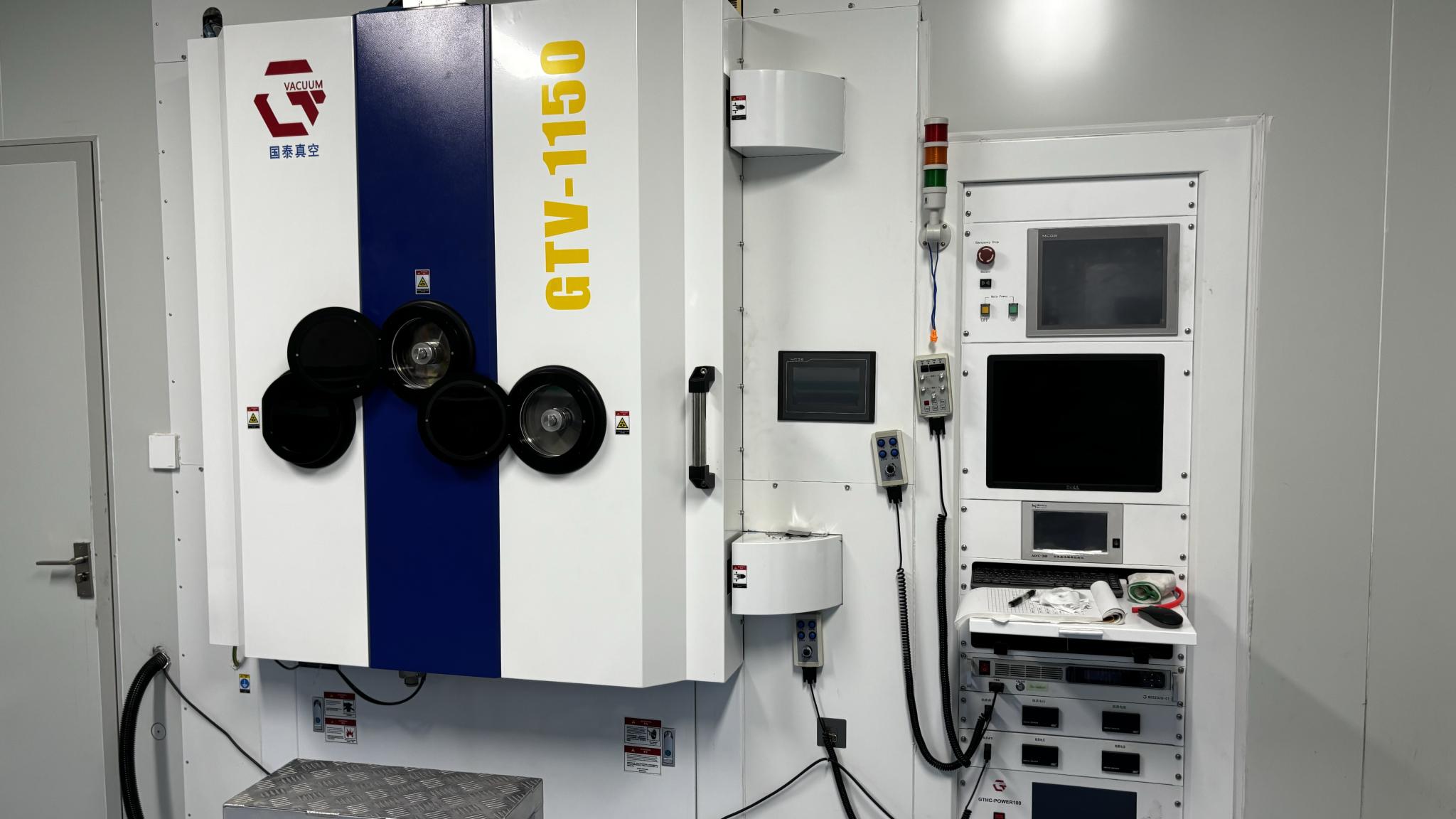
Vornaxis leverages a robust regional footprint in Shenzhen and surrounding tech manufacturing zones to access raw components, sub-assemblies, and specialized copper heat pipes at fraction-of-the-cost pricing. While our primary headquarters and prototyping lab facility occupies a highly optimized 320 m² workspace focusing on software integration, firmware validation, and micro-architectural diagnostics, the mass assembly operations scale dynamically across our extensive network of 850 partners. This hybrid operational strategy enables us to mitigate traditional overhead costs, scale output capacity at short notice, and pass on substantial unit cost savings to wholesale buyers.
This localized supply chain architecture translates to immediate technical benefits for buyers. For example, server chassis customizations (such as specialized drives brackets for 3.5-inch or 2.5-inch arrays, custom copper heat sinks, and specific bracket configurations) undergo high-precision CNC manufacturing and powder coating within days rather than weeks. This speed helps us roll out over 120 new system iterations and model configurations annually, matching the rapid changes in silicon roadmaps from major hardware suppliers.
Modern computing has moved beyond the era of general-purpose CPU scaling. With the explosive growth of deep learning models like DeepSeek, large language models (LLMs), and hyperconverged infrastructure (HCI) frameworks, server architecture must now prioritize massively parallel throughput, memory subsystem performance, and optimized power delivery. V6 Server Technologies represent a critical milestone in this transition. Powered by architecture advancements such as 3rd Generation Intel Xeon Scalable Processors (Ice Lake) and seamless integration capabilities with custom GPU arrays, V6 systems resolve the classic memory bandwidth bottleneck that previously limited high-throughput analytical workloads.
"The shift to V6 and V7 architecture configurations is fundamentally driven by high-density memory controllers, PCIe Gen 4/5 integration, and dedicated hardware accelerators. Data centers deploying DeepSeek models on-premises rely on optimized system buses and massive memory capacities to process larger contexts with low latency."
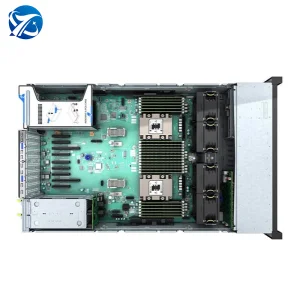
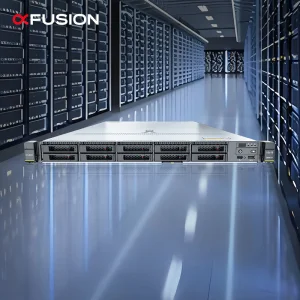
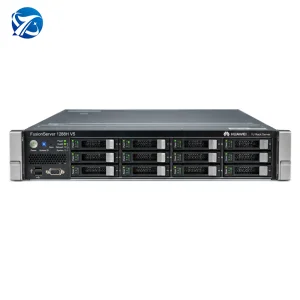
As enterprise operations opt for private cloud model deployments to maintain strict data ownership, the deployment of model frameworks like DeepSeek has shifted from API calls to on-premises compute clusters. High-density servers such as the xFusion 2288H V6 and the FusionServer 2488H V5 / V6 series are engineered specifically to accommodate multiple double-wide GPU accelerators alongside multi-terabyte DDR4/DDR5 ECC RAM pools. This prevents host-to-device bottlenecks during batch processing operations and token generation sequences.
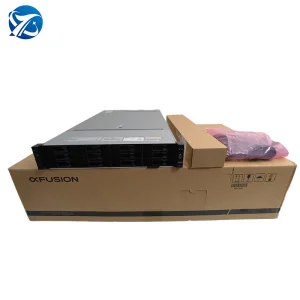
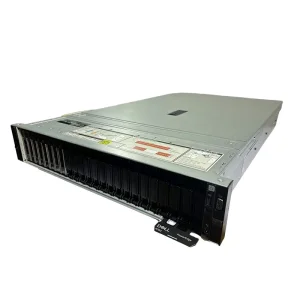
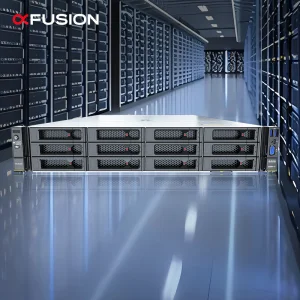
Traditional multi-tier IT architectures (isolated compute, storage networks, and disk arrays) are increasingly replaced by hyperconverged appliances. Systems like the xFusion 2288H V6 Hyperconverged Infrastructure Server merge compute resources, storage, and networking software into a single virtualized console. By utilizing SAS/SATA/NVMe high-density drive configurations (such as 25x2.5-inch or 12x3.5-inch configurations) combined with low-latency network cards, enterprises can scale compute and storage linearly simply by adding another node to their rack.
The power requirements of modern CPU/GPU architectures are higher than ever, requiring advanced electrical design. Standard data centers now require Titanium or Platinum-grade 80 Plus redundant power supplies ranging from 900W to 2000W. Our V6 systems utilize smart power control algorithms that regulate CPU core states and fan curves in real-time, preventing thermal throttling while minimizing idle power usage.

Enterprise requirements dictate that server acquisitions must map directly to business objectives. Standard rack configurations can fall short under specific environmental loads or application structures. Below, we break down how our V6 server lineups deploy into key industry verticals:
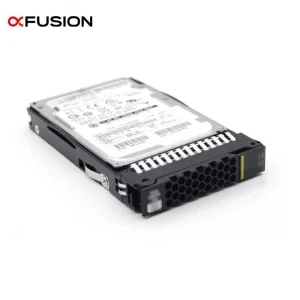
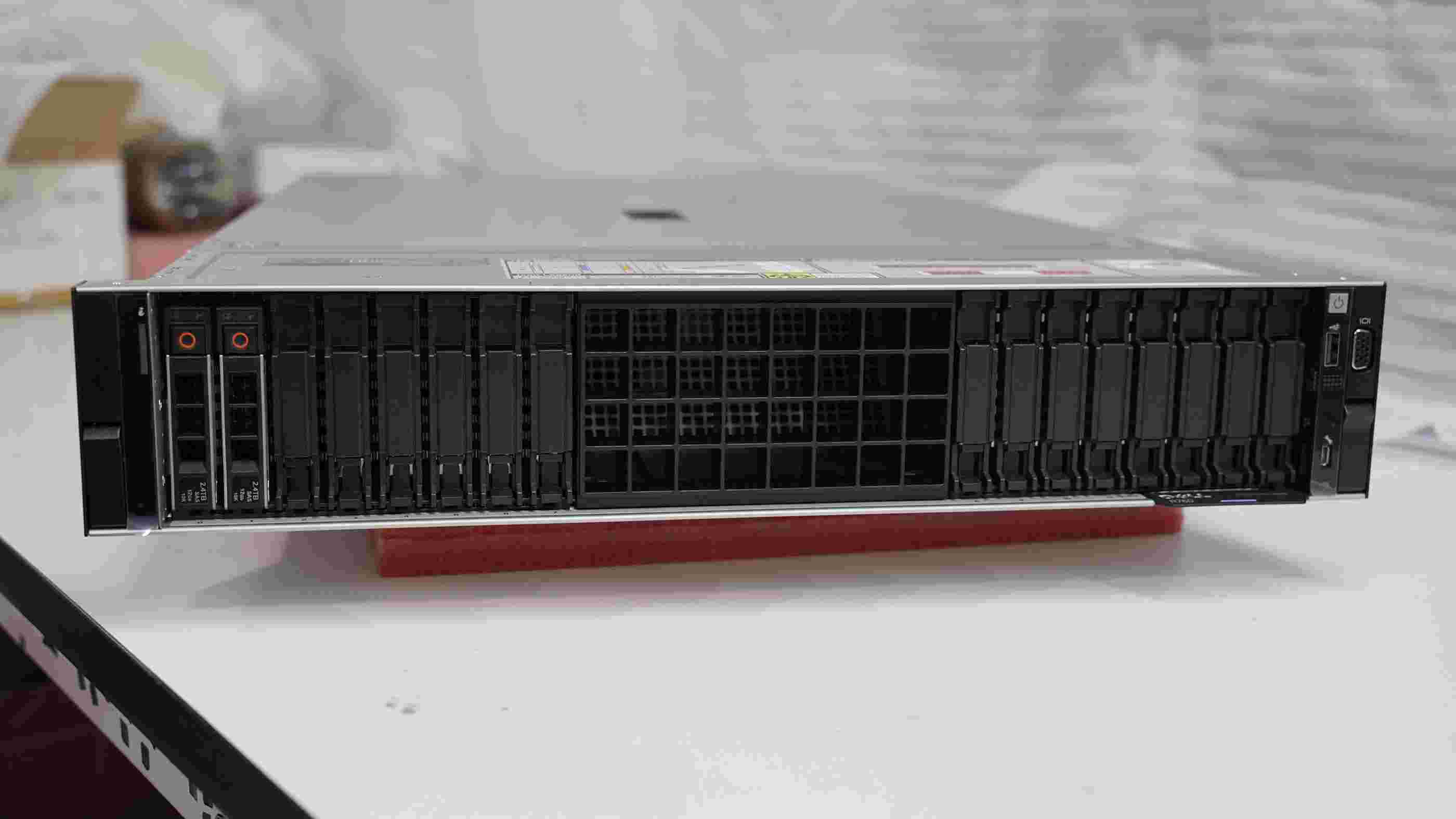
For organizations operating large-scale media asset systems, distributed databases, or object storage pools, storage density per rack unit is key. The xFusion Fusionserver 5288 V6 4U 2-socket server supports up to 36x 3.5-inch hot-swap SAS/SATA drives. When paired with high-performance Enterprise SAS HDDs (600GB to 2400GB 10K/12G/s rates), this configuration provides massive raw capacity with localized mechanical redundancy, serving as an optimal target node for active archiving, backup target pools, or centralized VM storage.
Deploying AI models at scale requires robust PCIe connectivity to handle high host-to-card communication bandwidth. Our V6 systems support multiple PCIe Gen4 expansion slots, allowing users to install dual-slot GPU accelerators for low-latency AI inference. This design makes the 1288H V6 2-socket server or the newer V7 GPU systems ideal for tasks like real-time video analytics, automated NLP pipelines, and generative AI models. By keeping components physically close, these servers minimize signal degradation and help maximize GPU utilization.
In virtualized enterprise clouds, running out of RAM often limits host performance before CPU cores are fully utilized. By utilizing high-density DDR4 RDIMMs (16GB, 32GB, and 64GB ECC modules clocked at 3200MHz), our V6 server configurations can support up to 32 DIMM slots, enabling terabytes of RAM on a single motherboard. This design allows IT administrators to maximize VM density per chassis, reduce overall licensing costs for virtualization platforms, and scale operations without expanding their physical footprint.
Technical Focus: Component Synergy
A balanced server requires careful component selection. Pairing a fast Intel Xeon CPU with mismatched storage or RAM can create performance bottlenecks. Vornaxis helps clients optimize this balance by matching CPU UPI link speeds with appropriate DDR4/DDR5 memory modules and SAS/NVMe storage controllers, ensuring consistent performance under heavy workloads.
Procuring server hardware at a wholesale scale involves navigating complex compatibility, safety, and logistical requirements. Enterprise procurement teams require assurances that hardware will integrate smoothly into existing rack designs and meet local electrical safety codes. Vornaxis addresses these key procurement requirements through several core pillars: