Vornaxis
Vornaxis
Vornaxis
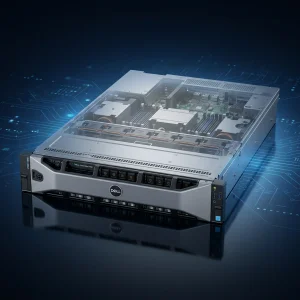
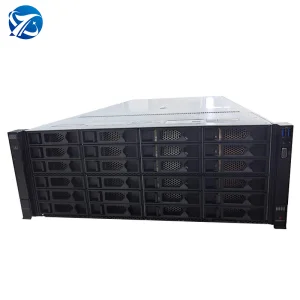

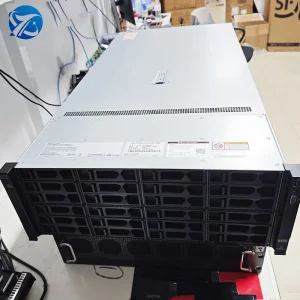
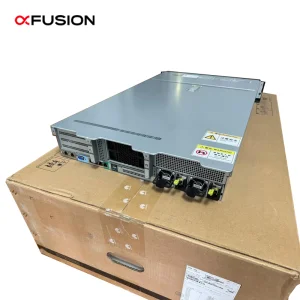
A global leader in professional artificial intelligence (AI) and High-Performance Computing (HPC) infrastructure design, optimization, and system manufacturing.
Founded in 2016, Vornaxis Compute Ltd. (www.vornaxiscompute.com) has spent more than a decade establishing its presence at the vanguard of the computational revolution. As a dedicated OEM/ODM export-oriented enterprise, we engineer state-of-the-art server solutions that bridge the gap between complex mathematical modeling and hardware realization.
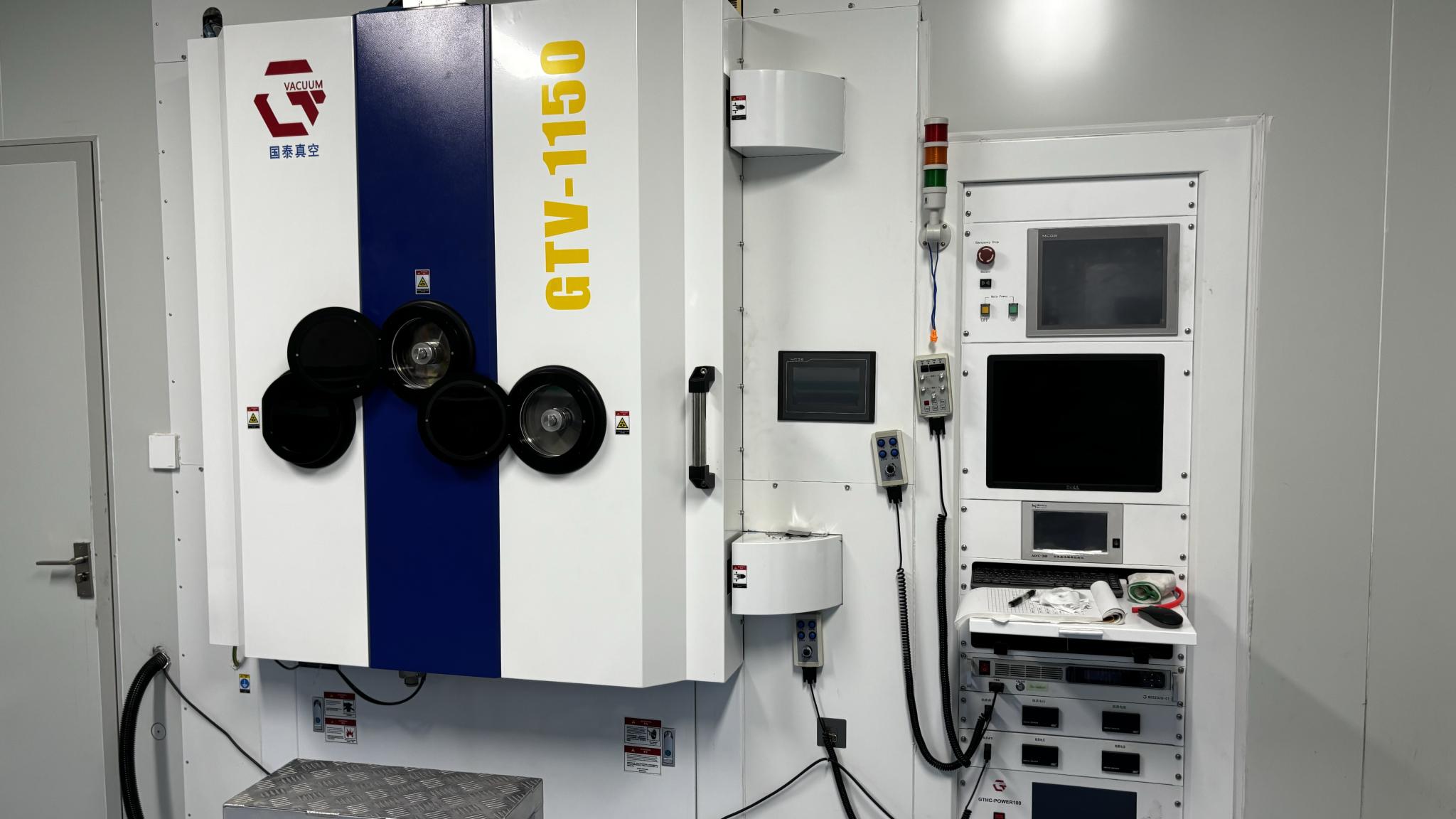
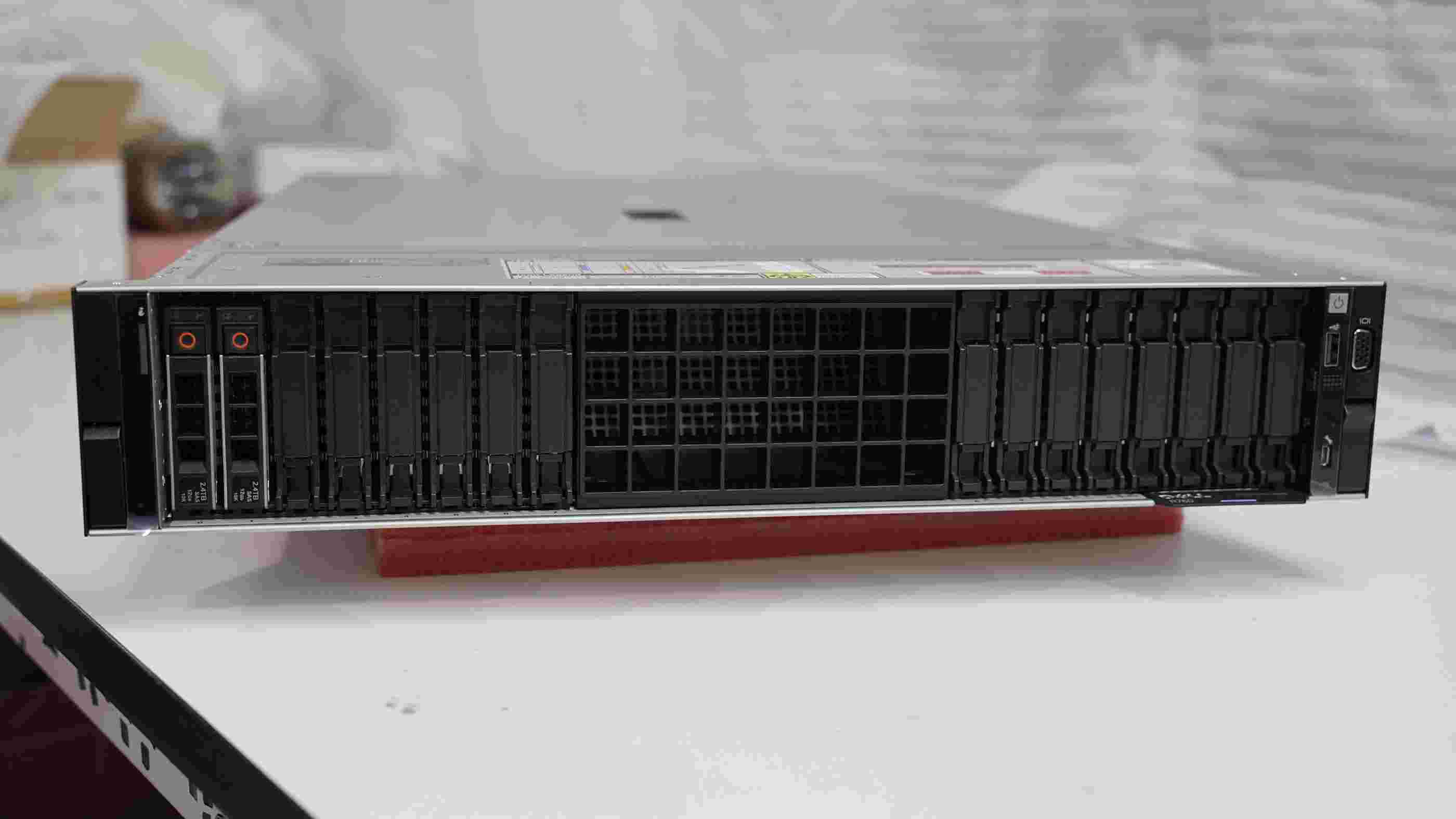
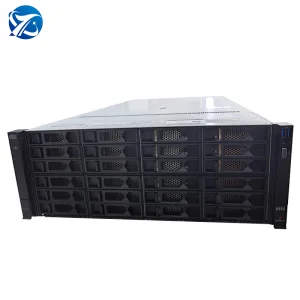
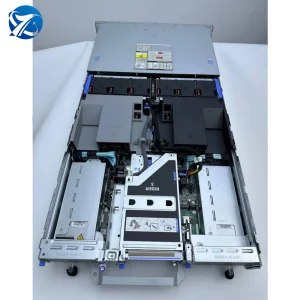
Our capabilities encompass high-density GPU architectures, direct-to-chip liquid cooling loops, high-performance PCIe backplanes, and low-latency storage fabrics. We operate a highly specialized testing lab, utilizing advanced functional diagnostics and automated inspection technologies to ensure hardware deployed across global datacenters delivers absolute structural reliability under extreme computational loads.
Our dedicated system integration and environmental testing facility guarantees absolute compliance with international server manufacturing standards.
Vornaxis bridges raw silicon power with application-level demands, custom engineering server builds optimized for industry-specific data flows.
Training multi-billion parameter foundational models demands ultra-dense GPU configuration. Our systems are engineered to facilitate optimal GPU cluster design, scaling inter-GPU communication bandwidth through advanced hardware topologies (such as OAM networks or HGX baseboards) for models like DeepSeek, LLaMA, and proprietary enterprise architectures.
Computational chemistry, fluid dynamics simulations, and weather forecasting require high double-precision (FP64) performance and high-speed local scratch storage. Vornaxis configurations utilize multi-socket architecture, optimized CPU-to-GPU PCIe topologies, and NVMe-over-Fabrics storage arrays to maximize data ingestion.
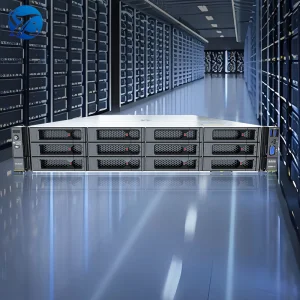
Processing thousands of high-definition video streams concurrently in real-time requires power-optimized hardware accelerator nodes. Our sub-2U low-depth systems are designed to fit edge deployments, offering high thermal resilience, physical dust resistance, and customizable PCIe expansion slots for dedicated AI video analytics cards.
Modern cloud infrastructure demands have outpaced off-the-shelf catalog server designs. Modern data centers require target-specific hardware optimizations, balancing thermals, peak power draw, network topology, and processing architectures. As memory bandwidth bottlenecks persist (the "memory wall"), Custom OEM manufacturers have become critical partners for top-tier datacenters.
By leveraging custom BIOS configuration, specialized fan control tables (BMC firmware customization), and precise power phase allocation, Vornaxis ensures the systems run at peak performance without thermal throttling. Our systems integrate seamlessly with open-hardware management standards, utilizing Redfish APIs, IPMI 2.0, and custom dashboard monitoring to minimize operational overhead.
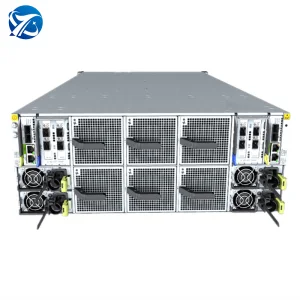
With TDPs for modern enterprise processors exceeding 350W and GPUs climbing past 700W, traditional air cooling is rapidly reaching its physical limit. Vornaxis engineers specialize in custom liquid-loop integrations, utilizing cold plate technology, custom leak-resistant manifolds, and redundant quick-disconnect couplings to optimize heat dissipation directly from source silicon.
Our R&D department follows a comprehensive system integration pipeline to deliver custom OEM hardware configurations:
Selecting system backplanes, high-speed riser cables, and memory profiles matching customer target workloads.
Using CFD analysis to design custom fan baffles, high-performance heatsinks, or custom liquid cooling blocks.
Customizing IPMI parameters, flashing secure keys (silicon-level hardware security modules), and validating hypervisors.
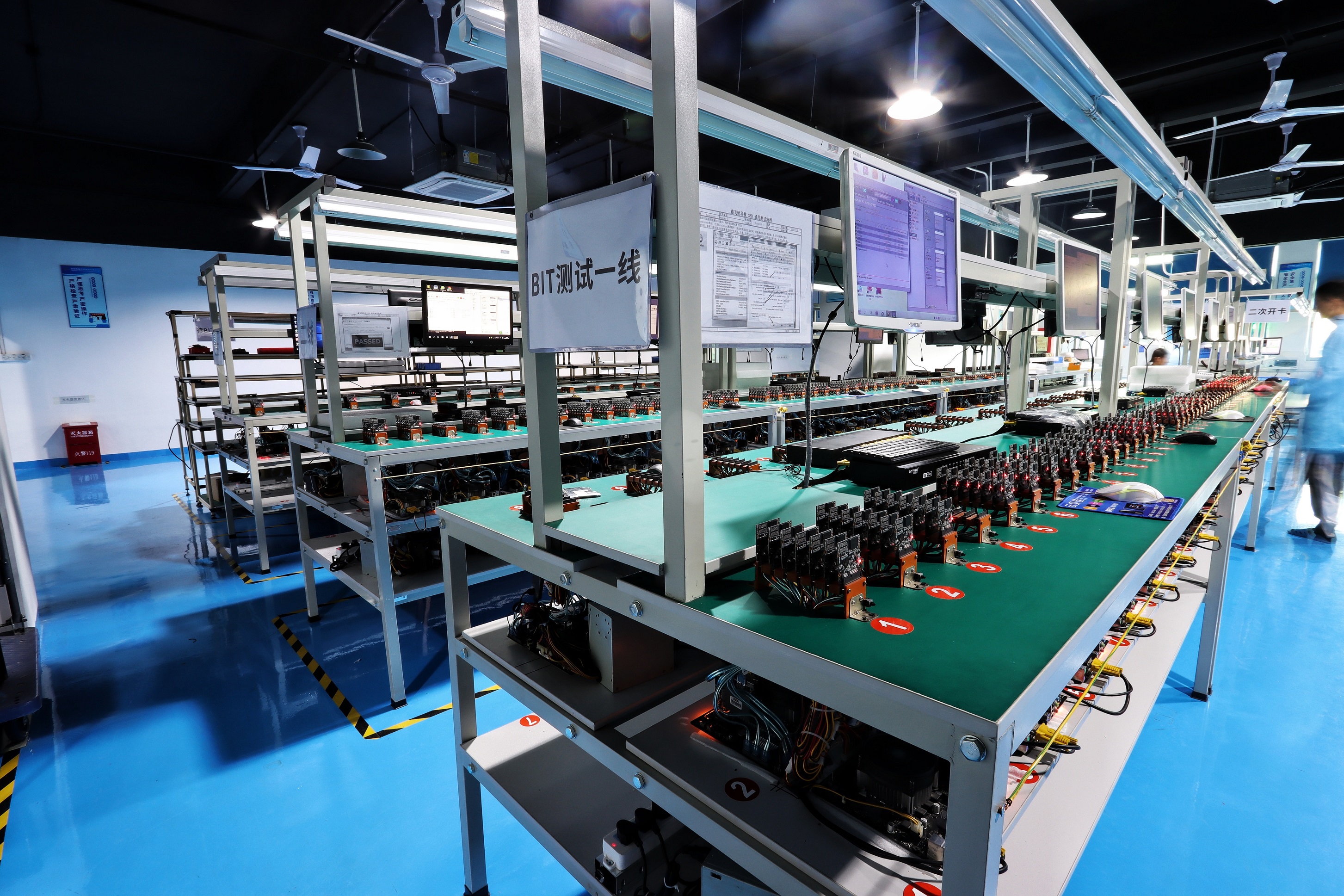
We maintain zero-tolerance quality control practices. Under ISO 9001 frameworks, every system node undergoes rigorous testing before shipment.
Automated Optical Inspection (AOI) processes map microscopic motherboard component alignments. We inspect layout topography, solder joint structural strength, and surface-mount device placement accuracy to guarantee long-term system stability under thermal load transitions.
Every node undergoes system burn-in testing. We subject our systems to extended Prime95, FurMark, and custom memory pattern tests inside dynamic thermal chambers (-10°C to 55°C) to isolate early component degradation and potential failure points.
Our production facilities are ISO 9001 and RoHS compliant. We systematically inspect components to guarantee zero lead usage and strict electromagnetic compatibility (FCC Class A/CE) across our high-voltage 2200W+ server PSUs.
Global server installations require fast, localized technical response and compliant customs documentation. Vornaxis provides specialized engineering support tailored to regional regulatory requirements.
We work closely with logistics partners in North America, Europe, the Middle East, and Southeast Asia to facilitate seamless customs clearance of enterprise hardware. Whether deploying system clusters in Frankfurt, Silicon Valley, Singapore, or Dubai, our documentation package includes localized CE, FCC, RoHS, and WEEE compliance certifications.
To reduce post-installation latency, we provide replacement components to regional data hubs, securing long-term service agreements with field engineers ready to support bare-metal diagnostic needs.
Our engineering roadmap focuses on upcoming technological transitions, ensuring customer hardware investments remain future-proof.
As CPU-GPU bandwidth demands escalate, we are developing system layouts that support PCIe Gen 6 routing requirements. Using low-loss PCB substrates, we ensure trace routing prevents signal degradation. We integrate CXL (Compute Express Link) protocols to establish unified memory spaces between host CPUs and hardware accelerators.
Our upcoming server models focus on maximum compute consolidation. We design highly dense structural frame setups with internal power distribution blocks that handle massive physical weight and deliver 48V-54V power delivery configurations to the node baseboards directly.
To support corporate environmental goals, Vornaxis is designing hardware chassis using post-consumer recycled steel and biodegradable packaging materials. We configure standard system profiles to run at maximum thermal thresholds, minimizing energy consumption within datacenter facilities.
Yes. We specialize in custom BIOS/BMC firmware engineering. This includes tailoring fan speed controllers, editing PXE boot properties, locking BIOS values for hardware security, and modifying IPMI sensors to align with your platform monitoring frameworks.
Our QA teams use oscilloscopes and signal analyzer systems to verify trace impedance across all riser slots. By running physical board testing alongside automated optical checks, we eliminate potential data transmission issues before assembly.
For training servers like our 8U models, we recommend high-pressure fan assemblies (minimum 15,000 RPM) or custom liquid-to-air cooling options. This maintains stable GPU temperatures, preventing performance drops during continuous computational processing.
Yes. Vornaxis operates with a network of over 850 verified component providers. Every processor, memory chip, and capacitor trace is documented to ensure quality consistency and compliance with local import/export regulations.
Absolutely. Our assembly lines are designed for flexible ODM manufacturing. We can build and test custom server frames, backplanes, power supplies, and cooling systems, leaving components like CPUs, memory modules, or GPUs for your teams to install.
A standard design cycle takes 6 to 10 weeks from initial configuration to prototype testing. Once thermal characteristics and electrical configurations are approved, full production runs can scale to volume inside 4 weeks.