Vornaxis
Vornaxis
Vornaxis
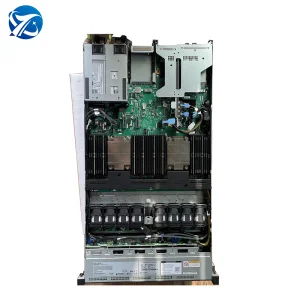
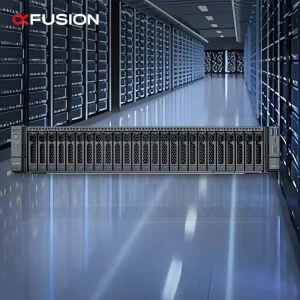
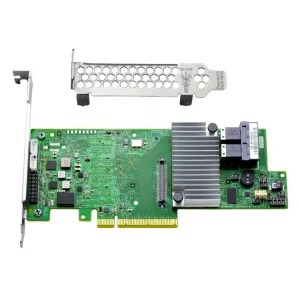
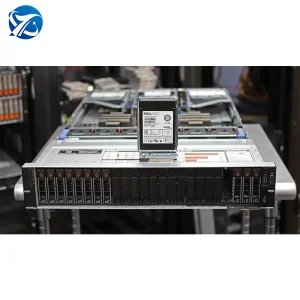
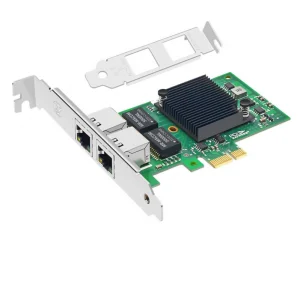
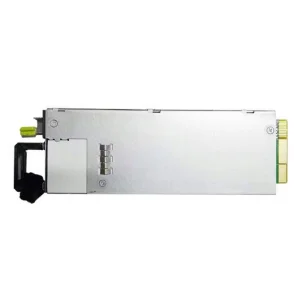
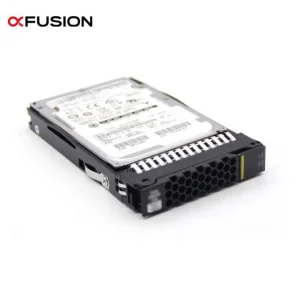
Predictive Maintenance (PdM) has transitioned from an operational option to a mission-critical imperative for modern heavy industries, hyperscale data centers, and advanced smart manufacturing environments. Traditionally, maintenance strategies relied on reactive measures (fixing components post-failure) or rigid scheduled interval routines. Both methodologies impose severe economic penalties: the former causes catastrophic, unplanned operational stops, while the latter results in the premature disposal of viable wear components. Today, Industrial AI and GPU-accelerated computing unlock the potential of continuous real-time prognostic assessment.
Vornaxis Compute Ltd. designs and manufactures high-density GPU computing platforms and rugged edge servers optimized to run localized Deep Learning and Transformer models for predictive analytics. By processing real-time time-series sensor data (such as tri-axial vibration profiles, thermal imaging data, magnetic flux variations, and high-frequency acoustic emissions), our infrastructure empowers enterprise clients to accurately determine the exact degradation curve of rotodynamic machinery, power grids, and data storage structures. Our computational designs drastically decrease the overall Total Cost of Ownership (TCO) by reducing unplanned downtime by up to 45% and extending hardware lifespans by 30%.
Process millions of data packets per second from Edge IoT arrays. Our GPU infrastructure utilizes optimized PCIe Gen5 pipelines for real-time parallel stream parsing.
Leverage DeepSeek LLM architectures and convolutional networks to distinguish normal operational variations from micro-structural machine wear patterns.
Integrate with enterprise SCADA and ERP databases to automatically flag work orders and dynamically adjust feed rates to protect distressed mechanical assets.
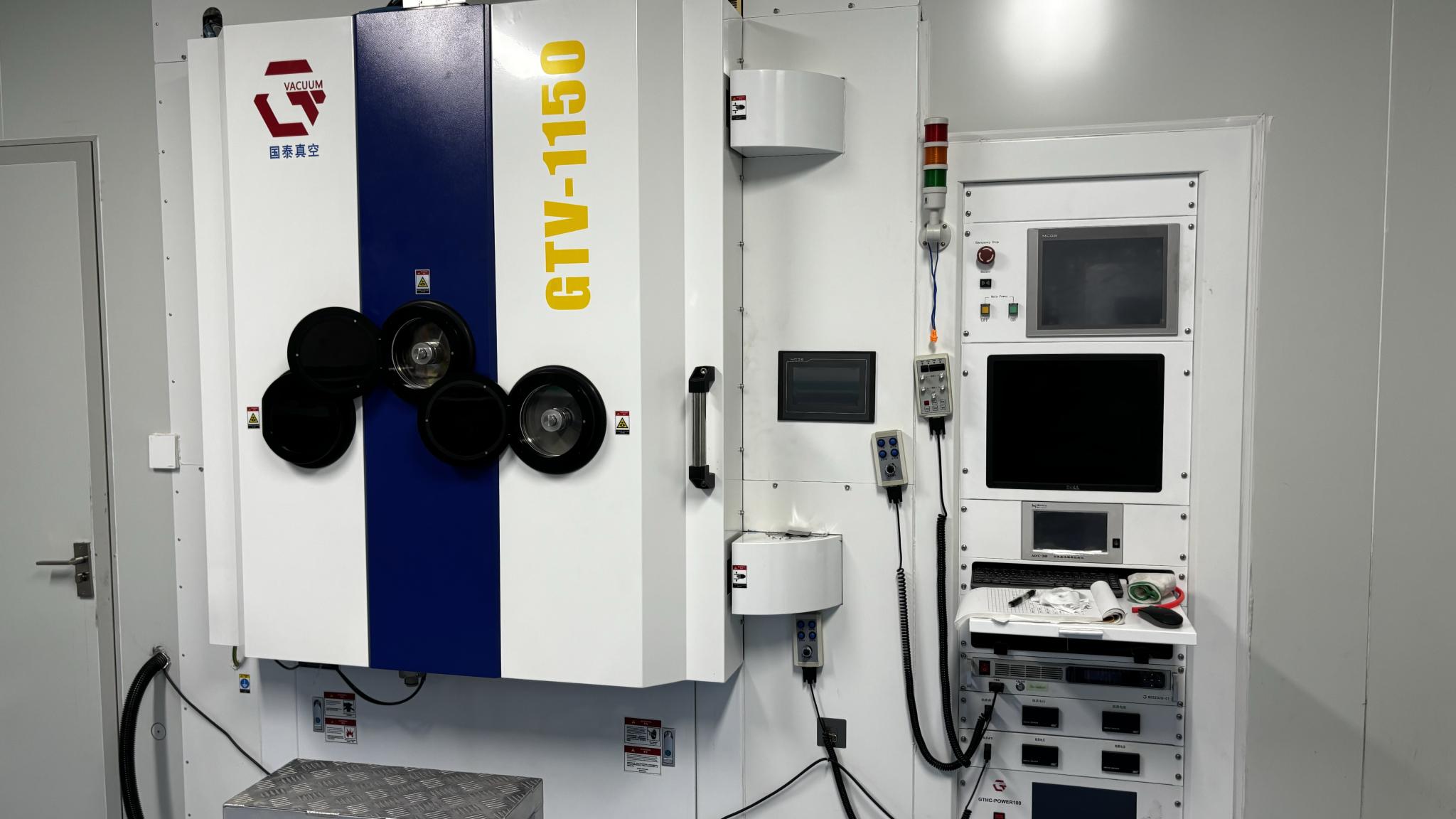
Founded in 2016, Vornaxis Compute Ltd. (Vornaxis) stands as a preeminent, export-oriented OEM/ODM designer and manufacturer of custom GPU server architecture, liquid cooling systems, and critical edge infrastructure. Our specialized testing laboratories and head integration facility span a precision-controlled 320 m² building area, engineered to handle complex hardware verification, component burn-in, and thermal profile compliance testing.
Our commitment to technical excellence and product durability is supported by 12 years of industry experience, with 6 years of global export specialization. By maintaining robust partnerships with over 850 upstream and downstream component manufacturers, we ensure a highly resilient supply chain capable of delivering enterprise components even during global logistics disruptions. Through this global network, we serve data centers, AI startups, high-performance computing (HPC) research laboratories, and enterprise IT system integrators across North America, Europe, Southeast Asia, and the Middle East.
Website: www.vornaxiscompute.com
Deploying large-scale predictive maintenance infrastructure requires hardware that can withstand harsh environments and handle heavy workloads. Manufacturing in China allows Vornaxis to combine rapid engineering prototyping with cost-effective, high-volume production.
Through our extensive supplier network of approximately 850 upstream component vendors, Vornaxis provides complete custom chassis fabrication, PCB configuration, specific backplane adjustments, and custom IPMI firmware builds designed to integrate with client network monitoring software.
ISO 9001:2015 certified, CE, FCC, RoHS compliant, UL-ready systems.
Modern predictive maintenance systems are evolving beyond simple sensor monitoring. Industrial systems require local processing, low-latency analysis, and secure data handling to predict machine failures before they impact production. Here are the key trends driving the industry:
Sending raw, high-frequency sensor readings to the cloud is often impractical due to bandwidth limitations and security concerns. Industrial users are increasingly deploying specialized Edge AI servers next to their machinery. This configuration allows for local anomaly detection, reducing data transmission costs and enabling immediate shutdown triggers in critical failure events.
Single-sensor analysis can miss key indicators. Modern predictive maintenance systems combine vibration patterns, temperature logs, acoustic emissions, and electrical current profiles. Processing these diverse inputs requires high-performance, multi-channel hardware capable of running complex fusion algorithms without bottlenecking.
Deep Learning models, including tailored Transformer designs, are improving long-term predictive accuracy. These networks require robust compute infrastructure with dedicated GPU acceleration to calculate the Remaining Useful Life (RUL) of components and dynamically forecast maintenance windows.
Our OEM/ODM servers provide the high-performance hardware foundation for predictive maintenance systems across multiple industrial sectors:
Deploying robust, dust-protected rack servers near mechanical assets. These systems collect multi-channel vibration, thermal, and sensor inputs to run real-time anomaly detection, helping prevent sudden, unplanned assembly line shutdowns.
Implementing predictive maintenance for servers and cooling infrastructure. Hardware monitors disk write latencies, power usage variations, fan speeds, and cooling fluid rates to predict component issues and prevent network downtime.
Running high-performance, lower-power Edge servers inside substations and offshore wind platforms. Systems analyze electrical noise and vibrational patterns to warn operators of wear, allowing maintenance teams to plan visits before failures occur.
Installing compact, shock-resistant servers on commercial vessels and rail networks. These devices monitor critical engine systems, dynamic thrust loads, and wheel wear, synchronizing data with central hubs when communication is available.
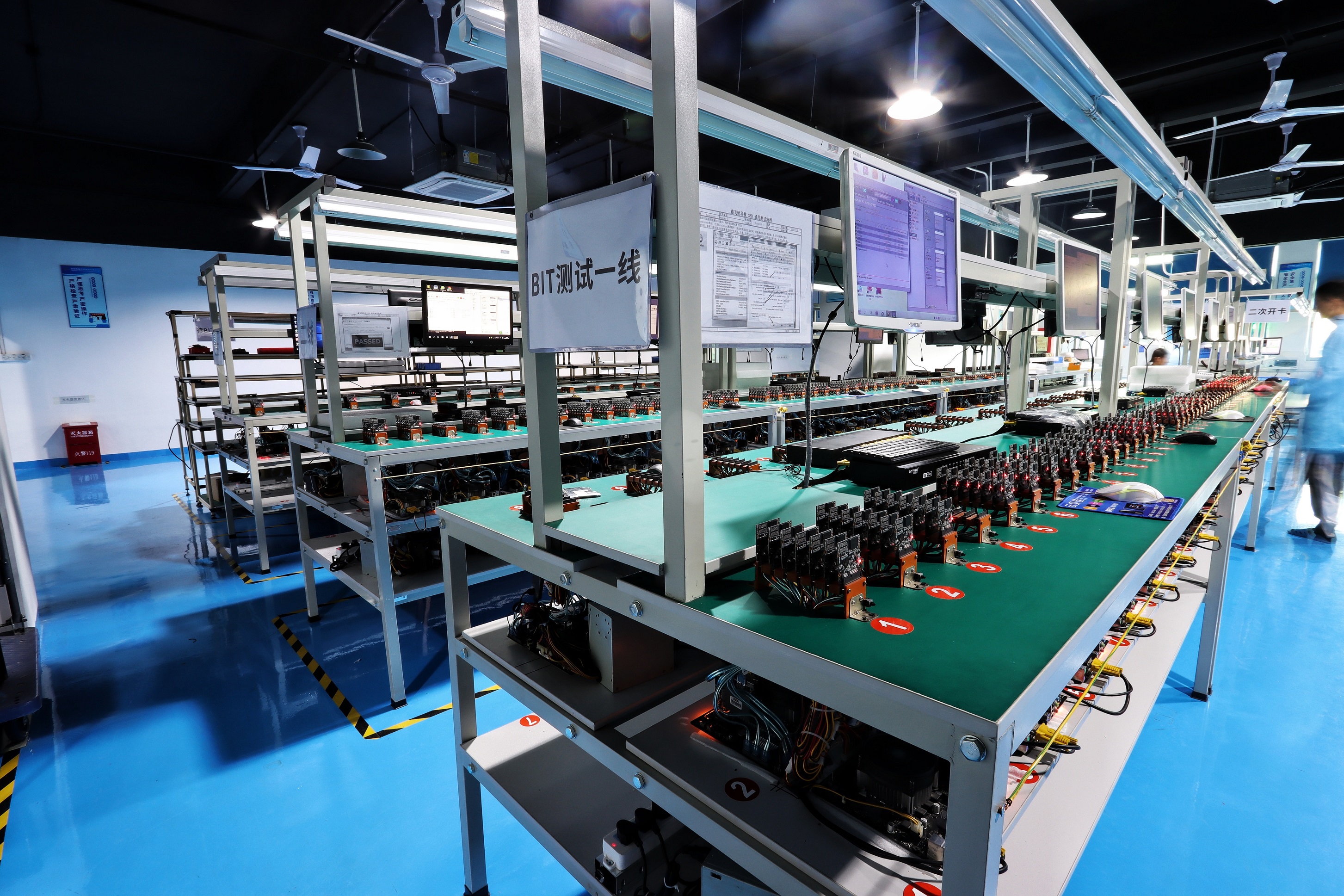
To ensure system stability in harsh industrial settings, Vornaxis runs rigorous testing protocols on every server model. Our quality assurance team of 45 certified professionals inspects all hardware assemblies to minimize issues and protect critical client processes.
High-resolution imaging checks every solder joint, component placement, and traces on high-density PCBs to prevent electrical anomalies and maintain signal integrity.
Testing assemblies in specialized climate chambers from -10°C to +60°C. This process stresses solder connections, capacitors, and silicon to ensure stable operation under variable conditions.
Hardware undergoes 24 to 72 hours of uninterrupted computational workloads, targeting CPUs, memory modules, GPUs, and network cards to identify early component failures before shipping.
Find answers to common questions about our custom hardware manufacturing for predictive maintenance deployment.
A1: Our systems feature PCI Express expansion slots, dedicated GPU power rails, and support for high-bandwidth storage interfaces. This allows you to process high-frequency sensor streams (e.g., vibration, acoustic data) directly at the edge, reducing latency and avoiding high cloud egress charges.
A2: Yes. We offer firmware customization services. Our engineering team can supply custom IPMI 2.0 and Redfish-compliant firmware builds, including options to disable specific ports, integrate customized keys, and ensure compatibility with your enterprise management tools.
A3: We work with over 850 vetted hardware suppliers. This broad network helps us source long-life components and secure equivalent options when parts are discontinued, ensuring consistent hardware support for your installations.
A4: We design air and liquid-cooled configurations. For harsh environments, we offer high-static-pressure cooling fans and heatsinks, alongside closed-loop liquid systems for high-density GPU applications.
A5: Yes. We can modify chassis heights, mount layouts, and input panel configurations to fit non-standard industrial enclosures and mobile server setups.
A6: Design and prototyping usually take 3 to 6 weeks depending on requirements. Once approved, production runs are scheduled with regular progress reports from our factory floor.
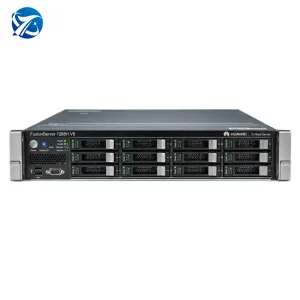
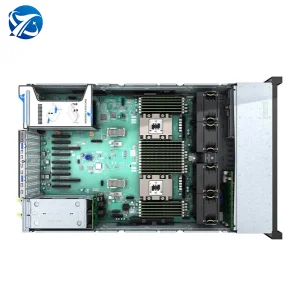
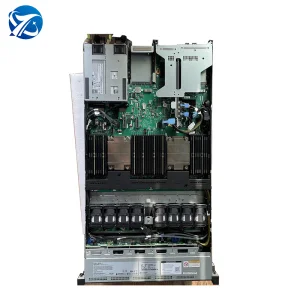
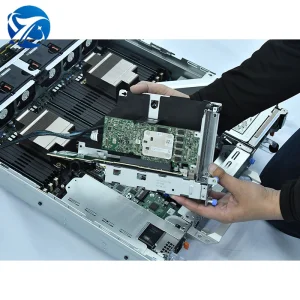
Take a virtual look inside our engineering labs, cleanroom assembly lines, and thermal performance testing areas. We follow rigorous operational procedures to ensure every server is built to last.