Vornaxis
Vornaxis
Vornaxis
Premium server platforms designed for high availability, real-time data replication, and high-performance computing.
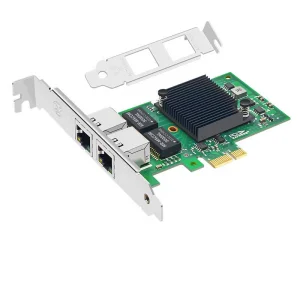
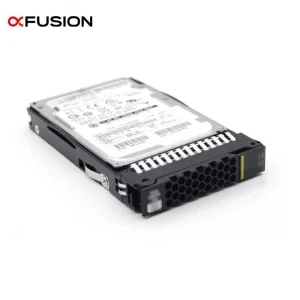
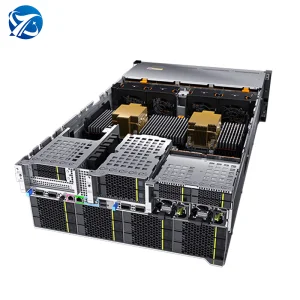
Analyzing the evolutionary shift from software redundancy to hardware-hardened disaster prevention mechanisms.
In an era dominated by large-scale artificial intelligence, multi-tenant cloud ecosystems, and millisecond-sensitive transactions, system outages are no longer minor inconveniences—they are financial catastrophes. Traditional Business Continuity and Disaster Recovery (BCDR) solutions focused primarily on periodic virtual backups and operating system checkpoints. Today, true resiliency demands integration at the bare-metal architecture layer. Standard software failovers cannot protect against physical storage corruption, cache latency anomalies, or power supply unit (PSU) fluctuations.
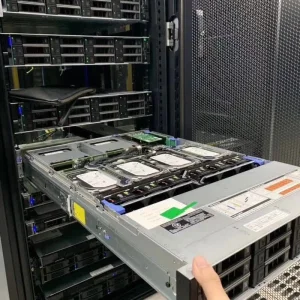
Modern cloud datacenters require deep integration between host systems and localized array cache components. Innovations like PCIe Gen 4.0/5.0 interfaces, hot-swappable storage media (specifically dual-port NVMe and high-reliability SAS drives), and redundant hardware RAID topologies provide the structural foundation for continuous operation. When computing clusters run LLM (Large Language Model) inference algorithms, hardware-level memory preservation is critical to prevent total operational freezes during regional anomalies.
"A robust business continuity posture is no longer defined by how quickly a system recovers from a crash, but by how transparently the underlying hardware absorbs physical component failures without disrupting execution pipelines."
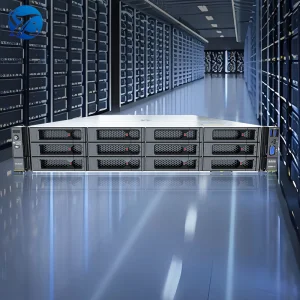
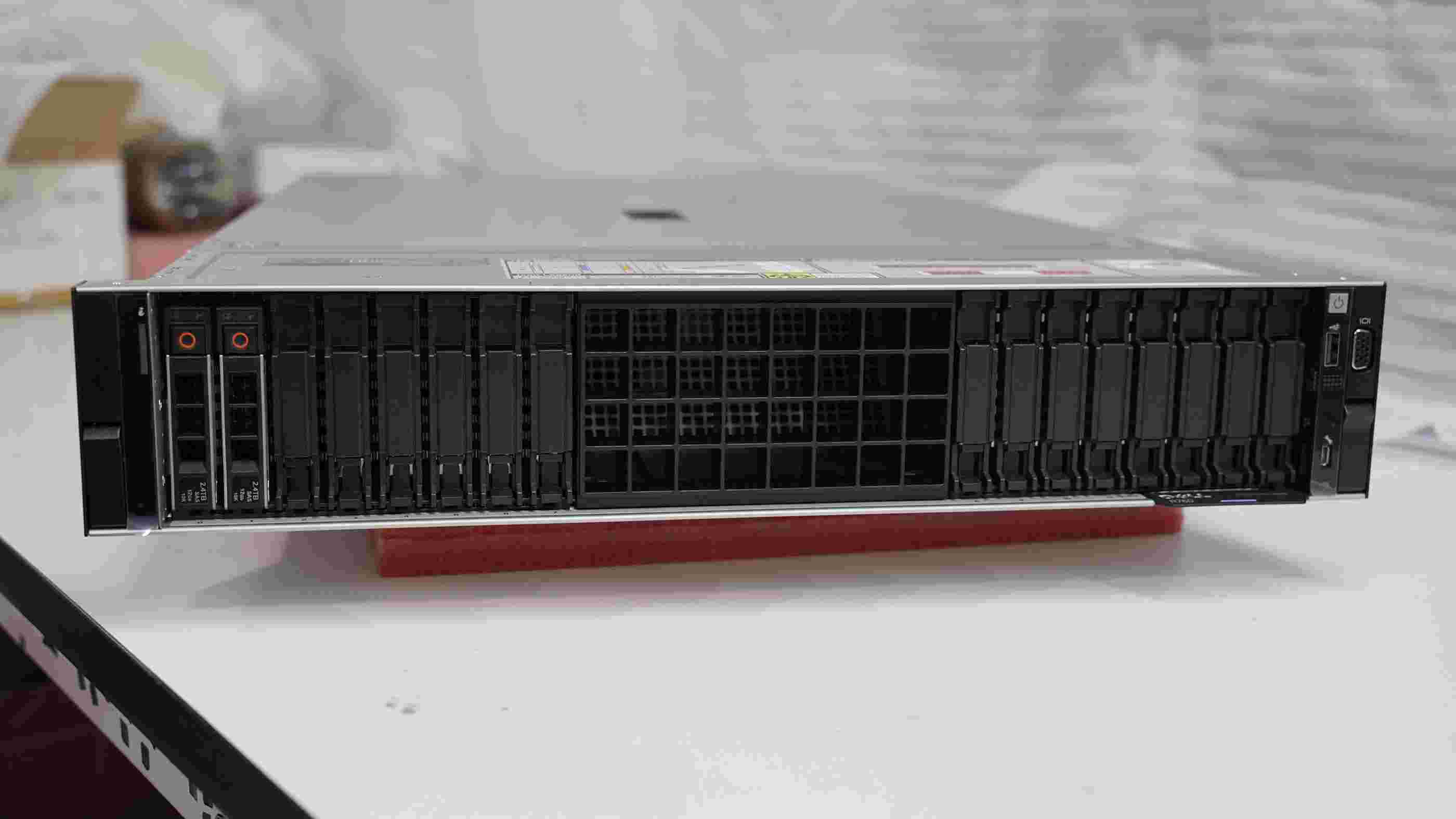
Corporate IT procurement pipelines have shifted from purchasing general-purpose compute units to acquiring workload-optimized systems featuring integrated fail-safes. Across North America, Western Europe, and parts of Southeast Asia, enterprises are standardizing on 2U and 4U multi-socket platforms configured with dual redundant power supplies, thermal-optimized cooling shrouds, and dedicated hardware-level storage controllers (such as the LSI SAS 9560/9540 series).
This shift is driven by global regulatory landscapes, including the Digital Operational Resilience Act (DORA) in Europe and stricter SOC 2 / ISO 27001 disaster recovery standards in the Americas. Businesses now audit the hardware supply chain directly, prioritizing manufacturers capable of offering verified server system integration, pre-shipment stress testing, and customized system design.
How state-of-the-art automation and strict quality validation ensure hardware stability under extreme workloads.
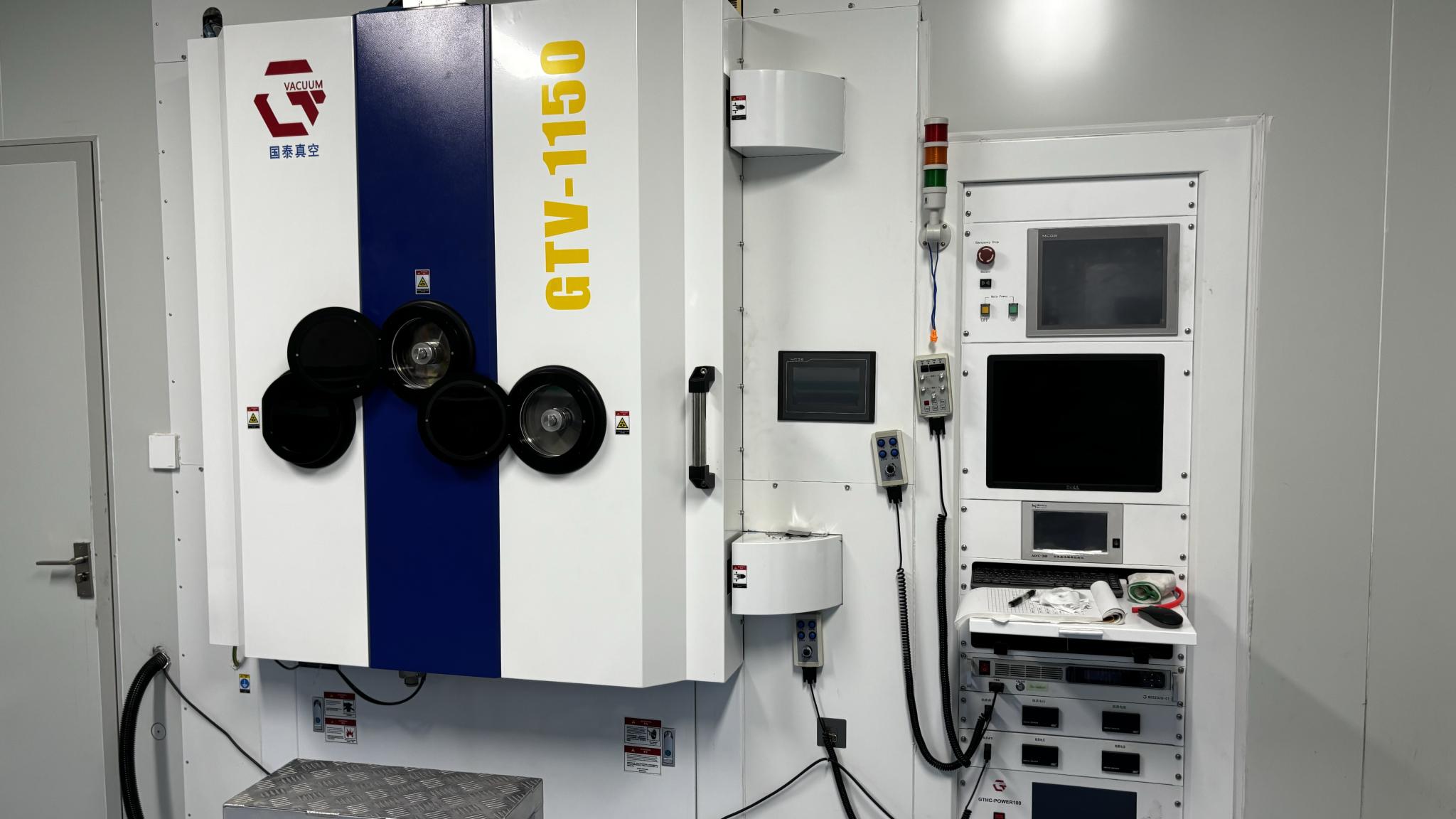
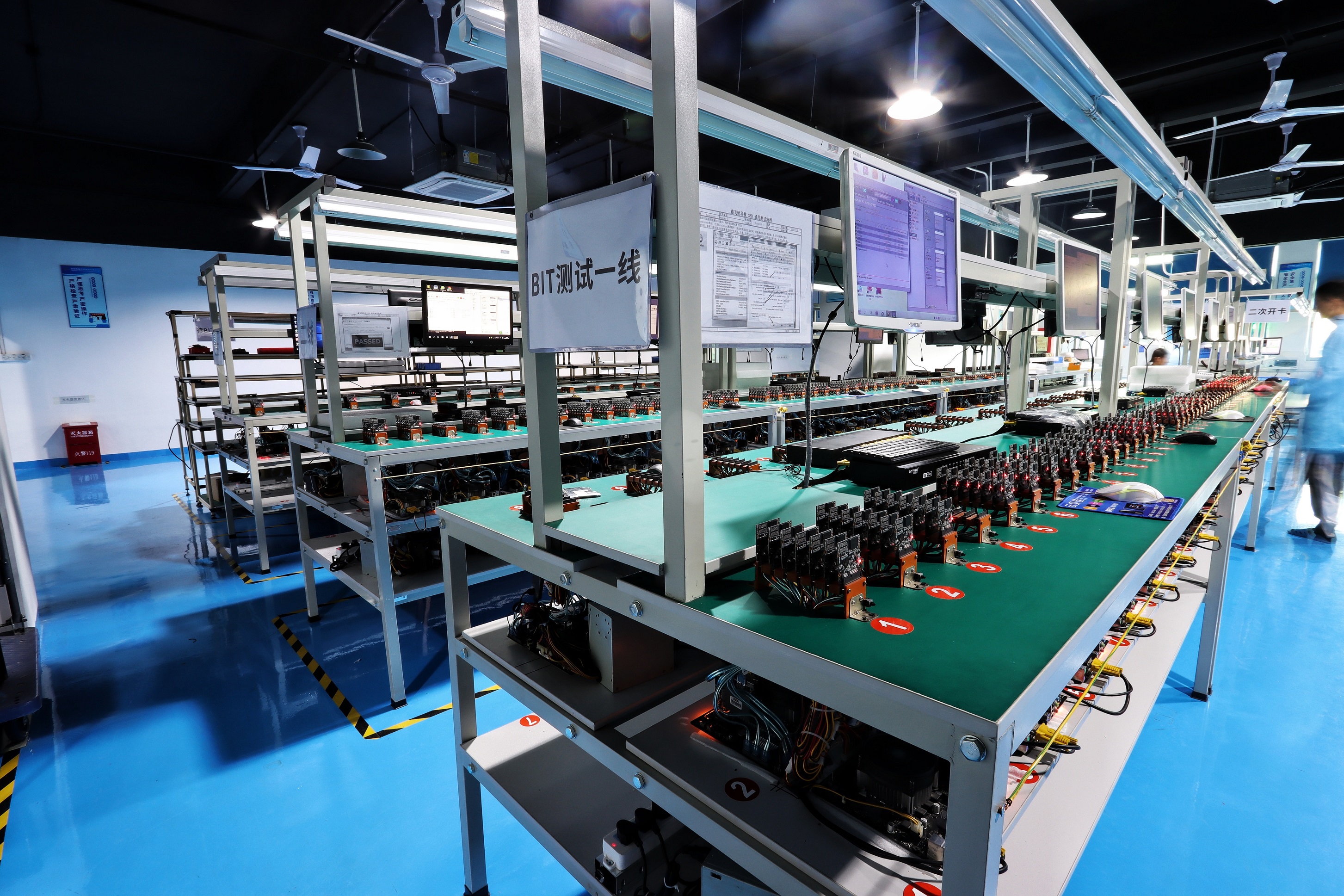
Utilizing high-precision Automated Optical Inspection systems at every assembly station to eliminate component misalignment, micro-fractures, and cold solder joints, guaranteeing long-term structural motherboard integrity.
Subjecting completely populated compute nodes to strict burn-in procedures under 100% CPU/GPU processing loads, validating power stability and thermal mitigation before exporting units worldwide.
Placing hardware platforms inside localized climate-controlled test chambers to verify system execution across temperature ranges, protecting systems against ambient failures in edge regions.
China's modern high-density server manufacturing ecosystem integrates design, raw silicon component sourcing, component assembly, and hardware verification protocols within concentrated technology hubs. This structural proximity enables manufacturers to quickly implement revisions based on real-world datacenter feedback, cutting production lead times from months to weeks.
Additionally, this integrated manufacturing cluster minimizes supply chain vulnerabilities. When global markets experience controller or raw silicon shortages, factories optimized for Industry 4.0 can adjust PCB trace topologies, implement alternative controllers (like substituting LSI RAID platforms), and alter firmware instructions to maintain continuous production and export lines.
Delivering high-performance computational platforms and custom rack systems for mission-critical operations.
| Vornaxis Compute Ltd. — Specifications & Core Capabilities | |
|---|---|
| Company Registration | Established in 2016 |
| Manufacturing Facility Area | 320 m² state-of-the-art facility |
| Annual Export Volume | USD 18.6 Million (Serving Global Markets) |
| Export & Industry Experience | 6 Years Export Experience, 12 Years Hardened Hardware Development Expertise |
| Quality Frameworks | ISO 9001 Certified Manufacturing, RoHS Compliance, Complete System Burn-in Validation |
| Quality Control Division | 45 Certified QC Engineers & Assembly Inspectors |
| R&D Division Size | 160 System Engineers, GPU Architects, and Thermal Management Engineers |
| Global Target Markets | North America, European Union, Southeast Asia, Middle East |
| Primary Target Verticals | Hyperscale Cloud Datacenters, AI Startups, HPC (High-Performance Computing) Labs, Systems Integrators |
| Customization Capabilities | Rack-Level Optimization, Custom GPU Density Nodes, Advanced Liquid Cooling Loops, BIOS/Firmware Adjustments |
Vornaxis Compute Ltd. stands as a premier manufacturer specializing in deep AI GPU server architecture and cluster system design. By leveraging upstream and downstream relationships with approximately 850 supply chain partners, Vornaxis designs hardware solutions optimized for modern AI training, big data warehousing, and system-level business continuity.
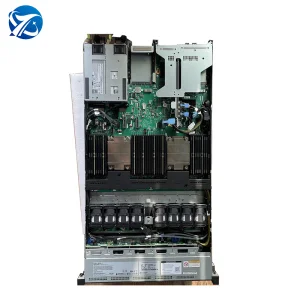
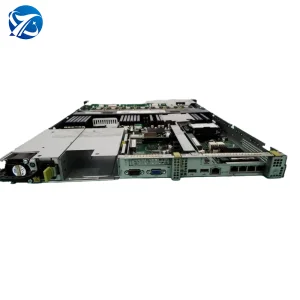
From the initial logic layout to final assembly, Vornaxis focuses on creating resilient hardware paths. For organizations deploying hardware systems in isolated regions, Vornaxis integrates multi-tiered fan controller circuits, enterprise SAS backplanes with automatic failover pathways, and high-speed PCIe RAID controllers configured to support warm-swappable storage targets.

How localized applications leverage redundant hardware architecture to prevent downtime across critical industries.
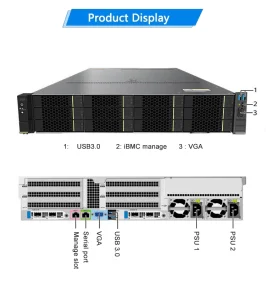
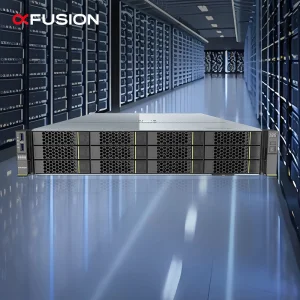
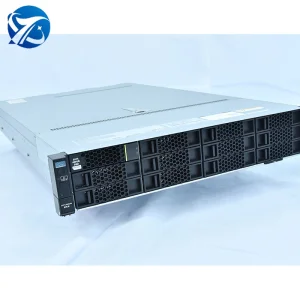
In financial trading, latency spikes and data drops can result in significant losses. Financial institutions deploy high-density rack configurations (like the FusionServer 1288H series) utilizing PCIe 4.0 NVMe SSD arrays connected through dedicated RAID host adapters featuring cache backplanes. Should an SSD fail during a high-speed trading period, the array card routes I/O request channels to standby storage blocks with zero disruption to the transaction layer.
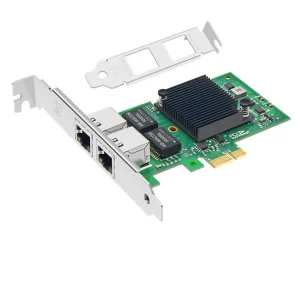
AI research facilities training complex deep-learning architectures depend on weeks of continuous GPU computation. A system freeze halfway through training can corrupt checkpoint logs. Integrating multi-GPU nodes with redundant, load-balancing 2000W PSUs prevents failures from local power surges. Combined with high-throughput network interfaces, AI systems can process massive datasets continuously without interruption.
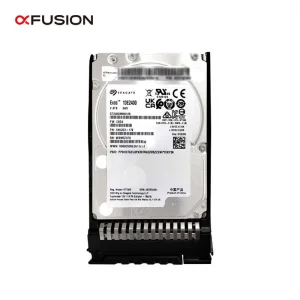
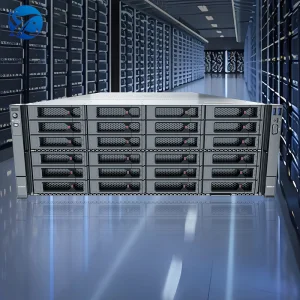
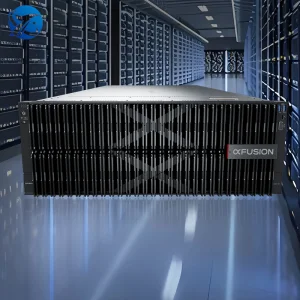
Modern distributed storage frameworks use hot-swappable SAS HDD and SSD arrays to maintain continuous read/write paths. By deploying storage nodes like the FusionServer 5288 V6 (which supports up to 36 drive bays), providers can implement automated tiering. Cold records migrate to high-density SAS drives, while active tables remain on NVMe SSD pools. This maintains seamless service continuity even during individual hardware component upgrades.
A technical guide for procurement officers, enterprise architects, and system administrators.
Evaluating hardware suppliers for critical workloads requires assessing key reliability parameters:
Addressing common queries regarding server hardware configuration, storage redundancy, and enterprise deployment.
Enterprise system expansions, storage media, and high-performance system configurations designed for non-stop operations.