Vornaxis
Vornaxis
Vornaxis
Explore our flagship GPU platforms, multi-socket enterprise rackmount servers, and memory configurations designed for high-density computational workloads.
Vornaxis Compute Ltd. is a global leader in AI GPU server fabrication, delivering scalable high-performance compute architectures, GPU clusters, and custom bare-metal solutions to meet the growing demands of modern AI/ML development and enterprise networks.
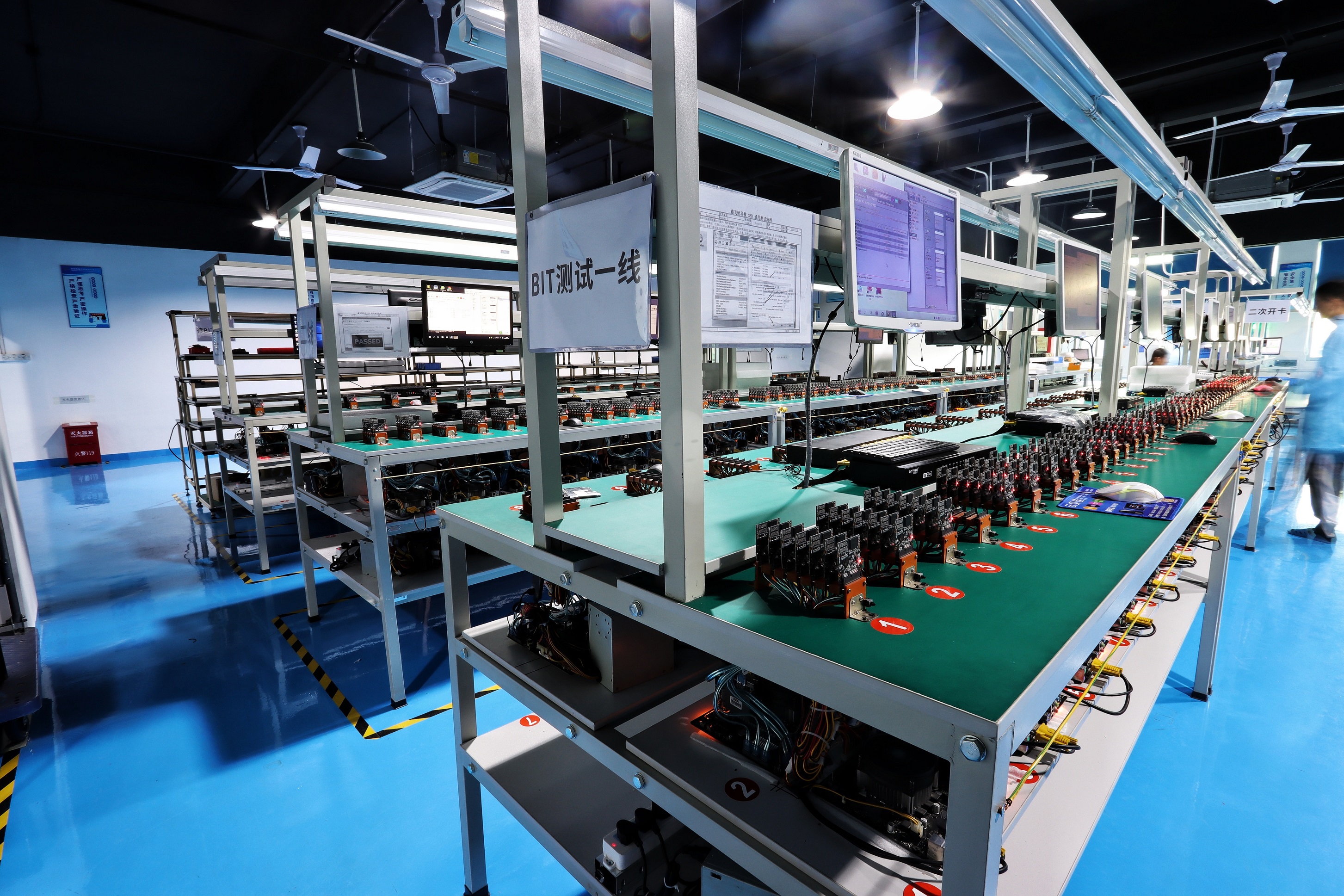
Operating with certified compliance under ISO 9001 and RoHS Directive standards. Every unit undergoes automated optical inspection (AOI), full-system burn-in validation, stress tests under thermal cycling, and rigorous post-production testing. 45 dedicated QC professionals ensure zero-defect shipment rates.
Leveraging deep expertise in liquid-cooling system engineering, GPU host architecture integration, and firmware customization. With 120+ new models and system upgrades launched in the last year, Vornaxis caters to custom rack designs, custom BIOS/BMC firmware profiles, and complex network configurations.
The global enterprise data ecosystem has fundamentally shifted. As deep learning workloads, microservice architectures, and multi-tenant platforms saturate the IT environment, standard virtualized compute environments are hitting distinct limits. Procurement officers and infrastructure heads are increasingly pivoting back to raw physical hardware—specifically, high-performance dedicated bare-metal servers. The transition is driven by three main operational objectives: total cost of ownership (TCO) optimization at scale, precise hardware optimization for complex models (e.g., DeepSeek, LLaMA), and absolute governance over corporate data pipelines.
Dedicated hosting manufacturers and exporters have consequently adapted. Standard commodities have evolved into hyper-specialized, workload-optimized clusters. Enterprises no longer buy generic servers; they procure target systems optimized for low-latency database clustering, neural network inference, or high-throughput storage. In response, global export hubs are designing systems featuring hardware-level network interface virtualization (SmartNICs/DPUs), extreme PCIe slot expansion, and highly efficient dynamic cooling loops.
Replacing hundreds of weak virtual machines with high-density, multi-socket dedicated physical units significantly reduces hypervisor licensing overhead and operational complexity.
Dedicated infrastructure provides clean separation of regulatory environments, meeting rigorous compliance standards (such as GDPR, HIPAA, and PCI-DSS) that shared-host platforms struggle to assure.
Incorporating modern high-bandwidth interconnects and multi-GPU topologies directly into bare-metal servers allows systems to process intensive transformer architectures without virtualization overhead.
From heavy business analytics to high-throughput data processing, specialized bare-metal hosts form the foundational layer of modern corporate IT.
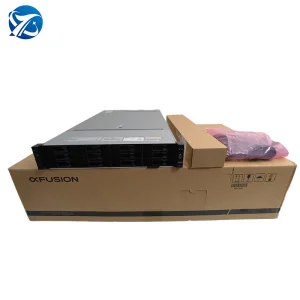
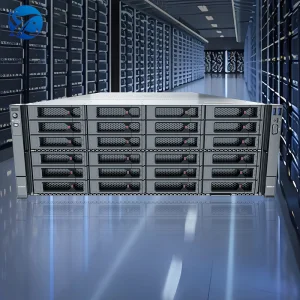
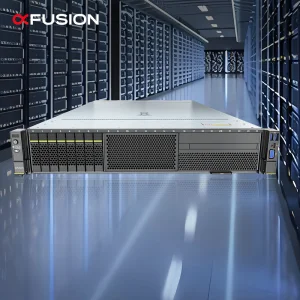
Core business management platforms, including SAP HANA, Oracle, and complex enterprise resource planning (ERP) suites, require immense quantities of consistent, low-latency system memory and multi-socket processing cores. A dedicated server model, like the 4-socket xFusion 2488H V6 platform, delivers the mission-critical stability and high memory capacities needed to prevent thread contention, ensuring database reads take milliseconds instead of seconds.
The emergence of massive AI applications has altered traditional hardware requirements. For large language model (LLM) processing, dedicated GPU nodes must combine multi-core CPUs with specialized tensor processors. Advanced architectures bypass typical operating system storage loops to write directly to high-speed NVMe arrays, ensuring data keeps pace with high-bandwidth graphics processors.
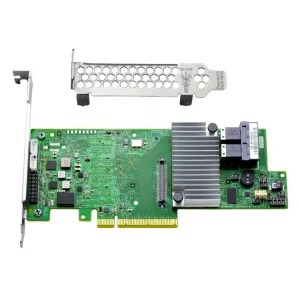
Media distribution and storage networks depend on dedicated storage hosting nodes capable of handling petabytes of data at high bandwidth. Hardware controllers like the LSI 9560-16i-PCIe 4.0 RAID card enable fast transfer rates and absolute data protection across dense SSD arrays, serving millions of concurrent end-user requests with minimal latency jitter.
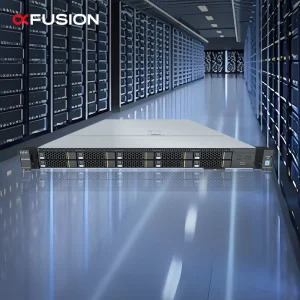
System integrators often leverage highly efficient 1U and 2U dual-socket platforms, such as the FusionServer 1288H V5, to build localized corporate hypervisors. By deploying dedicated base nodes, enterprises can establish their own private clouds, achieving granular control over virtual resource allocation, vCPU provisioning, and internal virtual network security rules.
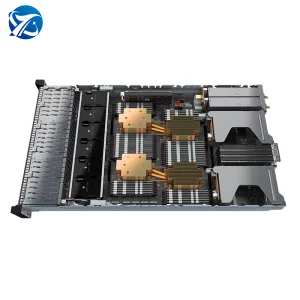
As semiconductor densities increase and thermal envelopes expand, server manufacturing is undergoing significant changes. Air-cooling is rapidly reaching its thermal limit for multi-GPU arrays and high-frequency processors. In response, server manufacturers are standardizing liquid cooling infrastructures, utilizing direct-to-chip cold plate technologies and chassis-level quick-disconnect manifolds. This technical shift allows enterprise data centers to dramatically decrease Power Usage Effectiveness (PUE) ratios, meeting global green energy initiatives while preventing thermal throttling on intensive workloads.
Furthermore, interconnect technology has advanced to keep pace with modern data needs. The integration of PCIe Gen 5.0 and the development of PCIe Gen 6.0 architectures, alongside CXL (Compute Express Link) protocols, enable unified memory pools between host CPUs, memory units, and graphics accelerators. By minimizing latency and optimizing throughput, these systems can handle real-time data analysis and large-scale model execution with high efficiency.
Adoption of closed-loop liquid-cooling systems allows processors and accelerators to run at peak capacity for extended periods, avoiding the thermal limitations of traditional air-cooled systems.
Implementing CXL allows system memory to expand dynamically, sharing data pools across processing elements to streamline complex workloads.
Dedicated server architectures offload network translation, encryption, and virtualization processing onto independent DPUs, freeing host CPU cycles for primary application tasks.
Importing enterprise-grade server systems involves navigating complex global compliance and supply chain landscapes. Dedicated hosting hardware manufacturers must meet international export standards to guarantee problem-free customs clearing and operation in regional data centers. Vornaxis Compute Ltd. and other major manufacturers design platforms in strict accordance with CE, FCC, RoHS, and ISO 9001 guidelines, simplifying deployment processes for procurement groups.
Furthermore, manufacturers must maintain robust relationships with component fabricators, DRAM producers, and major CPU suppliers to protect against international supply chain disruptions. Secure supply routes and reliable access to key materials ensure consistent production schedules and reliable lead times for international projects, even during market shifts.
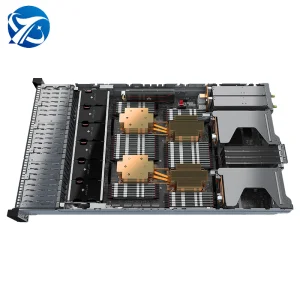
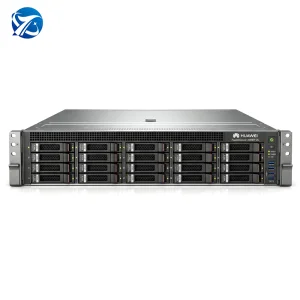
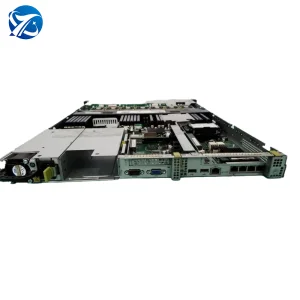
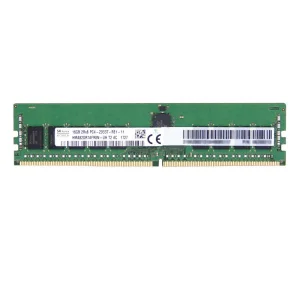
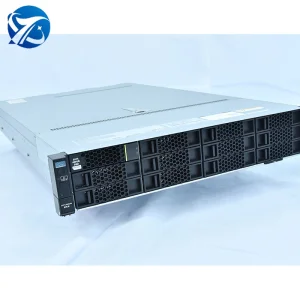
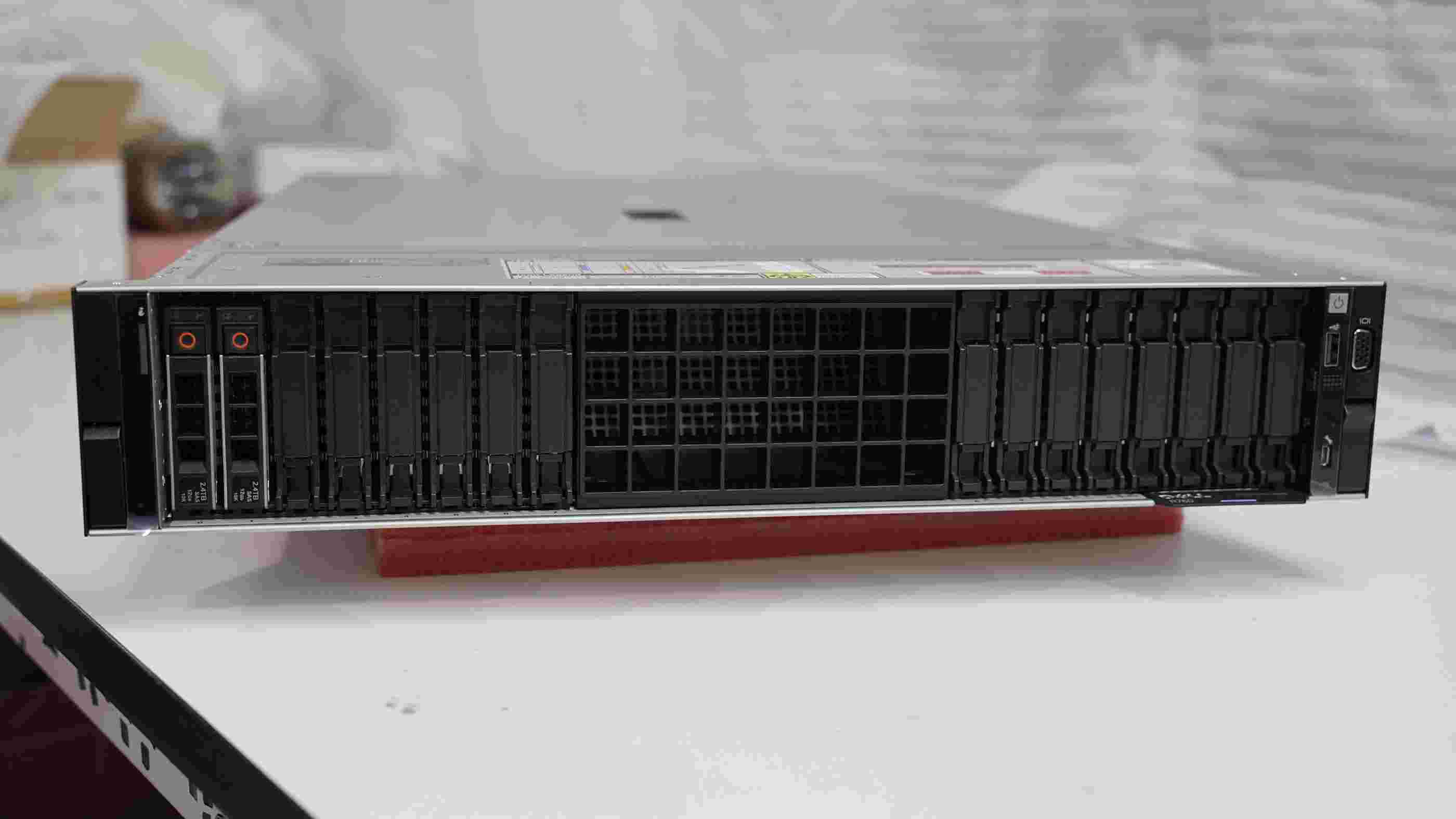
Additional server nodes, expansion controllers, and multi-socket processors designed to optimize your hardware investment.
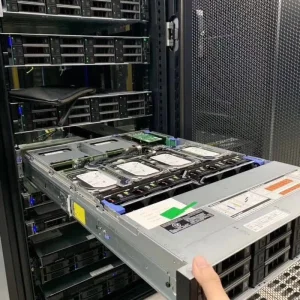
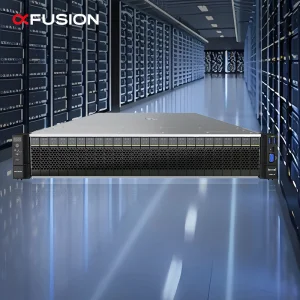
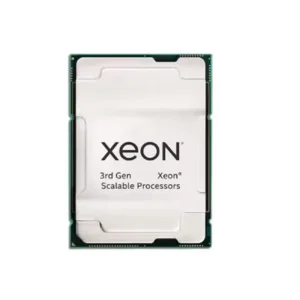
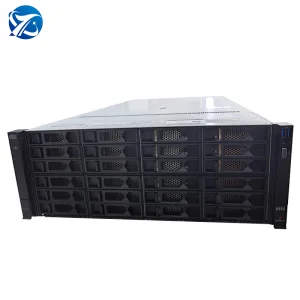
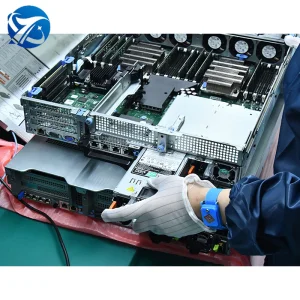
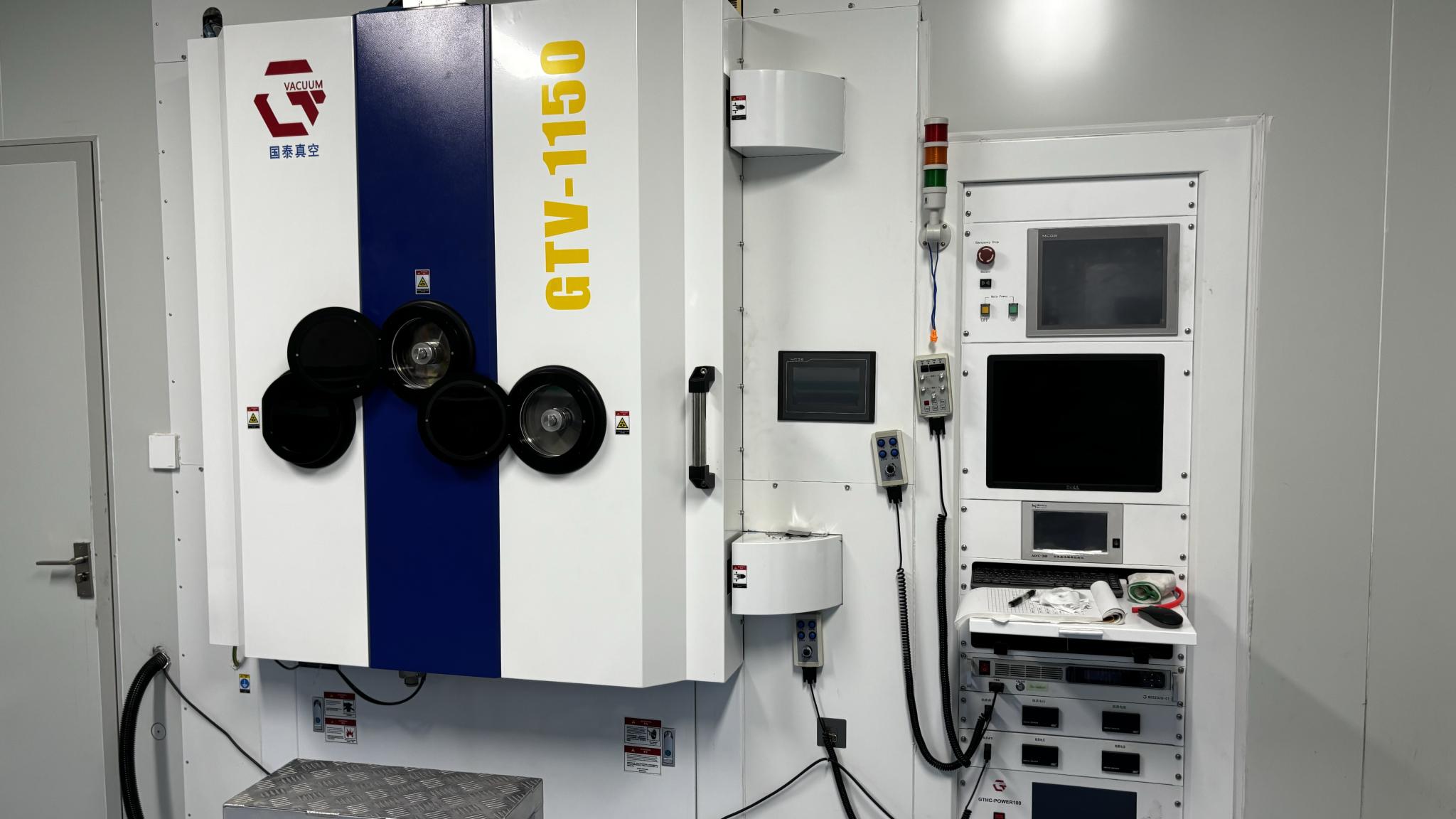
A look inside the facility, showcasing manufacturing processes, advanced diagnostic tools, and quality control steps.

A quick-reference guide comparing key factors of different hosting models to support infrastructure decision-making.
Performance: Full access to hardware resources, zero virtualization overhead, low-latency access.
Customization: Highly configurable hardware configurations, specialized GPUs, custom BIOS/BMC firmware.
Data Security: Completely isolated, physical tenancy, meeting rigorous compliance standards.
TCO Scale: Highly cost-efficient for steady, predictable 24/7 compute workloads.
Performance: Variable performance, shared resources, occasional virtualization overhead.
Customization: Restricted to provider-defined instance types and virtual resources.
Data Security: Multi-tenant architectures require complex software configurations to secure.
TCO Scale: Cost-effective for variable, short-term workloads, but can become expensive at scale.
Performance: High performance, customized local network layouts, ultra-low local latency.
Customization: Fully customizable hardware, limited by physical facility and cooling capacity.
Data Security: Full physical control, though requires on-site security protocols and staff.
TCO Scale: High initial capital expenditure (CAPEX) with ongoing facilities and maintenance costs.
Find answers to common questions about server specifications, purchasing options, and configuration choices.