Vornaxis
Vornaxis
Vornaxis
High-performance AI GPU engines, enterprise storage arrays, and mission-critical hardware validated for next-gen data centers.
How DDR5, CXL, and AI GPU workloads are driving unprecedented shifts in enterprise RAM procurement.
As artificial intelligence (AI), high-performance computing (HPC), and massive cloud virtualization redefine enterprise data centers, server memory has evolved from a secondary hardware specification into a core bottleneck for system throughput. With platforms running massive Large Language Models (LLMs)—such as DeepSeek and GPU-accelerated computing nodes—the necessity for raw memory bandwidth, energy efficiency, and on-die error correction has escalated dramatically. In this whitepaper, we dissect the ecosystem of the Top 10 Server Memory Suppliers & Exporters, providing critical sourcing intelligence for global procurement managers.
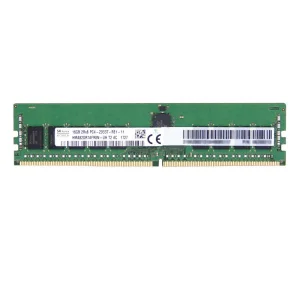
Unlike DDR4, DDR5 relocates the Power Management Integrated Circuit (PMIC) directly onto the memory module (DIMM). This architecture mitigates power losses, improves signal integrity, and incorporates On-Die ECC (Error Correction Code) to autonomously patch single-bit errors at the DRAM cell level before data is sent to the CPU.
Compute Express Link (CXL) protocol represents a paradigm shift. Over PCIe Gen 5 lanes, CXL allows servers to pool and share memory dynamically across CPUs and accelerators. Choosing suppliers capable of exporting CXL 2.0/3.0 memory expansion units is essential for future-proofing infrastructures.
High-density computing generates intense thermal loads. Leading memory manufacturers design custom aluminum heat spreaders and low-profile RDIMMs (Register DIMMs) to optimize airflow in density-packed 1U and 2U rack systems, significantly preventing system throttling.
Deciphering key evaluation vectors for IT directors, data center architects, and hardware sourcing leads.
Modern enterprise hardware buyers are no longer merely seeking the lowest cost per gigabyte. Instead, procurement teams evaluate memory partners on long-term Total Cost of Ownership (TCO), mean-time-between-failures (MTBF), and systemic chip compatibility. In a market dominated by three primary wafer foundries (Samsung, SK Hynix, and Micron), the key differentiator for exporters and module manufacturers lies in packaging, validation, firmware configuration, and supply chain logistics.
When multi-channel memory configurations (such as 8-channel or 12-channel designs per socket in Intel Xeon Scalable or AMD EPYC architectures) are fully loaded, electrical noise increases exponentially. Top-tier exporters validate memory architectures using simulated and real-world system loads to guarantee zero data corruption under peak processing stresses.
Industrial, telecommunication, and enterprise data centers require long lifecycle support. Working with professional exporters allows enterprises to secure guarantees on component longevity, providing End-of-Life (EOL) notices 12 to 18 months in advance, along with structured transition roadmaps.
A deep dive into our manufacturing standards, production capabilities, and global trade partnerships.
As a core leader in the high-performance hardware industry, Vornaxis Compute Ltd. (Vornaxis) stands as a professional AI GPU server manufacturer specializing in high-performance computing infrastructure, GPU cluster systems, and enterprise-grade AI hardware solutions for global data center deployments. Operating under rigorous global standards, Vornaxis serves as a vital anchor in supply chain reliability and technical implementation.
Our strong engineering team features 160 professionals specializing in GPU architecture integration, liquid cooling system design, and high-density cluster optimization. We offer tailored rack-level configurations, custom firmware-level parameters, and advanced thermal cycling to ensure seamless server memory deployment.
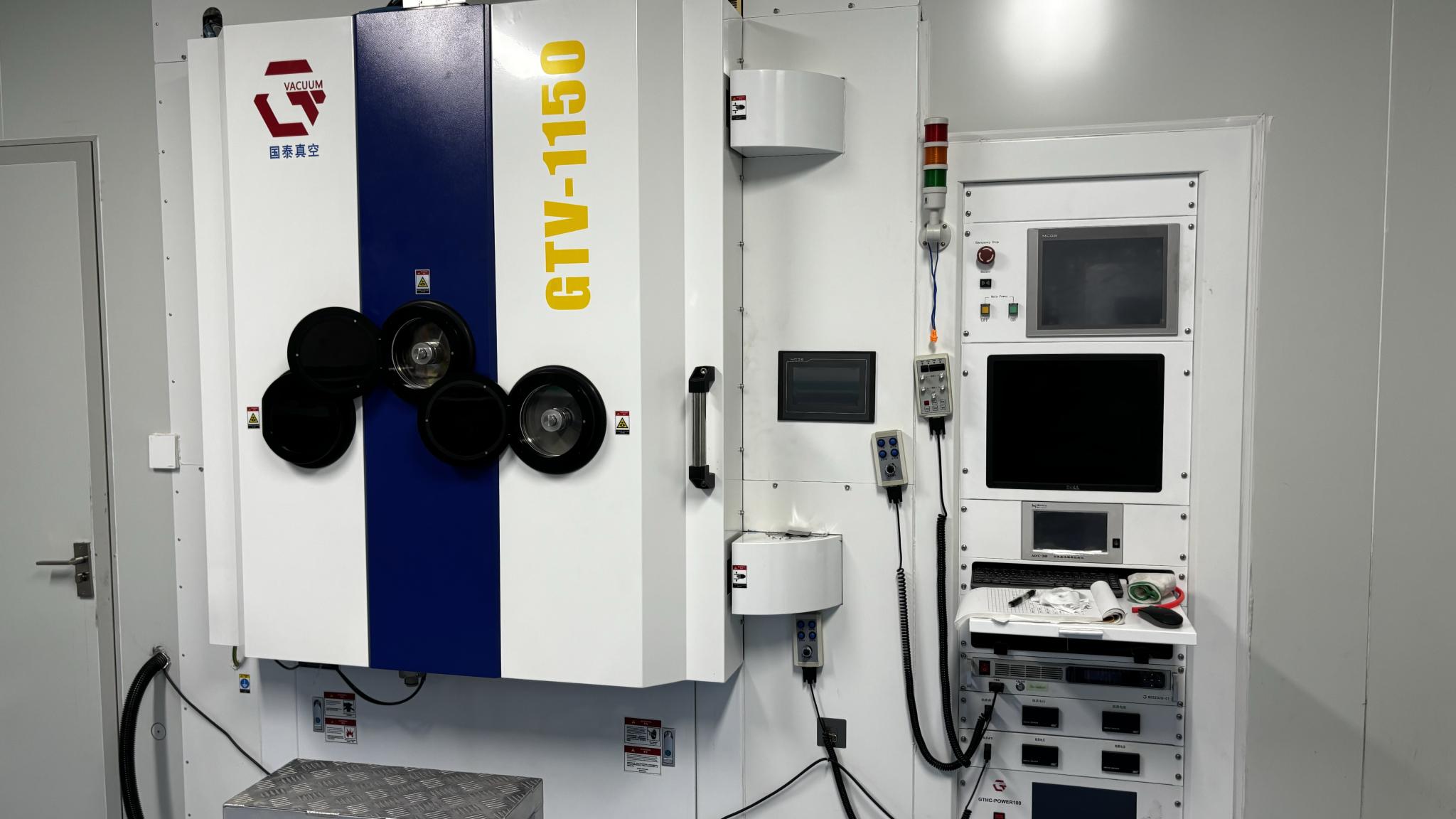
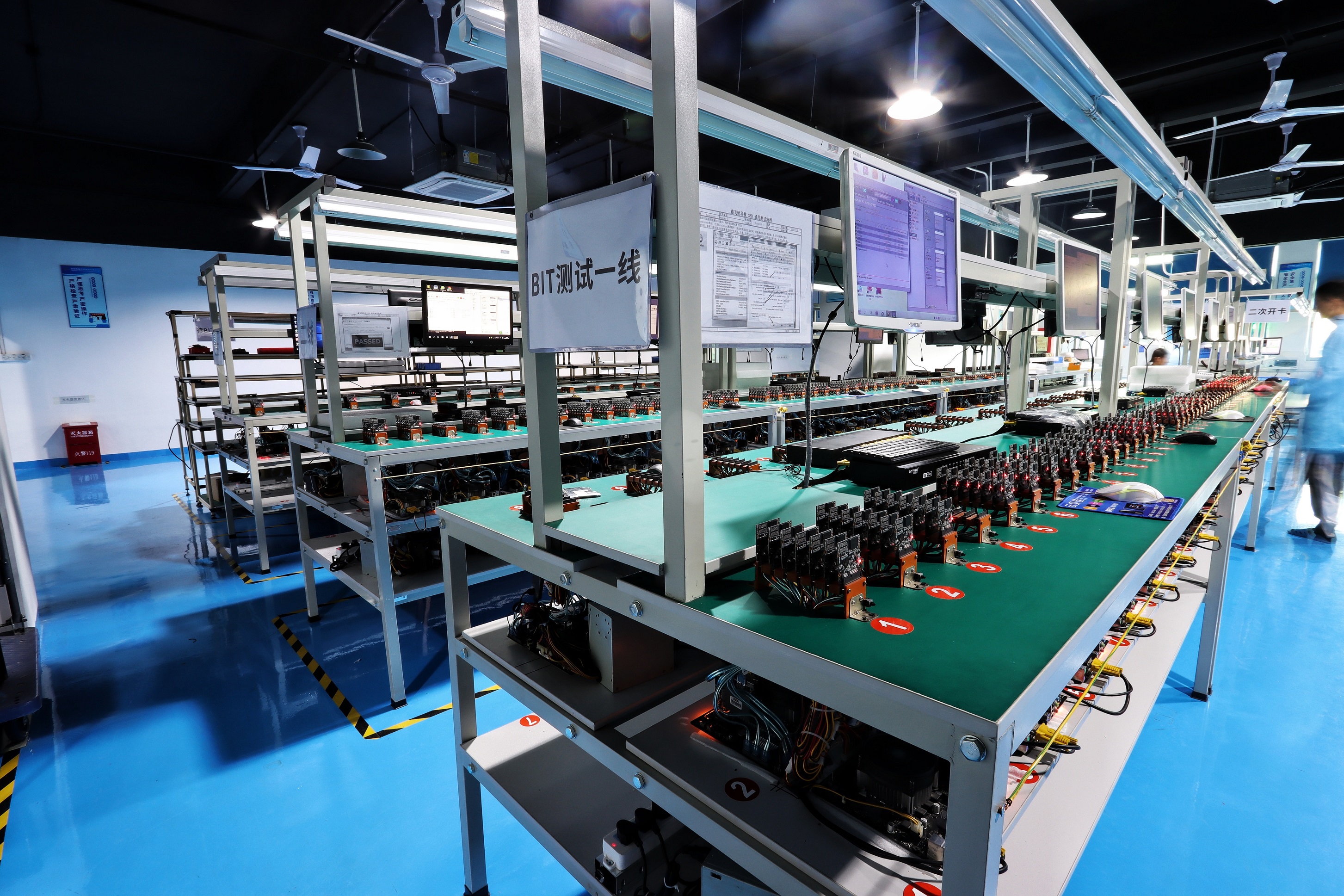
Backed by 45 dedicated Quality Control personnel, our ISO 9001-certified and RoHS-compliant manufacturing workflows include AOI (Automated Optical Inspection), comprehensive electrical functional testing, thermal stress chamber tests, and full system burn-in validations.
With 6 years of direct export experience, Vornaxis bridges domestic manufacturing efficiency with global client expectations across North America, Europe, Southeast Asia, and the Middle East, collaborating with approximately 850 upstream and downstream partners.
Why the Shenzhen-Dongguan electronics cluster remains the undisputed hub for global hardware fabrication.
The global computer memory supply chain depends heavily on China’s manufacturing clusters, specifically in the Shenzhen region. While core DRAM wafers are designed by multinational semiconductor foundries, the downstream assembly, testing, packaging, validation, and custom engineering processes find their most efficient hub in Southern China. This cluster offers unparalleled advantages to international buyers:
Safeguarding data center acquisitions through regulatory compliance and localized support channels.
For multinational corporations and cloud providers, compliance is non-negotiable. Importing server hardware requires strict adherence to international safety, ecological, and trade control standards. Enterprise-grade server memory modules must carry proper certifications depending on target deployment zones:
Guarantees that all component materials, including lead-free solder pastes and flame retardants on PCBs, are fully compliant with environmental protection guidelines, preventing regulatory penalties at import customs.
Verifies that high-frequency memory modules do not emit electromagnetic interference (EMI) that could disrupt adjacent rack nodes, while also ensuring they possess sufficient electrostatic discharge (ESD) shielding.
To reduce downtime, leading exporters provide regional spare parts warehouses and Service Level Agreements (SLAs) for technical RMA replacements, bypassing international shipping delays during critical system outages.
Mapping server memory configurations to targeted software and infrastructure workloads.
Different enterprise workloads require radically distinct memory profiles. Deploying a single memory configuration across an entire server fleet can lead to either under-utilization or severe processing performance drops.
Deployments in branch offices or manufacturing sites often utilize compact 1U servers or workstations. These nodes require low-latency, industrial-grade ECC SODIMMs or standard RDIMMs that resist high heat, vibration, and erratic power grids.
Modern clouds run hundreds of virtual machines (VMs) per physical server. Maximizing memory density (e.g., using 64GB or 128GB DDR5 modules per slot) is critical to prevent host CPU idling due to RAM exhaustion.
For ultra-low latency applications, developers prioritize memory speed (MT/s) and timing parameters over sheer volume. Overclocked, low-latency enterprise modules are required to ensure real-time transaction processing.
A programmatic checklist to evaluate and audit server memory supply chain partners.
When selecting a supplier from the top global ranks, enterprise buyers should run a formal RFQ scoring model based on the following key metrics:
Resolving core technical questions regarding server memory capabilities, compatibility, and trade logistics.
ECC (Error-Correcting Code) memory detects and corrects single-bit memory errors on the fly. Non-ECC memory does not offer this, leading to potential system crashes or silent data corruption under enterprise loads. Enterprise data centers exclusively deploy ECC RDIMMs/UDIMMs to maintain 99.999% uptime.
No, DDR4 and DDR5 memory modules are physically and electrically incompatible. They feature key notches in different positions, run at different default voltages (1.2V vs 1.1V), and employ different pin-out designs. DDR5 also features on-board PMIC chips that are absent on DDR4 boards.
Moving the Power Management Integrated Circuit (PMIC) from the server motherboard to the memory module allows for cleaner, more localized power distribution, less signal degradation, lower noise, and greater control over voltage steps. This is a critical driver for the efficiency of DDR5 memory.
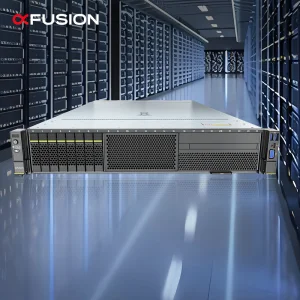
Vornaxis maintains a lab filled with mainstream server architectures, including modern Dell PowerEdge systems, HPE ProLiant boards, and xFusion racks. All memory modules undergo rigorous physical testing across varied board configurations to guarantee zero SPD handshake issues upon deployment.
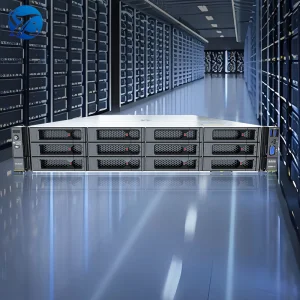
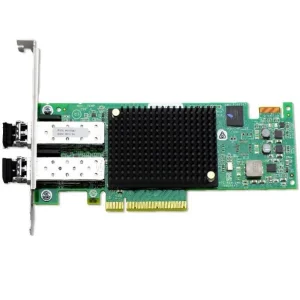
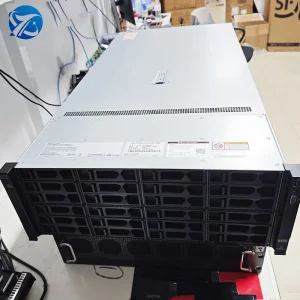
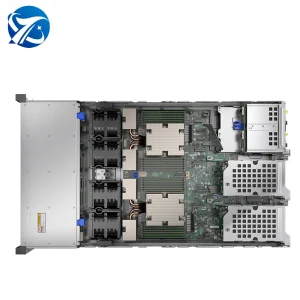
Complete your configuration with high-speed SSDs, host bus adapters, and cloud-scale servers.
Vornaxis Compute Ltd. (Vornaxis) - Headquartered in the epicenter of global server development.
Website: www.vornaxiscompute.com
Building Area: 320 m² Facility Layout & Testing Lab
Business Model: OEM / ODM Export-Oriented Manufacturing Company
Main Customer Types: Data centers, AI startups, HPC research laboratories, enterprise IT system integrators