Vornaxis
Vornaxis
Vornaxis

The shift from traditional centralized cloud databases to decentralized processing models is redefining modern enterprise IT ecosystems. As latency requirements shrink from hundreds of milliseconds to sub-single digits, Edge Computing has transitioned from a conceptual architecture into a vital physical deployment necessity. High-speed networking, distributed GPU arrays, and hyperconverged infrastructure (HCI) units are now actively positioned near the sources of data generation.
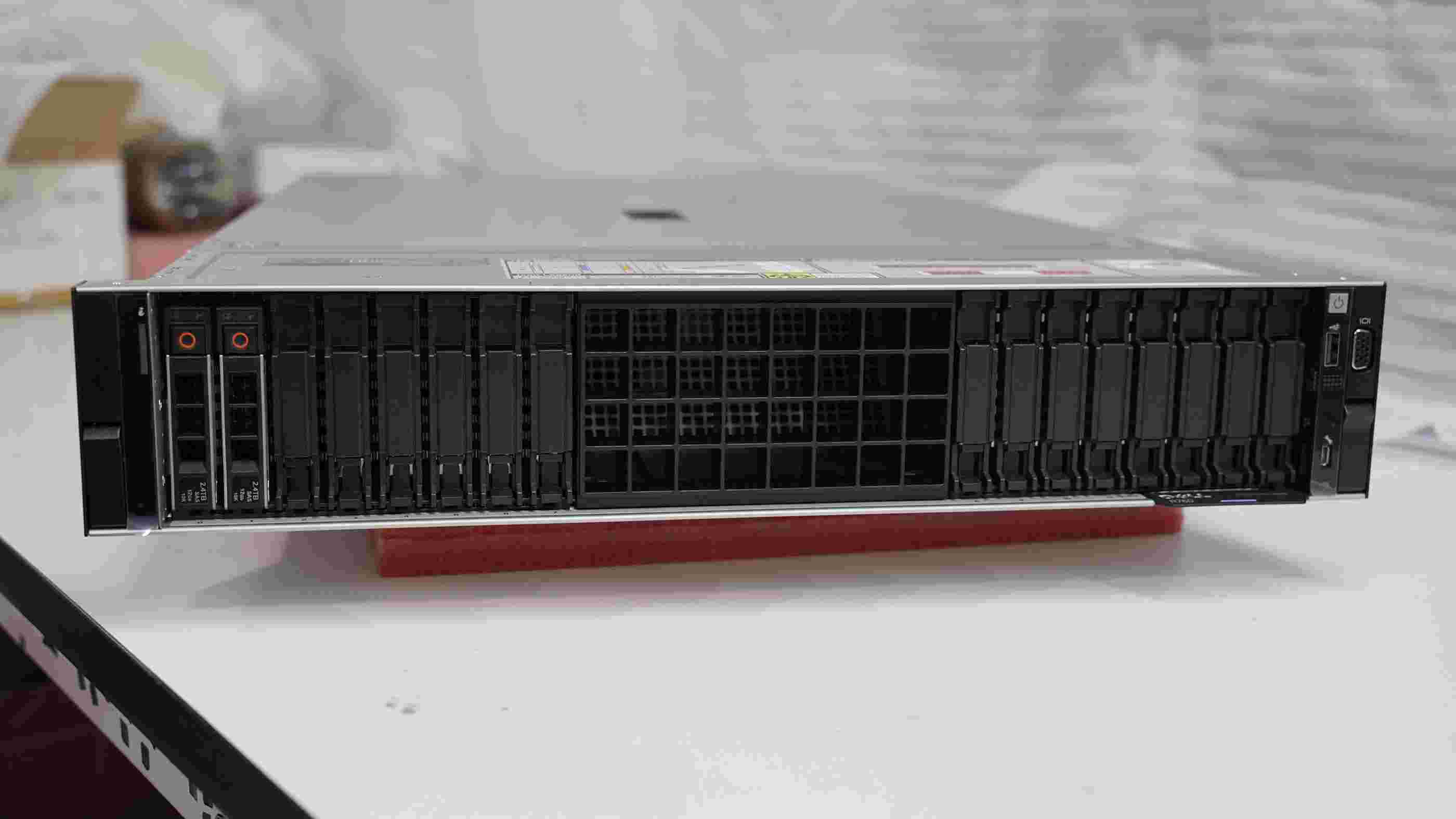
Globally, industrial automation, autonomous driving platforms, intelligent public infrastructure, and real-time inference clusters require computing nodes that can withstand rugged environmental conditions while maintaining high compute density. Specialized GPU servers, optimized for localized inference architectures such as the DeepSeek models, are seeing massive demand. Deploying these units reduces backend network backhaul bandwidth costs and mitigates systemic packet-loss risks across transoceanic pipelines.
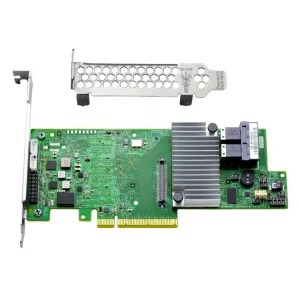
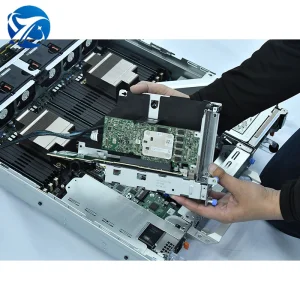
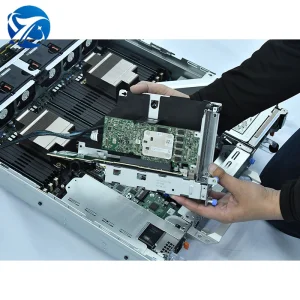
Traditional edge hardware focused primarily on data filtering and simple telemetry routing. Today, edge configurations require deep GPU integration, high-capacity PCIe Gen 4/5 expansion, and localized low-latency caching arrays. By deploying servers equipped with high-performance array cards like the 9560-16i-PCIe controller, enterprises can establish secure, locally redundant RAID configurations capable of executing sustained read/write operations for high-velocity real-time sensor processing.
China's technological cluster networks in major electronics manufacturing hubs provide unmatched advantages in procurement, assembly speed, and system validation. By hosting extensive networks of component suppliers (ranging from raw substrate manufacturers to specialized PCIe riser fabricators and heat sink casting factories), Chinese edge computing exporters can optimize lead times dramatically.
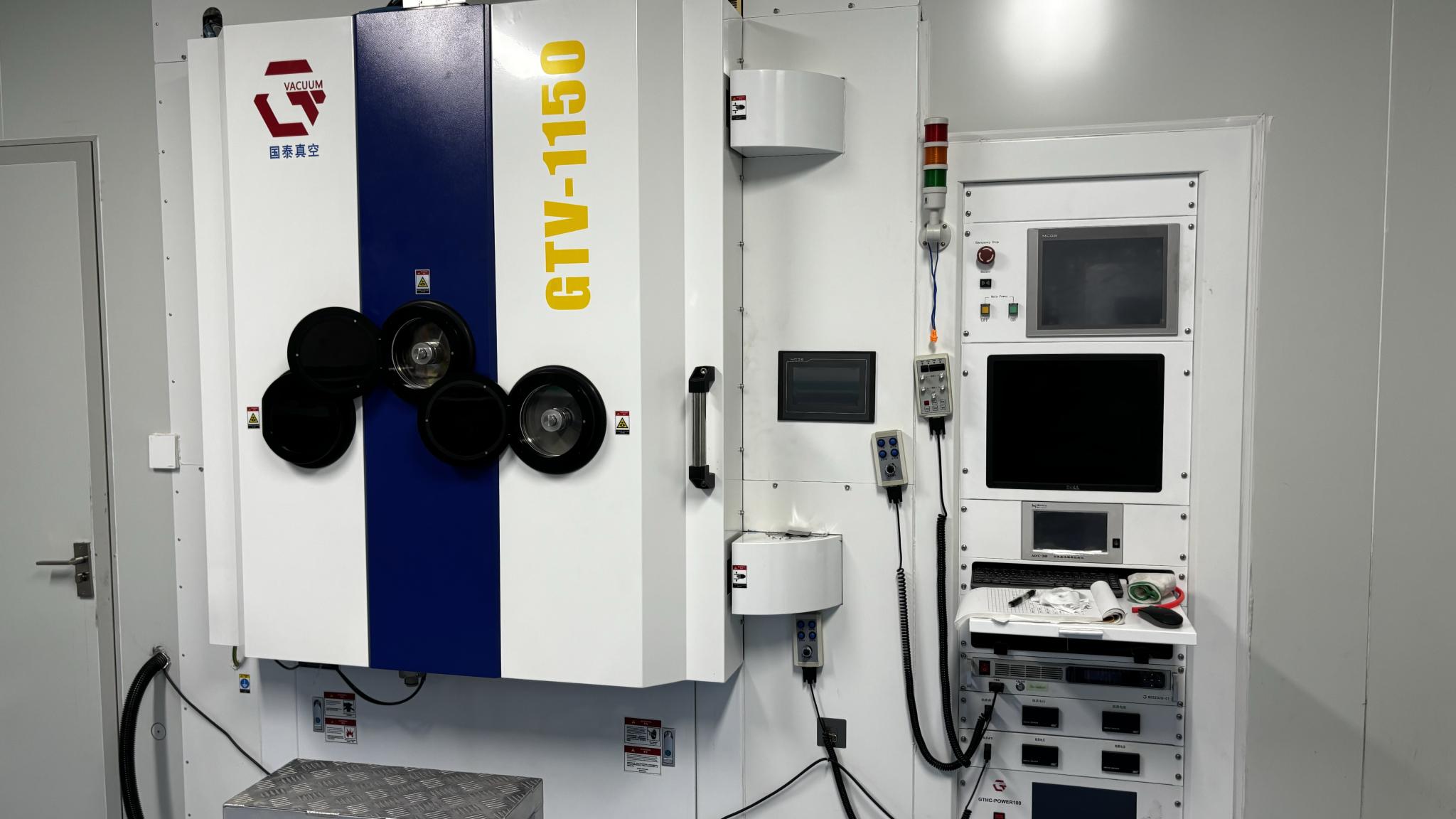
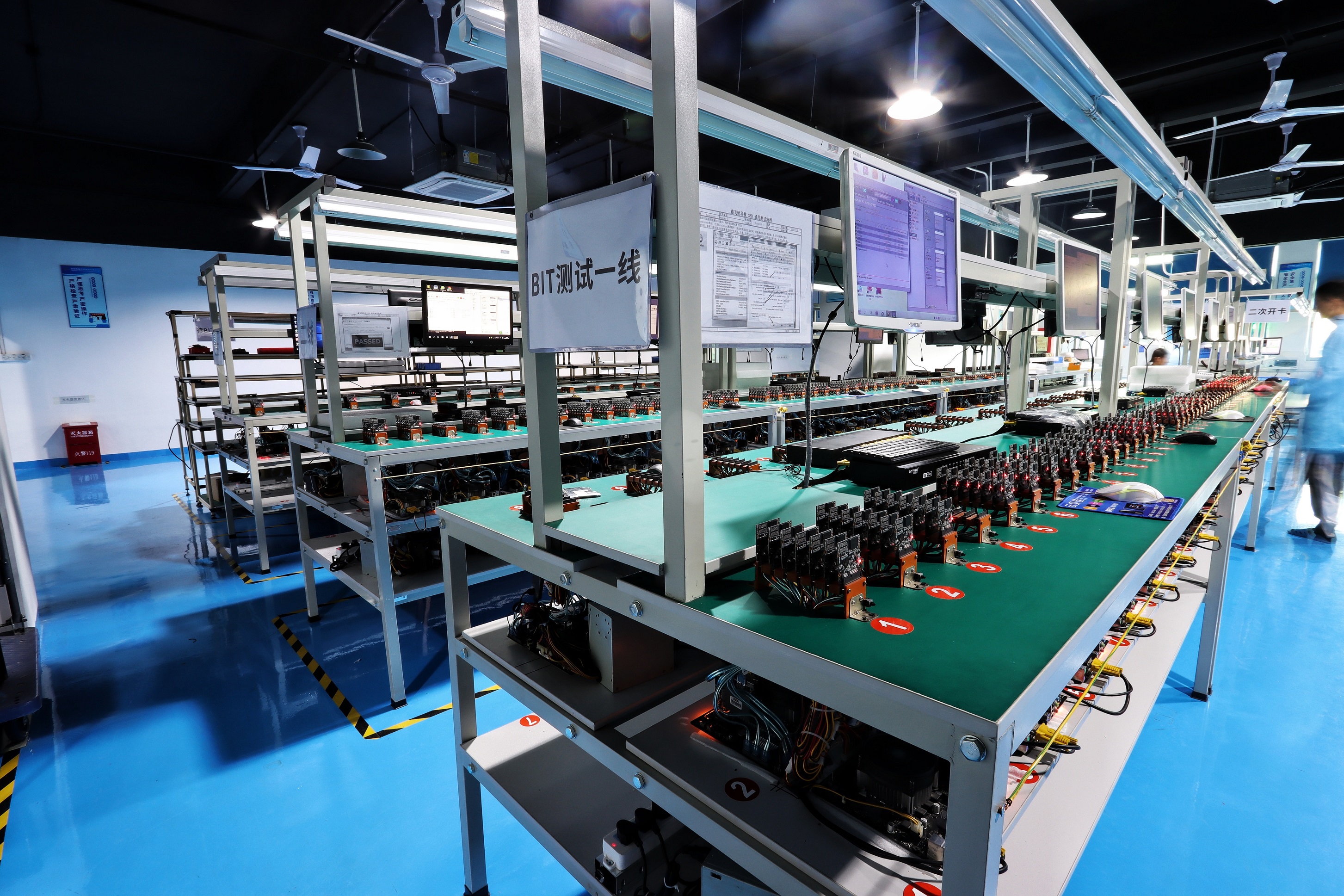
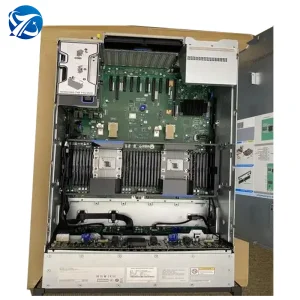
Furthermore, Chinese factories have refined their system-level validation routines. This incorporates AOI (Automated Optical Inspection), stress validation within specialized environmental chambers, and long-term high-temperature thermal cycling tests. In practice, this ensures that complex configurations, such as high-density multi-socket servers, perform reliably under intensive duty cycles.
| Evaluation Parameter | Chinese Hardware Exporters Standard | Overseas Sourcing Advantage |
|---|---|---|
| System Assembly & Integration | Pre-configured custom configurations with customized rack dimensions and liquid loops. | Drastically shortens initial time-to-market. Ready for direct deployment. |
| Validation Protocols | ISO 9001 certified facilities, full system burn-in, RoHS compliance. | Significantly reduces DOA (Dead On Arrival) risks for global shipping. |
| OEM/ODM Scalability | Dynamic motherboard/BIOS customization, local heat sink prototyping. | Tailored to match specific edge data center space and power constraints. |
Vornaxis Compute Ltd. (Vornaxis) is a professional AI GPU server manufacturer specializing in high-performance computing infrastructure, GPU cluster systems, and enterprise-grade AI hardware solutions for global data center deployments. (Web: www.vornaxiscompute.com)
Established in 2016, Vornaxis brings 12 years of industry experience and 6 years of international export experience. Operating with an administrative and design headquarters of 320 m² alongside extensive factory partners, they generate USD 18.6 million in annual export revenue.
Vornaxis maintains a team of 45 QA professionals. All processes are ISO 9001 certified, RoHS compliant, and feature full system burn-in validation. Product inspection methods utilize AOI (Automated Optical Inspection), functional testing, stress testing, and thermal cycling validation.
With 160 R&D engineers, Vornaxis launched 120 new models and system iterations last year. R&D capabilities include GPU architecture integration, liquid cooling system design, and high-density cluster optimization. Customization options span rack-level configuration, GPU density customization, advanced cooling systems, and firmware-level customization.
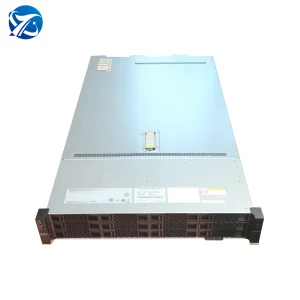
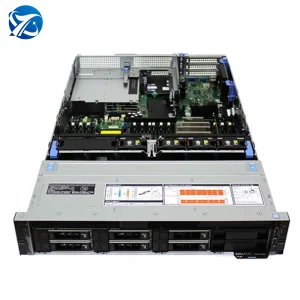
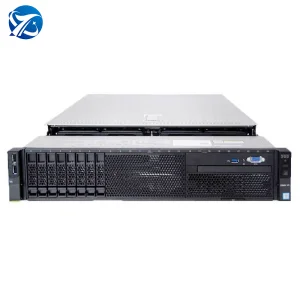
Modern smart factories run high-resolution visual inspection cameras at machine speeds to detect micro-faults. Sending these massive video streams to a central cloud server introduces fatal processing lags. Edge nodes (powered by processors with highly efficient heat-dissipation pipelines like the 2U heat pipe single sink models) allow factory floor nodes to evaluate data locally, executing corrective control commands in milliseconds to prevent line-stoppages.
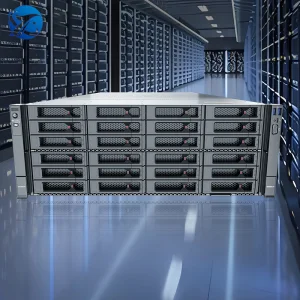
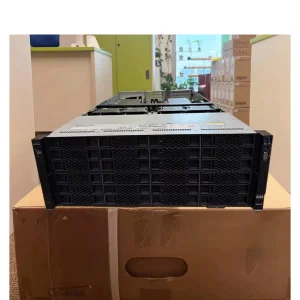
The rise of localized deep learning models (such as the optimized DeepSeek architectures) has generated an acute need for high-density GPU computing. Edge servers, such as the xFusion G5500 V7 or the custom Vornaxis multi-GPU configurations, are deployed directly within private enterprise facility boundaries. This preserves data confidentiality, eliminates external API network latency, and ensures operational continuity even during wide-area network blackouts.
Intelligent transportation networks must run real-time vehicle monitoring, pedestrian counting, and traffic flow adjustments at local intersections. Rugged, short-depth edge servers are housed in street-side cabinets to process municipal telemetry data instantly. This minimizes dependency on centralized metropolitan optical backhauls while keeping processing robust against regional power interruptions.
International hardware buyers face substantial hurdles when sourcing enterprise-grade computing solutions. High among these are supply chain transparency, quality assurance, and mechanical compatibility. To overcome these barriers, leading manufacturers like Vornaxis implement open architectural designs, supporting standard PCIe configurations and globally available chassis components.
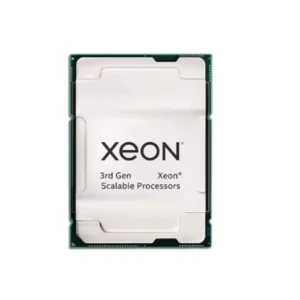
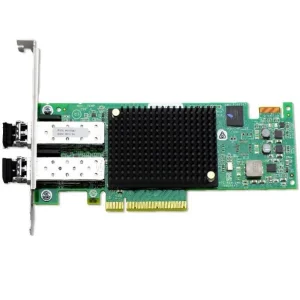
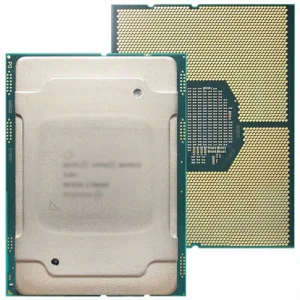
Furthermore, component traceability (including the use of verified network cards like the Emulex LPe35002-M2 or standardized Xeon Gold Cooper Lake processors) ensures that enterprises can easily maintain, upgrade, and replace items within their standard operations lifecycle. Exporters who provide clear documentation, robust thermal profiles, and certified components significantly streamline the procurement process.
The trajectory of edge computing is marked by three clear engineering transitions: