Vornaxis
Vornaxis
Vornaxis
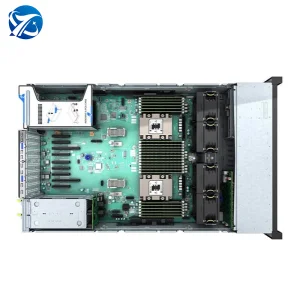
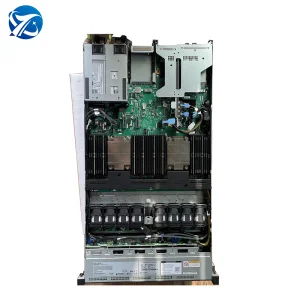
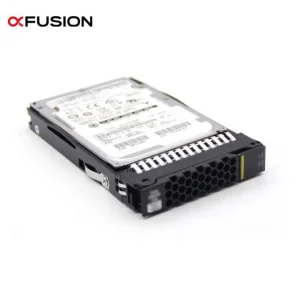
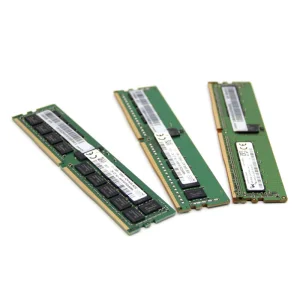
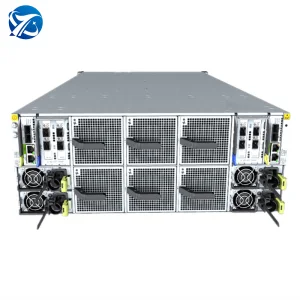
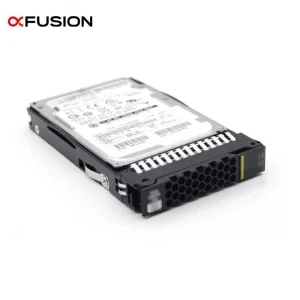
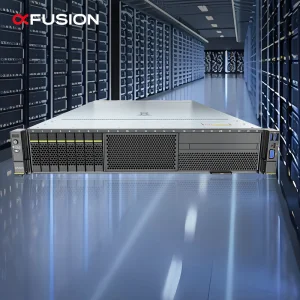
In the era of hyper-scale artificial intelligence and distributed enterprise databases, selecting a robust hardware manufacturing partner is critical. Vornaxis Compute Ltd. (Vornaxis) stands at the forefront of this technological shift, serving as a specialized AI GPU server manufacturer and systems integrator. Our company focuses on the development, optimization, and scaling of high-performance computing (HPC) infrastructure, GPU cluster systems, and enterprise-grade AI hardware solutions built to support critical workloads in global data centers.
By leveraging robust supply chains, optimized semiconductor allocation, and strict conformance to quality design practices reminiscent of industry giants like HPE and xFusion, we deliver drop-in alternative platforms that lower Total Cost of Ownership (TCO) without sacrificing throughput, dependability, or system efficiency. Our capabilities span complex server architectures, including high-density 2U/4U GPU accelerators, specialized network controllers, memory interfaces, and high-frequency multi-processor rack installations designed for deep learning frameworks like DeepSeek, LLaMA, and custom enterprise LLM training models.
The international compute market is undergoing a seismic migration from legacy x86 general-purpose CPU architectures to heterogeneous processing topologies. Modern industries—such as algorithmic trading, bioinformatics, seismic imaging, and autonomous driving simulation—require large-scale deployments that rely heavily on dense acceleration technologies. Within this landscape, hardware platforms like the xFusion FusionServer range offer viable paths for businesses seeking structural flexibility, high power efficiency, and long-term operating durability.
Currently, Western, Middle Eastern, and Southeast Asian enterprise markets face substantial lead times for baseline computing hardware. This delay threatens the operational timelines of hyper-scalers and AI startup labs alike. Our supply systems bridge this gap by manufacturing and supplying high-performance hardware options that match or exceed target benchmarks of global standards. Through close collaboration with approximately 850 upstream and downstream component partners, we maintain steady streams of crucial parts, including high-frequency DDR4 memory ICs, solid-state SAS/SATA drives, and state-of-the-art Emulex Fibre Channel HBA adapters.
Globally, enterprise users demand hardware that not only matches raw processing requirements but also fits into pre-existing network and cabinet configurations. The standard rack architectures of the FusionServer 1288H and 2288H series ensure that systems integrators can seamlessly deploy new nodes alongside legacy HPE structures. By emphasizing open standard components and compatibility with broad hypervisor systems (VMware, Proxmox, and open-source Linux kernel-based VMs), we empower IT teams to scale capacity dynamically without getting locked into restrictive proprietary ecosystems.
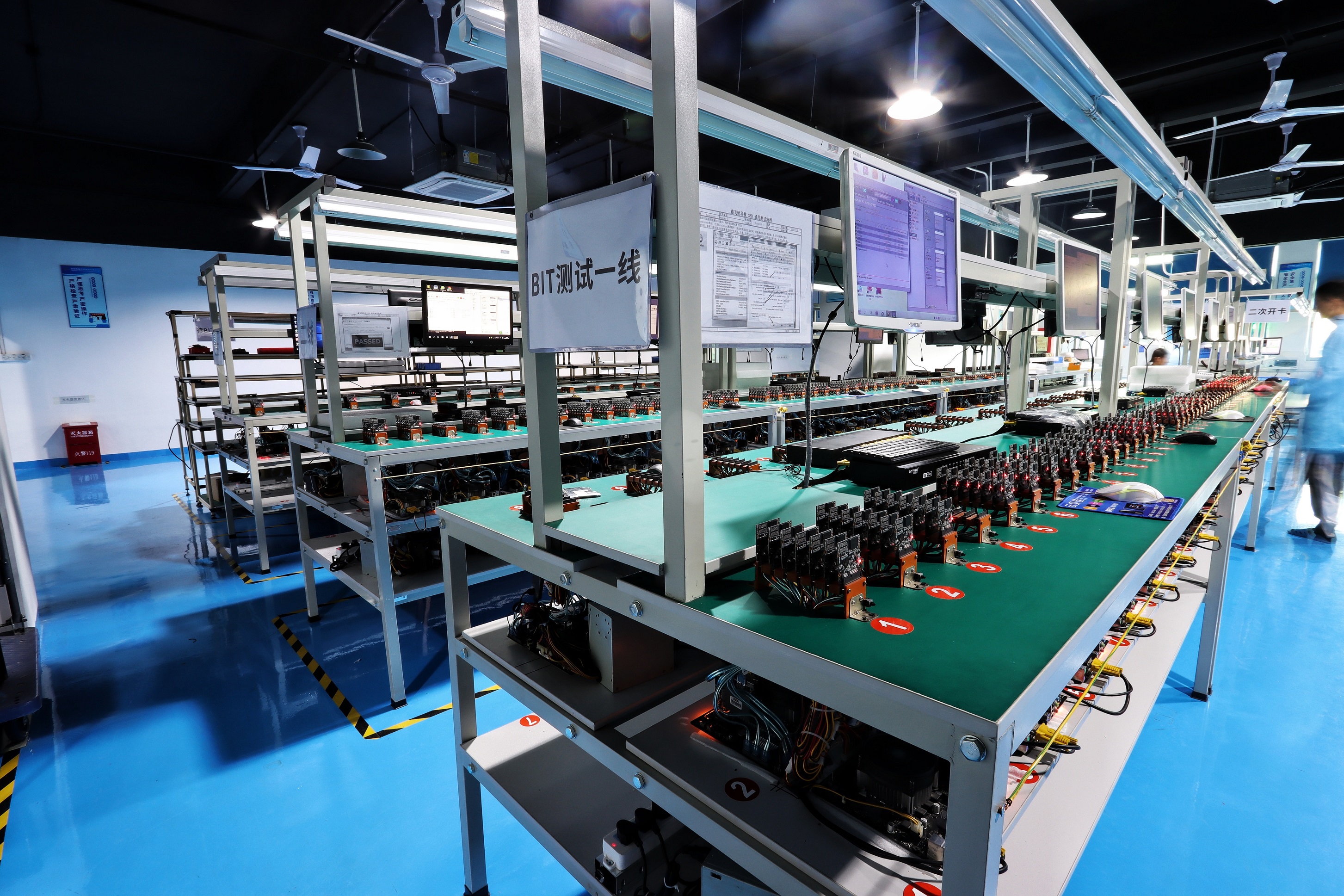
Our manufacturing facility is engineered around a singular goal: maintaining unwavering consistency in high-tolerance system assembly. To support this objective, our quality management division incorporates 45 dedicated professionals executing complex multi-stage test procedures. Each server chassis undergoes comprehensive Automated Optical Inspection (AOI) to confirm correct surface placement and soldering integrity of passive board components before moving to functional assembly.
The critical phase of validation involves our thermal stress and burn-in protocol. High-performance computing nodes, such as the FusionServer 2488H V5, are subjected to elevated operating temperatures within specialized chambers while running continuous maximum-load computational sweeps. This methodology accelerates latent semiconductor issues, ensuring that potential early failures are caught and corrected inside the factory—not at the customer's remote data facility.
| Inspection Stage | Methodology & Equipment | Standards & Compliance |
|---|---|---|
| Pre-Solder / SMT Validation | AOI (Automated Optical Inspection) & 3D Solder Paste Inspection | IPC-A-610 Class 3 Standards |
| Functional Verification | Port validation, I/O testing, interface speed diagnostics | PCIe Gen4/Gen5 lane validation |
| Environmental Validation | Thermal cycling and elevated temperature soak testing | ISO 9001, CE, and RoHS compliant |
| System Stress Test | Full-system burn-in testing under peak computational loads | Zero-defect stability run of 48-72 hours |
Our supply chain resilience is anchored in strategic geographical clusters. Operating in close proximity to major hardware component hubs in southern China allows us to source raw materials, custom heatsinks, and mechanical assemblies on short notice. Furthermore, by maintaining a redundant buffer of crucial silicon components, we protect clients against sudden logistical gridlocks, geopolitical policy shifts, or unexpected microchip shortages.
The future of high-performance data servers lies in thermal optimization and ultra-fast interconnects. The technical roadmap of our compute hardware highlights three main developmental vectors: extreme memory density, modular GPU topologies, and low-resistance interconnect technologies.
As CPU and GPU TDP numbers surpass 350W per socket, legacy cooling designs must evolve. Our engineering roadmap includes the transition from copper heat-pipe assemblies to direct-to-chip liquid cooling loops and hybrid dynamic-phase radiator chambers. This upgrade decreases fan power usage and improves overall power usage effectiveness (PUE).
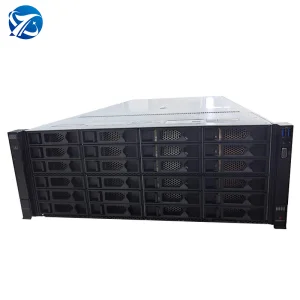
Modern AI workflows require massive parallel processing capabilities. Our server architectures, such as the G5200 V7, are configured to house up to 8 high-density GPU accelerators per 4U system. We optimize internal airflow channels and design rigid mechanical mountings to handle heavy hardware setups without compromising integrity.
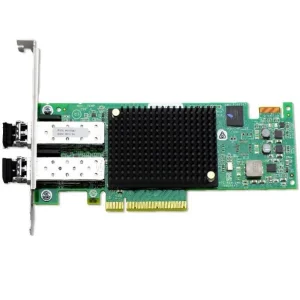
Data transfer speeds are key to minimizing cluster latency. By integrating dual-port Emulex FC32 optical HBA cards, our systems support high-speed Fibre Channel protocols. This allows database backbones to scale out with near-zero latency, facilitating rapid data exchanges between host nodes and fast flash arrays.
Our enterprise computing nodes and hardware combinations are optimized for real-world deployments. Below are three specialized scenarios demonstrating how our systems perform under rigorous enterprise workloads:
Deploying complex machine learning models demands continuous high-precision math throughput and quick CPU-to-GPU data pipelines. Using high-density configurations like the FusionServer G5200 V5/V7, training labs can load model weights directly into unified memory, minimizing latency and keeping GPU utilization high. This setup prevents GPU performance throttling during backpropagation steps.
Modern commercial data stores need large, reliable RAM allocations to keep response times low. By utilizing our xFusion 2288H V6 / V7 units equipped with multi-channel DDR4/DDR5 RDIMM modules (such as the 32GB and 64GB 3200MHz ECC lines), data centers can host multiple virtual machines on a single physical box. Hardware-level ECC protections monitor and correct single-bit errors, preventing unexpected system crashes.
For secure banking applications, cloud backup arrays, and media networks, fast storage throughput is essential. Our custom integrations combining Emulex LPe35002 HBA interfaces and SSD storage (like the S4520 read-intensive SSD range) enable secure, end-to-end data pipelines. Under high access loads, these setups maintain consistent, predictable throughput and low latency.
Shipping high-density server configurations worldwide requires strict adherence to regional compliance rules. Our complete line of products carries requisite certifications, including CE, FCC, and RoHS, allowing seamless integration into operations across North America, Europe, the Middle East, and Southeast Asia. We systematically inspect our systems to ensure they comply with local energy-efficiency guidelines and electrical safety standards.
To address global post-sale concerns, Vornaxis provides dynamic tiered support SLA options. Our engineers assist clients with custom firmware configurations, system provisioning, and hardware debugging. For systems integrators and enterprise operators, we supply standardized replacement modules—such as power supplies, fans, CPUs, and memory units—enabling on-site IT technicians to perform rapid maintenance and keep system uptime high.
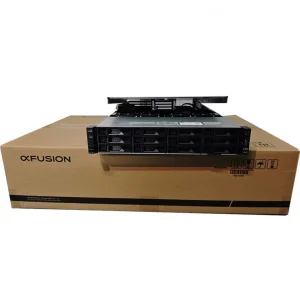
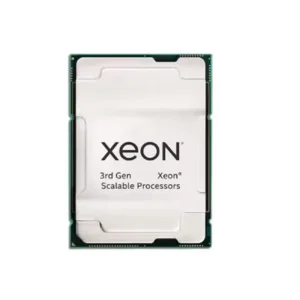
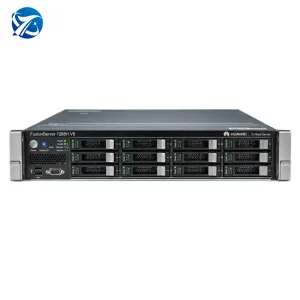
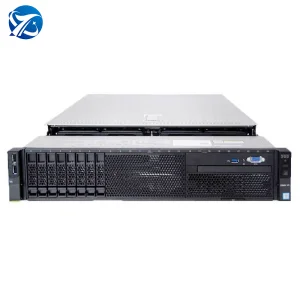
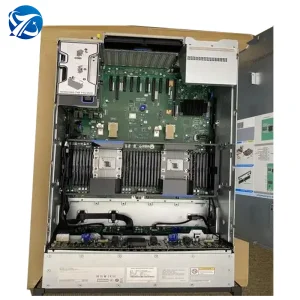
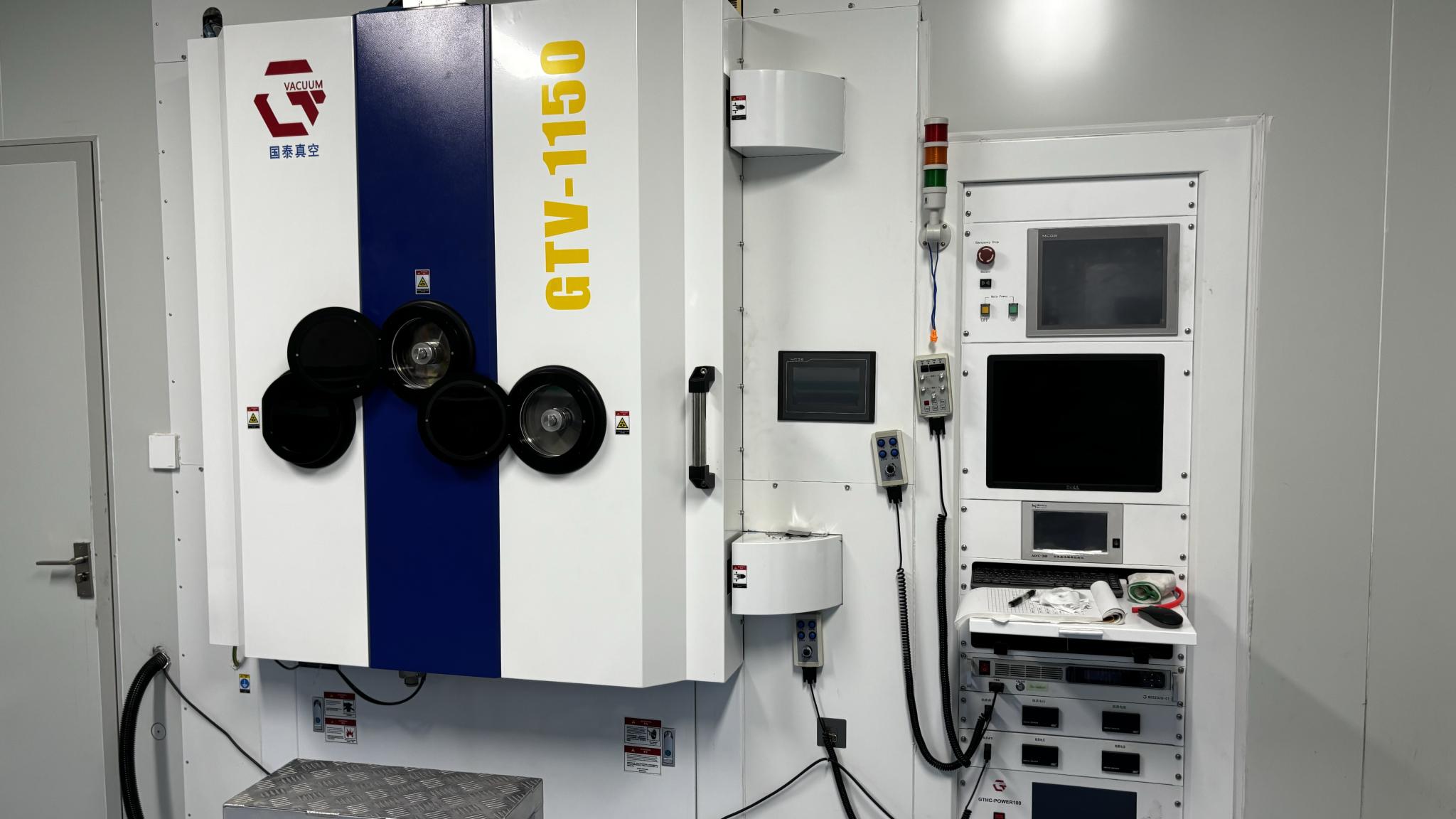
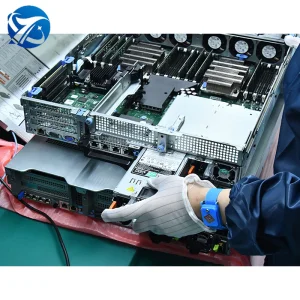
Take an inside look at our manufacturing centers, testing lines, and design suites. We run an optimized production environment to ensure that every server module, network controller, and memory bank meets our zero-defect quality commitment.