Vornaxis
Vornaxis
Vornaxis
Optimized for mission-critical operations, deep learning training workloads, and enterprise-grade storage orchestration
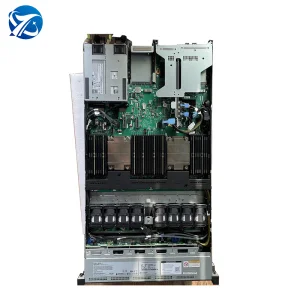
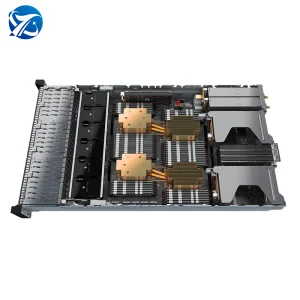
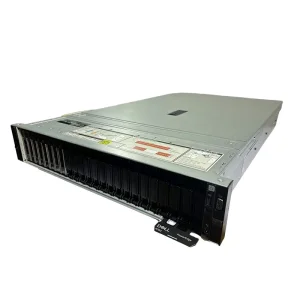
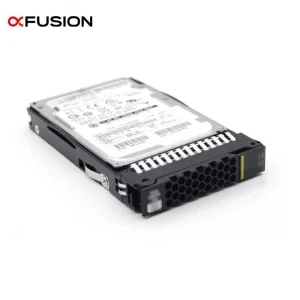
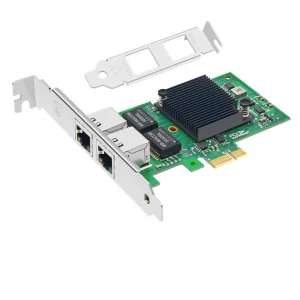
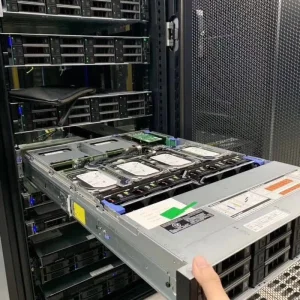
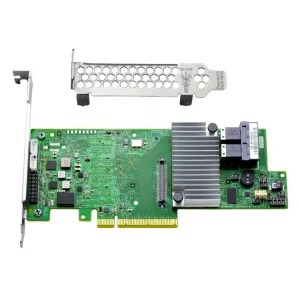
Vornaxis Compute Ltd. (Vornaxis) is a professional AI GPU server manufacturer specializing in high-performance computing infrastructure, GPU cluster systems, and enterprise-grade AI hardware solutions for global data center deployments.
As the digital economy shifts towards generative artificial intelligence, LLM (Large Language Model) clusters, and cognitive computing, data centers are undergoing a structural overhaul. Scalable infrastructure—defined by its capability to dynamically expand compute, storage, and networking capacities to handle modular workloads—has transitioned from an enterprise luxury to a foundational necessity. Scalable infrastructure manufacturers in China play a critical role in this shift, offering high-performance, cost-effective hardware designs coupled with rapid supply chain cycles to meet the surge in hyperscale capacity demands.
Globally, hyperscalers and cloud service providers are standardizing heterogeneous architectures. By decoupling hardware assets and utilizing high-bandwidth interconnects, modern data centers achieve unmatched hardware density and dynamic provisioning. Vornaxis Compute Ltd., registered in 2016, leverages over a decade of manufacturing expertise to build systems capable of running high-density workloads, including deep learning modeling, large-scale financial simulation, and enterprise database clustering.
Scalable rack systems are deployed across diverse sectors, including high-frequency trading (HFT) platforms, smart-city edge surveillance nodes, and healthcare pipelines utilizing GPU clusters for genomic sequencing. In North American and European markets, client demand focuses heavily on high energy efficiency and stringent thermal management standards. In East Asian markets, industrial scale-out centers on software-hardware co-design and native integration with open-source artificial intelligence frameworks.
For research labs running high-performance computing (HPC) simulations, hardware reliability is critical. Long-duration workloads require fault-tolerant server systems that utilize RAID array controller cards and enterprise PCIe solid-state storage. By using high-speed network interfaces like Emulex Fibre Channel HBA cards, database systems can support thousands of simultaneous transactions without performance degradation.
The roadmap for scalable infrastructure centers on increased modularity. The future will see widespread adoption of PCIe Gen 6 architectures, enabling data transfer rates up to 256 GB/s over 16 lanes. Furthermore, standardizing OCP (Open Compute Project) form factors will streamline the supply chain, allowing customers to easily mix and match server chassis, power supplies, and storage systems from different suppliers. Vornaxis Compute is actively designing systems to meet these standards, launching over 120 new models and system iterations last year to support evolving global demands.
Rigorous testing methodologies designed for maximum hardware uptime and deployment durability
All integration processes are ISO 9001 certified and fully RoHS compliant, meeting international environmental and quality requirements.
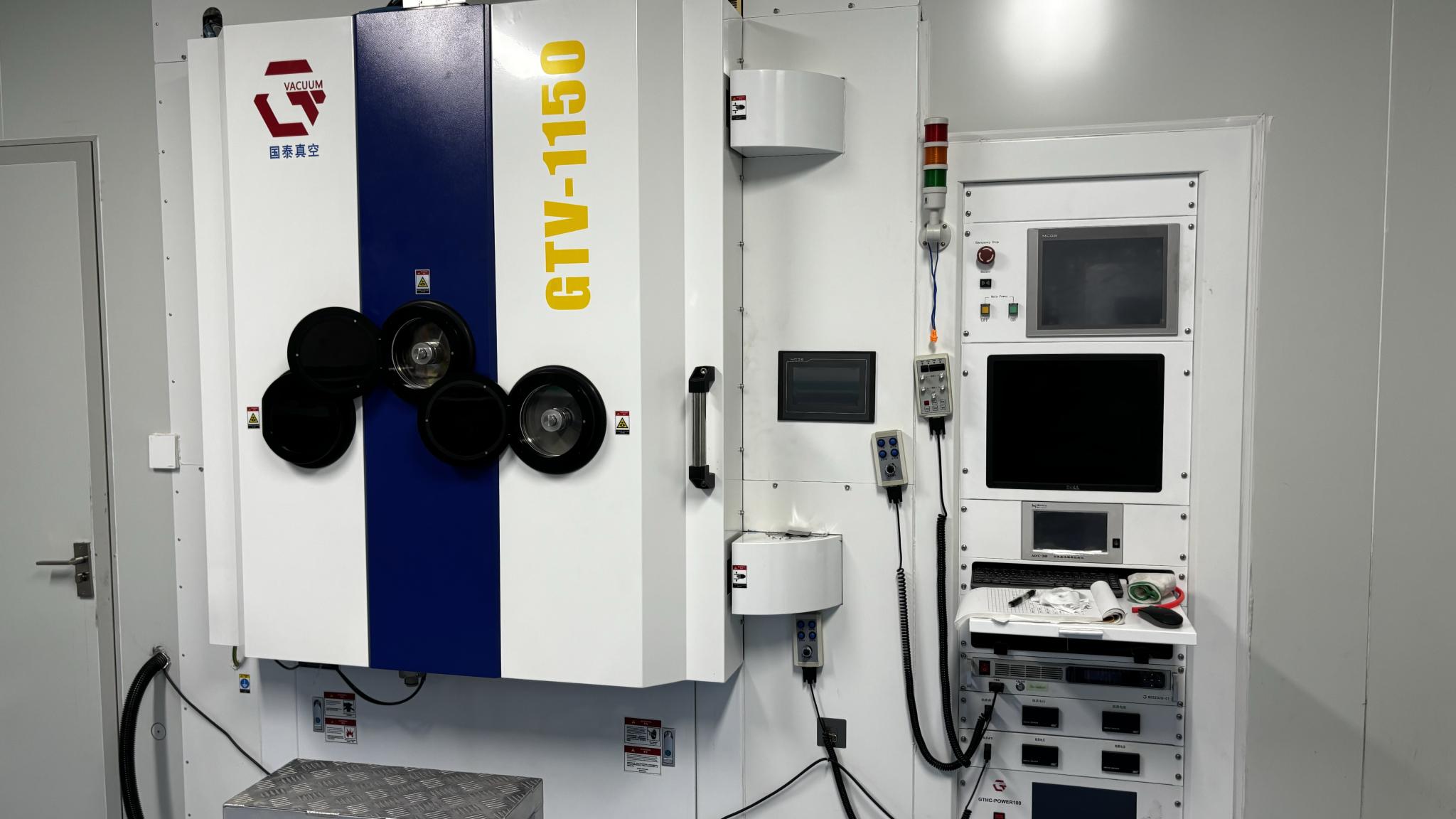
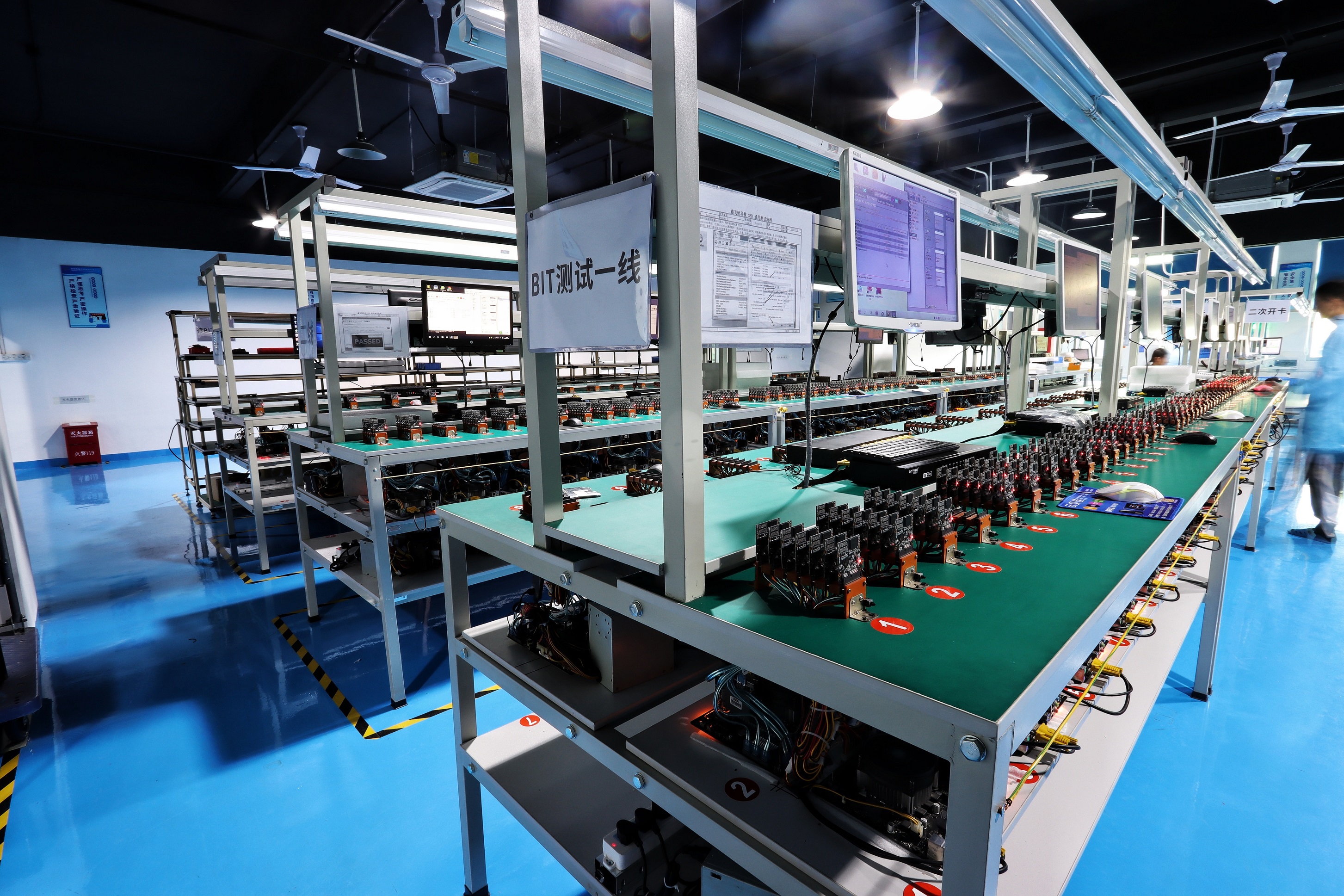
Production lines utilize Automated Optical Inspection (AOI), along with comprehensive functional verification and signal analysis testing.
Every computing node undergoes extensive stress testing, including full thermal cycling and long-duration burn-in cycles prior to export shipping.
Expert technical insights regarding scalable rack server architectures, hardware compatibility, and deployment strategies
Scalable infrastructure refers to server, storage, and networking platforms engineered for dynamic resource expansion. Rather than replacing hardware, scalable components allow operators to increase computing density, memory bandwidth, or storage capacity by hot-swapping blades, scaling GPU links, or using disaggregated software-defined storage.
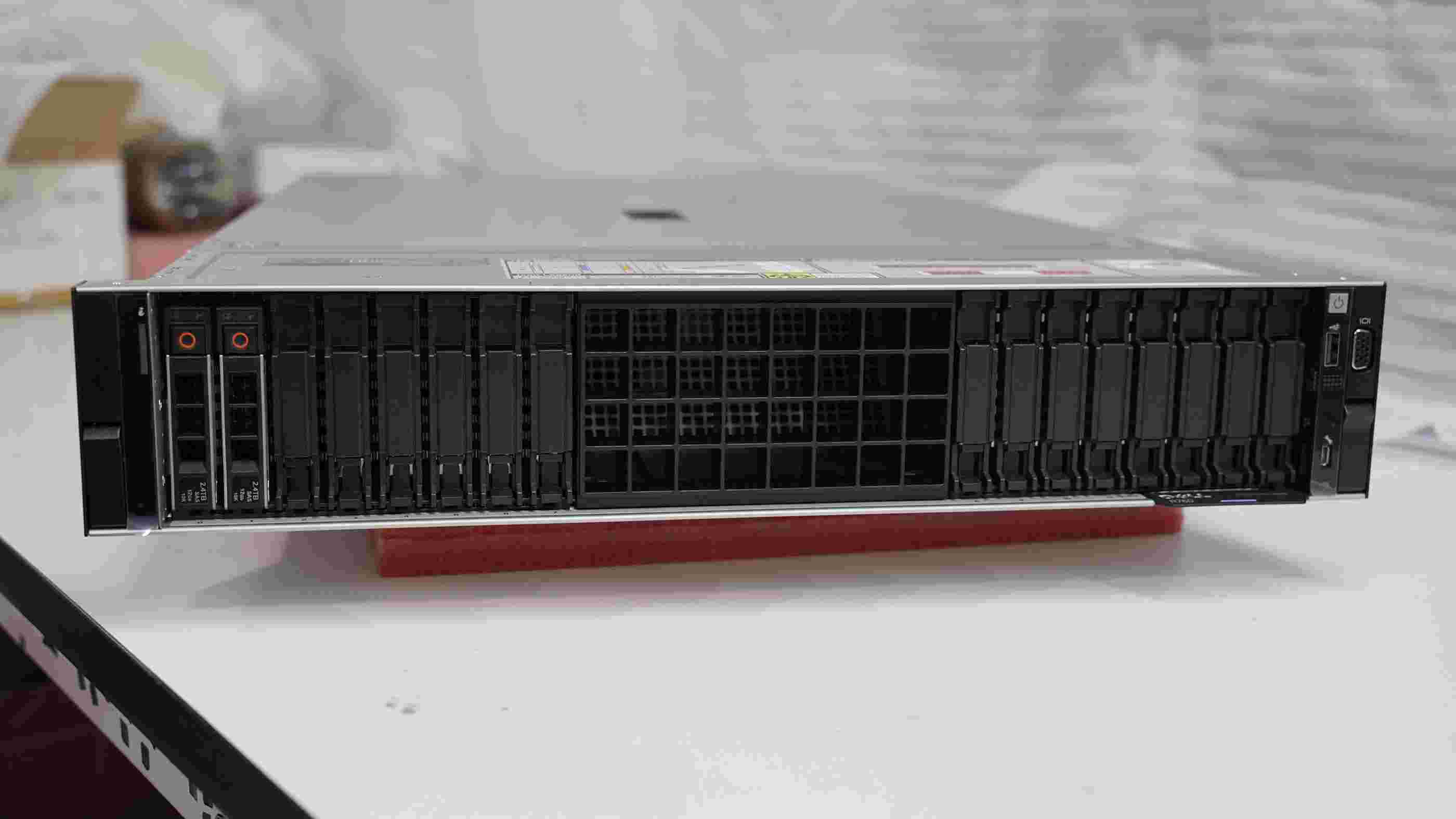
4-socket architectures, featured in models like the FusionServer 2488H V5, provide high core density and memory support within a single server frame. This design reduces inter-node networking overhead, allowing large-scale calculations to remain on the localized bus and significantly accelerating model training and data analysis.
With a dedicated team of 160 R&D engineers, Vornaxis provides customized design capabilities, including customized motherboard layouts, specific GPU chassis placement, direct-to-chip liquid cooling loops, and custom boot-level firmware config. We support clients from the prototype phase through to mass production.
High-performance array cards, such as the 9560-16i-PCIe, provide the necessary bandwidth for NVMe and SAS SSD arrays. These cards protect data with RAID configurations without bottlenecking system storage, enabling high-speed read/write access required for real-time applications.
Dual-port 32GB Fibre Channel HBA cards establish high-bandwidth, low-latency connections between compute servers and SAN arrays. This network layer ensures that clustered computing units can read and write stored data without I/O limitations.
High-density GPU platforms operate under high thermal stress. Vornaxis Compute runs full-load thermal burn-in tests to identify component infant mortality issues, ensuring that servers arrive ready for immediate, reliable production deployment.
High-throughput network adapters, solid-state storage solutions, and multi-node GPU systems

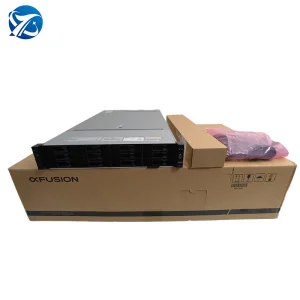

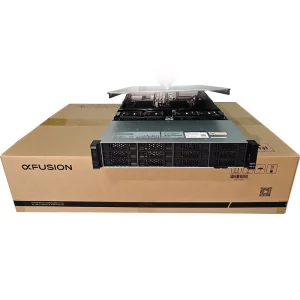
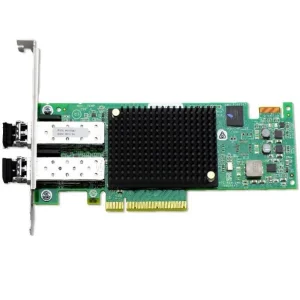

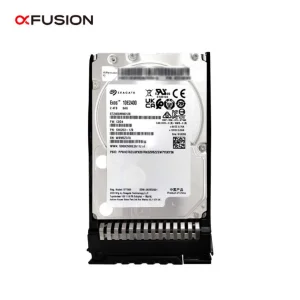
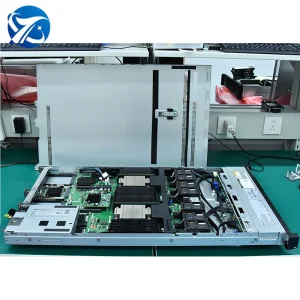
Inside our integration facilities: maintaining high standards in thermal management, optical testing, and rack packaging