Vornaxis
Vornaxis
Vornaxis
High-throughput servers configured for immediate enterprise integration and critical workload offloading
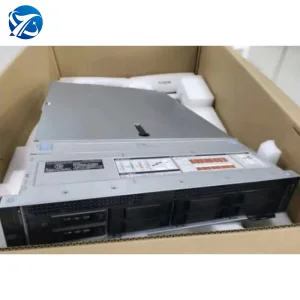
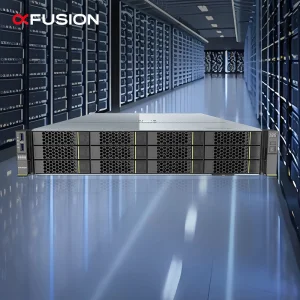
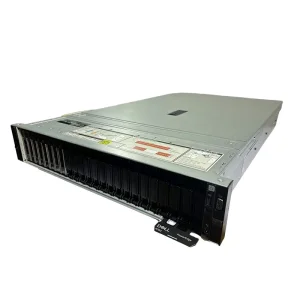
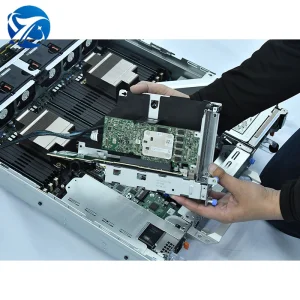
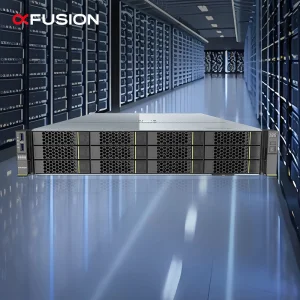
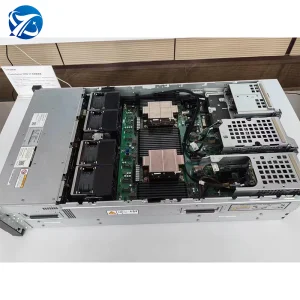
As digital transformations accelerate globally, enterprise compute demands have transitioned from standard execution environments to high-density, heterogeneous architectures. Vornaxis Compute Ltd. stands at the forefront of this industrial shift, providing state-of-the-art AI GPU servers, advanced storage complexes, and robust network hardware options engineered for high-concurrency environments.
Our V7 server architectures integrate components to handle the compute demands of Artificial Intelligence (AI) modeling, containerized databases, virtualization hubs, and massive Storage Area Networks (SAN). Leveraging structural innovations such as modular PCIe Gen 5 configurations, integrated liquid-to-air cooling options, and high-frequency DDR5 pathways, Vornaxis designs solutions that achieve continuous uptime while optimizing thermal profiles and lowering Total Cost of Ownership (TCO).
Designed with compliance in mind, our infrastructure systems meet global export specifications and support scalable deployments within hyperscale datacenters, computational finance setups, and research institutions.
We approach data processing challenges by focusing on system reliability, thermal limits, and processing efficiency. Our operational foundations ensure hardware precision:
How current and emerging innovations shape modern enterprise hardware demands
Transitioning to V7 platforms unlocks double the theoretical bandwidth of older standards. PCIe 5.0 lines provide up to 32 GT/s per lane, eliminating hardware constraints in high-performance networking and GPU pipelines.
As CPU/GPU thermal design power (TDP) breaches 350W-500W, traditional air cooling is hitting physical limits. Enterprise V7 platforms are increasingly shifting toward cold-plate and direct-liquid immersion designs to maintain green-compute limits.
Modern neural architectures demand localized high-throughput storage networks (NAS) and optimized GPU configurations to support large model weights like DeepSeek R1, ensuring ultra-low token latency in execution phases.
Addressing technical demands, scaling constraints, and component validation benchmarks
Global procurers, from cloud service providers (CSPs) to AI research networks, face issues of component lag and hardware locking. Selecting a manufacturing partner requires more than checking capacity; it demands detailed supply-chain insight and engineering-level custom capabilities.
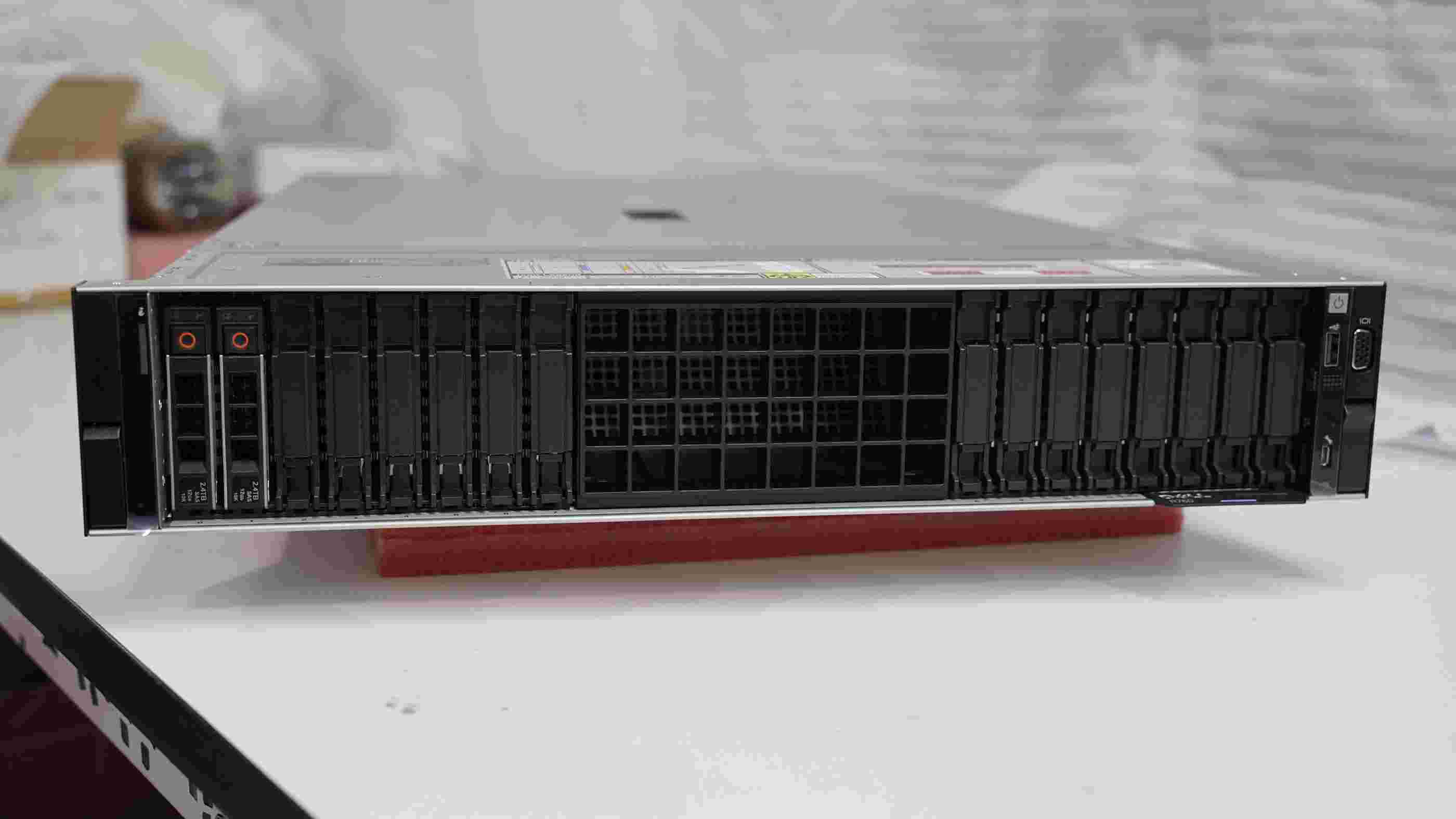
At Vornaxis, we focus on modular motherboard layouts and adaptable chassis designs that allow engineers to select customized drive configurations (NVMe/SAS/SATA ratios), specify exact power supply capacities (up to dual 2000W redundant Platinum-grade system configurations), and fine-tune firmware/BIOS settings to match software hypervisors.
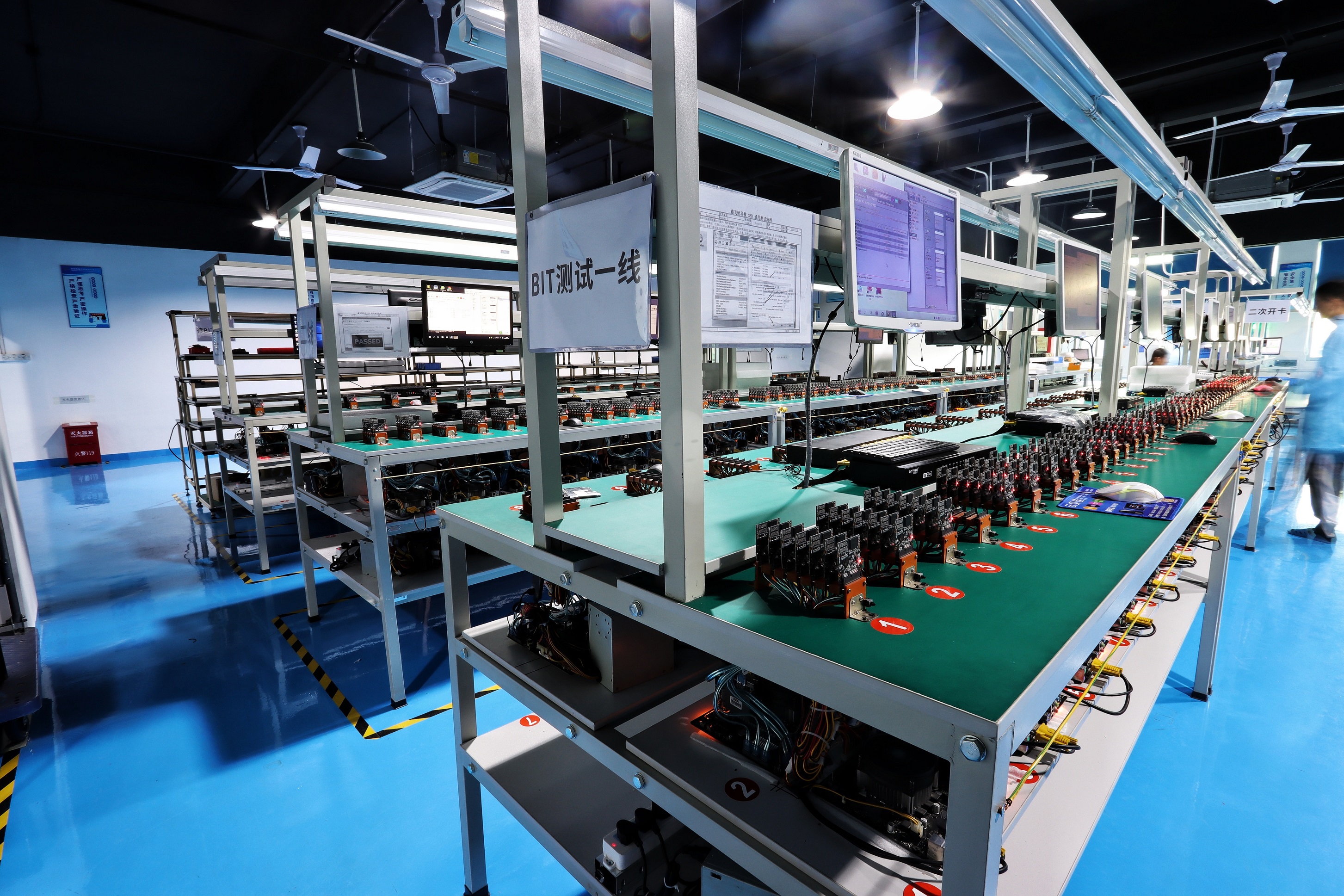
A single system failure in a multi-thousand-node cluster can cause cascade delays. Our testing processes are designed to mitigate this risk through detailed hardware evaluations:
Configured hardware environments engineered to meet specific institutional and industry performance requirements
For organizations executing localized deep-learning iterations or massive-scale R1 inference pipelines, Vornaxis provides configurations that maximize GPU bandwidth. Our platforms feature high-density PCIe lanes, dual-processor architectures, and direct RAM caching designed to minimize hardware bottlenecks during matrix calculations.
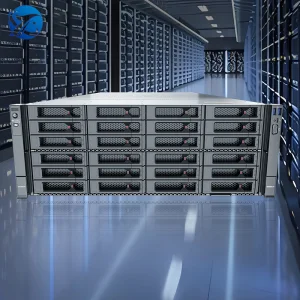
Modern data operations require reliable access to large volumes of unstructured data. Our storage nodes support NVMe hybrid architectures, high-performance backplane layouts, and fast interfaces (10G/40G core options) to minimize query latency and speed up read-write cycles across large pools of shared data.
Maximizing computing efficiency requires running multiple isolated workloads on shared hardware. Our dual-socket Xeon systems support large memory allocations and high core densities, allowing virtualization managers to run hundreds of containers without performance degradation.
Shipping precision computing hardware across borders requires adherence to local electrical standards, safety certifications, and regulatory controls. Vornaxis systems undergo strict compliance validation, ensuring our hardware meets international standards such as CE, FCC, RoHS, and local certifications.
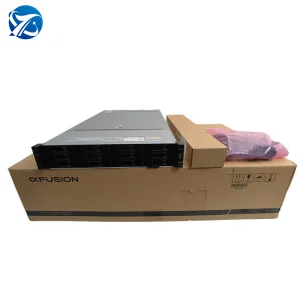
Additionally, we work with global logistics companies to manage shipping protocols, transit safety, custom declarations, and secure delivery. Each server shipment is packaged in multi-layered electrostatic-discharge (ESD) safe materials, supported by custom shock-absorbing framing to ensure it arrives at your data center operational and ready for rack integration.
We provide localized engineering support and structured SLAs to help maintain system uptime:
Our engineering goals for the next generation of computing architecture
Our R&D team is developing prototypes for the next hardware generation. We are designing layouts to support PCIe Gen 6 throughput rates and integrate CXL 2.0 protocols to enable unified, low-latency memory pools across CPU and accelerator cards.
To help data centers meet environmental standards, we are developing system layouts that improve overall energy efficiency. This includes designs optimized for high-efficiency power converters, lower thermal waste, and direct compatibility with immersion cooling systems.
Common questions from systems architects and enterprise procurement departments
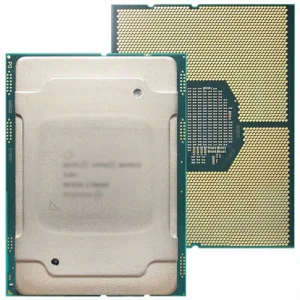
Our V7 line supports up to dual Intel® Xeon® Scalable processors (Sapphire Rapids/Emerald Rapids architectures) or AMD EPYC™ processors, featuring double UPI socket links for low-latency communication. This supports up to 128 cores per socket, providing the capacity needed for enterprise virtualization workloads.
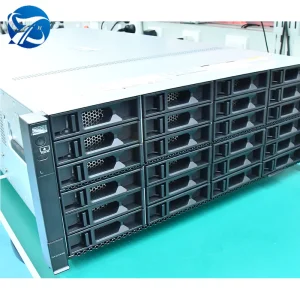
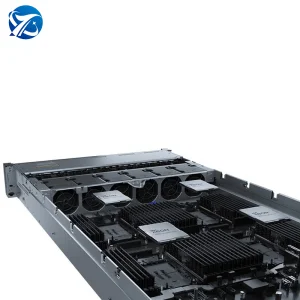
Our architectures support up to 8 high-density GPU accelerators in a 2U or 4U configuration. By using PCIe Gen 5 pathways, we ensure maximum data transfer rates between system memory and accelerator cores. This layout helps prevent system latency during model execution and large-scale data queries.
Standard custom configurations are typically assembled, validated, and packaged within 4 to 6 weeks. For custom ODM requirements involving modified motherboard routing or specialized thermal designs, our 160 R&D engineers will establish a development schedule to guide prototyping, validation, and production phases.
We maintain strict ISO 9001:2015 certified manufacturing facilities. Each unit undergoes automated optical inspection (AOI) to check circuit board assembly, followed by operational and thermal validation under high computational loads to verify system stability before packaging.
Yes. Our backplane layouts feature modular OCP 3.0 network slots and standard PCIe slots, allowing clients to configure configurations with 10GbE, 25GbE, 100GbE, or InfiniBand network cards to match their existing networking infrastructure.
Additional custom computing options and system components for global deployment
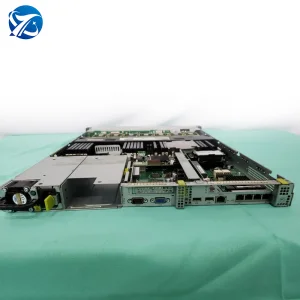
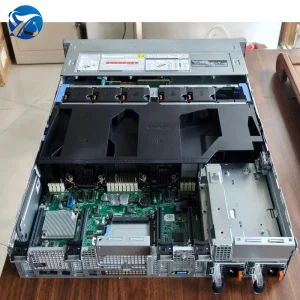
Operating across a global supply chain to deliver high-performance computing hardware
Corporate Headquarters & Operations: Specialist design, configuration, and QC validation facility managing custom system developments and enterprise integrations.
Global Site Link: www.vornaxiscompute.com
By working with our partner network, we assemble components, perform system verification, and manage logistical compliance for customers across North America, Europe, Southeast Asia, and the Middle East.