Vornaxis
Vornaxis
Vornaxis

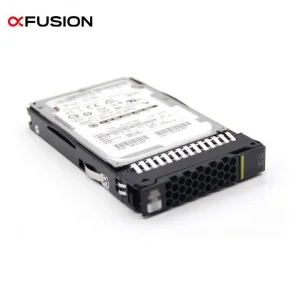

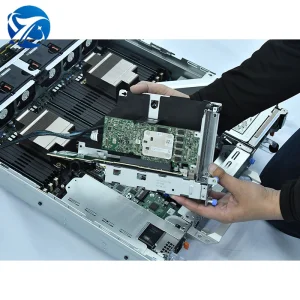
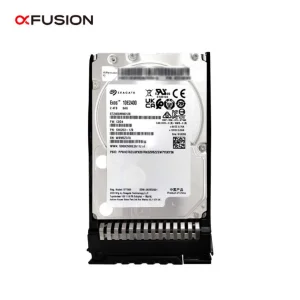
Founded in 2016, Vornaxis Compute Ltd. (www.vornaxiscompute.com) stands as an industry-standard manufacturer specializing in high-performance computing infrastructure, complex GPU cluster systems, and optimized thermal server cooling designs. As the computational needs of artificial intelligence (such as DeepSeek and other highly-parallel LLM frameworks) scale exponentially, traditional air cooling reaches its thermodynamic limit. We develop solutions that keep your processors at optimal operational temperatures.
Whether integrating liquid cold plates, custom fan matrices, or closed-loop cooling systems, our structural engineering team delivers high-density compute architectures engineered for peak performance and strict power utilization efficiency (PUE).
Modern high-density data centers are shifting from general-purpose computing to GPU-accelerated workloads. This shift demands extreme power capacities, often scaling past 100 kW per rack. Standard ambient air cooling is no longer sufficient to sustain system uptime without thermal throttling.
Global regulatory boards demand strict Power Usage Effectiveness (PUE) ratios. Implementing advanced cooling strategies reduces auxiliary fan power requirements by up to 50%, transforming overall operating efficiency.
Direct-to-Chip (D2C) cold plates and immersion cooling deliver heat transfer coefficients up to 100 times higher than air, keeping high TDP silicon cool even under relentless workloads.
With GPU thermal profiles passing 700W to 1000W per card, specialized flow distribution networks and precision heatsinks are critical to preventing system-level failures.
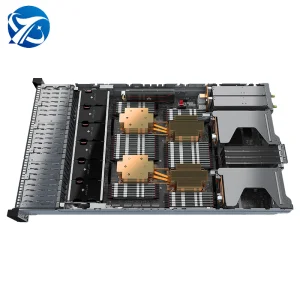
As machine learning architectures grow, computational clusters must scale horizontally and vertically. In vertical scaling, multiple high-TDP accelerators are integrated into single physical nodes (such as 4U and 8U GPU servers). Without proper thermal planning, heat builds up rapidly inside the chassis. The Vornaxis design methodology addresses this directly by integrating specialized vapor chambers, microchannel copper cold plates, and high-CFM (cubic feet per minute) counter-rotating fan systems. This ensures a balanced thermal profile across all critical components, including processors, memory modules, and storage drives.
Vornaxis operates its production, engineering, and logistics framework with a focus on manufacturing speed and technical compliance. Leveraging regional component ecosystems, we secure key raw materials, specialized heat pipes, CNC-machined cold plates, and advanced polymers at optimal scale.
This integrated ecosystem keeps production costs predictable while meeting international quality standards. With over 6 years of export experience to North America, Europe, and Southeast Asia, our logistics and operations teams handle international customs compliance, certification protocols, and on-site deployment requirements seamlessly.
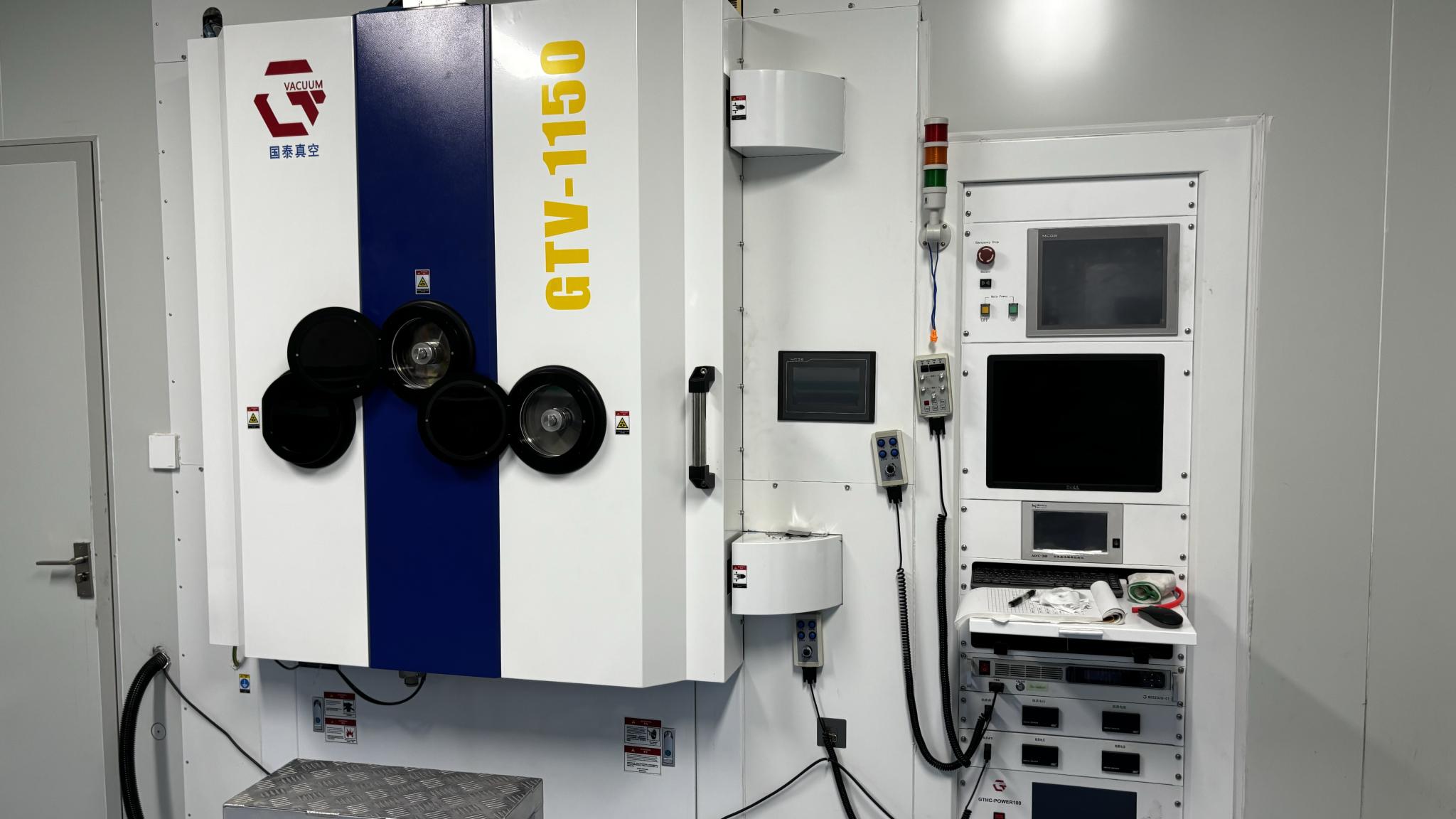
Vornaxis maintains a 320 m² dedicated advanced prototyping and engineering center where we design high-efficiency cooling components. Our 160 R&D engineers develop thermal and electrical designs tailored for specific server configurations.
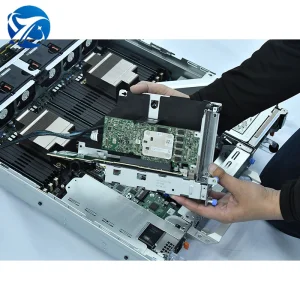
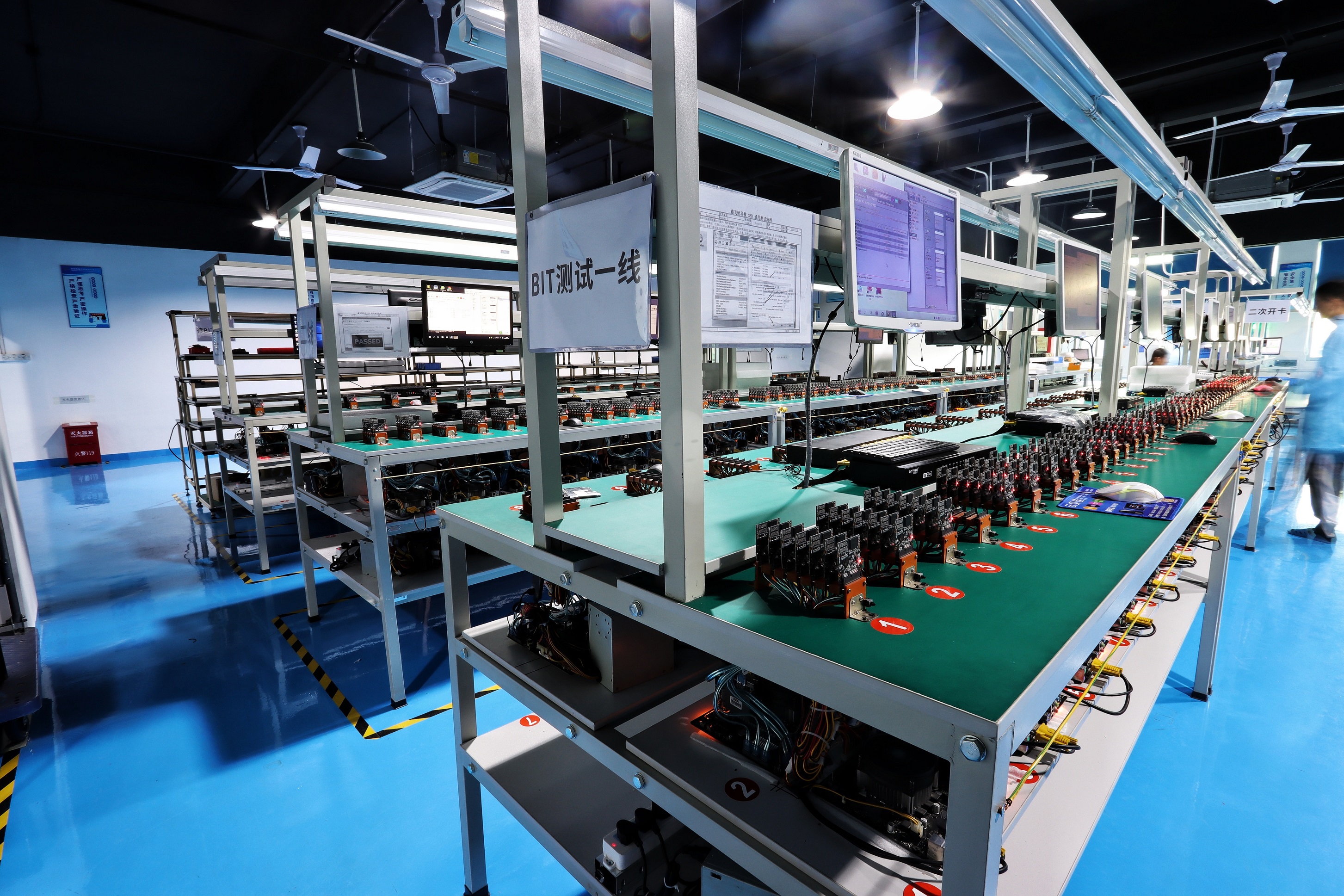
Our facility is ISO 9001 certified and RoHS compliant. Every GPU server and cooling system undergoes high-performance burn-in validation before packaging. We inspect systems using AOI (Automated Optical Inspection), electrical testing, pressure testing for liquid components, and thermal chamber evaluations to ensure high reliability.

Every computing environment has unique structural and thermal limits. We deliver tailored configurations to match specific operational profiles.
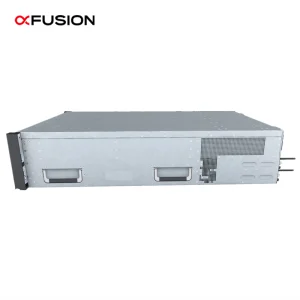
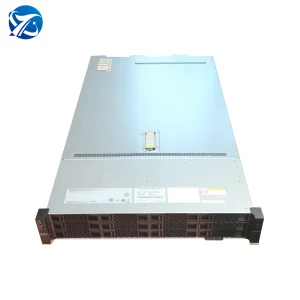
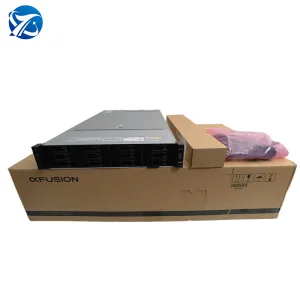
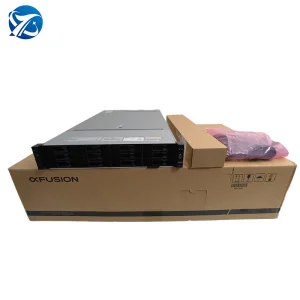
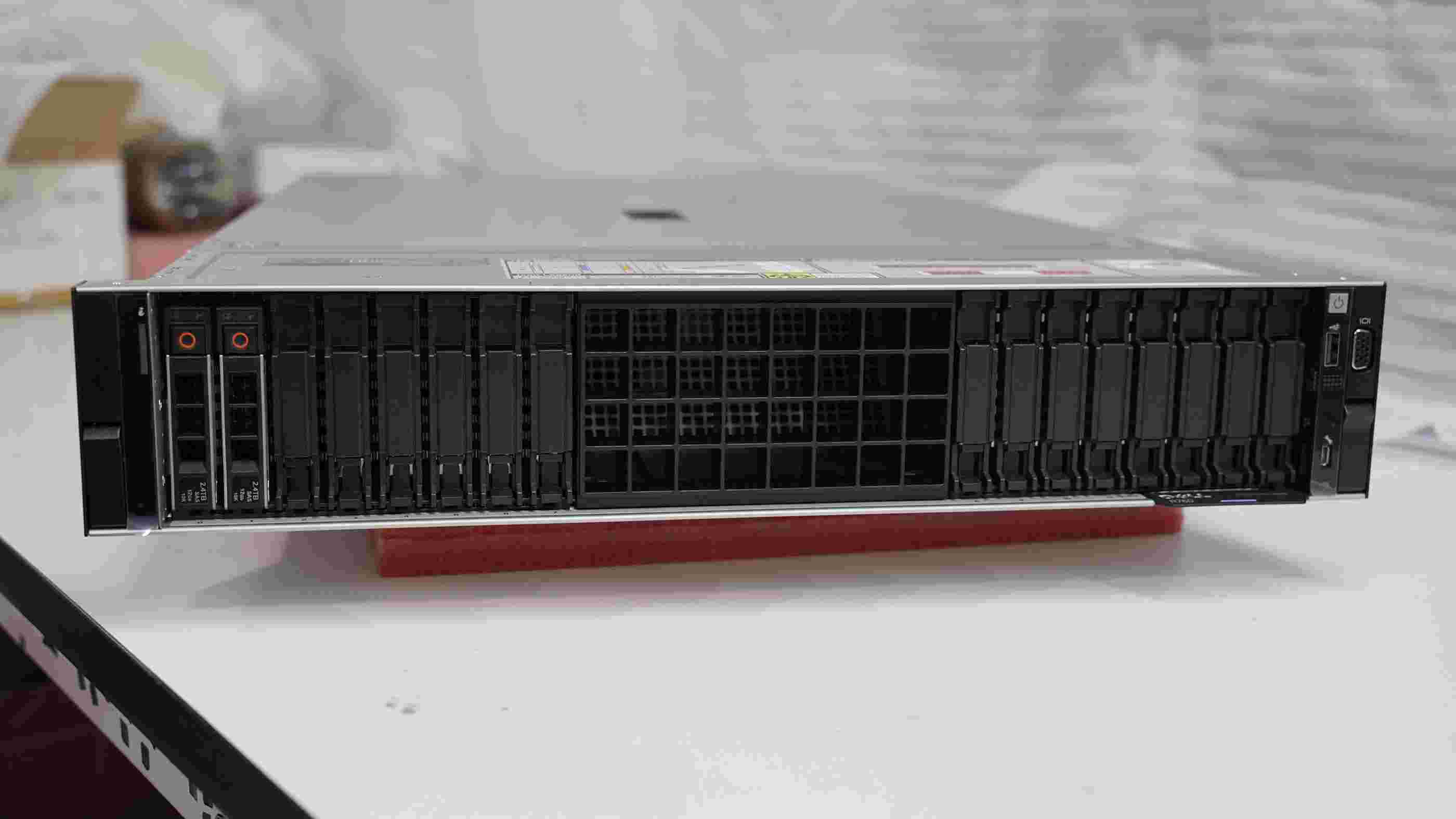
Optimized for high-density, multi-socket rack installations (like the FusionServer 2288H V6). Focuses on cost-effective, long-term reliability and hot/cold aisle containment compatibility.
Designed for academic and scientific computing environments that run prolonged, high-load computations. Typically requires liquid-to-air heat exchangers or hybrid microchannel cold plates.
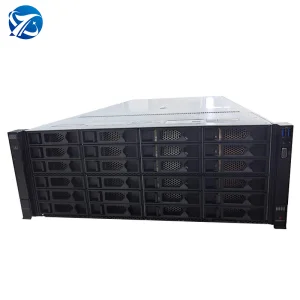
Configured for multi-GPU arrays (such as the FusionServer G5200 V7). Features high-airflow configurations and specialized heatsinks to support heavy compute workloads during deep learning training cycles.
Providing direct, expert answers to key queries on server thermal dynamics and high-performance server deployments.
Air cooling typically becomes inefficient when a single chassis power density exceeds 15 kW, or when individual silicon components (like high-performance GPUs) surpass 350W TDP. Beyond this, the airflow volume and fan power required to manage heat dissipation create excessive noise, high power consumption, and thermal throttling risk. In these cases, moving to liquid cooling (such as Direct-to-Chip cold plates or liquid loop systems) is recommended.
Our manufacturing process employs comprehensive safety protocols. All liquid cooling blocks and distribution systems undergo rigorous pressure and helium leak testing. We utilize high-quality quick-disconnect couplings (QDs) with integrated non-drip check valves. Additionally, our liquid formulations are non-conductive dielectric fluids or specialized coolants, minimizing potential damage even in the unlikely event of a micro-leak.
Operators should focus on Power Usage Effectiveness (PUE), the partial PUE (pPUE) of the cooling subsystem, and the thermal resistance (Rjc) from the chip junction to the cooling fluid. Reducing thermal resistance allows servers to operate at higher ambient fluid temperatures, lowering the energy needed to run external chiller plants.
Yes, Vornaxis specializes in OEM/ODM manufacturing. Our engineering team can customize cold plate dimensions, hose placements, fan arrays, and power connections to fit standard 19-inch, 21-inch Open Compute Project (OCP), or proprietary server enclosure layouts.
We perform full system burn-in testing. Assembled systems are run under simulated workloads at maximum TDP within thermal chambers. This process validates that the heatsinks, thermal interface materials (TIMs), and fan controllers function reliably during sustained computational loads.