Vornaxis
Vornaxis
Vornaxis
Select high-performance computing hardware, storage arrays, and network interface solutions engineered to safeguard critical enterprise data streams.
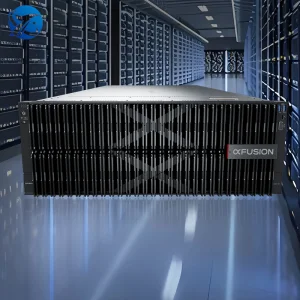

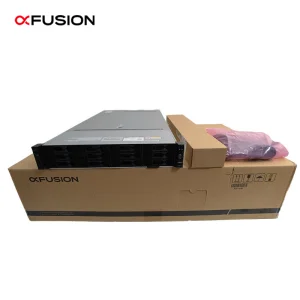
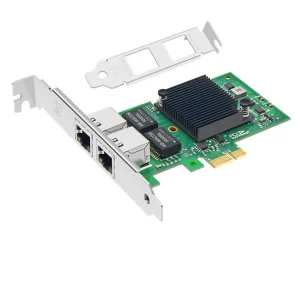
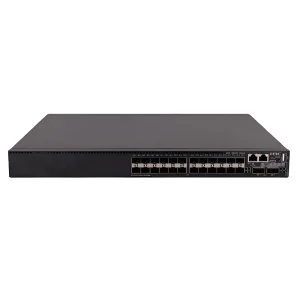
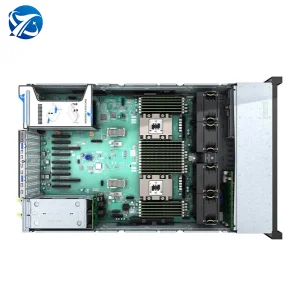
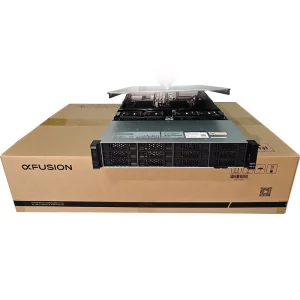
Vornaxis Compute Ltd. is a pioneer in hardware-level security, specializing in high-performance AI GPU server design, secure computing node architectures, and mission-critical enterprise storage infrastructure.
Operating from a position of technological leadership, Vornaxis executes rigorous OEM/ODM manufacturing protocols. We deploy advanced cryptographic validation systems, redundant cooling matrices, and multi-layered hardware verification loops, enabling secure data deployments across global markets.
| Est. Registered Date | 2016 |
| Headquarters Area | 320 m² R&D Base |
| Annual Export Revenue | USD 18.6 Million |
| Direct Export Pedigree | 6+ Years |
| Industry Experience | 12+ Years |
| Global Ecosystem Supply | ~850 Global Partners |
The convergence of hardware resilience and threat landscape dynamics demands next-generation secure server execution models.
Modern server boards deploy a dedicated cryptographic microcontroller (e.g., TPM 2.0 / secure FPGA modules) designed to lock the server boot sequence into a known good configuration. By verifying the low-level firmware (BIOS/UEFI, Baseboard Management Controller (BMC)) before main processing cores execute, we nullify malware attempts targeting the pre-boot level. This aligns directly with NIST SP 800-193 Platform Firmware Resiliency standards.
Securing data at rest and in transit is no longer sufficient; processing dynamic datasets in memory requires secure hardware enclaves. Through integration with CPU architectures such as AMD SEV-SNP (Secure Encrypted Virtualization-Secure Nested Paging) and Intel SGX/TDX, our server lines isolate hypervisors and virtual machines, shielding multi-tenant architectures from memory-leak attacks.
Vornaxis R&D is preparing for quantum compute shifts by prototyping cryptographic accelerators capable of hosting lattice-based algorithms. Secure key exchanges, firmware verification algorithms, and out-of-band communication channels within the server management interfaces are systematically migrated to resist potential decryption by quantum systems.
Within the next 24 to 36 months, the server manufacturing landscape will shift completely toward hardware-enforced micro-segmentation. Peripheral components—such as PCIe Gen5 SSDs, high-capacity RAID cards (like the 9560-8i or 9540-8i), and network cards (like the H3C S6520X)—will be verified individually through SPDM (Security Protocol and Data Model) architectures over MCTP. Security is no longer centralized at the CPU; instead, every card, drive, and port must establish its cryptographic credentials at initialization.
Vornaxis constructs bespoke computing platforms with optimized hardware configurations tailored for high-risk, high-throughput verticals.
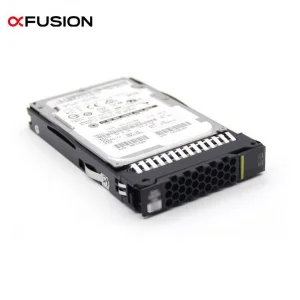
In high-frequency trading (HFT) and transactional banking environments, server nodes must support high throughput while ensuring cryptographic integrity. Hardware implementations feature PCIe 4.0/5.0 RAID controllers (such as the LSI 9560-8i with SAS/SATA/NVMe tri-mode) and self-encrypting drives (SED) managed via enterprise key managers. These systems isolate customer records and transaction data directly at the block storage layer, meeting PCI-DSS and SOC 2 requirements.
Processing patient diagnostics and genomic sequencing databases requires massive compute resources combined with HIPAA compliance. By utilizing dense GPU nodes like the Vornaxis AI GPU Deepseek servers, hospitals and research facilities execute AI training tasks within secure enclaves. This allows models to run diagnostic sweeps without raw patient records being readable by system administrators, hosting platforms, or third-party cloud providers.
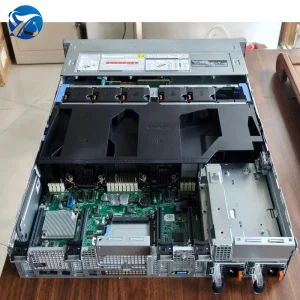
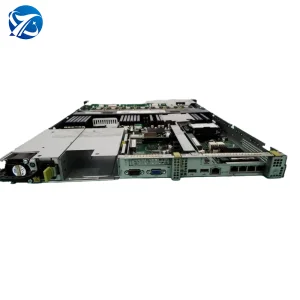
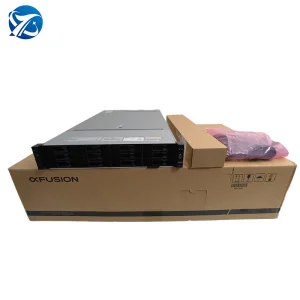
Cloud providers require distinct segregation between virtual server workloads. Using hyperconverged platforms (such as the xFusion 2288H V6 / Dell PowerEdge R7625 architectures), hardware engineers isolate computational paths at the socket level. With secure virtualization features enabled on dual AMD EPYC or Intel Xeon processors, hypervisor escapes are neutralized, protecting multi-tenant hosting and container infrastructures.
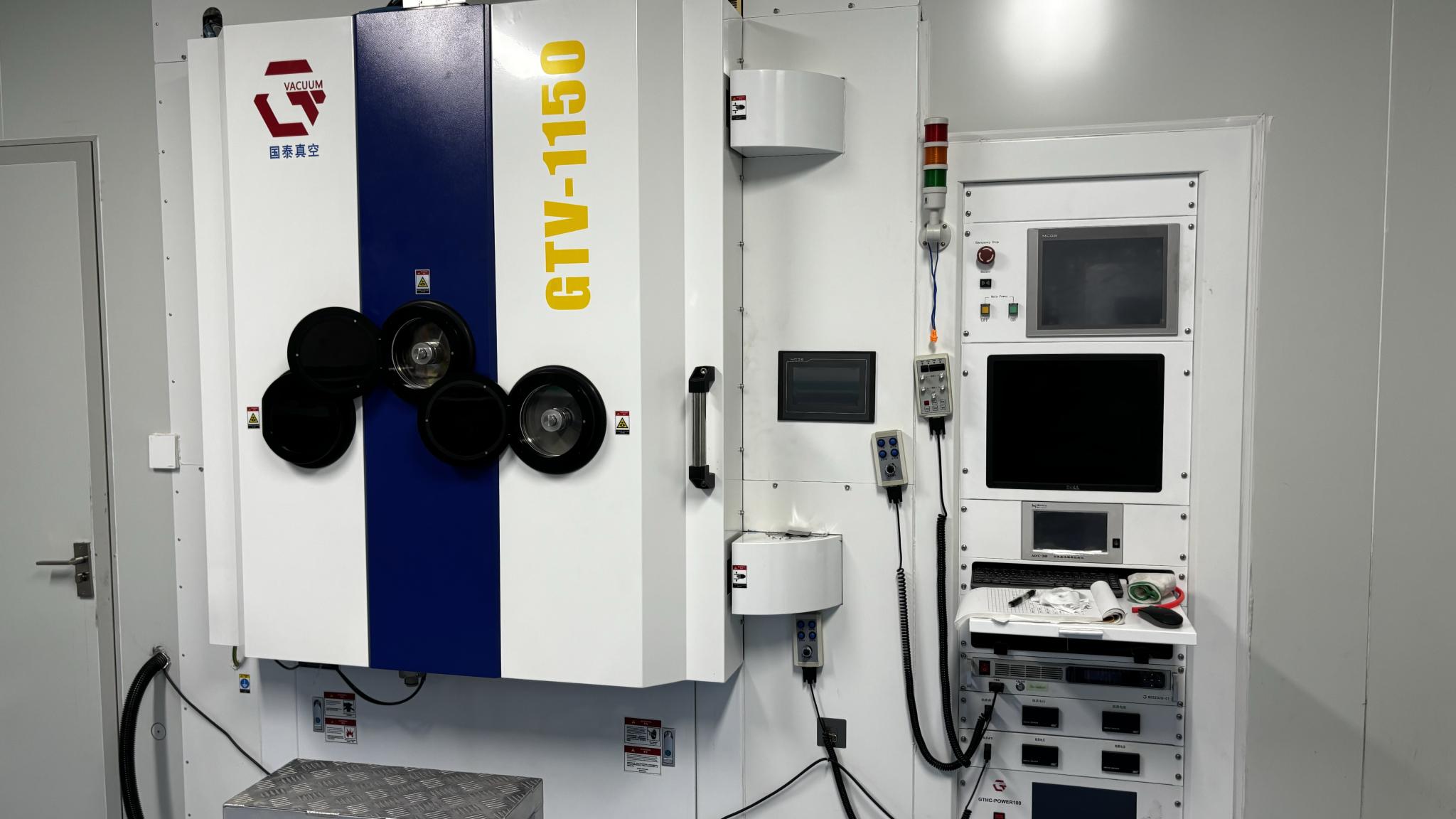
Vornaxis optimizes the advantages of China's electronics manufacturing ecosystem to construct reliable computing hardware. Operating specialized prototyping facilities, our R&D center is situated near high-density electronic supply hubs, allowing rapid prototyping of custom PCBs, cooling systems, and specialized chassis configurations.
With a network of approximately 850 upstream and downstream partners, Vornaxis secures premium allocation of key components. This supply chain redundancy helps mitigate components shortages, ensuring predictable lead times for critical enterprise procurements.
Vornaxis customizes layouts, bios configurations, and support agreements to align with regional regulatory structures worldwide.
Fully compatible with NIST Special Publication 800-53 controls for government-grade networks, FIPS 140-2 compliance configurations on integrated hardware encryption chips, and direct support for secure system integration processes across American and Canadian logistics channels.
Enables clean compliance with GDPR storage isolation requirements. System motherboards conform to CE certification requirements, alongside RoHS-compliant lead-free production matrices to limit hazardous substances and streamline decommissioning.
Systems are designed for high-ambient-temperature operations common in hyper-scale cloud campuses across Southeast Asia and the Middle East. Specialized liquid-cooling blocks and redundant 2N power supplies safeguard continuity under challenging operational parameters.
Balancing capital expenditure against security risks is essential when sizing hardware installations.
Hardware selection is structured to avoid vendor lock-in. By utilizing Open Compute Project (OCP) layouts and industry-standard PCIe controllers (like SAS/SATA/NVMe controllers), upgrade pathways remain simple, extending the functional lifespan of rack cabinets to 5-7 years.
Global deployment requires hardware support. Vornaxis provides component swap-out programs, replacement logistics, and direct access to Level-3 engineering resources, helping to reduce operational downtime.
Enterprises can conduct third-party audits of firmware source code, platform integrity signatures, and hardware component sources. Vornaxis provides transparency reports for critical compute products.
Deploy verified processing power, multi-terabyte arrays, and high-performance PCIe RAID controllers to support modern data center applications.
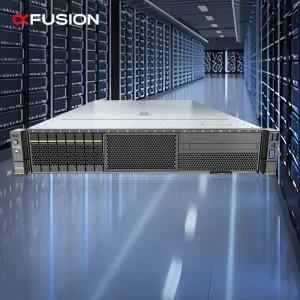
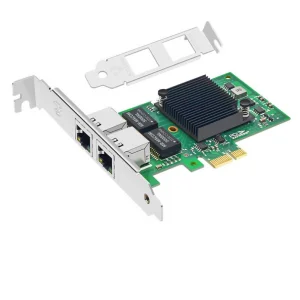
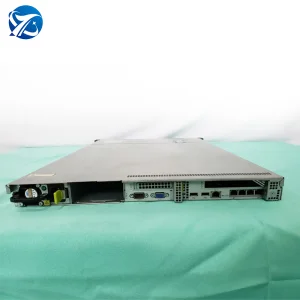
Get answers to critical technical questions regarding deployment, customization, and hardware-level validation protocols.
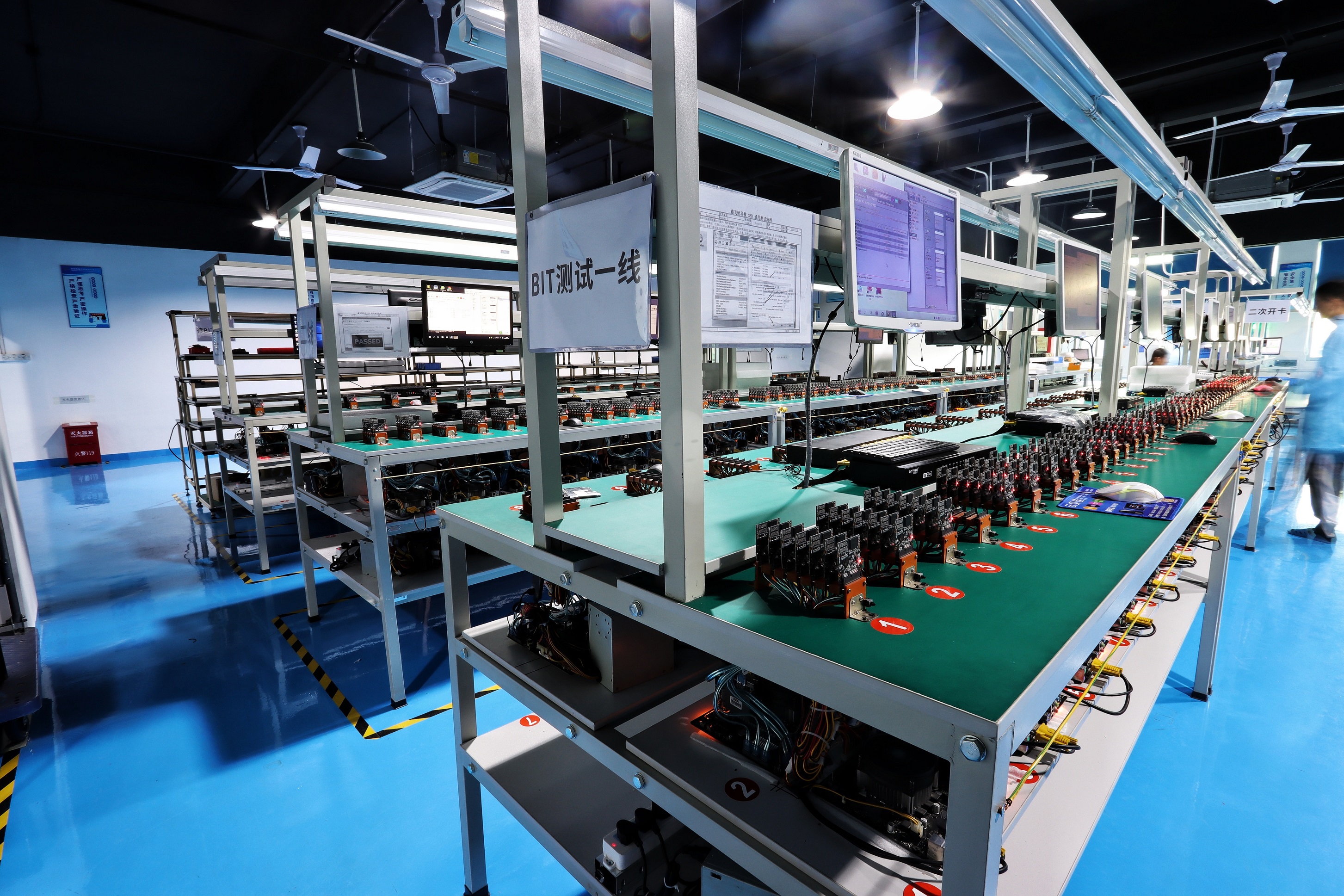
A look into our prototyping laboratories, QA testing rooms, and dynamic assembly divisions.