 Vornaxis
Vornaxis
Vornaxis
Optimized hardware architectures configured specifically to comply with European datacenter guidelines and power allocation structures.
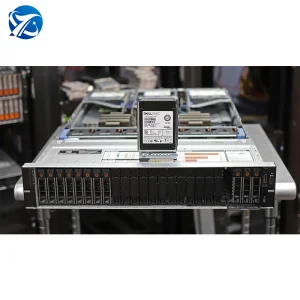
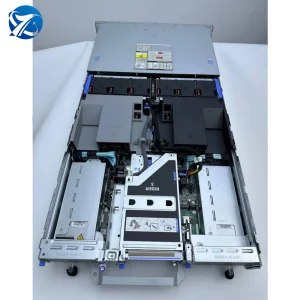
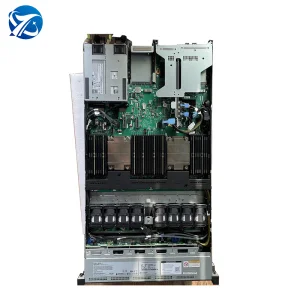
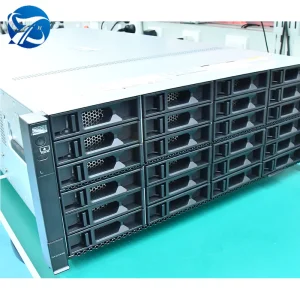
The Netherlands sits at the absolute epicenter of Europe’s digital infrastructure. Bolstered by the Amsterdam Internet Exchange (AMS-IX) and a dense array of modern hyperscale and colocation facilities, Dutch enterprises face unique demands. Operating high-performance AI clusters under strict municipal energy guidelines demands hardware of superior efficiency, density, and thermal design.
As a leading AI GPU server manufacturer, Vornaxis Compute Ltd. designs and exports enterprise-grade infrastructure to address the exact limitations and requirements of Dutch systems integrators, university labs, and colocation tenants.
"To stay competitive in the FLAP-D market, compute density must be balanced with strict Power Usage Effectiveness (PUE) ratings. Our designs focus on delivering the highest possible TOPS/watt to respect municipal grid caps."
Understanding municipal energy limits, European green policies, and high-speed network topologies.
The Dutch datacenter market is adjusting to historic grid limitations. Municipalities around Amsterdam and Almere have set strict limits on power draw, forcing operators to extract maximum compute capacity per rack space unit. The Dutch Climate Agreement and the EU’s Energy Efficiency Directive (EED) are driving data centers to demand servers that can handle high-density GPU deployment without overloading thermal units.
Our export pipeline serves this ecosystem by emphasizing architectural optimization. Through custom rack management, advanced telemetry, and components that thrive in cold-aisle containment, our hardware minimizes cooling overhead. Whether you are running high-performance workloads in Amsterdam Science Park or deploying local inferencing models in Eindhoven's high-tech cluster, our configurations deliver predictable, compliant operations.
Overcoming memory bottlenecks, utilizing PCIe Gen5/Gen6 speeds, and streamlining AI training/inference workflows.
For model architectures like DeepSeek 671B or Llama-3, interconnect speed is just as critical as raw compute. Memory bandwidth bottlenecks between accelerators can stall pipelines, increasing TCO and power waste. Vornaxis systems address this with optimized PCIe Gen5 expansion slots, support for next-gen NVLink interconnect topologies, and high-density, multi-socket Intel/AMD host controllers.
| Feature Spec | High-Density PCIe Gen5 Nodes | Advanced SXM5/OAM Topologies |
|---|---|---|
| GPU Interconnect Bandwidth | Up to 128 GB/s per slot (PCIe Gen5 x16 bidirectional) | Up to 900 GB/s using high-speed multi-way fabrics |
| Cooling Options | High-CFM redundant fan arrays with dual-path copper heatsinks | Integrated liquid cooling blocks (Direct-to-Chip or cold plate) |
| Power Distribution | 2+2 redundant 3200W Titanium-grade PSUs | 3+3 redundant 3200W/3600W busbar connectors |
| Application Focus | Distributed inferencing, low-latency API hosting, local RAG | Large Language Model (LLM) training & massive compute clusters |
By using Compute Express Link (CXL) technologies, our servers optimize memory pools across CPUs and accelerators, offering Dutch researchers a flexible platform for processing complex datasets without system bottlenecks.
Custom configurations mapped to local commercial, financial, and industrial demands.
Quantitative models require real-time execution and microsecond latencies. Our servers integrate PCIe Gen5 FPGA accelerator options and high-speed network interfaces for algorithmic risk analysis and trading platforms.
Real-time automated routing, terminal analytics, and machine vision models require durable Edge-AI hardware. Our industrial-grade cases are designed to handle fluctuating environmental factors and dust exposure.
Processing large-scale agricultural models and genetic sequencing datasets relies on high system memory. Our servers support up to 6TB of DDR5 RAM paired with dense storage for seamless workflow handling.
How our manufacturing infrastructure ensures reliable production, custom engineering, and timely delivery.
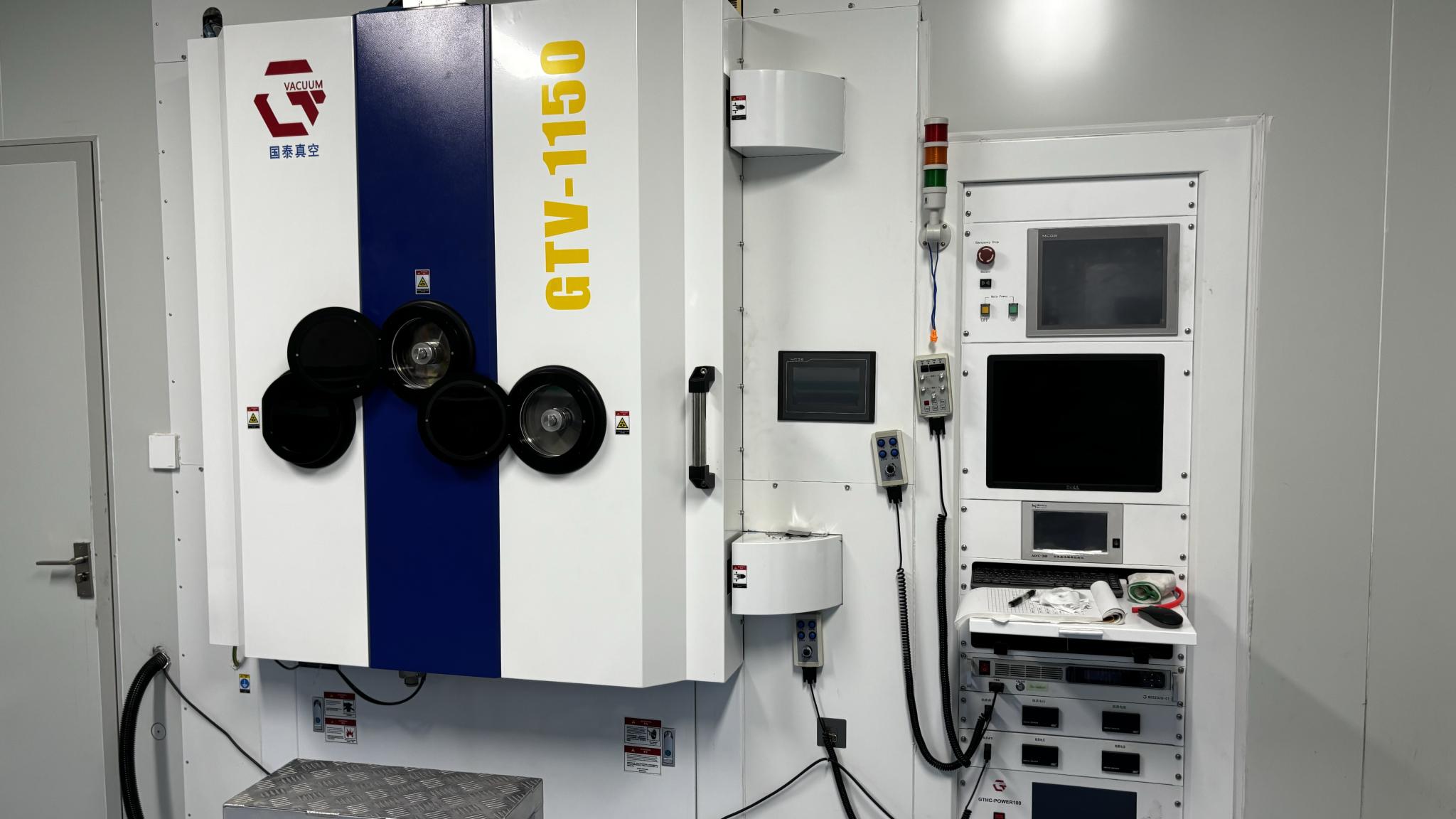
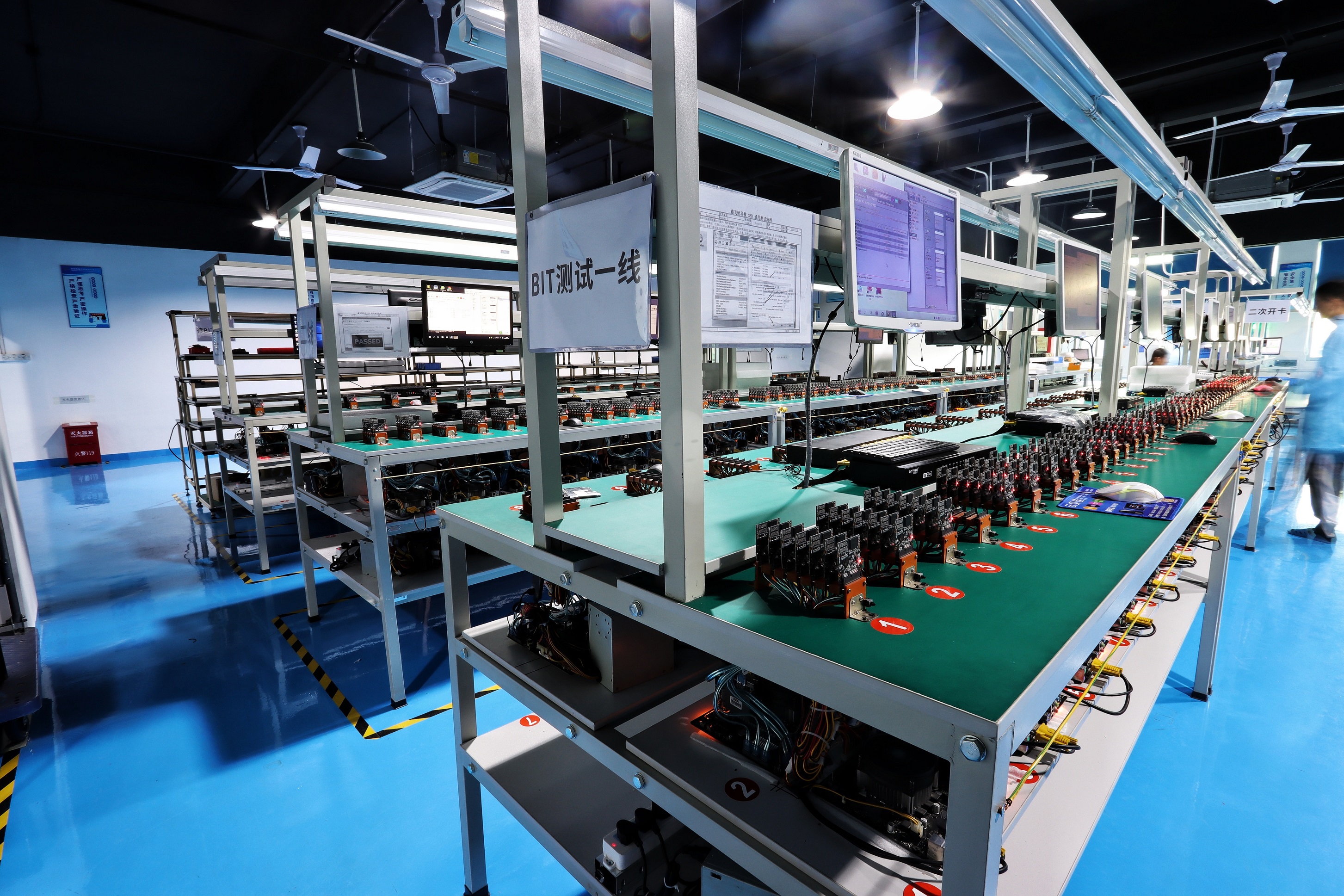
Vornaxis leverages an advanced production infrastructure in Shenzhen, featuring deep integration with the global components supply chain. With 12 years of industry experience, we manage everything from sheet-metal chassis fabrication to micro-component routing and custom firmware configuration under one roof. This integration allows us to design, assemble, test, and ship custom configurations in fractions of the standard lead time.
Our quality control process is managed by 45 certified inspection professionals. Every server goes through a complete automated optical inspection (AOI) cycle, followed by exhaustive functional testing under high workloads, and a 72-hour thermal stress test. This ensures that every node arriving at your datacenter is ready to deploy immediately.

Ensuring hardware deployments are fully compliant with CE, GDPR, RoHS, and WEEE requirements.
Deploying enterprise hardware in the Netherlands requires strict compliance with European directives. Our hardware lines carry the CE Mark, verifying complete compliance with EU health, safety, and environmental protection standards. We adhere strictly to RoHS (Restriction of Hazardous Substances), ensuring that all components are lead-free and eco-safe.
Additionally, hardware security features like TPM 2.0 and secure-boot BIOS options are integrated at the factory level. This assists our partners in implementing secure, compliant infrastructure that aligns with GDPR data sovereignty requirements.
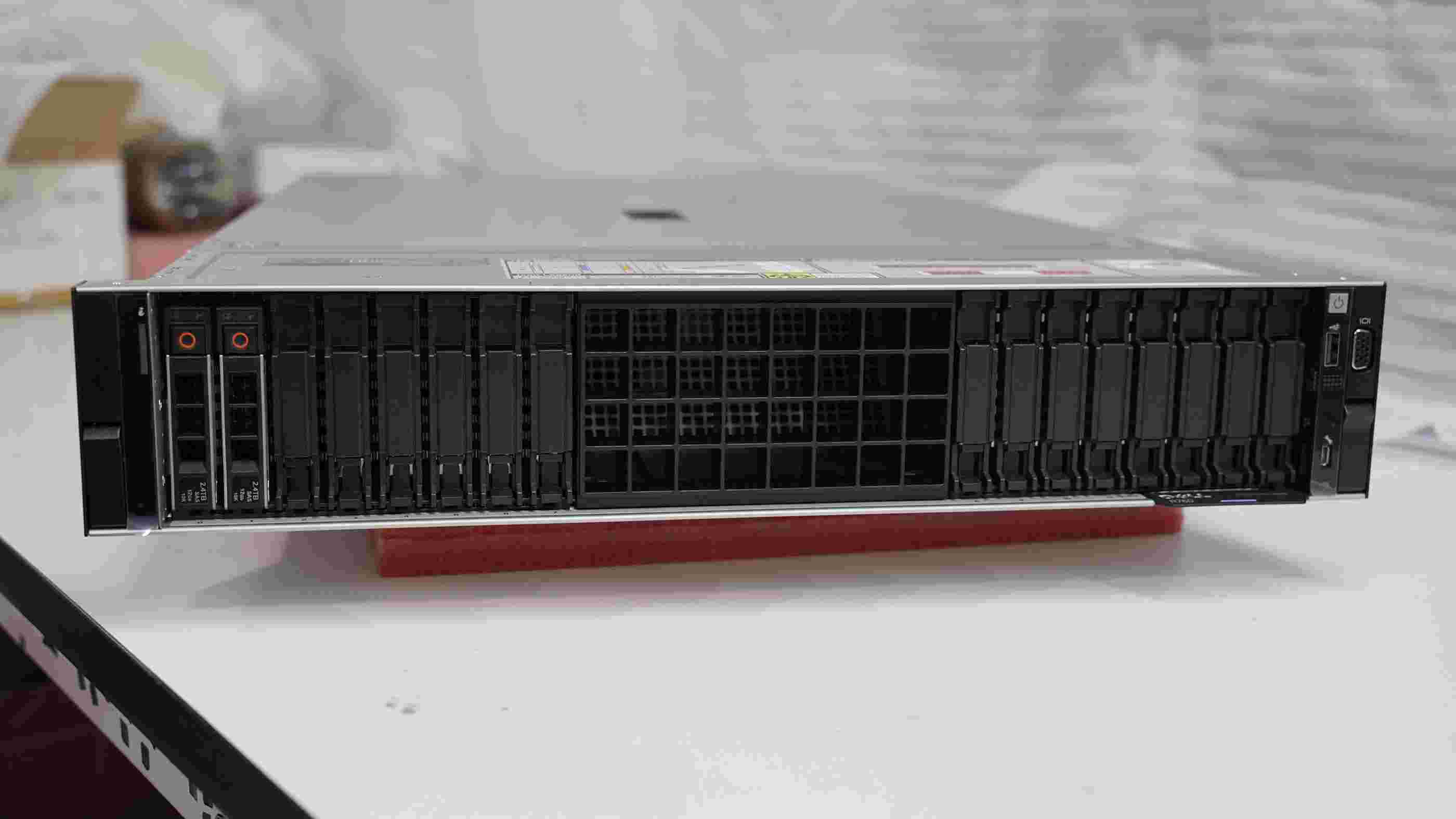
High-performance rackmount servers configured for compute-intensive workloads.
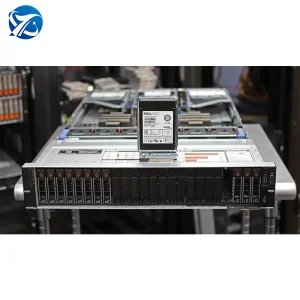
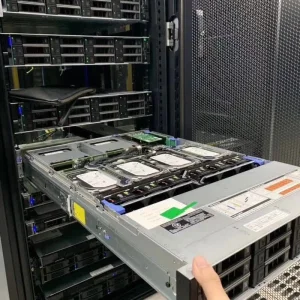
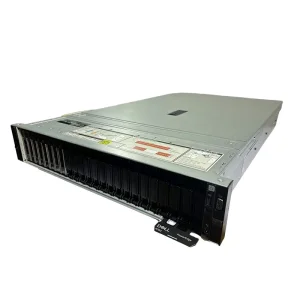
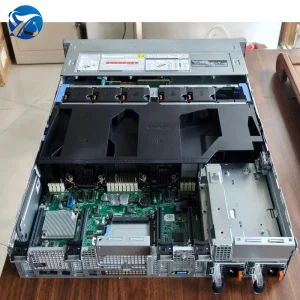
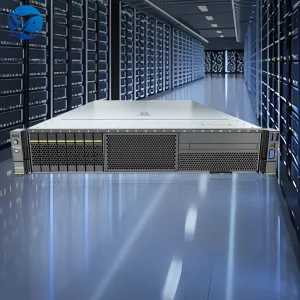
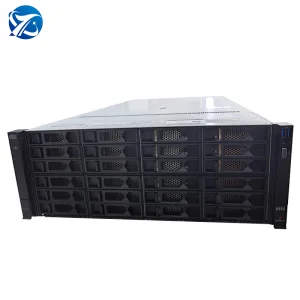
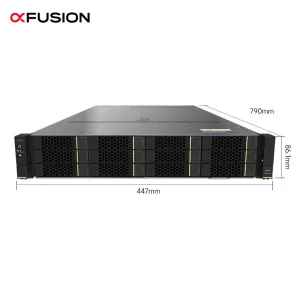
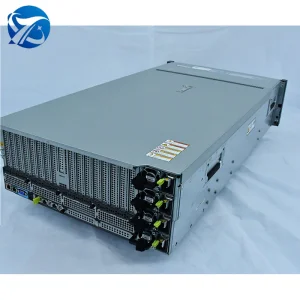
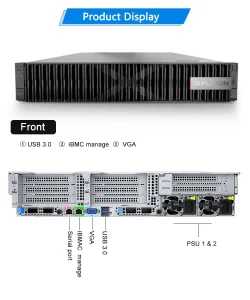
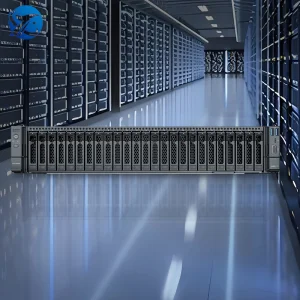
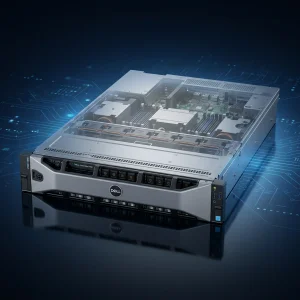
Practical considerations for power limits, cooling, and network configurations.
Purchasing GPU infrastructure involves evaluating long-term operational costs alongside initial purchase price. In the Netherlands, where energy costs and data-center floor space command premium rates, a server's operational efficiency dictates its lifetime value. Key considerations when choosing system configurations include:
Using smart power distribution units (iPDUs) and high-efficiency Titanium PSUs reduces transmission losses, saving considerable costs at scale.
Using 2U layouts instead of 4U designs when possible helps maximize rack capacity, reducing overall colocation costs.
Using IPMI 2.0 and Redfish APIs provides real-time tracking of voltage levels and fan speeds, helping prevent downtime.
Essential details regarding import regulations, hardware configuration, and logistics support.
Get in touch with our team of technical R&D engineers to discuss customized configurations, pricing options, and shipping arrangements to the Netherlands.
Send Inquiry Now