Vornaxis
Vornaxis
Vornaxis
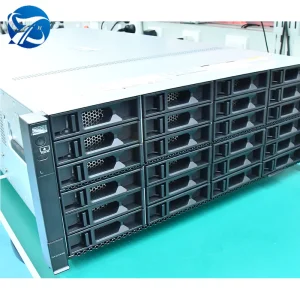
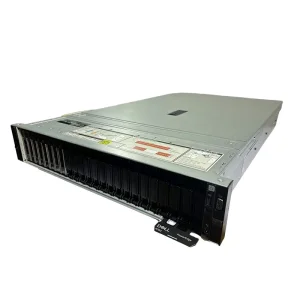
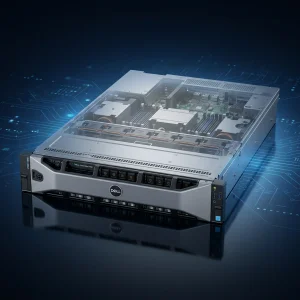
Our flagship deep learning and LLM execution hardware platforms configured for Melbourne data centers (NextDC, Equinix, and AirTrunk facilities).
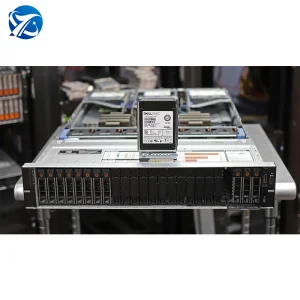
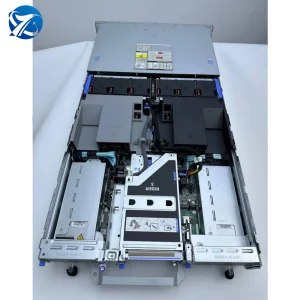
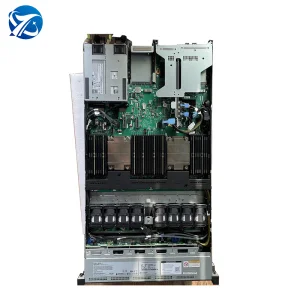
As Victoria continues its trajectory to become Australia’s primary technological and bioscience research corridor, the demand for enterprise compute clusters has hit unprecedented peaks. From RMIT and Monash University to the advanced medical research labs in the Parkville Biomedical Precinct, Melbourne requires highly responsive, power-efficient, and dense AI GPU server hardware.
Operating critical operations in Melbourne requires adherence to strict low-latency standards and high energy efficiency. Enterprise operators in Melbourne CBD, Cremorne, and Docklands are transitioning from public cloud models to hybrid on-premise high-density GPU infrastructure. This shift optimizes computational costs while retaining tight physical controls over proprietary datasets, crucial for compliance under Australia's regulatory frameworks.
How Vornaxis Compute Ltd. leverages global logistical pipelines, direct component relationships, and precision assembly lines to deliver world-class AI servers to Melbourne.
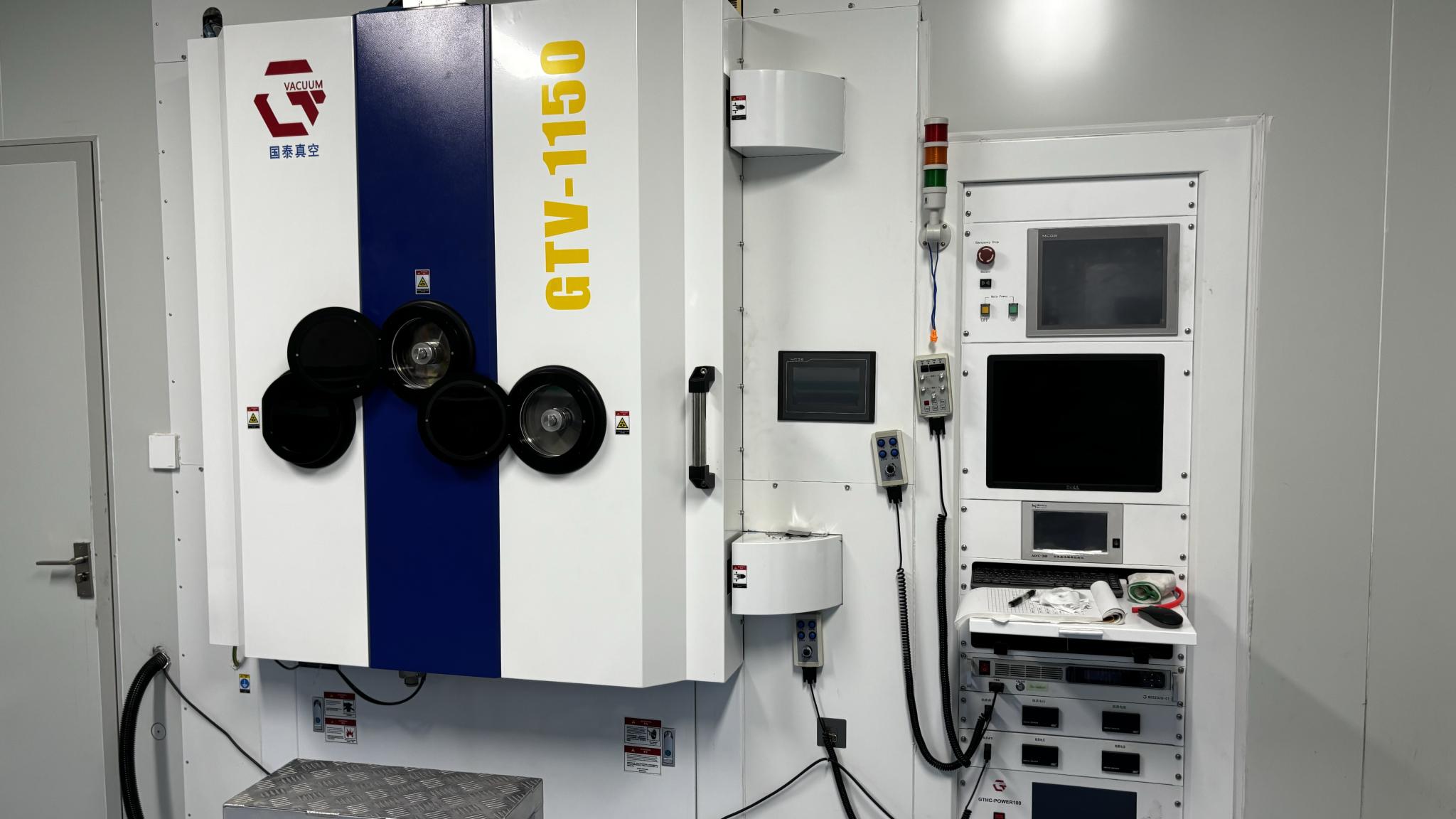
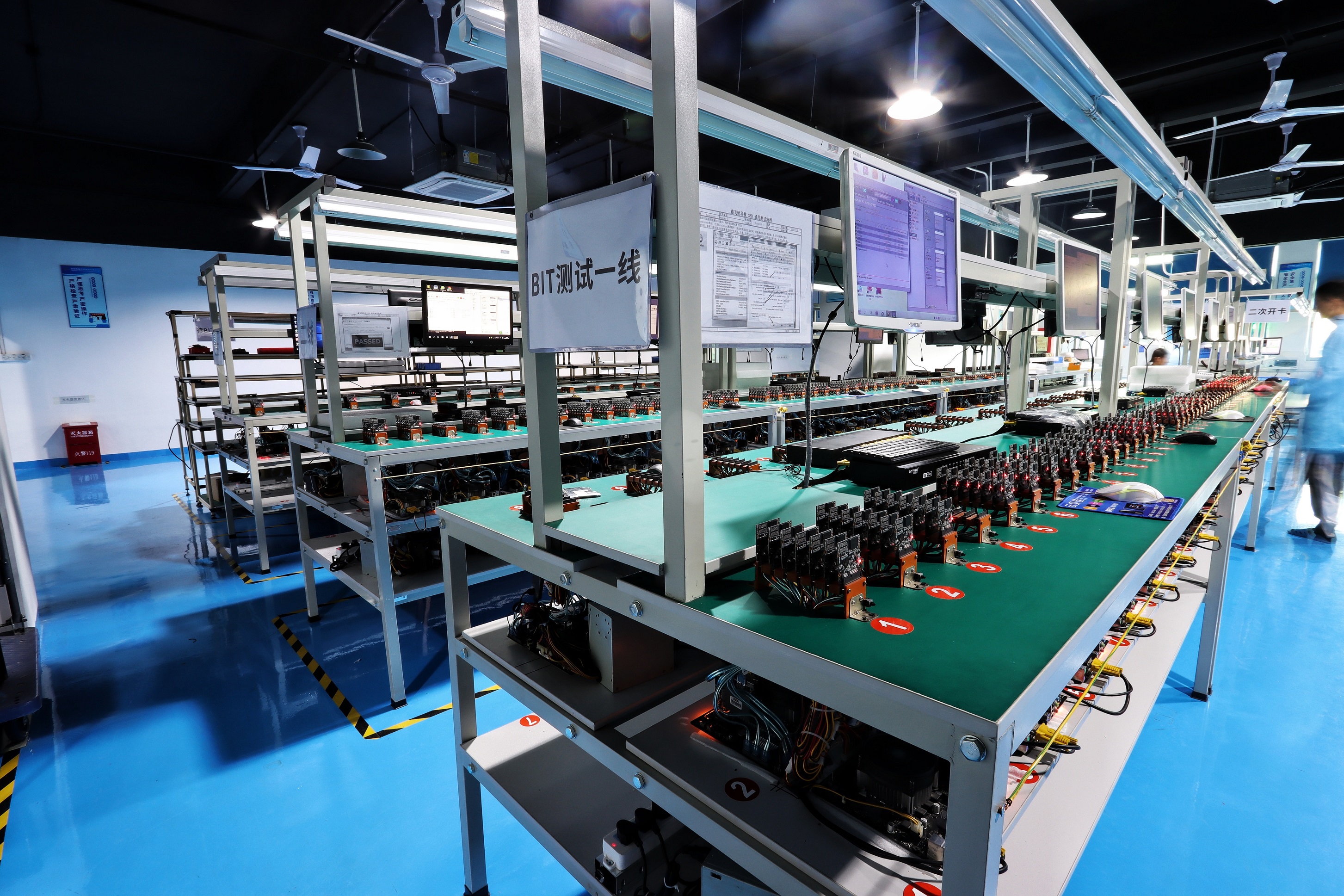
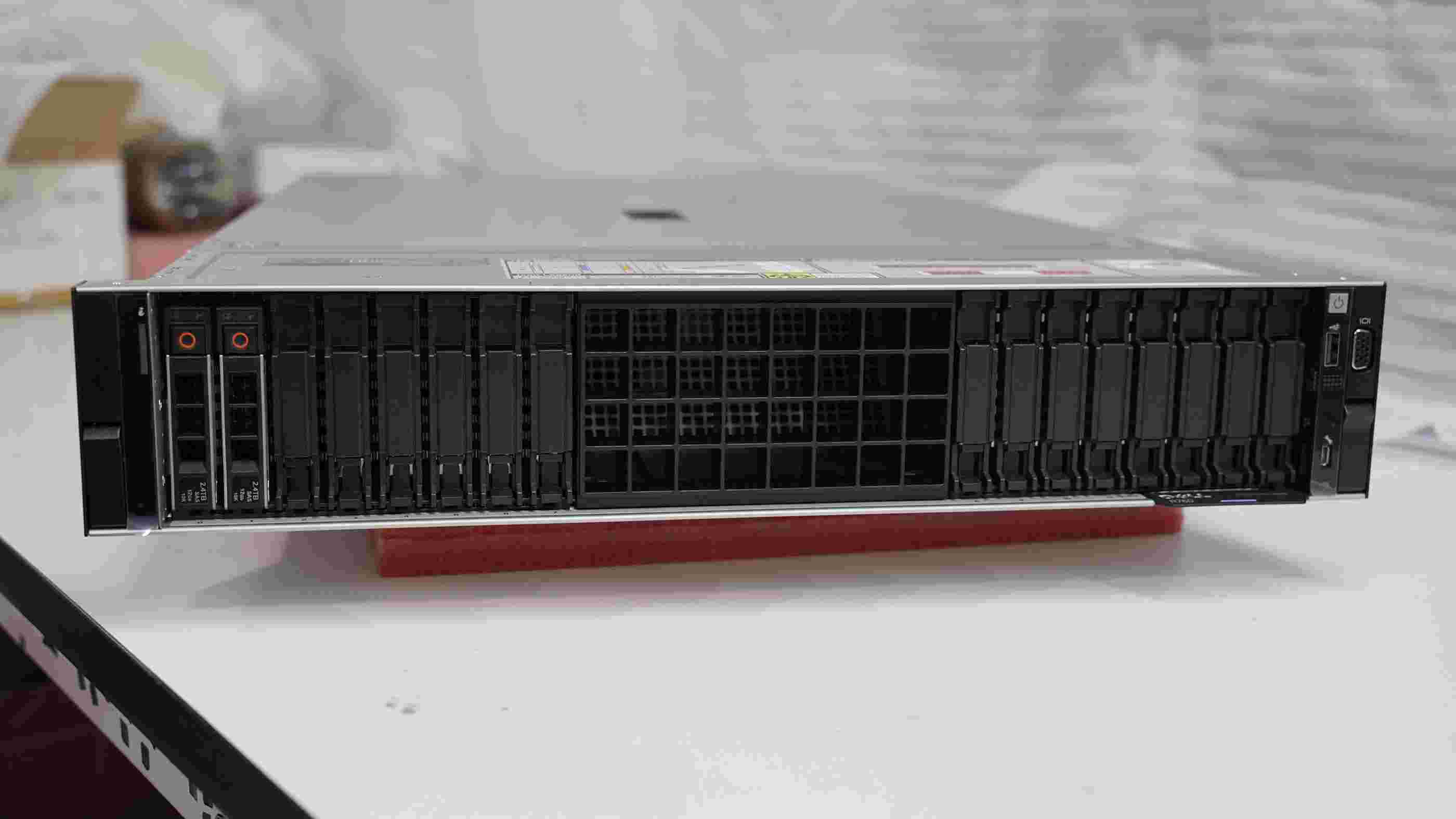

By establishing direct channels between Shenzhen's rapid-prototyping infrastructure and Melbourne's high-tech integrators, Vornaxis Compute Ltd. bypasses regional intermediary markups, slashing procurement cycles by up to 40%. The 320 m² production core is geared for direct system level validation, system stress testing, and customized rack designs.
Our quality assurance program guarantees zero-day failures during onsite deployment. Every multi-node GPU cluster undergoes complete mechanical and digital evaluation, including:
Robust compute nodes featuring multi-socket Intel Xeon and AMD EPYC platforms, optimized for training datasets, local virtualization, and dense storage.
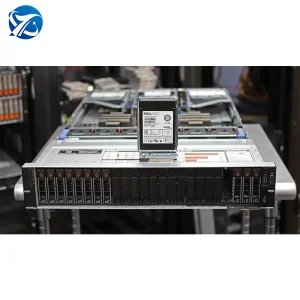
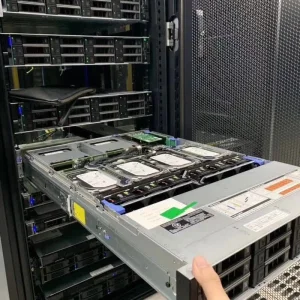
High-performance AI model training is driving hardware capabilities past typical TDP operating ceilings. Our engineered configurations address the modern data center demands.
Modern enterprise accelerators consume up to 700W to 1000W per module. Standard air cooling setups are hitting structural constraints in density. Our research focuses on integrating advanced liquid cooling loops, cold plates, and leak-proof quick disconnect manifolds. This configuration lowers overall data center Power Usage Effectiveness (PUE) ratings, reducing utility costs and matching Melbourne's sustainability goals.
By leveraging high-bandwidth interfaces, our customized platforms reduce data transfer bottlenecks during large-scale operations. Realizing fast processing times for deep learning requires massive memory throughput. Our servers are configured with dual-socket processors, DDR5 memory running at up to 4800MT/s, and Gen5 expansion slots to maximize throughput across GPU clusters.
| Platform Feature | Standard Server Baseline | Vornaxis AI Optimized System |
|---|---|---|
| Memory Interface | DDR4 (up to 3200 MT/s) | DDR5 (up to 4800/5600 MT/s) |
| PCIe Throughput | PCIe Gen4 (16 GT/s per lane) | PCIe Gen5 (32 GT/s per lane) |
| GPU Interconnect | Standard PCIe Bridge | High-Speed NVLink / NVSwitch Configs |
| Cooling Options | Standard High-RPM Fans Only | Hybrid Liquid Cooling & Custom Direct-to-Chip Cold Plates |
| IPMI Management | Basic Remote Control | Automated System Health Checks with Redundant BMC |
Our complete line of GPU-accelerated computing nodes, purpose-built for massive deep learning, deep neural network training, and neural inference.
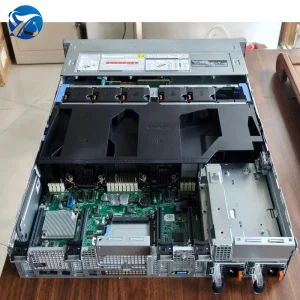
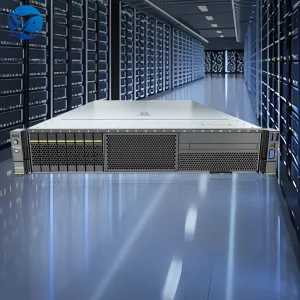
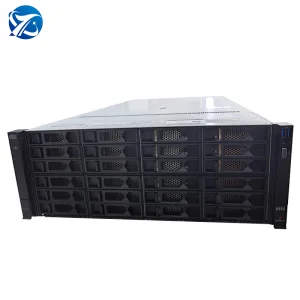
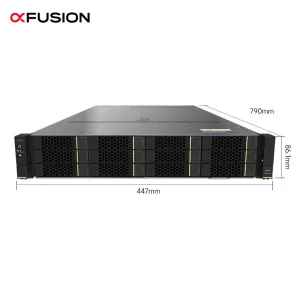
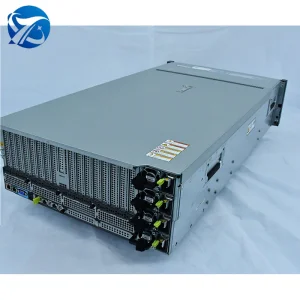
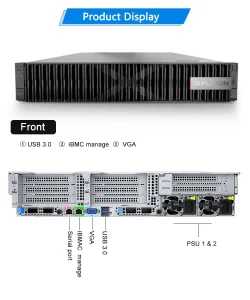
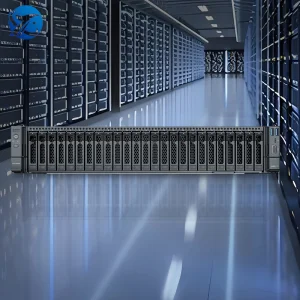
Our specialized hardware designs drive results across core sectors in the Victoria region.
Research hubs in the Parkville Biomedical Precinct require massive storage bandwidth paired with high-performance GPU tensor cores. Our configured dual-socket systems enable real-time genetic sequencing and 3D organ modeling, processing terabytes of visual and genomic data efficiently.
For fintech and trading operations in Melbourne CBD, reducing processing latency is critical. We build systems featuring low-latency network cards, PCIe Gen5 flash storage, and core speed optimizations, ensuring near-instantaneous execution during peak trading hours.
Working alongside departments at Monash and RMIT, our engineers supply platforms capable of supporting multiple simultaneous academic projects. Partitionable Multi-Instance GPU (MIG) support allows departments to allocate compute resources to various student and research initiatives concurrently.
Australian meteorological modeling requires intensive simulation power. We design scalable cluster environments capable of processing complex spatial data to predict extreme weather events, helping secure agricultural and city infrastructures.
Everything you need to know about procuring custom AI GPU servers, logistics, customs, and system configurations for Melbourne.
Our standard turnaround for processing and assembling customized servers is 10 to 15 business days. Once system integration and our 72-hour stress-testing sequence are complete, air freight shipping to Melbourne Tullamarine Airport (MEL) or local warehouses takes between 5 to 7 days, depending on carrier options.
We supply goods under DDP (Delivered Duty Paid) or FOB terms based on your internal procurement requirements. Our logistics partners manage clearing processes through Australian Customs, ensuring compliance with local import rules. Every shipment includes clear documentation indicating the correct HS Codes to streamline processing.
Yes, we specialize in high-density thermal management solutions. We build both hybrid direct-to-chip liquid cooling setups and fully closed-loop cold plate packages for high-capacity GPU configurations. These thermal setups help maintain safe operating conditions in compact server layouts, even during heavy processing loads.
Absolutely. Every power supply option we offer is certified at 80 Plus Platinum or Titanium efficiency, supporting standard input voltages used in Australian facilities (typically 230V to 240V AC at 50Hz). We can configure systems with dual, triple, or quad redundant hot-swap power supplies to match your facility's power layout.
Yes, we offer firmware customization options. This includes configuring remote management settings (IPMI 2.0 and Redfish APIs), custom boot screens, custom partition setups, and specific BIOS preferences before shipping, ensuring the servers integrate smoothly into your existing network infrastructure.
Each system undergoes a detailed multi-stage validation process. This includes Automated Optical Inspection (AOI) on physical components, a 72-hour system burn-in test running full diagnostic loads, memory cycle checks, and thermal validation tests to ensure complete system stability under high-stress operating environments.