Vornaxis
Vornaxis
Vornaxis
Enterprise-grade computing components and foundational hardware systems optimized for Romanian data hubs and hyperscale environments.
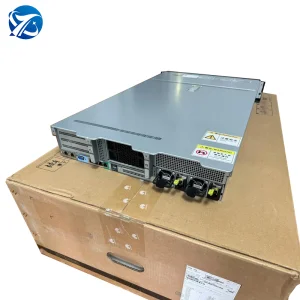
In the current technological paradigm, Central and Eastern Europe—specifically Romania—is experiencing an unprecedented surge in digital infrastructure modernization. Driven by European Union digitalization grants, national initiatives under the National Recovery and Resilience Plan (PNRR), and an influx of international IT corporations, Romanian enterprises, SaaS providers, and public institutions are seeking high-efficiency compute frameworks. Historically dominated by rigid tier-1 legacy systems like conventional HPE ProLiant platforms, the Romanian server market is pivoting. Procurement officers now prioritize high flexibility, hardware customizability, and accelerated delivery lead times.
As the "Silicon Valley of Eastern Europe," Romania hosts massive IT clusters in Bucharest, Cluj-Napoca, Timișoara, and Iași. This thriving digital ecosystem requires localized hardware capacity that complies strictly with European General Data Protection Regulation (GDPR) mandates and local energy consumption standards. The demand for advanced processing hardware has shifted from basic administrative office networks to highly integrated, multi-tenant cloud ecosystems, containerized microservice architectures, and dedicated AI/HPC models. In response to these shifts, local procurement strategies must address three key structural problems:
A professional AI GPU and Enterprise server manufacturer supplying high-performance computing systems globally.
Vornaxis Compute Ltd. designs and manufactures high-density GPU computing clusters, container-ready rack platforms, and enterprise storage arrays. Spanning a state-of-the-art facility optimized for low-latency configuration and structural system testing, we focus on delivering ready-to-deploy hardware to system integrators, data center operators, and enterprise IT teams across the globe. Our business strategy combines design flexibility with strict quality control to offer an alternative to traditional, fixed-specification tier-1 hardware.
In modern server manufacturing, cost-efficiency cannot exist without strict quality control. Vornaxis maintains compliance with global standards, including ISO 9001 and RoHS certifications, to ensure every system deployed in Europe meets strict performance benchmarks. Our manufacturing processes utilize automated optical inspection and functional burn-in tests to guarantee hardware reliability.
Our quality assurance protocol includes testing at multiple stages of production to ensure system stability under heavy workloads:
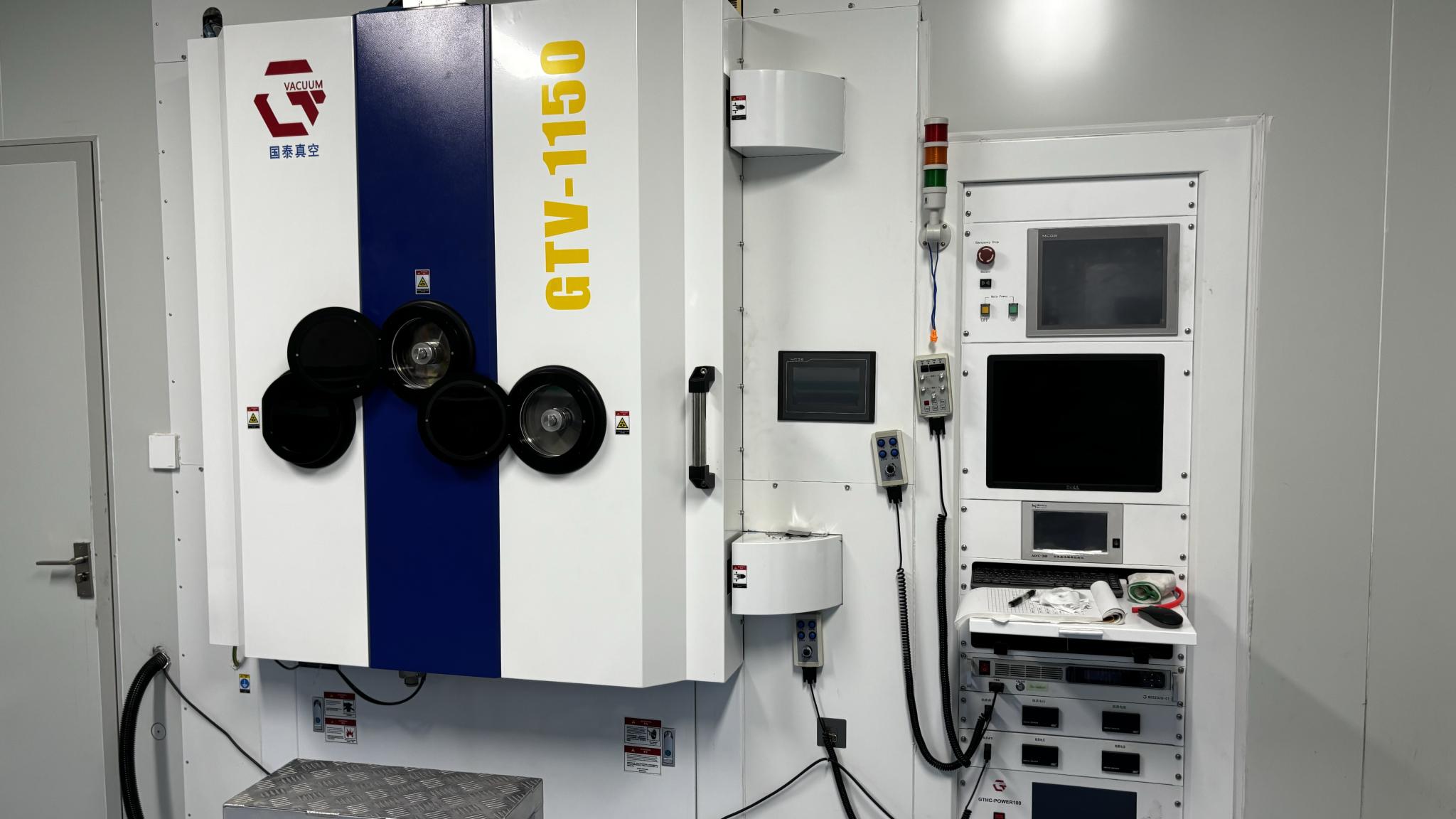
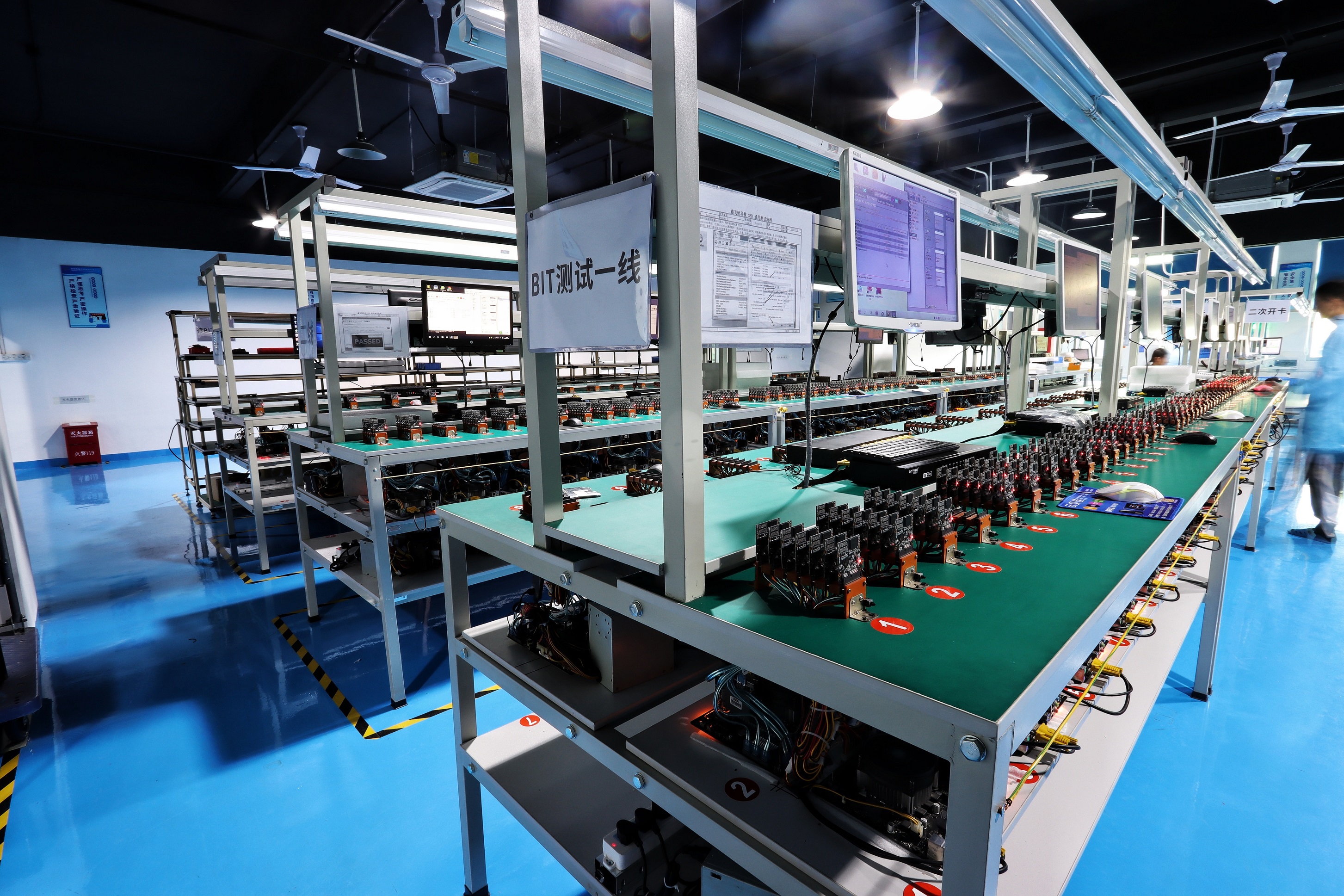
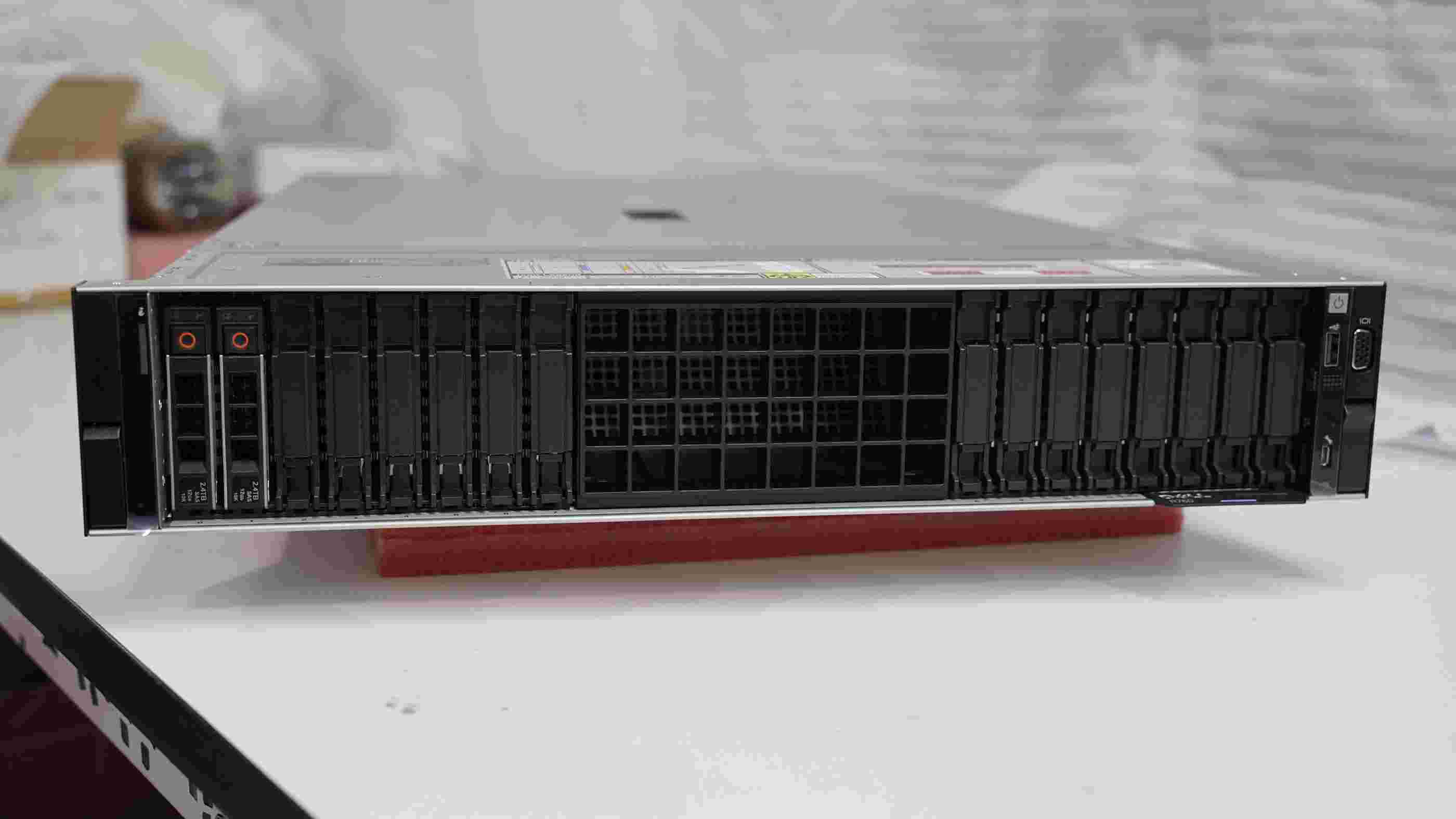

By operating directly from our manufacturing facility, we manage the entire supply chain. From bare-metal component sourcing to custom BIOS and firmware installations, we bypass intermediary distributors. This model ensures consistent component quality and allows us to pass cost savings directly to Romanian enterprise buyers.
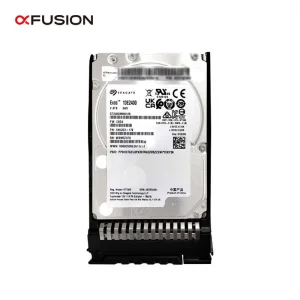
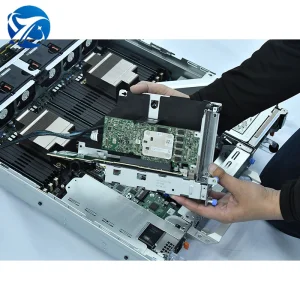
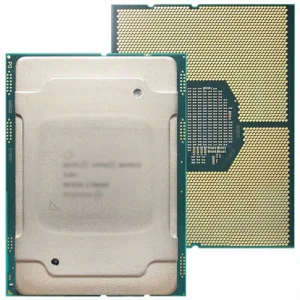
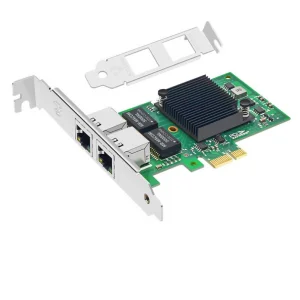
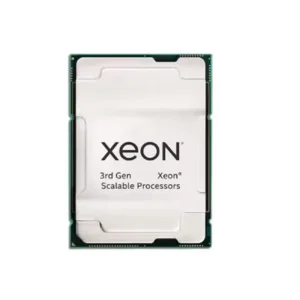
Ensure continuous uptime with high-performance network controllers, processors, and modular storage components.
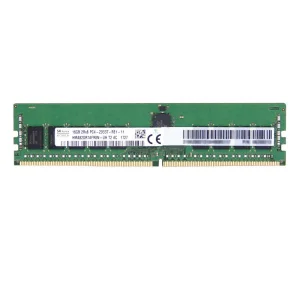
Rather than providing one-size-fits-all hardware, we customize platforms to match the computing profiles of specific industries within the Romanian market:
| Industry Sector | Target Application | Recommended Hardware Architecture | Local Compliance & Operational Needs |
|---|---|---|---|
| Automotive & Manufacturing (Timișoara, Pitești) | Computer vision quality checking, predictive maintenance models | G5500 V7 Multi-GPU Server Systems | Vibration resistance, dust filtration, local operational safety standards |
| Fintech & Banking Services (Bucharest financial center) | High-frequency transactions, credit evaluation scoring models | FusionServer 2288H V7 with dual-socket processors and high-capacity RAM | Low hardware-level latency, robust local data encryption (GDPR compliant) |
| E-commerce & Logistics Platforms (Bucharest, Constanța Port) | Inventory tracking systems, database caching, dynamic order dispatching | FusionServer 2288H V6 / NVMe SSD arrays | High random I/O read/write capacity, continuous database operations |
| AI Startups & Software Houses (Cluj-Napoca, Iași) | Deep Learning training, DeepSeek R1 671B model execution, containerized apps | FusionServer G8600 V7 8U GPU System | High thermal efficiency (liquid-to-air cooling), flexible resource scaling |
A software engineering firm based in Cluj-Napoca required hardware to run local language models and high-density container nodes. Deploying proprietary models to public hyper-scalers created long-term operational costs and potential data compliance risks. By implementing a dedicated Vornaxis high-density GPU server, the firm achieved local data isolation. The direct-access design of the PCIe slots permitted custom accelerators, cutting latency compared to shared cloud resources. Additionally, our hardware compatibility with open management utilities allowed it to integrate into their existing server racks alongside legacy HPE units.
B2B procurement teams evaluating server upgrades must balance cost, customization options, and lifetime support. Below is a comparison detailing how direct ODM platforms compare to traditional tier-1 vendors:
| Feature / Metric | Traditional Tier-1 (e.g., HPE ProLiant) | Vornaxis Custom OEM/ODM Server Platforms |
|---|---|---|
| Firmware & OS Compatibility | Proprietary firmware licenses, strict hardware component whitelist constraints | Open IPMI/BMC standards, broad Linux, Windows Server, and Proxmox VE support |
| Component Sourcing Flexibility | Requires vendor-branded memory/SSDs to prevent system warnings | Supports major component manufacturers (Samsung, Micron, Intel, Broadcom) |
| Lead Time for Custom Racks | Typically 10 to 18 weeks depending on configuration complexity | Configured and shipped in 3 to 6 weeks directly from our production line |
| Cooling System Adaptation | Fixed air-cooled configurations with proprietary fans | Supports liquid-to-air cooling options for high-density environments |
| Total Cost of Ownership (TCO) | Higher initial capital expenditure with recurring maintenance contracts | Up to 30–45% lower initial cost with transparent hardware component pricing |
By using industry-standard baseboards and open management interfaces, Vornaxis servers fit into existing infrastructures. System administrators can manage these platforms using standard IPMI 2.0 or Redfish APIs without paying extra license fees.
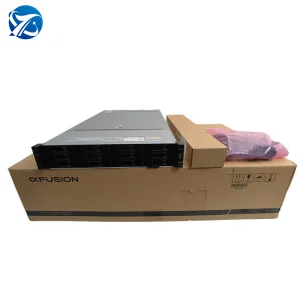
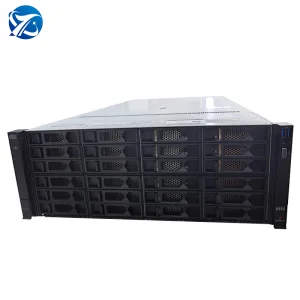
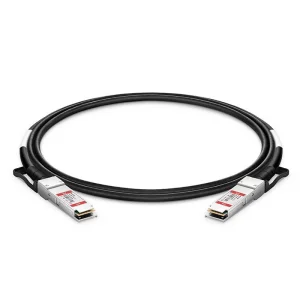
Scalable server systems, high-density GPU accelerators, and expansion boards for data storage and processing operations.
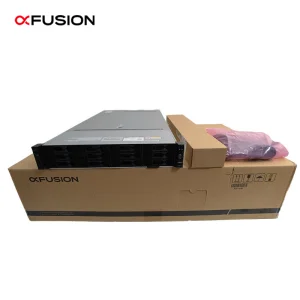
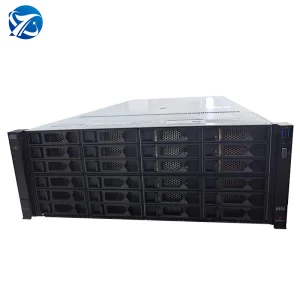

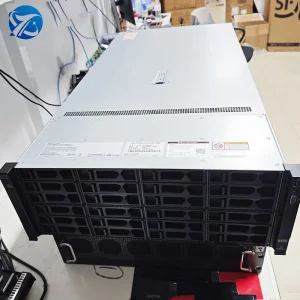
Answers to technical and logistics questions for IT directors and procurement managers in Romania.
A: Vornaxis servers are built using comparable hardware components, including Intel Xeon scalable processors, Samsung NVMe SSDs, and LSI RAID controllers. This results in processing power, IOPS, and memory throughput equivalent to traditional legacy configurations. We use open-standard architecture to offer similar computational performance without vendor lock-ins or proprietary firmware licensing fees.
A: Yes, all server configurations exported to Romania and the broader European Union comply with RoHS and CE standards. Our facilities operate under ISO 9001 certification. Every server undergoes automated optical inspection (AOI) and burn-in testing under full load to ensure compliance with European operational standards.
A: We offer customization across the entire system assembly. This includes choosing CPU and RAM specifications, selecting PCIe and storage card setups, and implementing custom firmware, BIOS profiles, and asset tags. For high-density computing needs, we can configure liquid-cooling setups to integrate into existing data center racks.
A: Vornaxis servers use standard IPMI 2.0, SNMP, and Redfish APIs, allowing them to integrate into multi-vendor data centers alongside HPE, Dell, or Lenovo systems. This enables administrators to monitor system health and power usage through standard virtualization dashboards like VMware ESXi, Proxmox VE, or Proactive Management software.
A: We provide complete commercial documentation, including certificates of origin, HS code classifications (typically 84713000), and packing lists. We ship via air or sea freight to Romanian entry points, such as Bucharest Henri Coandă Airport or the Port of Constanța. Local custom clearances can be managed by your agent or through our European logistics partners.
Get in touch with our system engineers today to request technical drawings, discuss custom specifications, or receive a project quote tailored to your local data requirements.
Contact Our Technical Team Now