Vornaxis
Vornaxis
Vornaxis
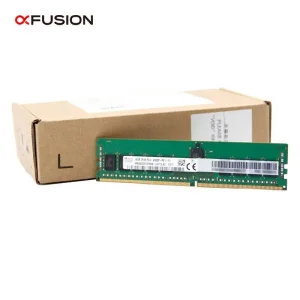
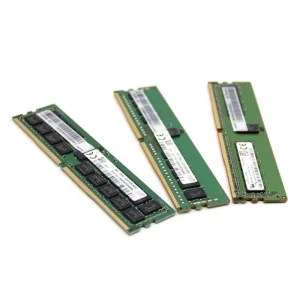
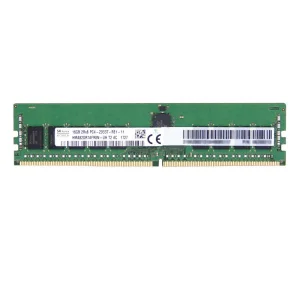
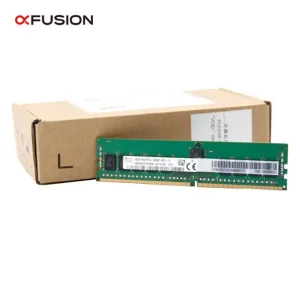
High-performance DDR4 and DDR5 ECC RDIMM modules engineered for mission-critical enterprise workloads across India's premier tech hubs.
The digital economy of India is experiencing an unprecedented structural transformation. Driven by the "Digital India" initiative, extensive 5G network deployments, a vibrant start-up ecosystem, and the rapid adoption of cloud-first strategies, India has surfaced as one of the fastest-growing datacenter hubs globally. Key technology clusters across major cities like Mumbai, Chennai, Bengaluru, Pune, Noida, and Hyderabad are witnessing massive multi-megawatt IT load expansions. As international hyperscalers and domestic enterprise colocation providers scale their facilities, the underlying hardware infrastructure faces strict performance, scalability, and uptime mandates.
In this high-density computing environment, server memory (RAM) serves as a primary pillar for processing massive database streams, running virtualization containers, and executing sophisticated machine learning models. Our comprehensive manufacturing and export network is specifically optimized to align with these domestic demands, offering immediate, compliant, and enterprise-grade DDR4 and DDR5 memory modules designed to operate seamlessly under continuous load conditions.
Modern Indian enterprises are aggressively adopting hybrid cloud systems to balance strict compliance and agility. Whether executing micro-transactions in high-frequency trading applications in Mumbai's financial institutions or processing remote diagnostic imaging data in rural health centers, high-capacity server memory is critical to mitigating processing latencies. Vornaxis Compute Ltd. supplies memory modules equipped with advanced Reliability, Availability, and Serviceability (RAS) features. By integrating these systems, Indian network administrators can substantially reduce server downtime, maximize throughput, and optimize hardware investments.
Providing custom high-capacity DDR5 RDIMMs to support multi-tenant virtualization platforms in major Indian colocation facilities.
Enabling deep learning environments using GPU-accelerated computing architectures requiring high-bandwidth and low-latency system RAM.
Deploying Error-Correcting Code (ECC) modules to eliminate single-bit errors in high-frequency financial processing environments.
As server motherboard designs transition from legacy architectures to next-generation processors like the AMD EPYC™ series and Intel® Xeon® Scalable processors, the performance demands on system memory have changed dramatically. DDR5 memory represents a significant leap forward in speed, bandwidth efficiency, and power management compared to the industry-standard DDR4.
Bandwidth and Data Rates: While DDR4 memory generally operates at frequencies ranging from 2133MHz to 3200MHz, next-generation DDR5 RDIMM modules start at 4800MHz and scale up to 6400MHz and beyond. This higher data rate meets the needs of modern CPU designs featuring high core counts per socket, ensuring that processors are not bottlenecked by memory transfer speeds.
Power Management Migration (PMIC): One of the most significant changes in the DDR5 architecture is the migration of power management from the server motherboard directly to the memory module itself via a Power Management Integrated Circuit (PMIC). The PMIC allows for finer power control, improves voltage regulation, reduces noise, and lowers the operational voltage from DDR4's 1.2V down to DDR5's 1.1V. This reduction in power requirements becomes critical when operating thousands of servers in large-scale facilities in India, leading to lower Power Usage Effectiveness (PUE) ratings.
Dual-Channel Sub-channel Architecture: Unlike DDR4, which accesses memory modules via a single 72-bit bus, DDR5 splits each DIMM into two independent 32-bit sub-channels (plus 8 bits of ECC for each). This sub-channel architecture improves command access efficiency, shortens bus lengths, and lowers latency, resulting in better overall system responsiveness for multi-threaded cloud deployments.
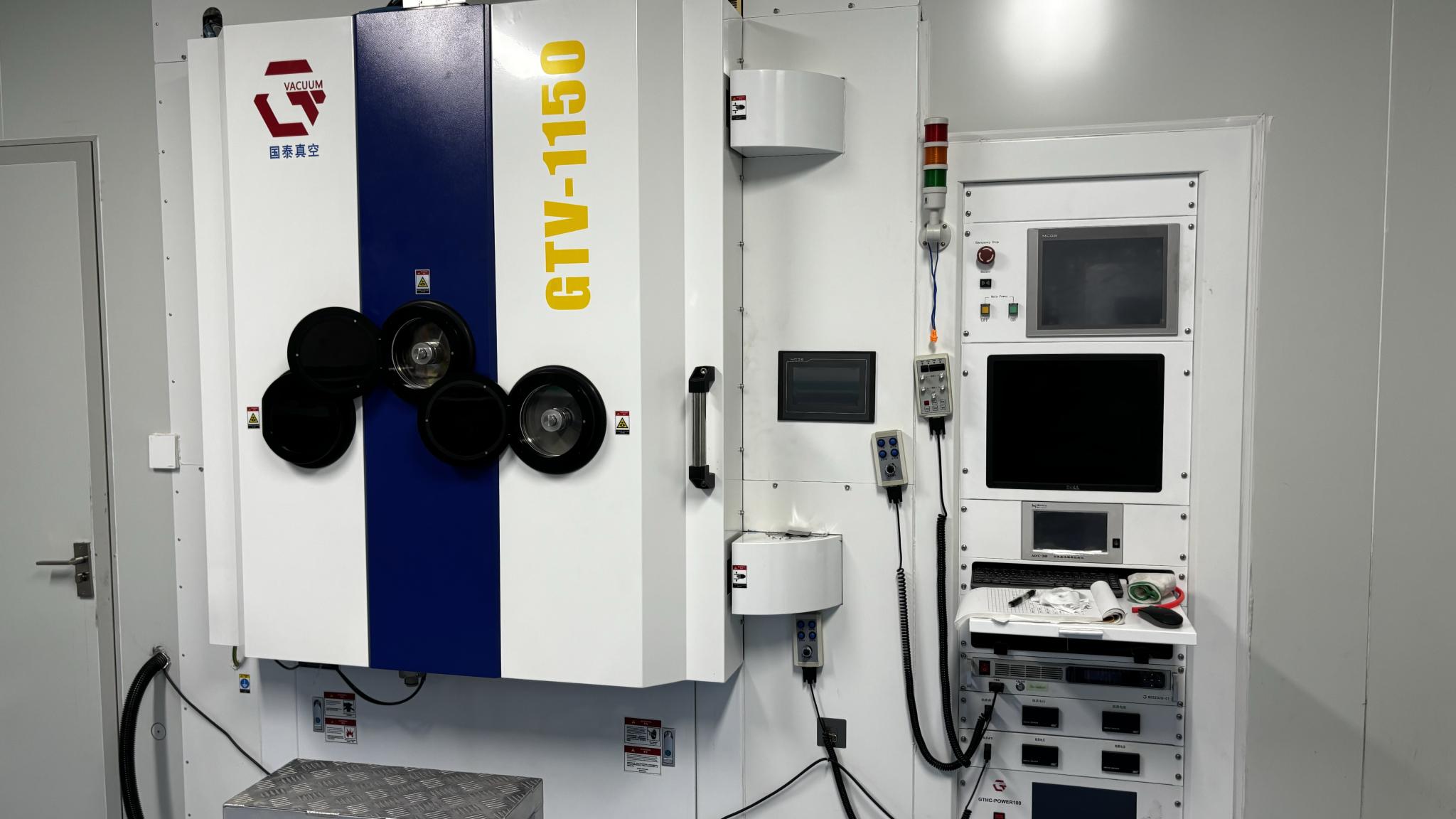
Headquartered in China's advanced electronics manufacturing ecosystem, Vornaxis Compute Ltd. operates an optimized supply chain that delivers cost-efficiency, strict quality control, and consistent components. We design and assemble server memory modules using high-grade original DRAM chips sourced from top semiconductor foundries, including Samsung, SK Hynix, and Micron.
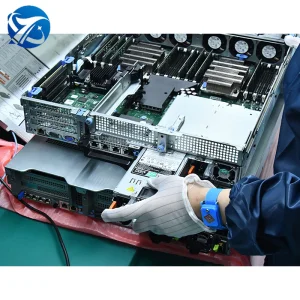
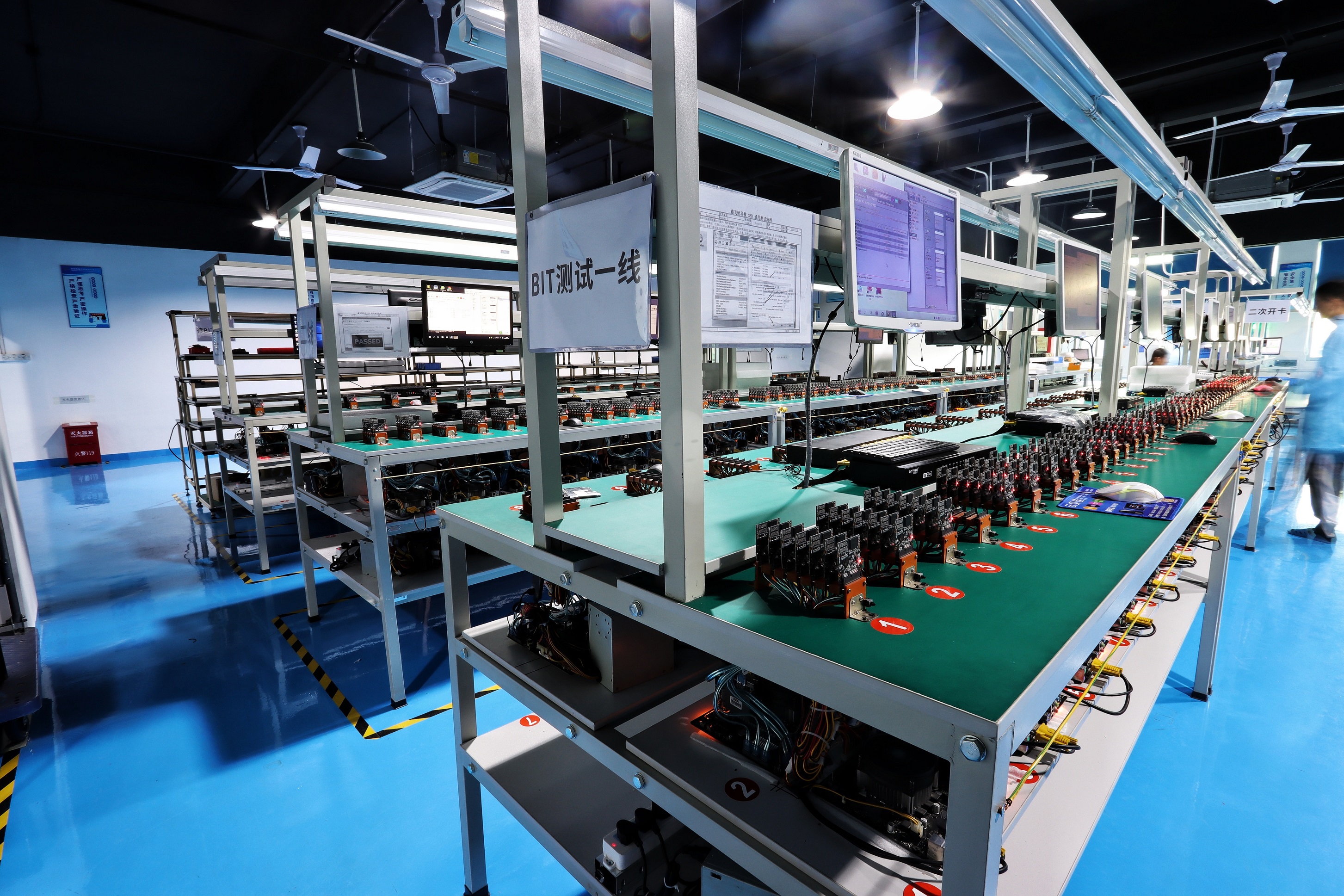
Our manufacturing facility utilizes Automated Optical Inspection (AOI) technology, along with functional, thermal, and stress testing systems. Every batch of server RAM exported to India undergoes a thorough validation process to guarantee compatibility, high Mean Time Between Failures (MTBF), and consistent performance under hot, high-humidity datacenter conditions. This reliable manufacturing framework has enabled us to partner with more than 850 global supply chain organizations, exporting over USD 18.6 million in server hardware annually.
Operating under ISO 9001 and RoHS compliance standards to deliver reliable server products.
Request Technical Factory Audit ProfileImporting enterprise-grade hardware into India requires navigating local regulations, quality standards, and customs clearance procedures. Vornaxis Compute Ltd. streamlines these processes for system integrators and datacenter operators across the region.
BIS Registration and Safety Standards: The Bureau of Indian Standards (BIS) regulates electronics imports under the Compulsory Registration Scheme (CRS). Our server RAM modules and high-performance server barebones are designed to align with BIS certification guidelines, helping to prevent custom delays and compliance issues. Additionally, our products carry global certifications, including CE, FCC, and RoHS, confirming they meet strict environmental and hazard-free manufacturing requirements.
Customs & Trade Corridors: Over our 6 years of direct hardware export experience, we have developed logistics pipelines to major entry ports like Nhava Sheva (Mumbai), Chennai Port, and Kempegowda International Airport (Bengaluru). By preparing precise commercial invoices, packing lists, Bills of Lading, and certificate of origin documentation, we help accelerate clearance processes, reducing lead times for times when quick capacity scaling is required.
Localized Integration Partners: To complement our manufacturing base in China, we work with technical support networks, local system integrators, and distributors across Delhi-NCR, Mumbai, and Bengaluru. This helps ensure that domestic customers receive timely replacement support, custom firmware configurations, and post-sales technical assistance without geographical barriers.
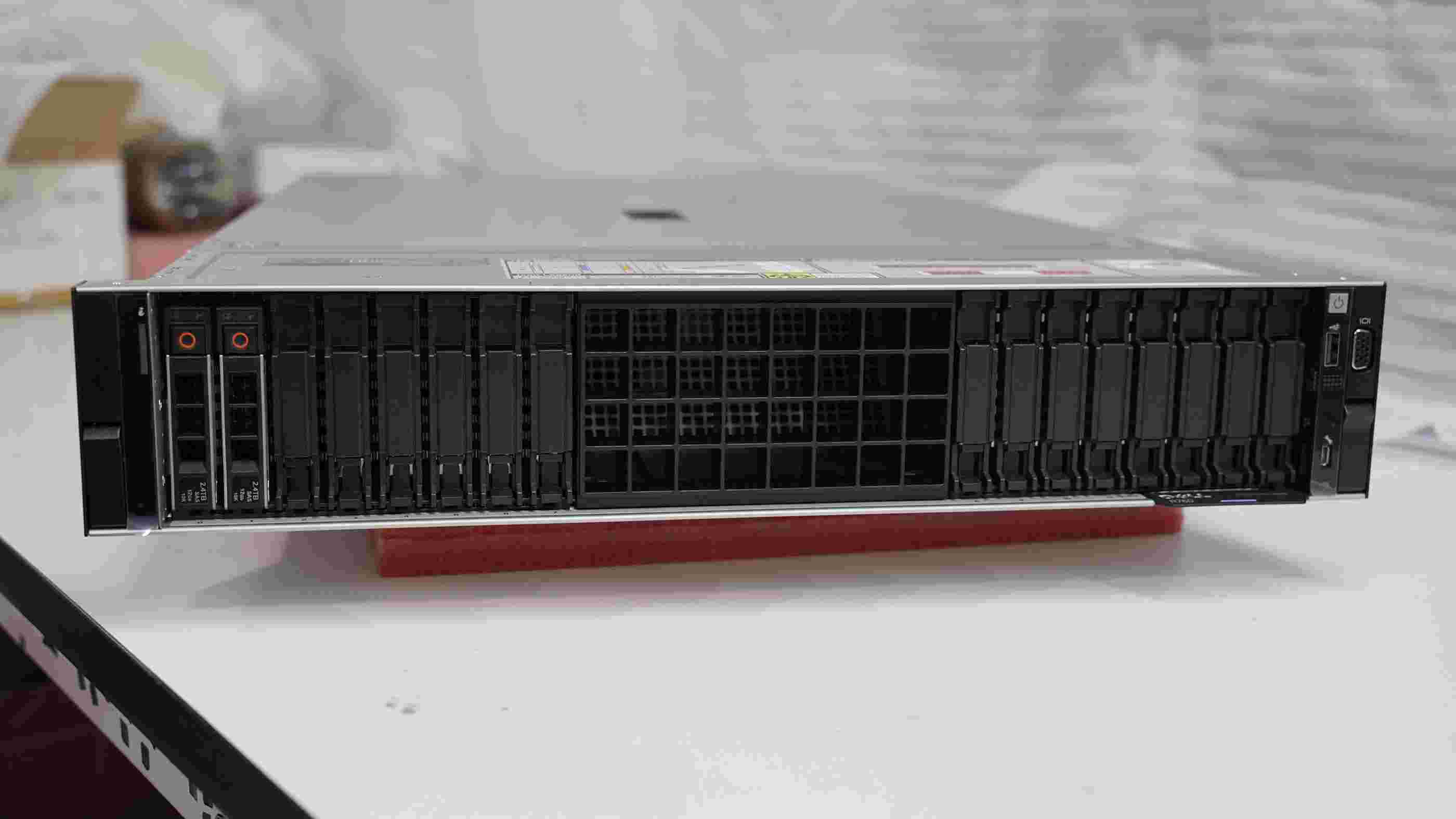

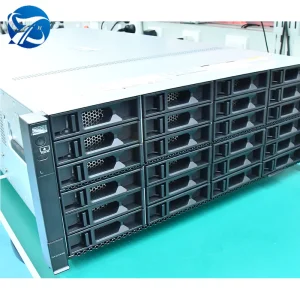
Explore our line of server systems, high-capacity storage arrays, and GPU computing platforms optimized for Indian enterprises.
Detailed technical and commercial answers regarding server memory sourcing, compliance, and deployment in India.
For standard memory configurations (DDR4/DDR5 ECC RDIMMs), our lead time is 7 to 10 business days for manufacturing and verification. Air freight delivery to key airports in India (e.g., Bengaluru, Mumbai, Delhi) generally takes an additional 3 to 5 days, while ocean shipping to Nhava Sheva or Chennai Port requires approximately 18 to 22 days.
We work closely with local compliance partners and test labs to ensure our server systems and relevant memory sub-assemblies conform to the mandatory BIS registration guidelines under the Indian Compulsory Registration Scheme (CRS). We provide the necessary documentation to assist with customs clearances.
Yes, our R&D engineering team of 160 specialists can customize the Serial Presence Detect (SPD) EEPROM settings on our DDR4 and DDR5 memory modules. This ensures complete compatibility, proper clock rates, and error-free operation with major server platforms including Dell PowerEdge, HPE ProLiant, Lenovo ThinkSystem, and xFusion FusionServer systems.
Our quality control protocols include full-system burn-in validation under load, Automated Optical Inspection (AOI) for soldering precision, high-frequency signal integrity tests, and environmental chamber testing. These processes help ensure our products meet low Failure Rate (DPPM) standards before packaging and export.
ECC memory identifies and corrects single-bit memory errors in real-time, preventing system crashes and data corruption. For high-volume application environments in India—such as FinTech transaction processors, e-commerce engines, and government databases—ECC RDIMMs are essential for maintaining uptime and data accuracy.
Yes. As an OEM/ODM manufacturing vendor, we provide customized branding solutions. This includes custom PCB silk-screening, custom label configurations, custom retail/bulk packaging, and customized firmware settings, allowing Indian hardware brands to offer qualified memory options under their own labels.
By shifting voltage regulation from the motherboard to the DIMM, the DDR5 PMIC improves power conversion efficiency but concentrates heat on the memory stick. In Indian climates, proper server cooling configurations are recommended to manage this localized heat, ensuring consistent operation and avoiding thermal throttling.
Our server memory modules are supported by a multi-year enterprise warranty. We maintain inventory reserves of critical components (DRAM ICs, registers, PMICs) to support extended lifecycles, ensuring Indian clients can source matching memory modules long after initial server deployment.
Whether you are planning immediate server memory upgrades in Mumbai, setting up new datacenter capacity in Chennai, or designing custom AI barebones in Bengaluru, Vornaxis is ready to support your requirements.
Send Inquiry Now