Vornaxis
Vornaxis
Vornaxis
Standard-setting enterprise memory modules configured with high reliability and high-speed operation, engineered for Russia's growing cloud and high-performance computing clusters.
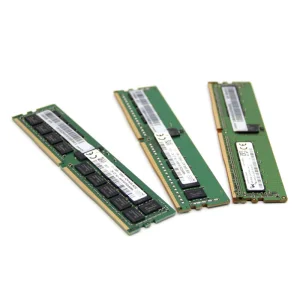
The Russian enterprise hardware market is undergoing a structural transition. With the demand for digital sovereignty, cloud migration, and localized services soaring, colocation facilities and massive hyperscale deployments in cities like Moscow, St. Petersburg, and Novosibirsk are operating at near-maximum capacities. Enterprise operators, including Yandex Cloud, VK Cloud, and Rostelecom, are expanding their hardware architectures to accommodate next-generation applications, high-performance database arrays, and local AI model inference workloads.
In this dynamic economic environment, procuring highly reliable, enterprise-grade hardware represents a major strategic focus. System integrators and corporate clients are prioritizing top-tier components that ensure long-term stability and continuous operational uptime. Server RAM, as the primary pipeline for active system instructions, requires high-grade resilience. The shift toward alternative suppliers who can deliver validated compatibility with mainstream platforms like xFusion and Dell PowerEdge is a key trend in the Russian IT ecosystem.
Furthermore, local environments demand memory that complies with local system architectures. Many datacenters utilize customized virtualization systems built on Astra Linux, ROSA Virtualization, or RED OS. Ensuring that RAM modules support advanced ECC (Error-Correcting Code) algorithms, register features (RDIMM), and dual-rank structures directly impacts system stability, preventing memory leaks, system lockups, and silent data corruption under heavy database loads.
As a leading hardware manufacturer and supplier, Vornaxis Compute Ltd. addresses these specific local market dynamics by providing high-quality, pre-validated server memory configurations. Our products are fully optimized to meet the technical and physical requirements of the modern Russian computing infrastructure, bridging the gap between global supply chain capabilities and local deployment realities.
Understanding the engineering behind our DDR4 RDIMM products designed for high-density computational nodes.
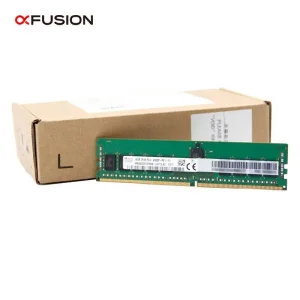
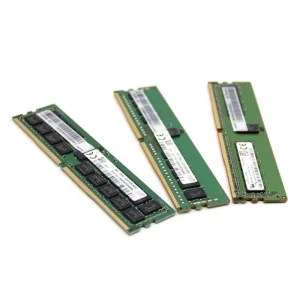
Enterprise platforms require Error-Correcting Code (ECC) to identify and rectify single-bit errors dynamically. By introducing an address register between the memory controller and the DRAM chips, our Registered DIMMs (RDIMMs) reduce electrical load on the system bus. This allows Russian enterprise systems to scale memory density up to 64GB per slot without sacrificing signal integrity.
Operating at 3200MHz with a cycle latency of 0.625ns, our DDR4 modules deliver high bandwidth for read/write processes. Operating at a standard 1.2V, these memory modules minimize power consumption and thermal outputs. This represents an essential parameter for high-density 1U and 2U rack server chassis in modern datacenters.
Our 2 Rank memory organization balances capacity and throughput. Multi-rank configurations leverage memory bank interleaving to increase general system responsiveness, allowing operations to execute in parallel across independent ranks. This is ideal for virtualization platforms hosting hundreds of isolated guest OS kernels.
The manufacturing process at our facilities incorporates premium, original DRAM ICs. By sourcing silicon wafers from industry-leading Tier-1 fabrication partners, we build server memory modules that meet and exceed standard JEDEC requirements. The inclusion of high-quality components ensures that our RAM retains physical structure and electric stability even when exposed to continuous high-temperature states in servers operating under maximum utilization rates.
Dedicated to high-performance AI, GPU, and traditional enterprise computing hardware production for international markets.
Established in 2016, Vornaxis Compute Ltd. has grown to become a recognized professional manufacturer specializing in high-performance hardware, GPU clusters, and enterprise server RAM configurations. We support complex data center deployments globally, optimizing infrastructure for high availability and specialized computational tasks.
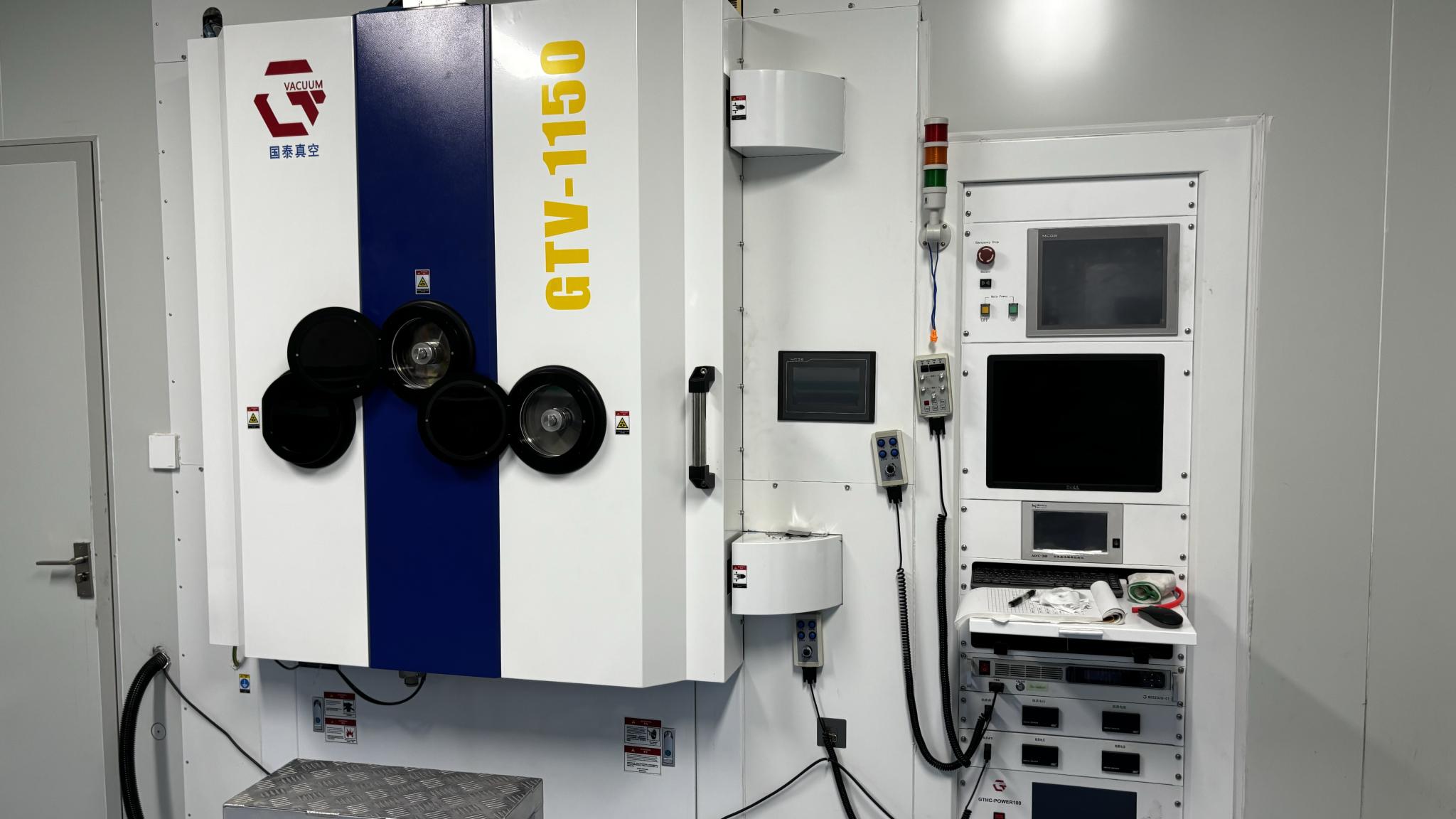
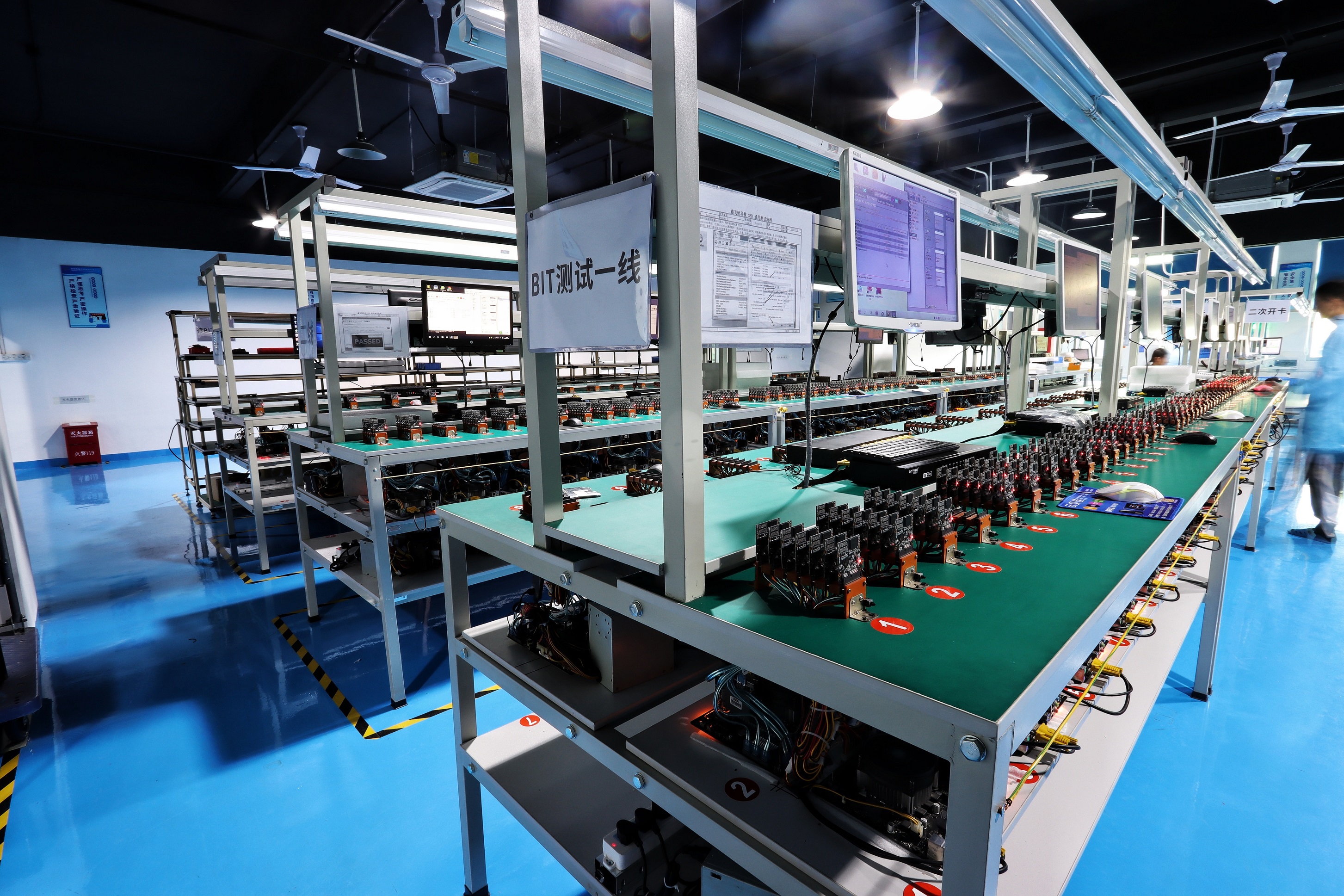
Our operations span advanced design facilities, high-speed SMT assembly lines, and rigorous product diagnostics labs. Operating with ISO 9001 and RoHS standards compliance, our manufacturing processes guarantee that every component leaving our floor functions under precise electrical tolerances, matching the requirements of advanced rack servers.
Quality control is integrated into every phase of production. We employ Automated Optical Inspection (AOI) to test mechanical alignments, along with detailed system-level burn-in and thermal cycle validation in controlled environments. This allows us to guarantee that our memory modules resist degradation caused by environmental fluctuations.
With a dynamic R&D division of 160 engineers, we rapidly prototype, customize, and deliver tailormade hardware configurations. This agility enables us to provide solutions for unique system architectures, ensuring seamless firmware and hardware compatibility across multiple generations of server platforms.
Operating a technology supply network requires navigating modern compliance structures. Vornaxis Compute Ltd. supports local business partnerships by providing the necessary technical documentation and conforming to standard safety metrics. Our product lines undergo testing to align with EAC (Eurasian Conformity) regulations, clearing customs pathways and supporting integration into critical public or private networks.
Our supply chain model handles parts sourcing, validation, packaging, and distribution, mitigating transport risks. By securing components through structured channels, we insulate our customers from sudden price shifts or stock deficits, maintaining lead times for critical datacenter maintenance.
We work in tandem with regional forwarders and customs brokers to coordinate shipments to key delivery hubs in the Russian Federation. Recognizing the importance of shipping times for computing platforms, we prepare documentation packages, including certificate verification, custom code declarations, and proof of source, ensuring rapid clearance.
Whether routing directly to enterprise colocation points or managing deliveries through local integration offices in major trade centers, our logistical footprint supports both volume orders and scheduled maintenance deliveries. This ensures domestic hardware networks continue running without disruption.
The datacenter market is currently transitioning from standard DDR4 architectures to next-generation DDR5 memory technology. While DDR4 remains the dominant standard for running systems across Russia, new platform designs based on the latest Xeon and EPYC architectures require DDR5's structural upgrades. Operating at 4800 MT/s, 5600 MT/s, and higher, DDR5 doubles system bandwidth, introducing higher efficiency to data-heavy systems.
Additionally, DDR5 moves power management from the server motherboard to the memory module itself via integrated Power Management ICs (PMICs). This shift provides finer control over voltage levels, which reduces thermal output. Built-in, on-die ECC functionality further enhances reliability, mitigating errors inside the DRAM silicon before data travels to the CPU controller. Vornaxis Compute Ltd. remains at the forefront of this shift, prototyping next-gen modules optimized for these advanced interfaces.
Simultaneously, the deployment of large language models, artificial intelligence networks (such as Deepseek setups), and modern database infrastructure requires high-density memory pools. Multi-socket server designs must combine dense system memory with high-performance GPU processing capabilities. We optimize our DDR5 modules to maintain signal integrity in configurations where high thermal outputs from adjacent accelerator chips present operational challenges.
Our technical development roadmap ensures that as Russian companies scale up their server infrastructure, they have access to compatible, high-speed memory modules. Whether maintaining legacy platforms with DDR4 or rolling out next-gen hardware clusters, Vornaxis remains a reliable manufacturing partner.
Deploy high-availability hardware optimized for heavy enterprise workloads, AI compute clusters, and virtualization nodes in the Russian market.

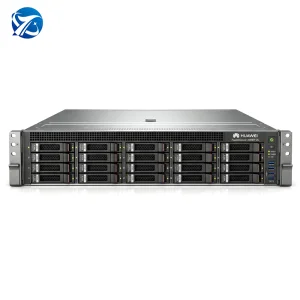
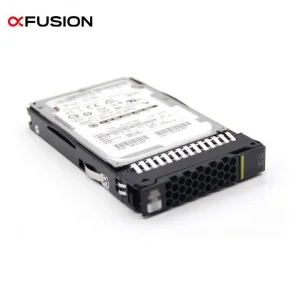
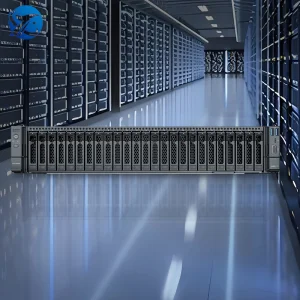

Technical answers regarding compatibility, compliance, and international logistics for the Russian market.
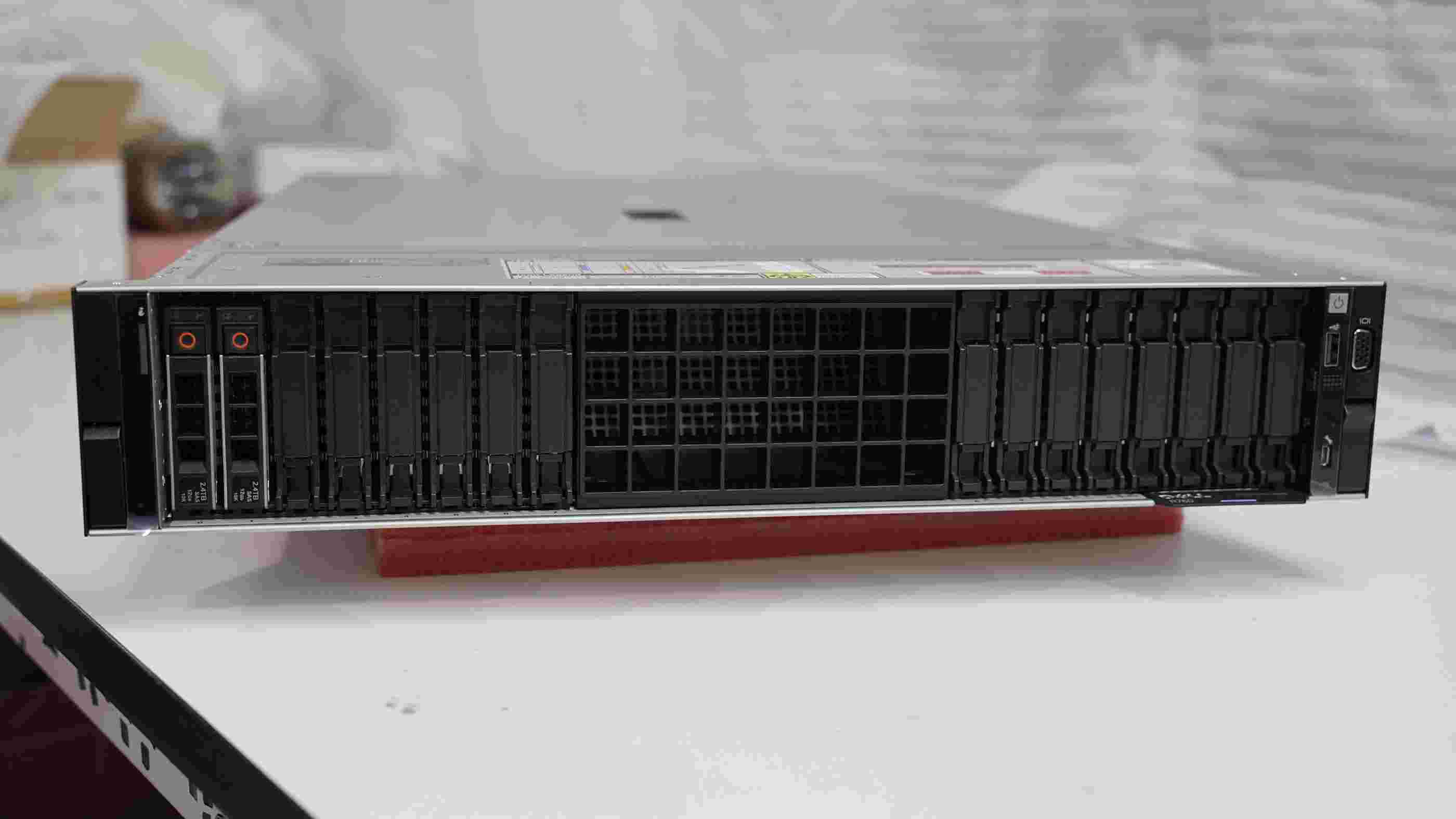
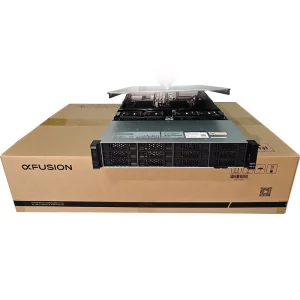
Every batch of our memory modules undergoes testing on physical motherboard platforms, including the xFusion FusionServer series and Dell PowerEdge architectures. We test and code the Serial Presence Detect (SPD) EEPROM registers to match the system configuration requirements of Intel Xeon Scalable and AMD EPYC platforms, preventing POST errors and ensuring correct clock speed and latency timing settings.
We utilize Automated Optical Inspection (AOI) to verify structural and layout integrity, followed by functional system diagnostics under heavy workloads. Additionally, our modules undergo temperature testing inside thermal chambers under simulated, high-density server configurations. These processes are managed by our team of 45 quality control professionals, ensuring high system stability.
Yes. We work in coordination with international cargo forwarders to manage shipping routes into the Russian Federation. We prepare the necessary import documents, packing lists, and origin verifications to simplify customs clearance processes for deliveries destined for Moscow, St. Petersburg, Novosibirsk, and other primary industrial hubs.
Dual-Rank (2 Rank) configurations feature two distinct memory banks controlled by the same chip-select signal line. This setup allows the system memory controller to execute back-to-back operations in parallel across different ranks. For hypervisors hosting multiple virtual machines, this architecture maximizes throughput and reduces memory access latency compared to single-rank modules.
Yes, our design, assembly, and testing facilities are fully certified under ISO 9001 quality management guidelines. Furthermore, all produced RAM boards and passive elements are RoHS compliant, verifying the elimination of hazardous substances and meeting the safety standards required for deployment in modern green datacenters.
Our ECC modules compute real-time parity bits for every data block transferred. On systems running Astra Linux, RED OS, or other Linux distributions, single-bit errors are corrected automatically by the hardware without system interruption. The OS kernel logs these events via the EDAC (Error Detection and Correction) driver, enabling technicians to monitor system health while maintaining continuous runtime.
Yes. Backed by our R&D group of 160 engineers, we offer full design customization services. This includes modifying PCB layouts, developing low-profile form factors for blade systems, adjusting heat spreader dimensions, and writing custom SPD configurations to support specific motherboard and BIOS versions.
Partner with a verified manufacturer to access high-quality, pre-tested server memory modules and server infrastructure components.