Vornaxis
Vornaxis
Vornaxis
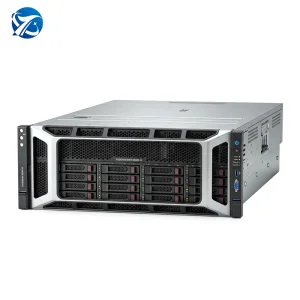
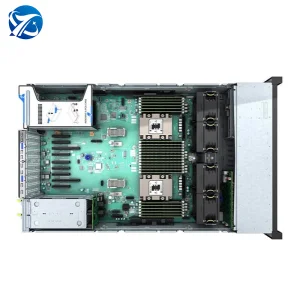
Premium 1U, 2U, and 4U high-performance nodes optimized for low-latency datacenter environments
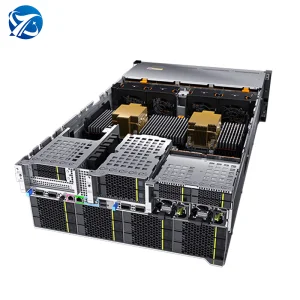
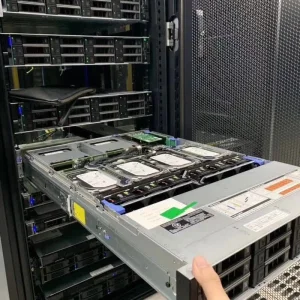
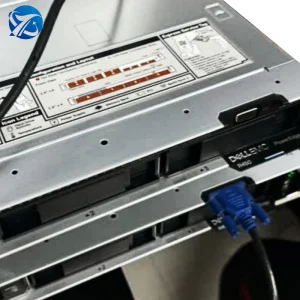
As Japan's premier economic and technological epicenter, Tokyo stands as a critical intersection for international cloud platforms, sovereign AI computation clusters, and high-frequency trading (HFT) architectures. Districts like Otemachi, Toyosu, and the greater Kanagawa and Chiba prefectures continue to witness unprecedented growth in hyperscale facility density. To meet the stringent Power Usage Effectiveness (PUE) regulations mandated by local metropolitan authorities and combat soaring electricity premiums, data center operators are systematically phasing out aging legacy installations in favor of optimized V6 server topologies.
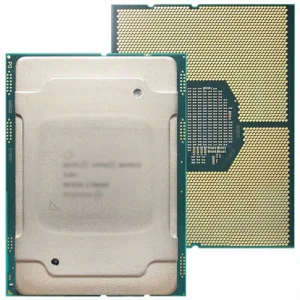
The adoption of the V6 rack server standard—leveraging Intel 3rd Gen Xeon Scalable processors (Ice Lake / Cooper Lake)—provides critical improvements in compute-density, PCIe Gen 4.0 data channels, and enhanced core counts. With high-intensity deployments like localized Large Language Model (LLM) training and IoT spatial data analysis driving modern workload parameters, Tokyo-based companies require server systems designed to operate stably in high-ambient-temperature environments while maximizing throughput per unit footprint.
The V6 server family represents a major paradigm shift in enterprise computing architecture compared to V5. Operating with upgraded system memory architectures (moving to 8-channel DDR4 3200MHz per socket) and PCIe Gen 4.0 interconnectivity, V6 hardware eliminates bottlenecks in storage throughput and inter-node networking interfaces.
For system administrators managing large server farms in Chiba or Kanagawa, transitioning to a V6 framework provides a massive performance-per-watt advantage, reducing active physical footprint requirements and simplifying cooling dynamics. The table below represents a structural analysis of these generational improvements:
| Feature / Dimension | Legacy V5 Platform | High-Density V6 Platform | Next-Gen V7 Platform |
|---|---|---|---|
| Processor Socket Support | Intel Xeon Scalable 2nd Gen (Cascade Lake) | Intel Xeon Scalable 3rd Gen (Ice Lake/Cooper Lake) | Intel Xeon Scalable 4th/5th Gen (Sapphire Rapids) |
| PCIe Generation | PCIe Gen 3.0 (8 GT/s per lane) | PCIe Gen 4.0 (16 GT/s per lane) | PCIe Gen 5.0 (32 GT/s per lane) |
| Memory Architecture | 6-Channel DDR4 (Up to 2933 MHz) | 8-Channel DDR4 (Up to 3200 MHz) | 8-Channel DDR5 (Up to 4800/5600 MHz) |
| Storage Density Limits | 12Gb/s SAS / SATA interfaces | Native U.2/U.3 NVMe storage channels | PCIe Gen5 NVMe / EDSFF E3.S form factors |
| AI Acceleration Native | AVX-512 Instruction Extensions | AVX-512 + DL Boost (INT8/FP16 performance) | Advanced Matrix Extensions (AMX) |
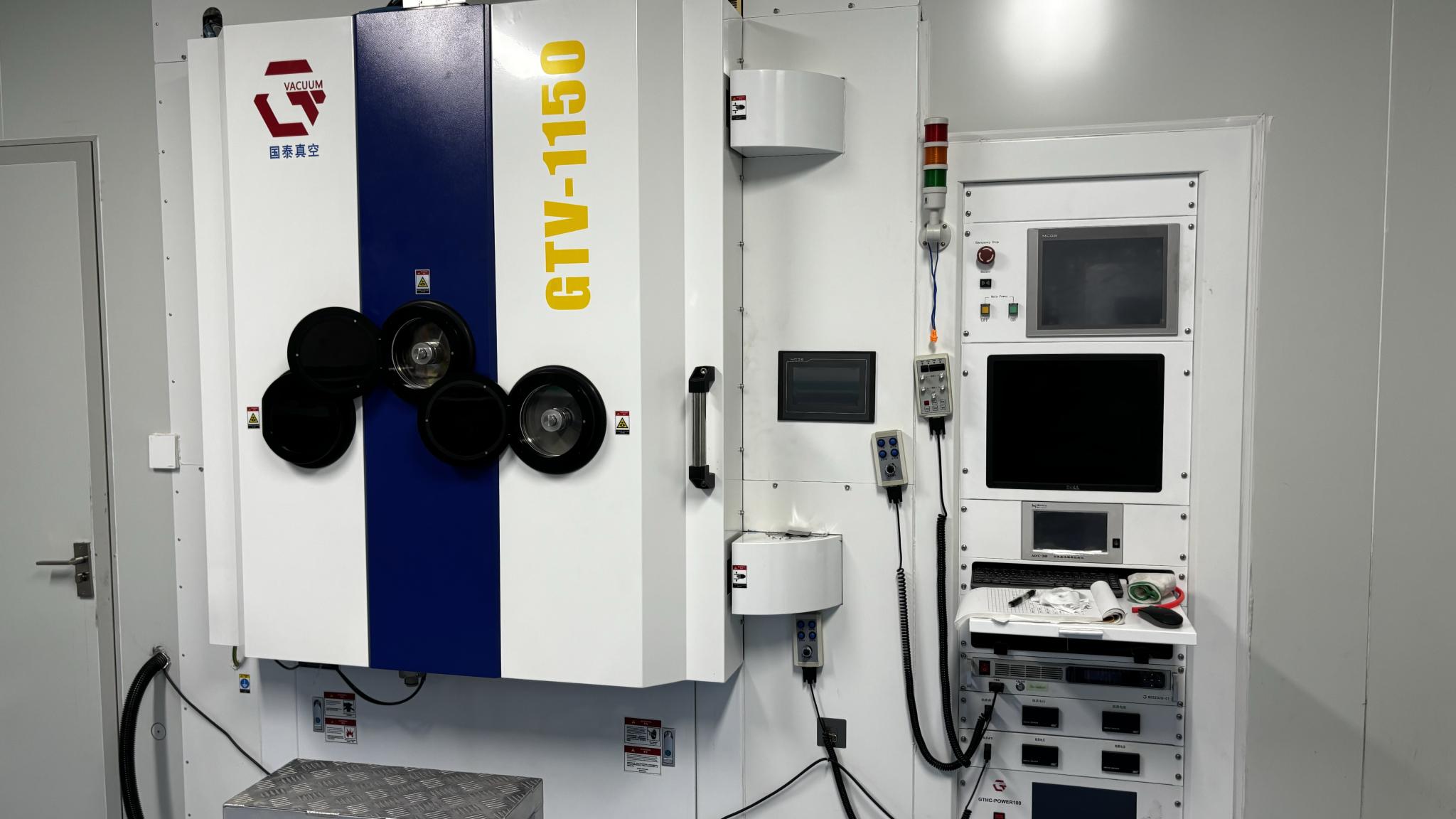
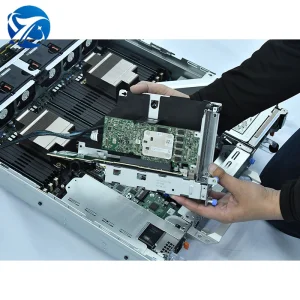
Vornaxis Compute Ltd. bridges the gap between China's dominant server component supply chain and Tokyo's demand for rapidly deployable enterprise compute nodes. Operating out of our advanced precision engineering facility, Vornaxis manages a streamlined, ISO 9001 certified manufacturing workflow. This configuration allows us to source raw PCB assemblies, high-capacity copper heat sinks, and server chipsets efficiently, while passing cost benefits directly to our Japanese clientele.
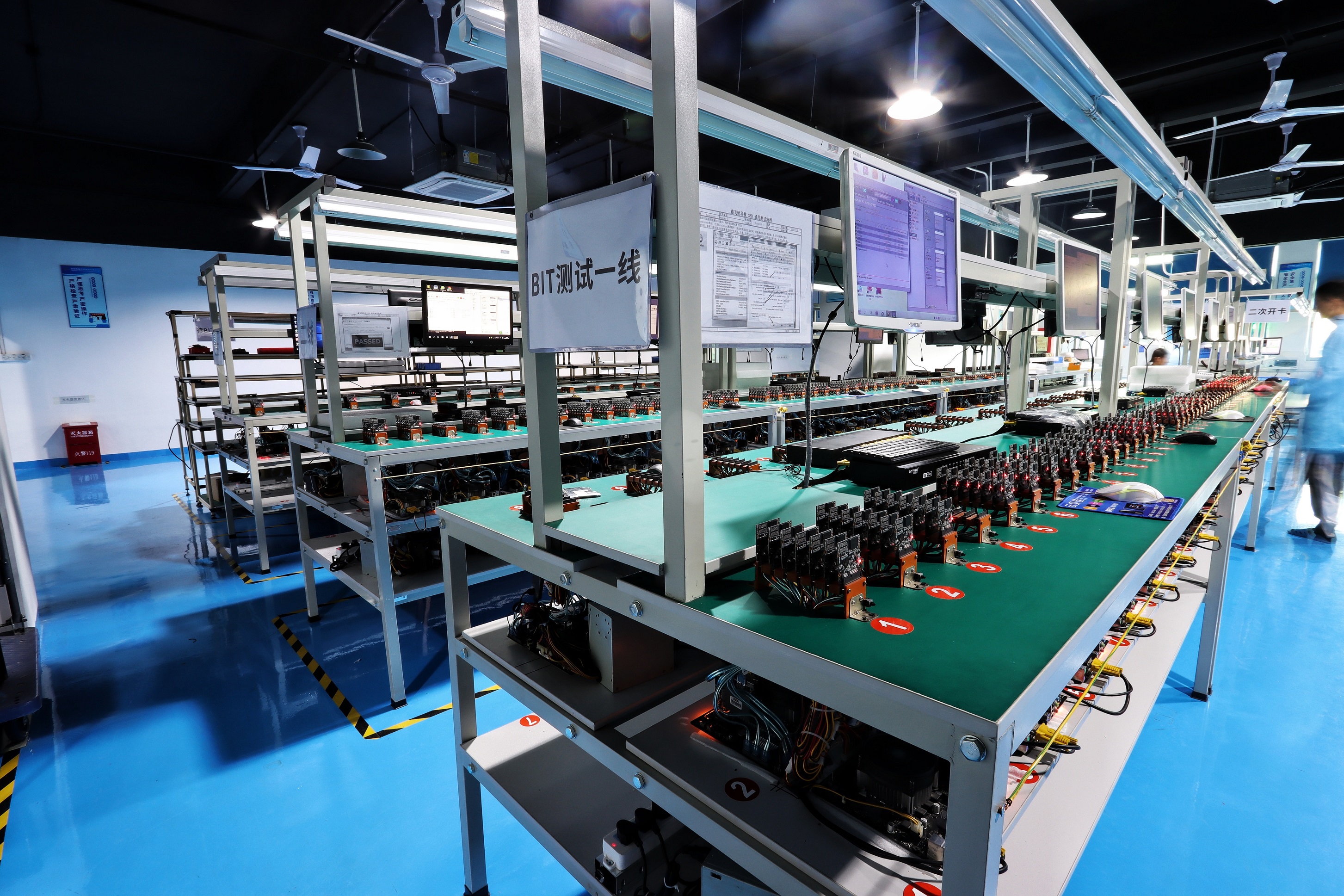
We offer optimized logistics pipelines straight from Chinese manufacturing centers directly into the Port of Tokyo and Haneda/Narita air freight terminals. For urgent data center retrofits, our customized transit paths guarantee rapid delivery of complex 2U and 4U configurations. Every server system undergoes a mandatory, multi-step burn-in validation and automated optical inspection (AOI) cycle prior to dispatch, ensuring immediate operability upon physical rack mounting.
In compliance with Japanese standards, our hardware solutions meet VCCI Class A electromagnetic compatibility guidelines and conform to METI regulations for high-efficiency enterprise power supplies. Whether you are executing a server replacement program or building a brand new GPU cloud cluster from scratch, Vornaxis represents an experienced partner with 12 years of core industry knowledge.
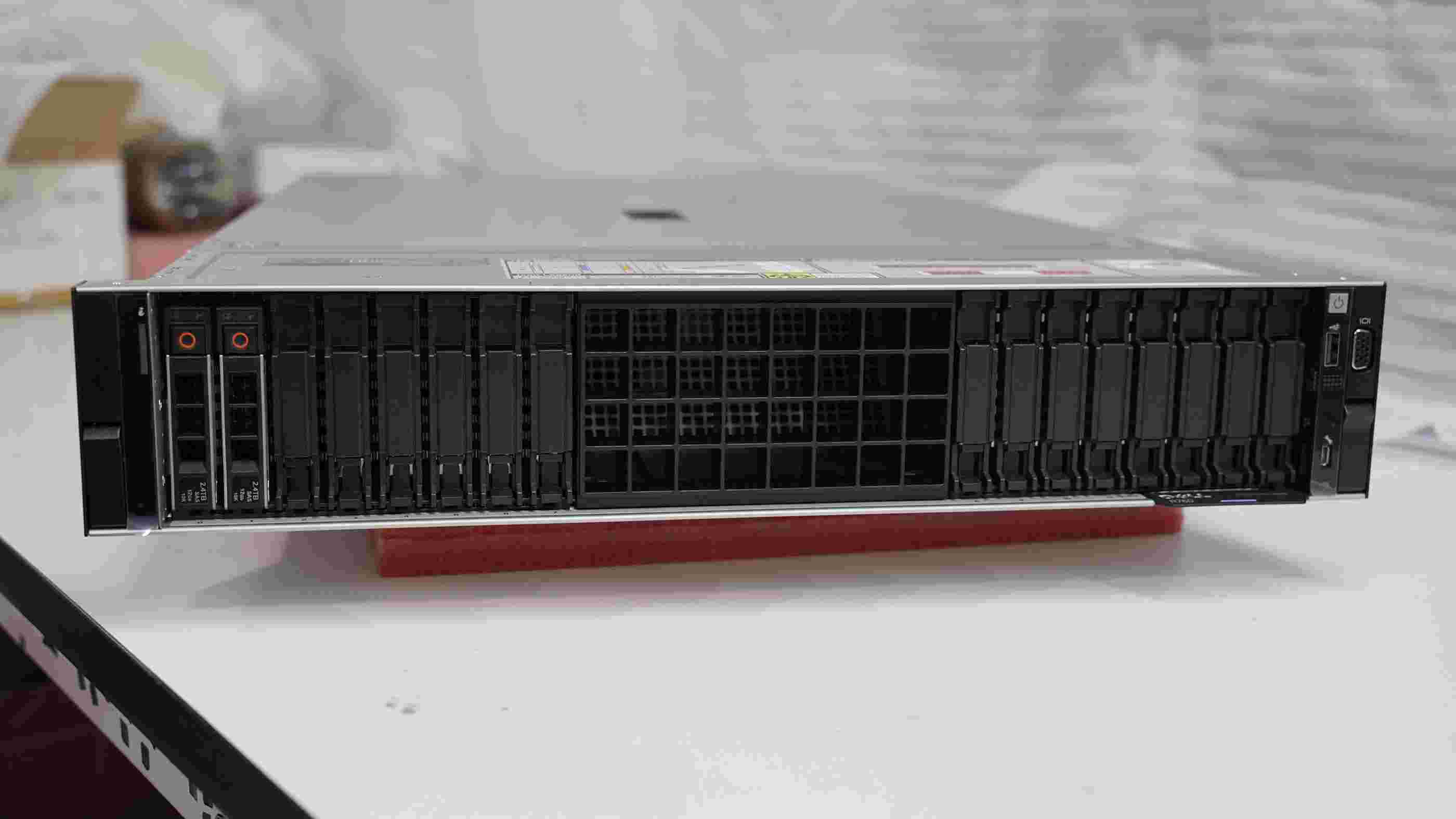

Comprehensive selection of xFusion platforms, Dell rack nodes, and genuine server upgrade options
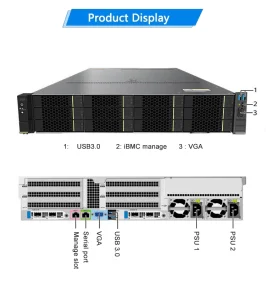
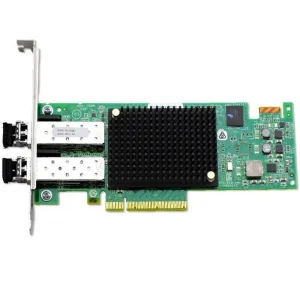
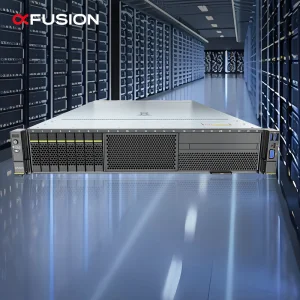
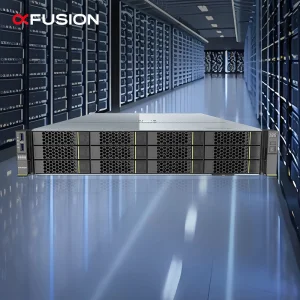
Expert insights covering deployment guidelines, regulatory compliance, and system configurations for local operators
Get in touch with our engineering team for customized rack server options, component availability, and direct wholesale pricing.
Send Inquiry Now