Vornaxis
Global Enterprise Demands & Industry Status of Hybrid Cloud Hardware
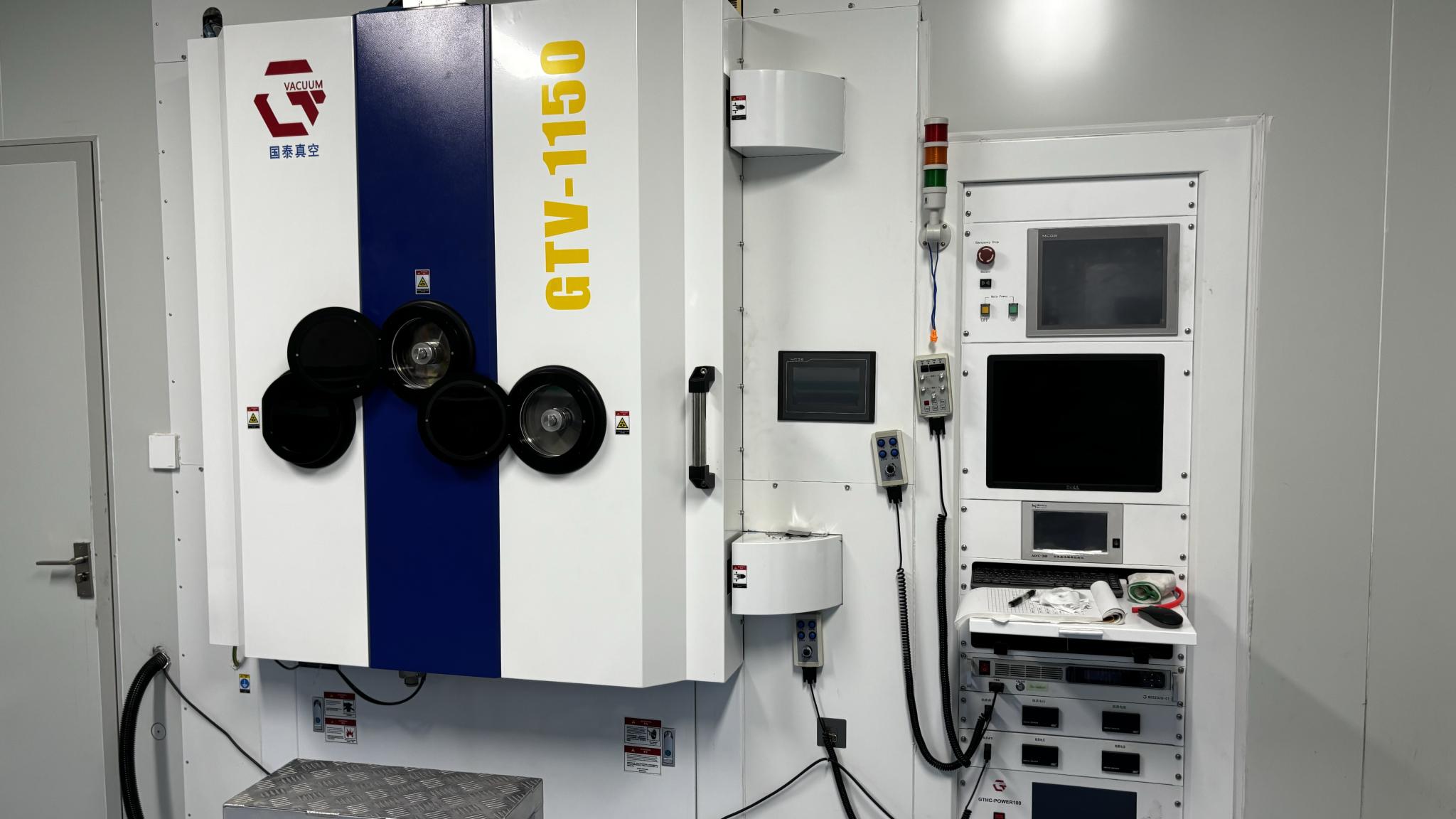
In the current technological landscape, hybrid cloud infrastructure is no longer merely a transitionary design but the definitive architecture for security-sensitive, data-heavy global enterprises. Modern operations demand hybrid configurations that blend the elasticity of public cloud services with the total governance, ultra-low latency, and enhanced physical security of localized bare-metal on-premise hardware.
For operations involving deep learning training, massive database operations, and high-frequency transactions, the demand for local processing combined with rapid upstream synchronization has soared. As specialized large models (such as AI DeepSeek architectures) require hyper-dense GPU workloads, physical servers situated inside private nodes form the reliable bedrock of the hybrid model. However, deploying hardware globally introduces severe challenges regarding cross-border regulatory compliance, electrostatic stability, thermal performance, and electromagnetic interference.
Why CE Certification Matters for Global Infrastructure
CE Certification (Conformité Européenne) represents the definitive compliance standard, verifying that enterprise computing platforms meet stringent health, safety, and environmental protection guidelines. For system integrators and hyperscalers in North America, Europe, and the Middle East, acquiring CE-marked hardware is a baseline requirement to guarantee seamless market access, operational safety, and legal compliance within industrial-grade server halls.
The Technical Core: Hybrid Cloud Architecture Demands
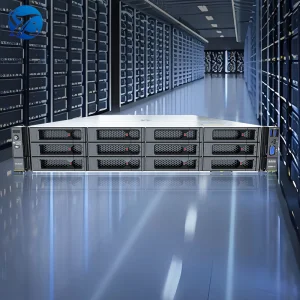
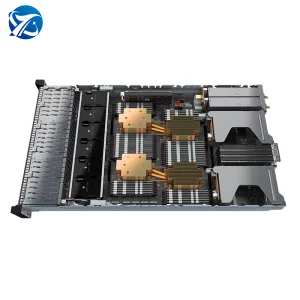
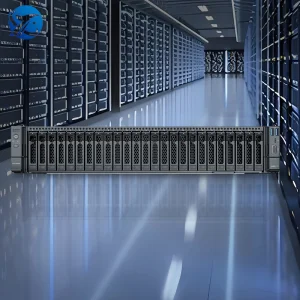
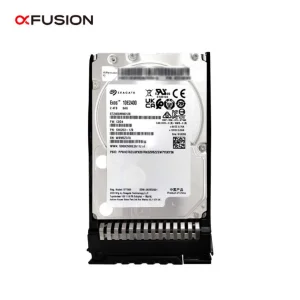
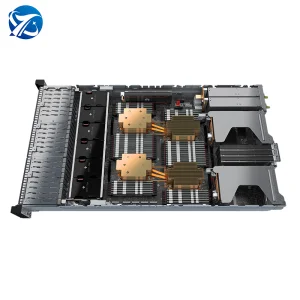
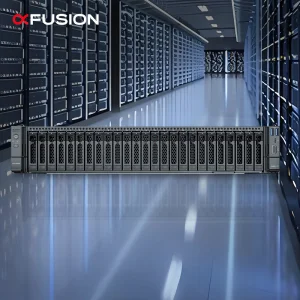
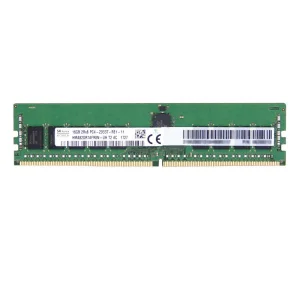
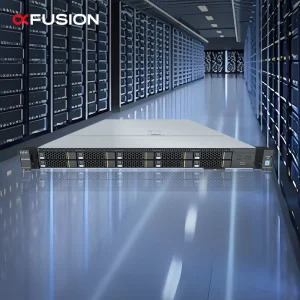
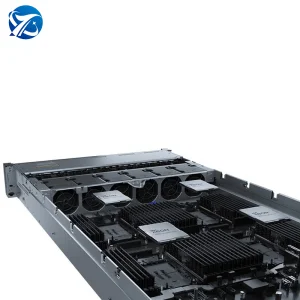
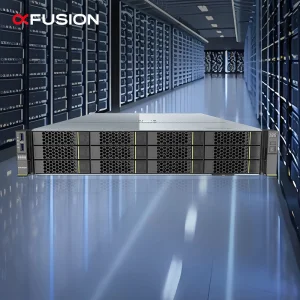
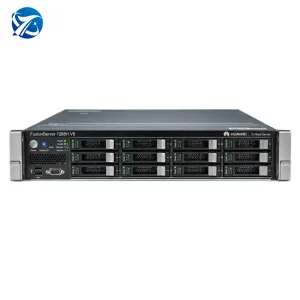
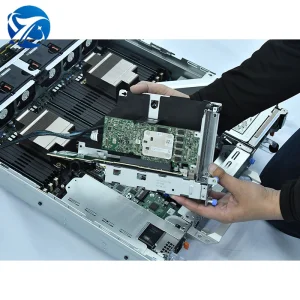
To implement an effective hybrid platform, physical components must support continuous operations. Hardware like the xFusion FusionServer 2488H V7 and 2288H V6 represent this evolution by packing multiple CPU sockets (2-socket to 4-socket configurations) and NVMe/PCIe Gen 5 storage options into ultra-compact rack form factors. When designing these systems, network administrators isolate computational bottlenecks using custom SAS/M.2 controllers, like the XP270-M2 (SAS3808 BootCard), ensuring that host operating systems boot independently from primary hot-swappable data arrays, reducing boot latencies and physical crash rates to near zero.
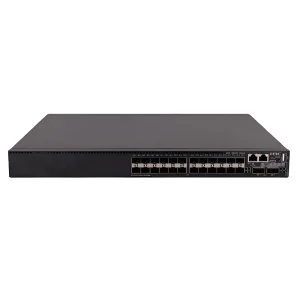
Furthermore, standardizing on CE-compliant server components guarantees that electromagnetic emissions do not corrupt neighboring telecommunication gear, switchboards, or high-performance network equipment (such as the H3C S6520X-30QC-EI Core Switch). This forms the baseline of functional reliability in high-density multi-tenant colocation facilities.