Vornaxis
Vornaxis
Vornaxis
Explore our flagship modular server units optimized for deep learning models, hyper-converged databases, and mission-critical cloud deployments.
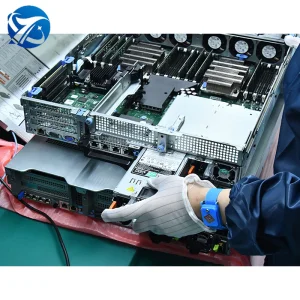
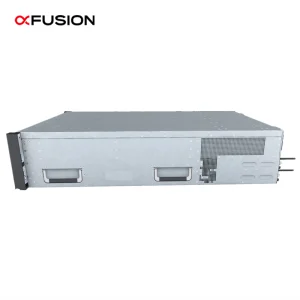
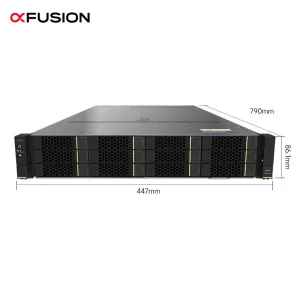
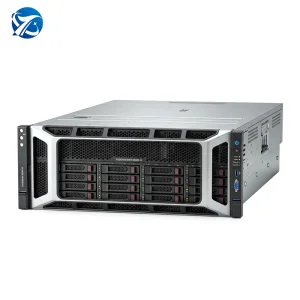
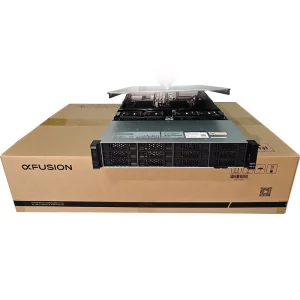
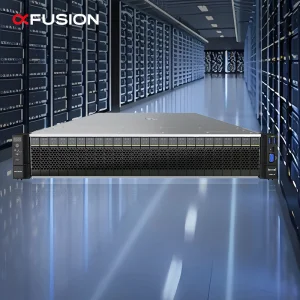
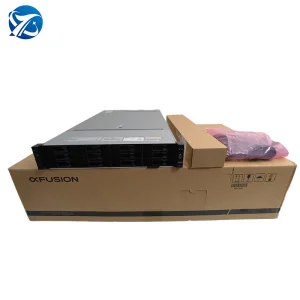
The global enterprise data ecosystem is undergoing a generational shift. With the massive computational demands of Large Language Models (LLMs) such as DeepSeek, traditional, monolithic server architectures are hitting thermal and density limits. Modular server systems have emerged as the industry's answer, decoupling computing nodes, memory arrays, and power systems to allow granular scaling.
By splitting traditional monolithic server motherboards into swap-capable computing sleds, modern architectures allow datacenters to perform hot-swap updates, reduce downtime, and cut capital expenditures (CapEx). Globally, the drive to achieve net-zero carbon footprints is pushing datacenter operators to adopt liquid cooling compatibility—a feature natively supported by modular, blade-type systems.
Whether processing AI inference cycles at the edge or handling large-scale virtual desktop infrastructures (VDI), modular systems minimize structural waste. Rather than replacing entire chassis frames, enterprise operators upgrade specific compute sleds, preserving long-term investment in sheet metal, backplanes, and power supply units (PSUs).
Furthermore, standardizing on Open Compute Project (OCP) architectural frameworks ensures interoperability among vendors. China's leading server exporters, driven by high-tech integration clusters, are at the forefront of manufacturing these global-standard modular server solutions.
Building next-generation, high-density AI infrastructure and modular server systems for global markets.
Vornaxis Compute Ltd. (Vornaxis) is a professional AI GPU server manufacturer specializing in high-performance computing (HPC) infrastructure, GPU cluster systems, and enterprise-grade AI hardware solutions for global data center deployments. Headquartered in a dedicated high-tech development zone with a facilities footprint of 320 m², Vornaxis integrates state-of-the-art server assembly, firmware engineering, and rigorous hardware burn-in validation protocols.
As a global OEM/ODM export-oriented manufacturing company, Vornaxis bridges the gap between raw silicon compute power and localized, ready-to-run enterprise solutions. We serve data centers, high-growth AI startups, HPC research laboratories, and leading enterprise IT system integrators in North America, Europe, Southeast Asia, and the Middle East.
Vornaxis relies on a highly integrated global ecosystem of approximately 850 upstream and downstream partners. This resilient network ensures consistent access to premium tier-1 silicon components (ASICs, GPUs, CPUs), raw component boards, high-speed backplanes, and state-of-the-art power system components. By leveraging deep partnership integrations, we dramatically minimize supply-chain lead times and insulate our global clients from component volatility.
Every modular server node, GPU chassis, and RAID controller that exits our production line is subjected to a comprehensive multi-tier quality assurance protocol. Our testing methodology represents the industry gold standard for compute hardware reliability.
Vornaxis operations are fully ISO 9001 certified and all materials and assembly stages comply strictly with RoHS environmental safety directives. Our processes prioritize low environmental impact alongside extreme durability.
Our quality verification arsenal includes Automated Optical Inspection (AOI) for circuit board perfection, continuous functional testing, stress-testing under simulated maximal workloads, and comprehensive thermal cycling validation.
A dedicated cohort of 45 quality control professionals oversees our assembly floors. They verify every production stage—from incoming raw component validation (IQC) to final system-level out-of-box audit (OQA).
| Testing Stage | Methodology Applied | Evaluation Parameter / Failure Threshold |
|---|---|---|
| Pre-Assembly Component Check | IQC inspection, trace isolation, semiconductor sorting | Zero variance in electrical resistance, original supplier firmware signature confirmation |
| In-Line Board Assembly | AOI (Automated Optical Inspection) & Solder Paste Inspection | Solder joint volume, component orientation tolerance < 0.05 mm |
| Hardware Integration Test | Full-system bus analysis, high-speed channel signal testing | Zero error rate on PCIe Gen 4.0/5.0 signals and NVMe data paths |
| System Stress & Burn-In | 72-hour continuous CPU/GPU peak TDP loading in eco-chambers | Tjunction temperatures remaining < 82°C with 0 hardware crashes |
| Thermal Cycling Validation | Repetitive environmental switching from -10°C to +60°C | Verification of thermal compound longevity and structural solder durability |
In the highly competitive computer server export sector, sustained growth is driven solely by continuous innovation. Vornaxis Compute Ltd. maintains an elite engineering core focused on mechanical, thermal, firmware, and high-frequency design disciplines.
Our engineering division employs 160 R&D engineers, focusing on thermal dynamics, software/firmware design (IPMI, BIOS customization), high-density PCB layouts, and GPU cluster clustering optimization. Through continuous innovation, Vornaxis launched 120 new models and system iterations in the past year alone, adjusting rapidly to global silicon trends.
Vornaxis offers dynamic ODM options that empower clients to adapt servers to highly specialized software architectures. Our R&D capabilities include:
Aligning computational power with future-proof infrastructures, advanced interfaces, and optimized workload architectures.
Our roadmap heavily incorporates Compute Express Link (CXL) protocols, enabling memory sharing and high-speed resource pooling across heterogeneous CPU/GPU systems. Transitioning to PCIe Gen 5.0 and Gen 6.0 architectures ensures ultra-low latency profiles for multi-node clusters.
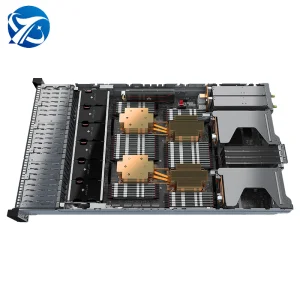
As server processors approach 350W+ TDP and GPUs exceed 700W, traditional air cooling is no longer viable. Vornaxis is leading the transition with hybrid liquid-to-air cooling options and direct cold-plate system integrations for high-performance servers.
Optimizing servers for modern, localized LLMs. By modifying high-speed interconnect configurations, Vornaxis modular clusters enable rapid training and real-time model inference for large-scale data systems and intelligent applications.
Deploying clustered nodes built for massive tensor math. Featuring flexible multi-GPU arrays (up to 8 or 16 GPUs per node configuration) optimized for machine learning clusters. Modular power supplies and fans reduce operational failures by up to 30%.
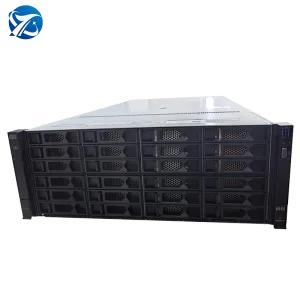
Combining dense hot-swappable SAS/SATA/NVMe storage drive bays with high-speed PCIe Gen 4.0 LSI hardware RAID arrays. Guaranteed uptime, data preservation, and exceptional read/write performance for mission-critical core databases.
Optimized for processing high-definition multi-channel video streams at low latencies. These specialized GPU-equipped modular servers sit inside municipal nodes, allowing intelligent video analysis, traffic optimization, and real-time security automation.
Scientific compute systems optimized for molecular dynamics, aerospace modeling, and meteorological forecasting. Highly flexible, modular nodes that slide into existing OCP-standard rack configurations easily.
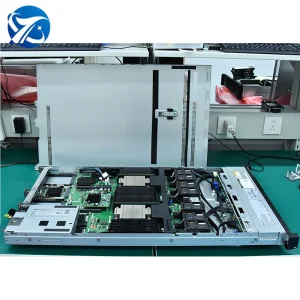
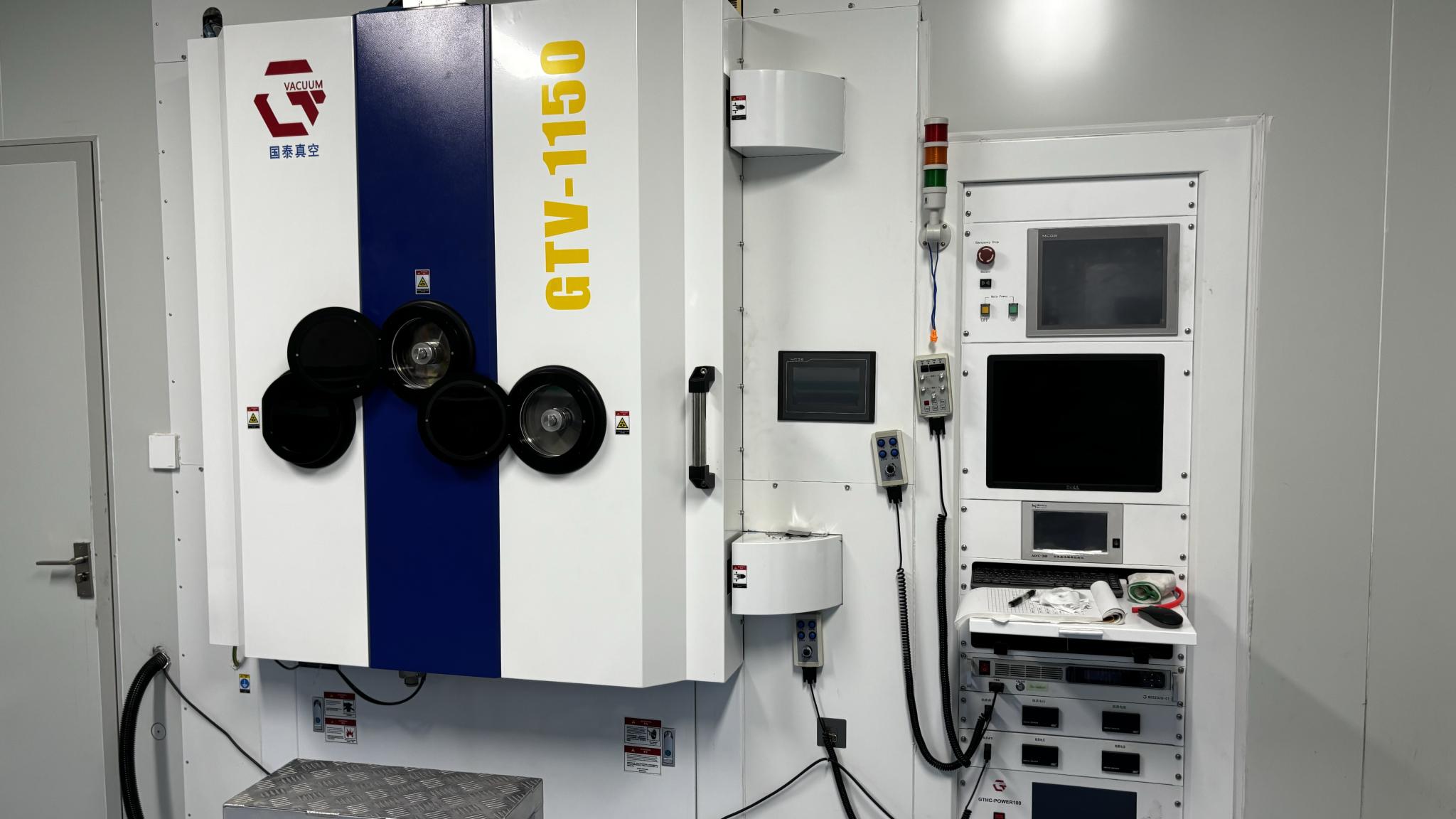
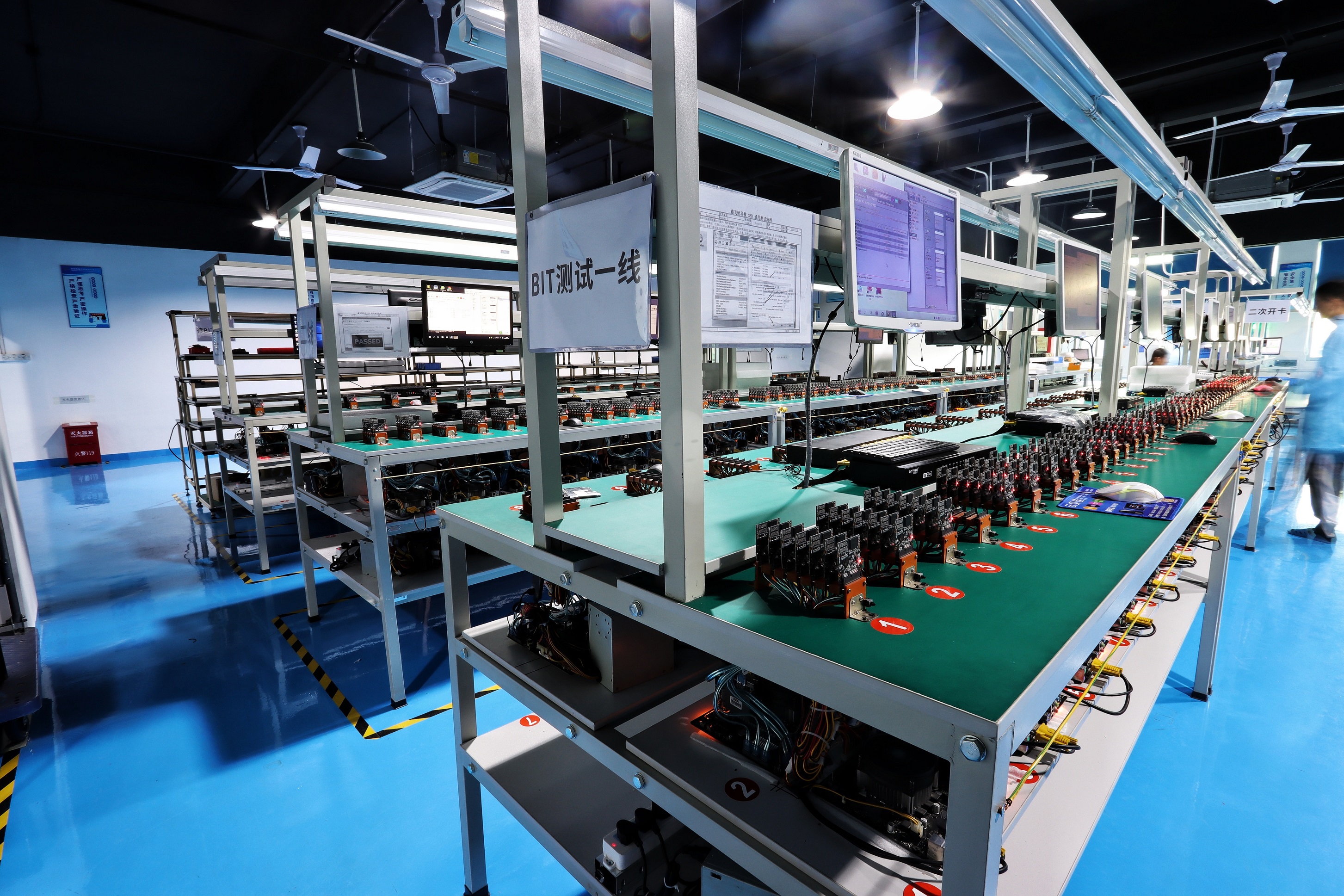
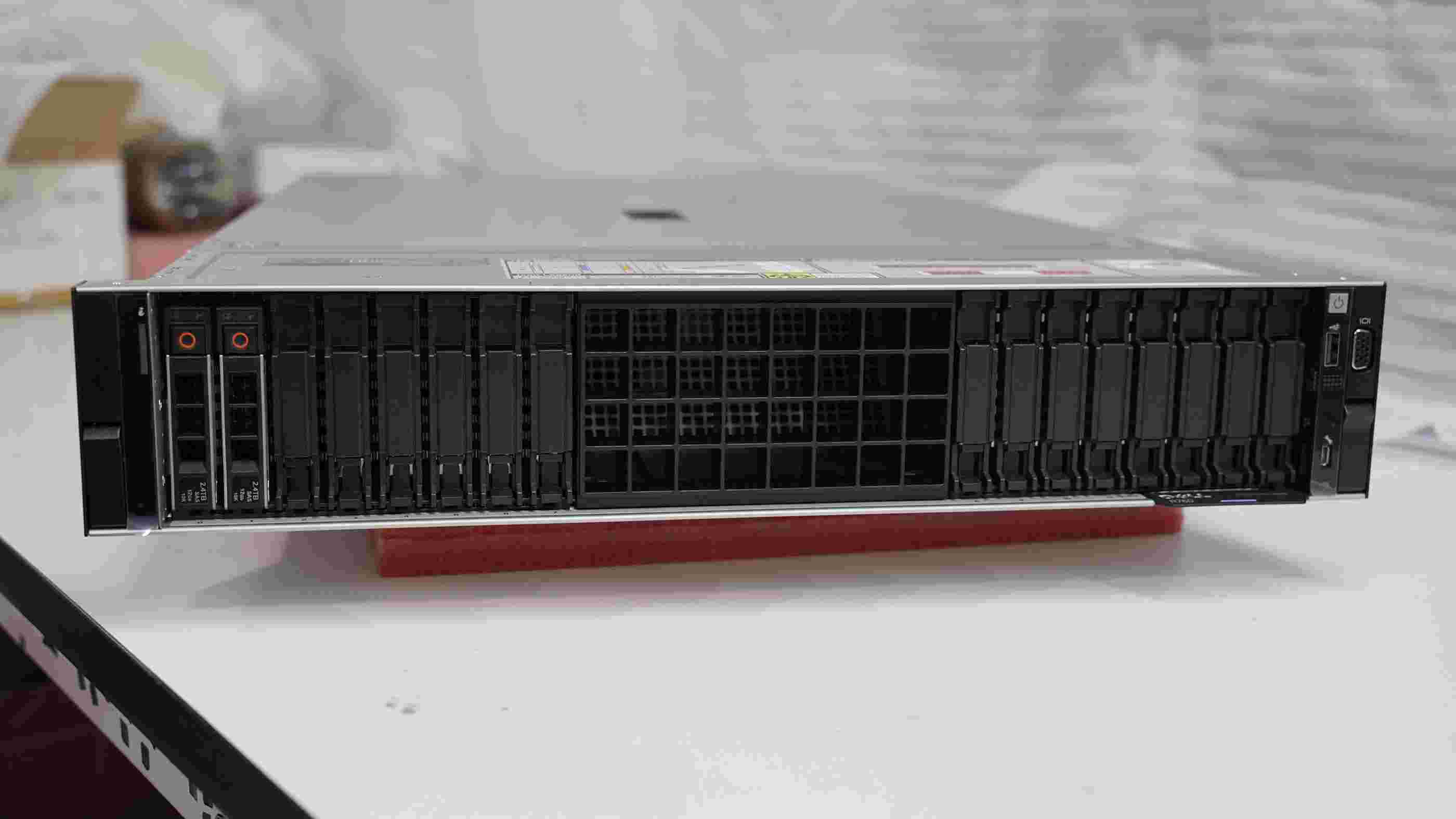
Visualizing our modern manufacturing footprint, server assembly lines, and thermal validation chambers.

Get answers to the most common technical questions regarding deployment, integration, and thermal specifications.
Modular servers allow decoupled scaling of power, cooling, compute nodes, and storage nodes. If a single compute node fails or requires hardware upgrades (such as shifting from CPU-only to GPU-based acceleration), you can hot-swap the individual compute sled without powering down the entire chassis. This minimizes latency, slashes server downtime, and decreases Total Cost of Ownership (TCO).
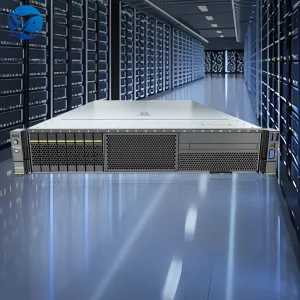
Our modular servers, such as the FusionServer G5200 V5 and xFusion 2258 V7, feature native support for high-bandwidth GPU clusters. With advanced PCIe Gen 4.0 / 5.0 lanes and optimized system motherboards, our servers handle high-speed model weight sharing, massive tensor parallelism, and high-frequency memory transfer crucial for large-scale DeepSeek inference and training pipelines.
We integrate standard heavy-duty, dual-rotor cooling fans with redundant configurations and smart speed curves. For denser configurations, we offer hybrid options featuring direct-to-chip (D2C) liquid-cooling plates, custom closed-loop manifolds, and immersion-cooling configurations. These technologies keep junction temperatures low, preventing thermal throttling even under sustained peak processing loads.
Yes, our systems are built following standard 19-inch rack profiles and align with OCP (Open Compute Project) criteria. This enables rapid deployment into standard server cabinets. Our power distribution systems also support typical enterprise voltages ranging from standard 220V AC up to high-efficiency 48V DC bus architectures.
All systems undergo a multi-point inspection workflow: AOI motherboard scans, component alignment inspection, PCIe channel integrity testing, and a mandatory 72-hour full stress burn-in test inside environmental climate rooms to verify physical and software durability under thermal stress.
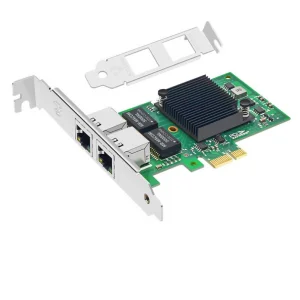
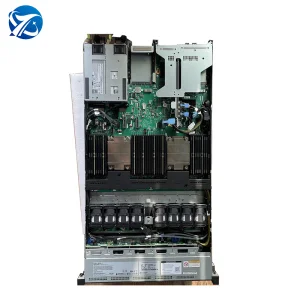
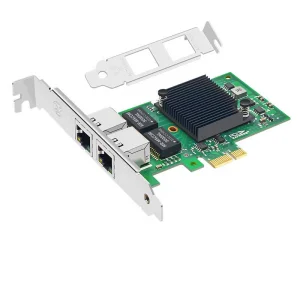
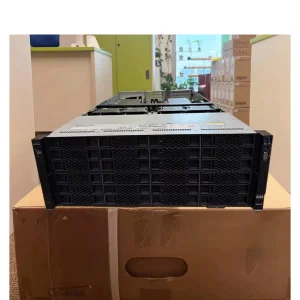
Select from our modular storage chassis, high-throughput array controller cards, and next-generation Intel/AMD server configurations.