Vornaxis
Vornaxis
Vornaxis

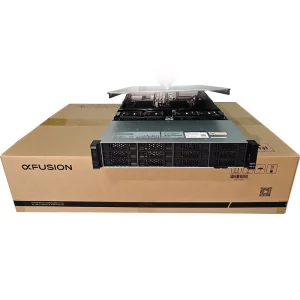
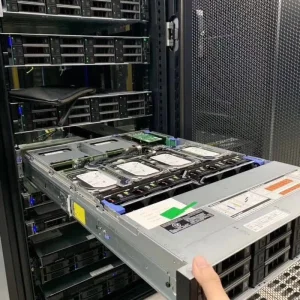
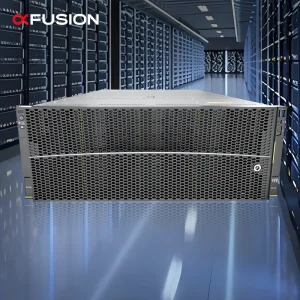
The global race for artificial intelligence supremacy is no longer defined merely by algorithmic efficiency, but by the physical limits of hardware engineering. As models scale past trillions of parameters, hosting strategies and high-performance computing (HPC) server architectures represent the baseline competitive edge for modern enterprises. Finding a trusted manufacturer and strategic hosting partner in China is a top priority for cost-effective deployment.
Vornaxis Compute Ltd. (Vornaxis) stands at the forefront of this industrial transformation. Operating at the core of the global electronics supply chain, Vornaxis designs, manufactures, and integrates top-tier AI GPU servers, network storage, and custom rack systems tailored for deep learning, scientific computing, and edge inferencing. Through rigorous design validation and direct component sourcing, Vornaxis bridges the gap between raw silicon performance and sustainable data center operations.
By providing direct OEM/ODM customization paths, including liquid cooling optimization and complex BIOS configuration, we optimize systems for workloads like DeepSeek-R1, Llama-3-70B, and massive multi-modal training topologies. In this whitepaper, we outline how our hardware engineering addresses global energy density limitations, supply chain volatility, and specialized hosting demands.
Established as an industry leader, Vornaxis combines precision hardware engineering with robust deployment systems. Our operational metrics reflect our commitment to supply chain control and technological innovation:
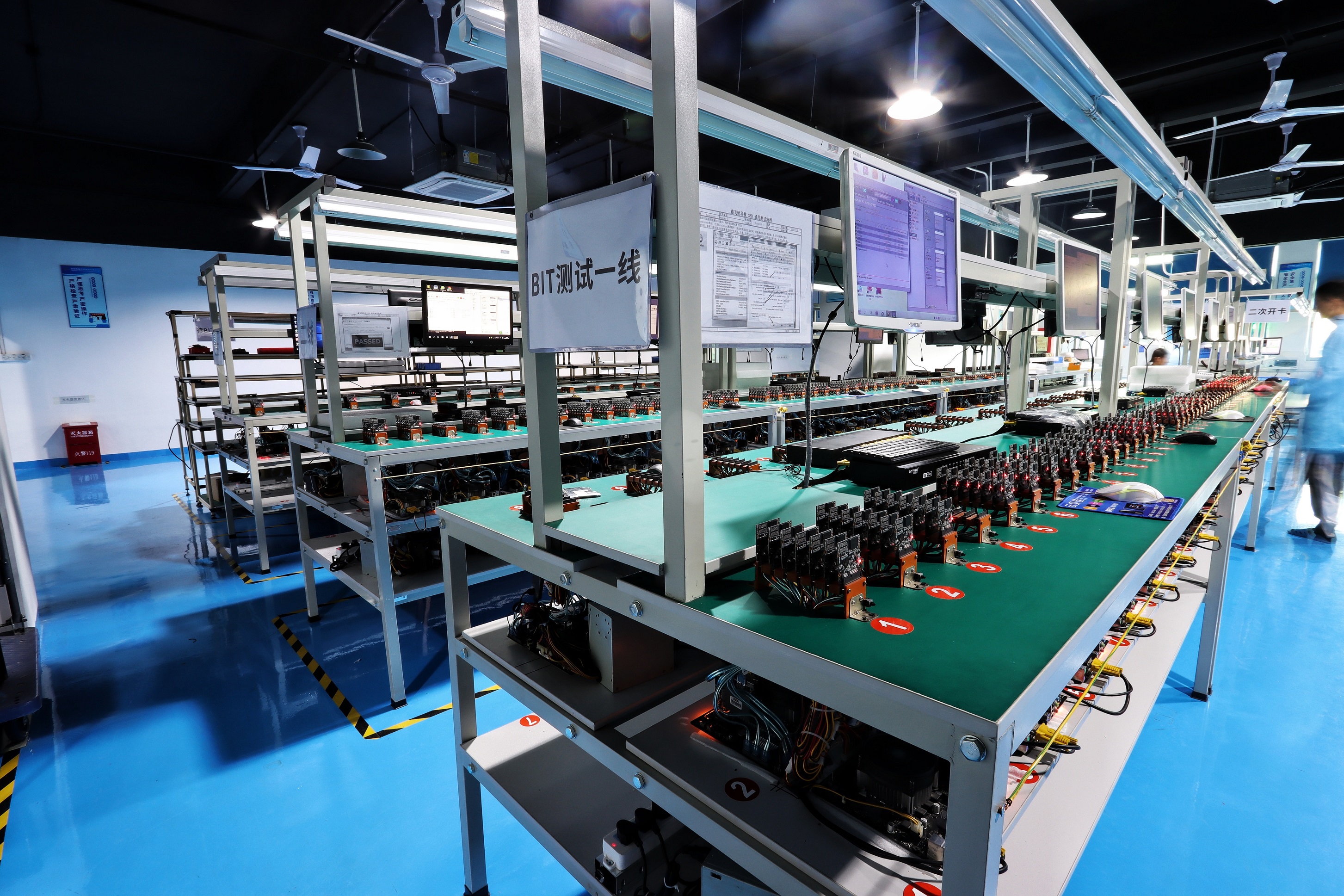
Our infrastructure includes a 320 m² precision validation facility, optimized specifically for thermal testing, signal integrity verification, and burn-in testing of high-density AI clusters. Vornaxis maintains strong partnerships with approximately 850 global supply chain partners, ensuring access to key components like high-speed storage, PCIe switches, and robust power systems even during tight market conditions.
We tailor configurations from BIOS/firmware optimization to rack-level design, cooling modifications, and PCI-e switch mapping to fit specific compute tasks.
Our production lines operate under strict quality management frameworks, with automated optical inspection (AOI) checking every trace, capacitor, and connector.
With 6 years of direct export experience across North America, Europe, Southeast Asia, and the Middle East, we navigate complex trade compliance seamlessly.
Sourcing AI GPU hosting and hardware infrastructure requires balancing immediate CAPEX/OPEX tradeoffs, supply constraint risks, and technical performance needs. Large cloud environments often carry high recurring premium costs. Consequently, Tier-1 system integrators, research labs, and hyper-growth startups are shifting to hybrid deployment models. This transition relies on owning private GPU server infrastructure hosted in specialized colocation centers.
This hybrid model demands hardware suppliers that offer more than off-the-shelf catalog units. Global purchasing managers look for specific design capabilities:
A standard high-density server can draw over 10kW per chassis. Designing power delivery (with 900W to 3000W+ platinum redundant PSUs) and thermal management systems capable of mitigating performance throttling is vital.
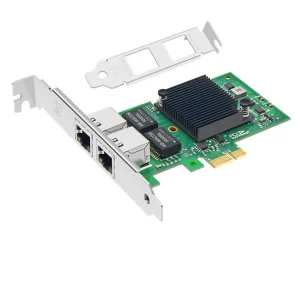
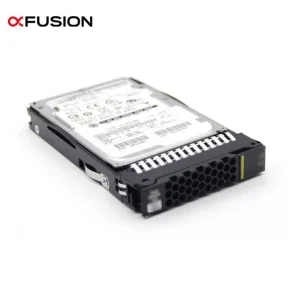
Modern machine learning models require high memory bandwidth. Deploying systems with multi-channel SAS HDD arrays, enterprise NVMe storage interfaces, and PCIe 4.0/5.0 controller cards (such as Broadcom/LSI RAID 9540-8i) prevents bus bottlenecks during heavy read/write phases.
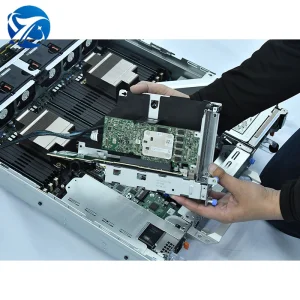
Pre-packaged platforms often lack custom rack ear placement, optimized thermal baffles, or custom system management software. Partnering directly with a factory team resolves these mechanical and software integration problems early.
Vornaxis servers and hosting integrations are designed to handle demanding enterprise scenarios. Below are the architectural patterns commonly used by our clients:
| Application Focus | Primary Hardware Loadout | Critical Storage & Interconnect | Deployment Model |
|---|---|---|---|
| LLM Training & Fine-tuning (e.g. DeepSeek-V3, Llama platforms) | 4-Socket / 8-Socket high-density GPU accelerators + Dual Xeon Scalable processors | NVMe PCIe Gen4/Gen5 SSD arrays + Ultra-low latency InfiniBand adapter cards | Private bare-metal GPU cloud hosting with high-capacity direct cooling |
| HPC & Molecular Dynamics | Dual-socket Intel Xeon / AMD EPYC + High-density PCIe coprocessor layout | LSI 9540-8i RAID systems, local high-speed scratch storage | Institutional high-performance computing centers and research clusters |
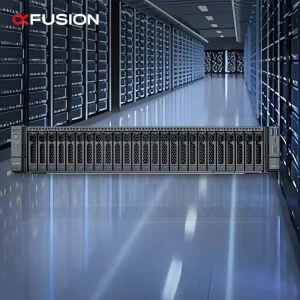
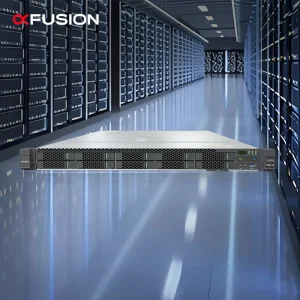
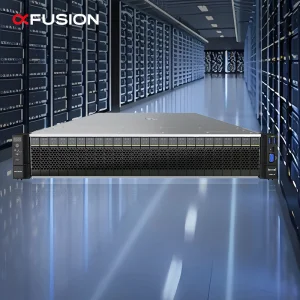
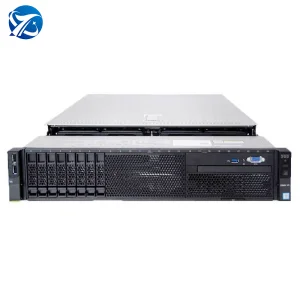
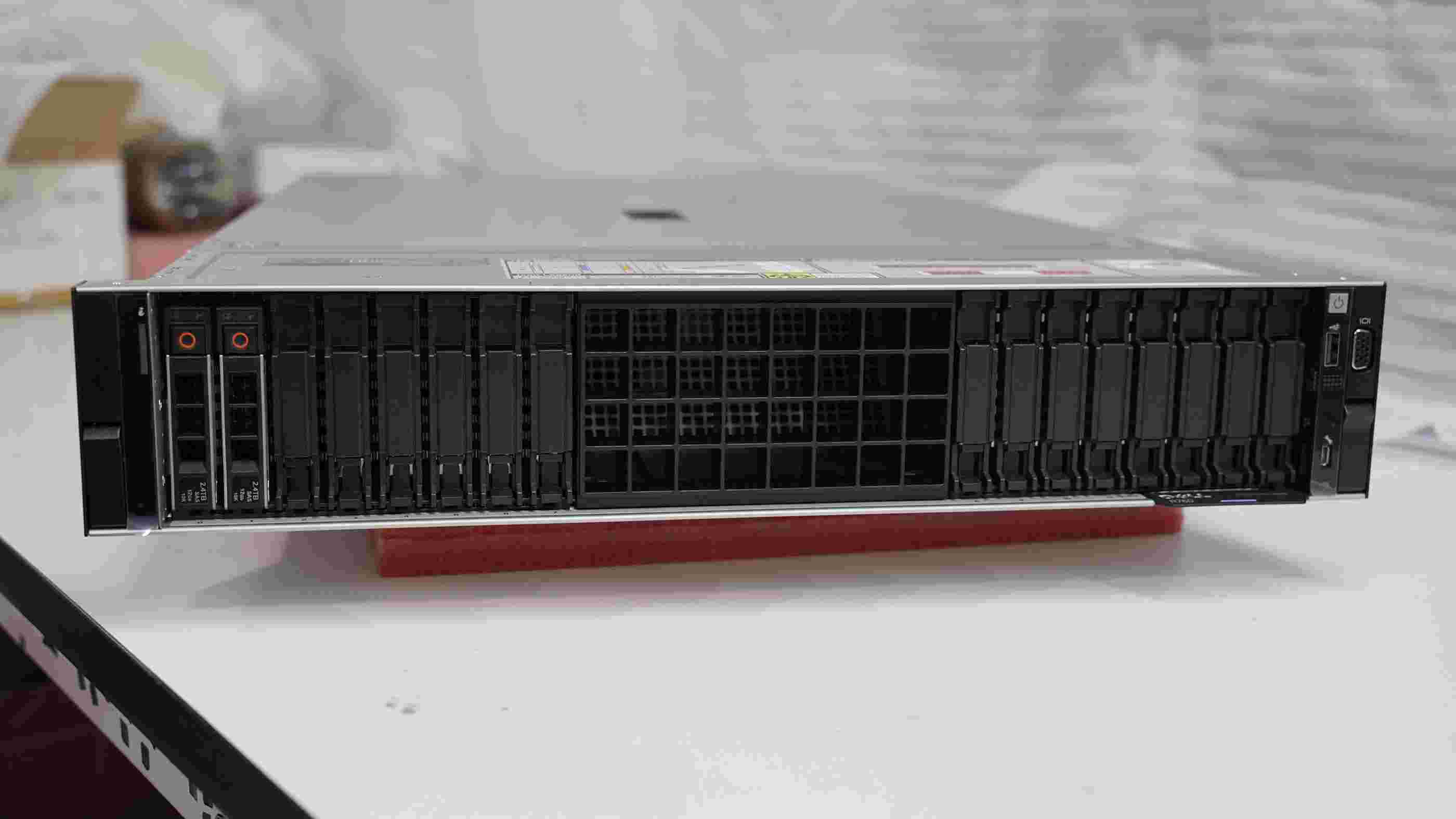
| High-Concurrency Inference | 2U enterprise servers (like FusionServer 2288H V7 / 2488H V6) | Hybrid SAS storage configurations + Dual redundant power grids | Edge hosting networks and regional colocation facilities |
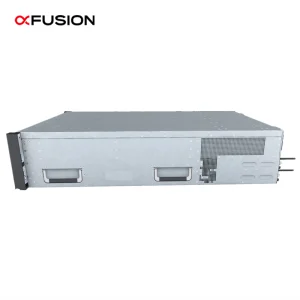
| Distributed Deep Storage | High-capacity 2U to 4U storage architectures (such as 5288 V6) | Universal high-density Enterprise SAS HDDs (up to 12G/s rates) | Large-scale AI data lakes and cloud archiving repositories |
By working directly with Vornaxis engineering teams, global system integrators skip retail markups and build direct lines to component validation. This approach ensures consistent hardware revisions and avoids compatibility issues when deploying servers at scale.
High-density computing requires strict thermal management. Vornaxis incorporates several design principles to ensure stability during extended computing cycles:
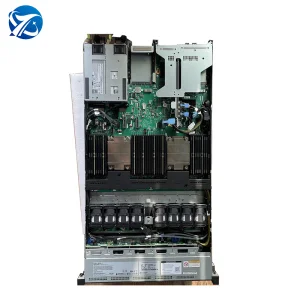
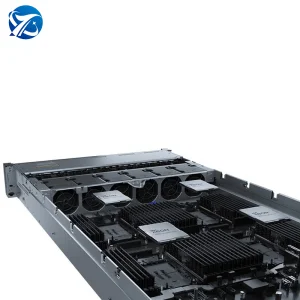
Our server layouts feature internal airflow guides, custom fan-speed profiles, and specialized heat sinks. These elements help maintain consistent temperatures across processors and PCIe expansion zones, preventing localized hotspots.
Equipped with digital multi-phase VRMs and smart power sharing options, our platforms manage high load spikes smoothly, protecting vital system boards from electrical fluctuations.
Using low-loss PCB substrates and optimized routing layouts, we maintain high signal integrity for PCIe Gen 5 links. This design detail keeps data moving smoothly between processors, accelerator cards, and fast storage controllers.
This focus on clean hardware layout ensures Vornaxis systems handle workloads like heavy batch jobs, continuous AI model inference, and intensive database queries reliably and efficiently.
Vornaxis keeps pace with the rapid development of modern data processing systems. Our engineering roadmaps focus on supporting next-generation enterprise technology:
Integrating PCIe Gen 6.0 switch matrices and open-standard accelerator interfaces, allowing systems to handle larger workloads with lower internal latency.
Designing hybrid cooling loops that fit standard data center racks. This system helps facilities transition to liquid cooling without requiring major plumbing overhauls.
Improving system control via open BMC standards, giving data center operations deep diagnostic capability over hardware, thermal, and power metrics.
System stability under high stress is essential. Every Vornaxis server platform goes through a structured, multi-step quality assurance process overseen by our 45-person quality control division:
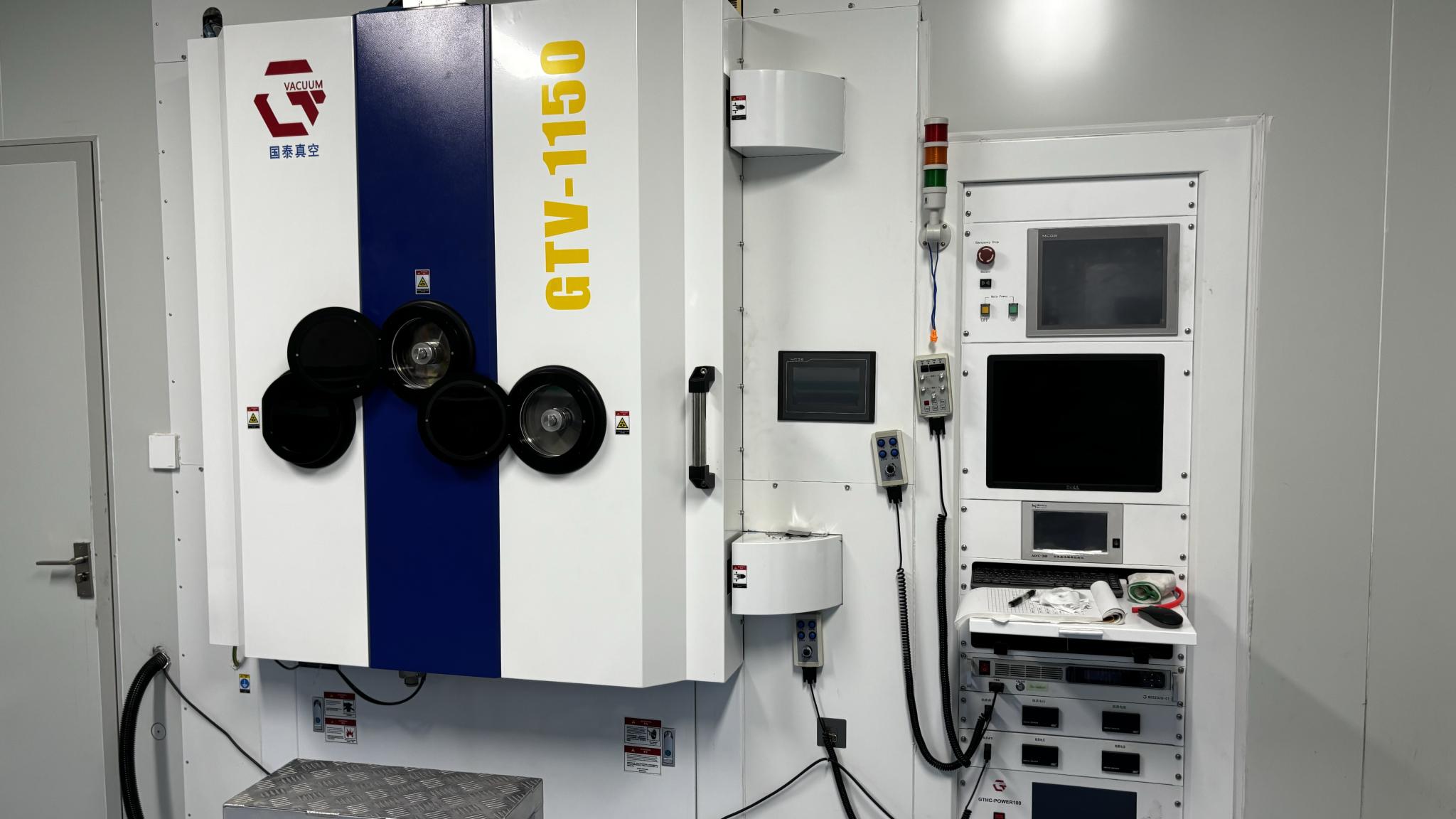

1. Structural Inspection via AOI: High-resolution optical scanners verify solder quality, component alignment, and board traces on all system boards before assembly.
2. Thermal Chamber Testing: Systems undergo performance testing in controlled heat environments to simulate high-density rack configurations and prevent early component failures.
3. Comprehensive Hardware Validation: Automated scripts run diagnostic routines on processors, memory interfaces, storage expansion channels, and power systems to confirm real-world throughput matches nominal specifications.