Vornaxis
Vornaxis
Vornaxis
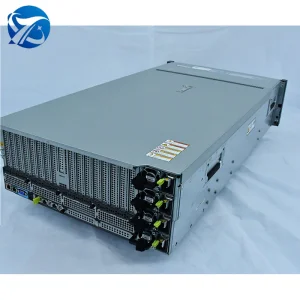
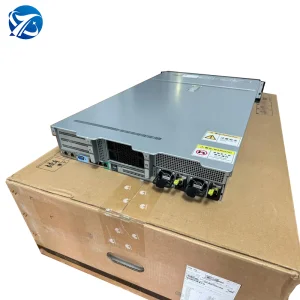
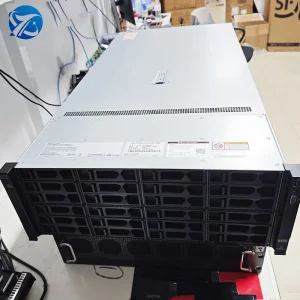
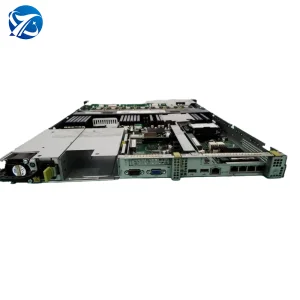
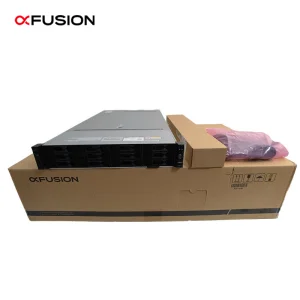
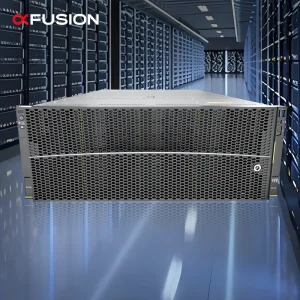
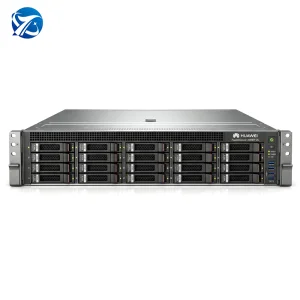
Select high-performance AI rack nodes, storage interfaces, and heavy workload computational hardware designed for extreme thermal reliability and system integration.
Vornaxis Compute Ltd. is a pioneer in global OEM/ODM high-performance computing hardware, providing next-generation GPU platforms, cloud nodes, and specialized storage fabrics.
With 12 years of industry experience and 6 years of focused export operations, we facilitate seamless system deployments across North America, Europe, SE Asia, and the Middle East. Our product development cycles delivered over 120 models and custom iterations last year alone.
ISO 9001 certified and RoHS compliant. Featuring 45 dedicated QC professionals monitoring full system burn-in validation, automated optical inspection (AOI), stress testing, and intense thermal cycling validation procedures to guarantee 99.999% uptime.
We build custom server arrays optimized for data centers, deep learning workloads, AI startups, HPC research laboratories, and enterprise IT system integrators needing highly tailored OEM/ODM hardware alignments.
The global race for generative AI supremacy—fueled by large language models, structured neural networks, and inference engines like DeepSeek—has fundamentally transformed infrastructure procurement. Enterprises no longer simply purchase servers; they secure high-density thermal zones, robust power delivery pathways, and unified memory bandwidth architectures. The hardware bottleneck is twofold: extreme component lead times and high cost structures for non-standardized systems.
Vornaxis Compute mitigates these bottlenecks through our strategically managed global upstream supply chains, partnering with over 850 components providers. This enables us to maintain inventory components like enterprise PCIe Gen4/Gen5 NVMe SSDs, Xeon Scalable processors, high-performance network interface cards (NICs), and advanced HBA storage adapters, reducing lead times from quarters to weeks. By structuring custom OEM layouts for AI startups and major data center operators, we bridge the gap between bleeding-edge GPU demand and physical hardware readiness.
Modulating power delivery parameters is crucial. High-density rack configurations require intelligent distribution, with custom PDU and PSU matching (such as our 2000W redundant power designs) to avoid localized electrical grid bottlenecks.
Air cooling configurations are pushed to their physical boundaries by TDP ratings reaching over 350W-700W per accelerator. Our customization options cater to specialized heatsink alignments, optimized air duct design, and direct-to-chip liquid cooling setups.
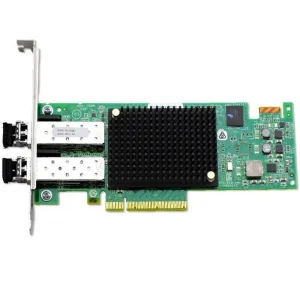
Preventing inter-node bottlenecks is a critical requirement. Our architectures integrate advanced PCIe switches and high-speed network interfaces, utilizing 32Gb/s SFP28/SFP56 FC HBA controllers and optical interfaces to preserve microsecond execution speeds.
Vornaxis architectures map directly to complex industry workloads, supporting deep learning clusters, hyperscale cloud environments, and enterprise database integrity.
Optimized for distributed model training and high-concurrency LLM inference nodes. These configurations support multi-node clustering with high-bandwidth interconnects (RoCE v2, InfiniBand compatibility) to scale past petaflops of computational performance.
Heavy business intelligence pipelines require vast physical memory and multi-socket processor arrays. Our mission-critical 4-socket configurations deliver massive local DDR memory capacities to process high-throughput live transactions without storage bottlenecks.
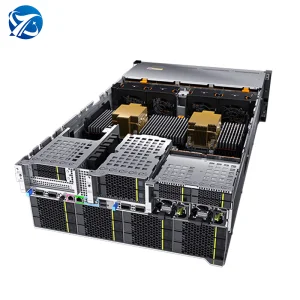
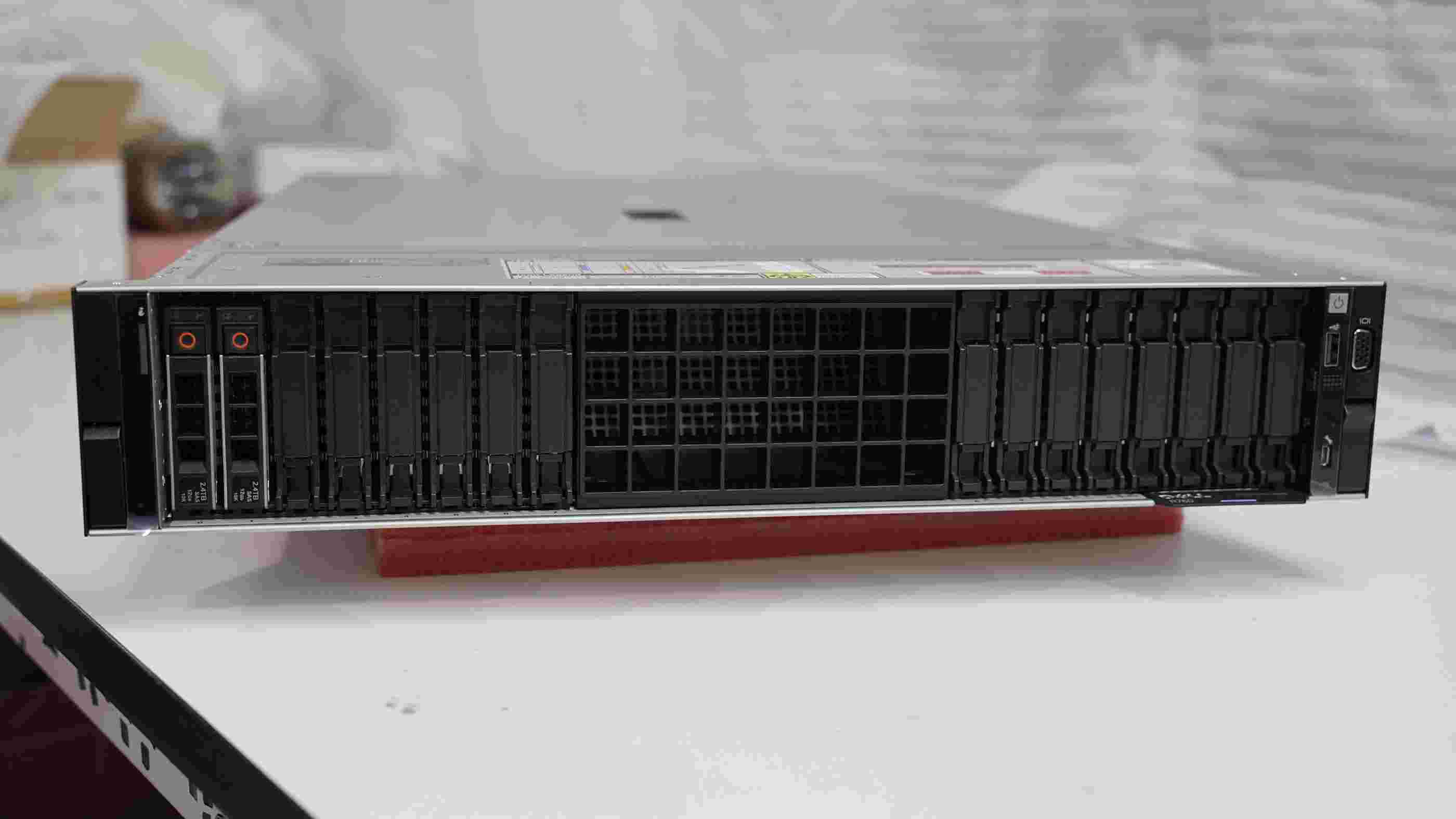
Providing customized density ratios from 2U dual-processor systems to complex 8U multi-GPU frameworks. We facilitate complex simulation environments, astrophysical calculations, and chemical modeling deployments with specialized firmware options.
Vornaxis operates under rigorous quality verification steps, ensuring enterprise-grade computing nodes withstand long-term operational stresses.
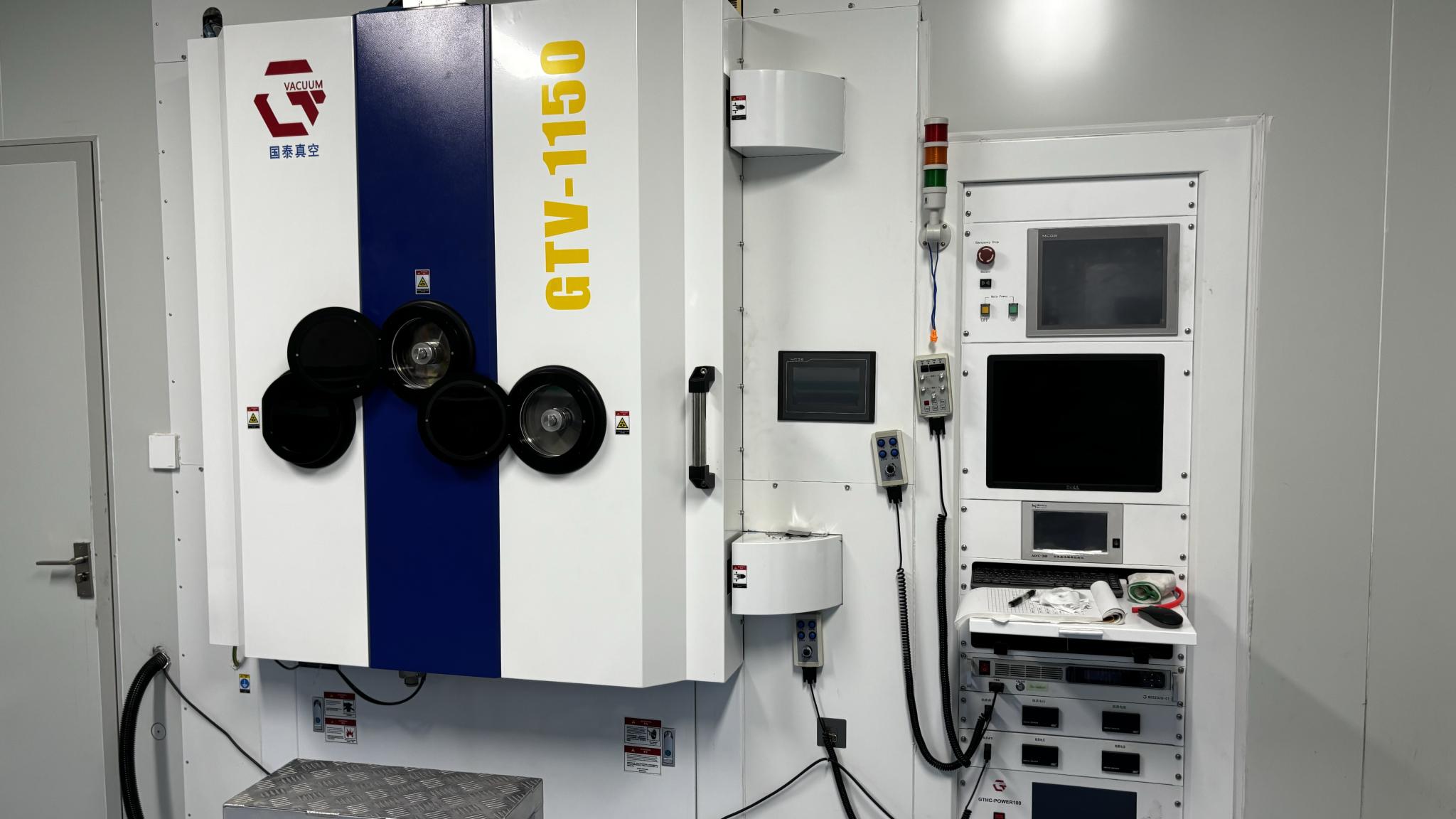
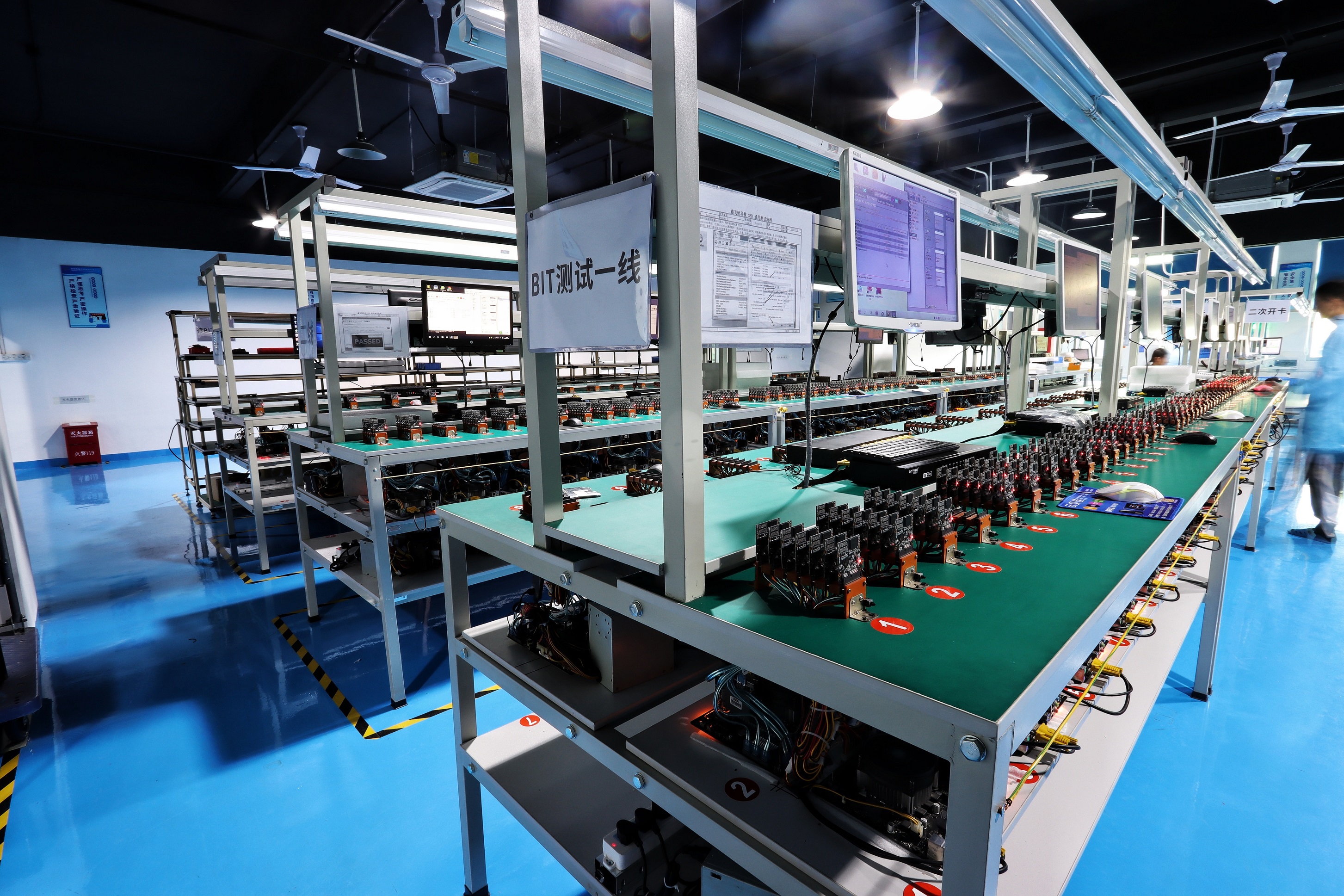
Our production workflow is designed around strict industrial standards. We leverage Automated Optical Inspection (AOI) scanners to trace structural alignments, component placement accuracy, and solder integrity. Systems undergo intensive thermal cycling validation within controlled environment units, varying conditions from extreme sub-zero values up to high humidity states to identify weaknesses before product release.
Additionally, each bare-metal server unit is configured with operational storage and system memory to run standard system stress test applications for a consecutive 48-hour burn-in phase, ensuring standard performance levels are met under high heat profiles.

Vornaxis’s active engineering initiatives align with the computational demands of tomorrow’s AI workloads.
Transitioning from traditional forced-air manifolds to advanced hybrid direct-to-chip water plates. Future chassis lines are being designed for standardized liquid loops, optimizing operating temperatures and keeping PUE ratings below 1.15.
Implementing Compute Express Link (CXL) structures within upcoming custom motherboard iterations. This allows multi-socket platforms to dynamically access pooled DRAM reserves, bypassing typical PCIe bandwidth restrictions.
Designing modular PCIe Gen5 drawers that plug directly into existing computing nodes. This dynamic design allows administrators to swap computation accelerators without replacing the entire server stack.
Vornaxis provides end-to-end support for custom hardware integrations, maintaining compliance standards and providing localized support globally.
Shipping servers across global borders requires navigating complex customs rules. Every server assembly exported by Vornaxis complies with CE, FCC, UL, and RoHS directives, providing full clearance validation documentation to guarantee quick entry and deployment at terminal destinations.
We provide detailed engineering document packages for custom hardware deployments. Through our technical support network, clients can access dedicated BIOS/BMC firmware customizations, enabling tailored remote power cycling and system monitoring interfaces.
Detailed clarifications regarding build specifications, performance targets, customization options, and global shipping policies.
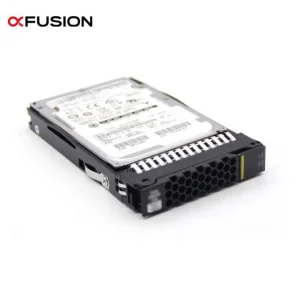
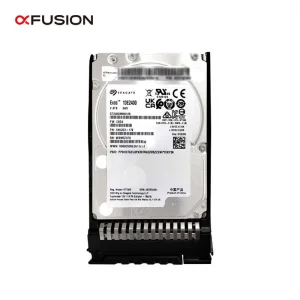
High-throughput storage controllers, NVMe enterprise solid-state memory, and high-performance server architectures configured for maximum system throughput.