Vornaxis
Vornaxis
Vornaxis
Explore our foundational rack configurations, high-density AI servers, and interface optimization adapters for next-generation data centers.

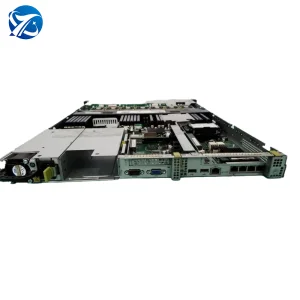
The global enterprise data economy is moving beyond basic file retention. Today, real-time analytics, large language model (LLM) processing like DeepSeek configurations, high-density AI nodes, and network-attached storage (NAS) require ultra-low latency flash storage. As IT organizations design high-performance compute arrays, selecting reliable and authoritative SSD storage manufacturers and suppliers becomes critical. Finding partners who offer significant information gain and technological transparency is essential for optimization.
Our focus at Vornaxis Compute Ltd. is building unified storage frameworks. We bridge the gap between NAND raw die packaging and rack-scale physical integration. High-speed solid-state media is not just about raw read/write capability. It requires specialized controllers, intelligent RAID firmware logic, highly stable host bus adapters (HBAs), and high-density thermal management systems to work reliably at scale.
"Enterprise workloads suffer performance losses when SSD controllers run hot, or when local cache levels saturate. Designing high-density storage arrays requires coordinating components: from the SAS/SATA controller ASIC to the NAND flash silicon."
Combining structural supply chain control with comprehensive validation labs, Vornaxis has spent over a decade delivering high-performance computing infrastructure worldwide.
Established in 2016 and leveraging 12 years of industry background, Vornaxis Compute Ltd. operates as a leading developer of AI GPU servers, solid-state system interfaces, and custom enterprise NAS solutions. While our central R&D validation lab and administrative headquarters cover 320 m² of specialized testbeds, our manufacturing and integration footprint connects with over 850 global supply chain partners. This enables us to orchestrate large-scale rollouts of cloud storage and compute hardware.
Over 120 new products and system iterations launched last year, reflecting our rapid adaptation to emerging technologies like PCIe Gen 5 and CXL interfaces.
Fully ISO 9001 certified and RoHS compliant. Every build undergoes complete system burn-in and automated optical inspection (AOI) to guarantee reliability.
From rack-level layouts and firmware-level over-provisioning adjustments to liquid cooling manifolds, our 160 engineers tailor hardware to your specific workloads.
To implement enterprise flash storage effectively, systems architects must evaluate the performance limits, interfaces, and long-term write endurance (DWPD) of current solid-state memory platforms.
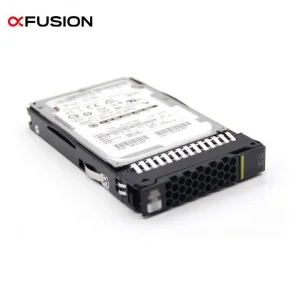
Legacy SATA structures, while cost-effective for warm data tiers (such as our PM897 series enterprise SATA drives, which provide stable read/write hybrid profiles), are limited to 6Gbps per channel. Modern high-density compute tasks use NVMe (Non-Volatile Memory Express) interfaces over PCIe Gen4 and Gen5. These technologies provide up to 16 GT/s and 32 GT/s per lane, reducing input/output bottlenecks in critical processing paths.
Modern SSD architectures balance storage capacity and component longevity. Triple-Level Cell (TLC) NAND is the standard for high-write applications, delivering up to 3 Drive Writes Per Day (DWPD). Quad-Level Cell (QLC) NAND is optimal for read-intensive AI training platforms and cold data storage, offering higher densities at a lower cost. Implementing custom wear-leveling algorithms in the controller firmware ensures write operations are distributed evenly across the flash block array, extending SSD lifespans under heavy enterprise workloads.
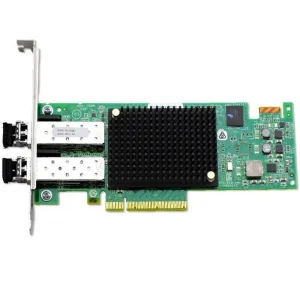
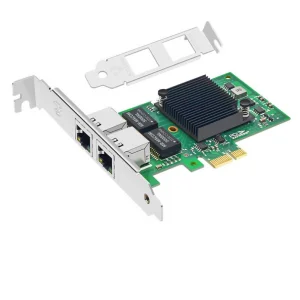
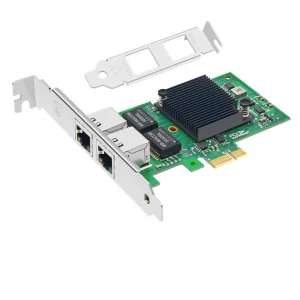
A reliable SSD storage setup requires intelligent hardware controllers and HBA systems. Deploying components like the Emulex LPE35000 HBA card or Tri-Mode 9560-8I RAID card allows data centers to combine SATA, SAS, and NVMe drives into unified logical arrays. This architecture enables smooth scaling, hot-swappable redundancy, and hardware-accelerated RAID processing, keeping data protected even during device failures.
China's technology sector provides global buyers with a highly integrated supply chain network that ensures manufacturing resilience, speed, and cost efficiency.
The manufacturing ecosystem in South China consolidates all stages of production. RAW NAND wafer processing, controller packaging, PCB fabrication, and final assembly are located within close proximity. This geographic concentration reduces logistical delays, speeds up prototype iteration, and lowers component transit costs.
Direct partnerships with major semiconductor foundries secure long-term wafer allocations, protecting our production runs from global component shortages.
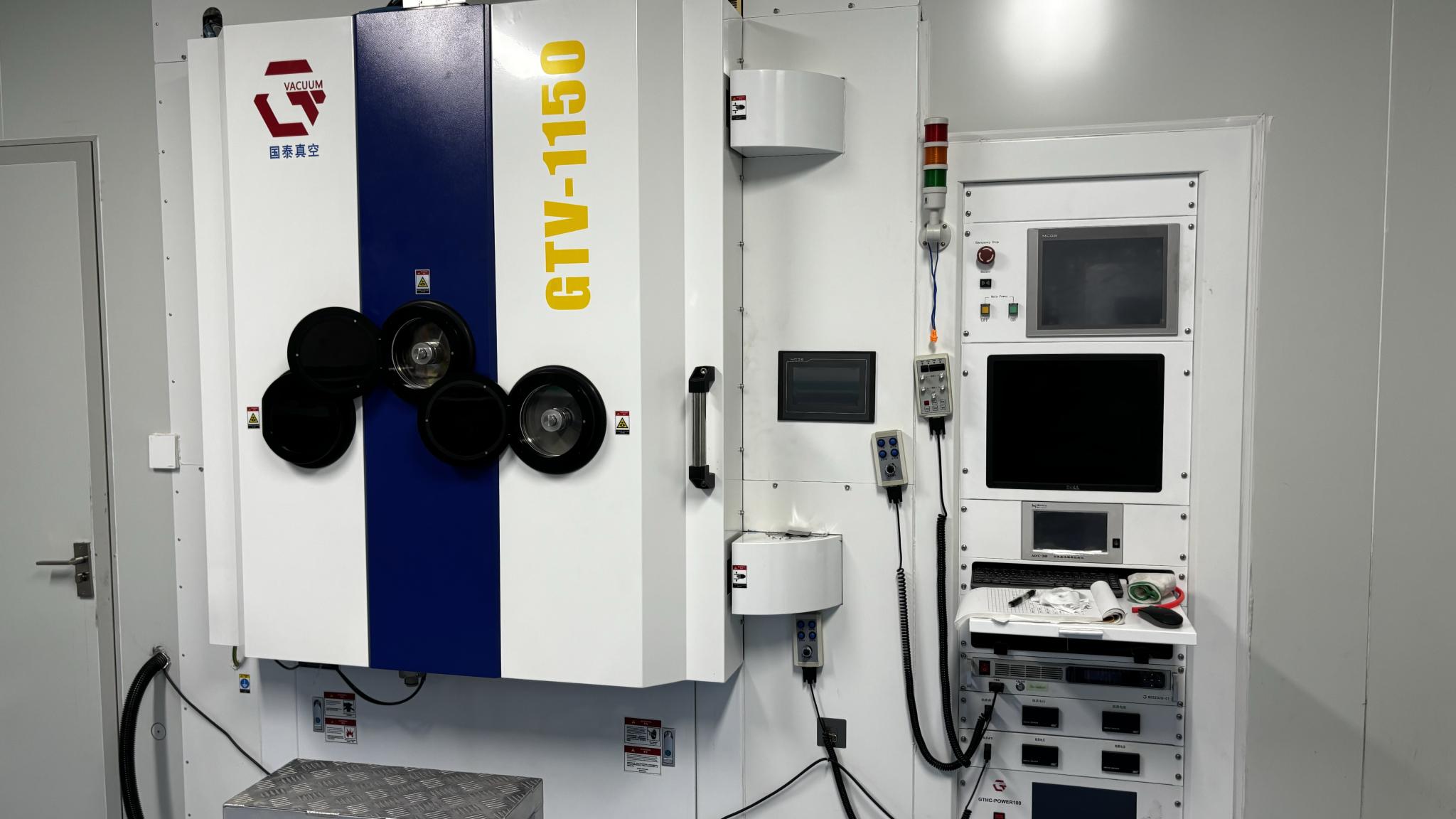
Using advanced SMT lines and high-precision Automated Optical Inspection (AOI) systems ensures uniform assembly and solder joint integrity across every PCB.
Every server storage module undergoes long-duration thermal chamber testing, verifying performance stability from sub-zero conditions up to 70°C operating environments.
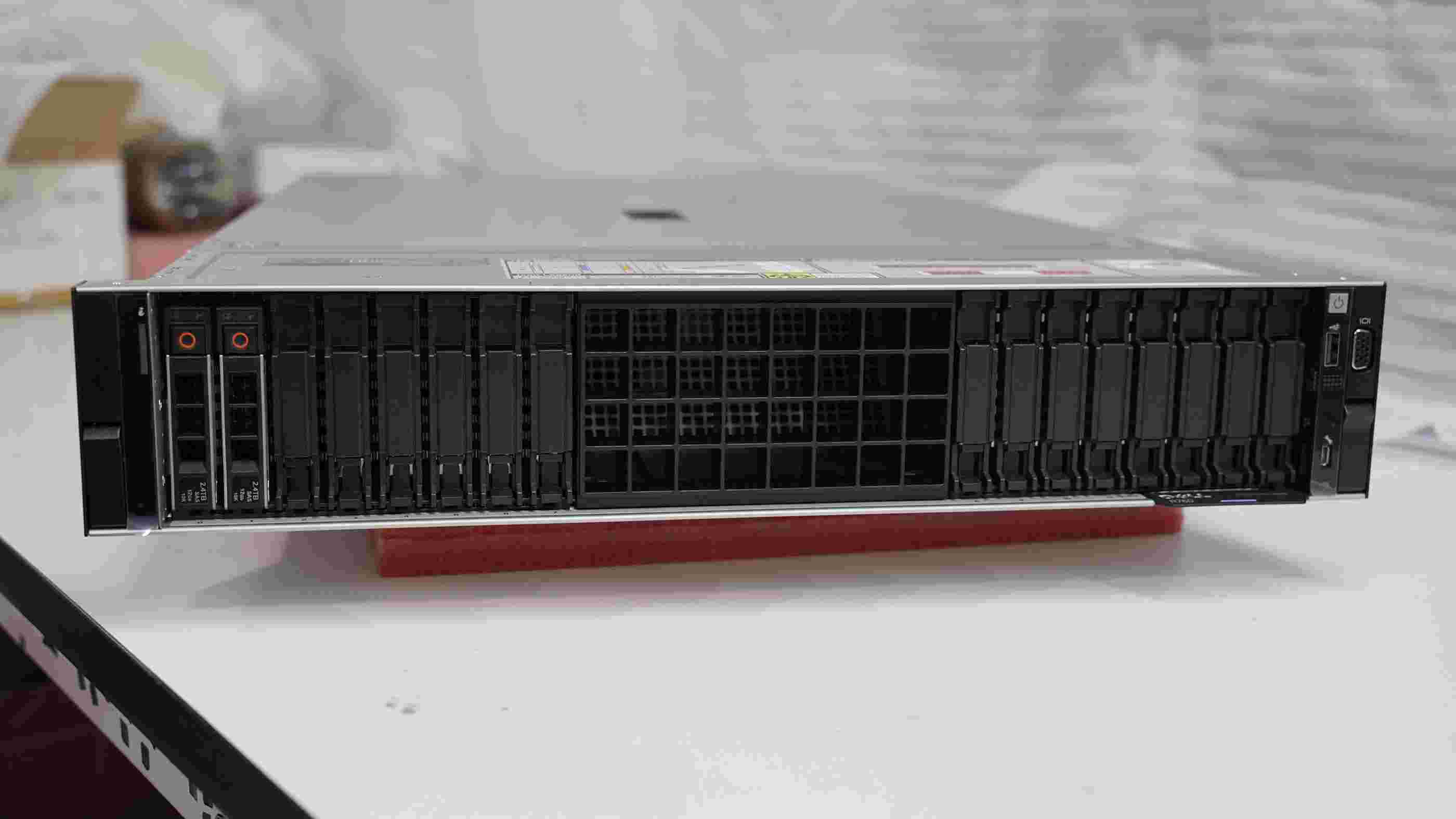

High-performance SSD arrays are essential across multiple compute and storage scenarios. Our custom integrations support vital workflows in modern IT infrastructures:
AI training clusters require continuous access to massive datasets. If storage systems stall, expensive GPU cores remain idle. Using NVMe SSD arrays with PCIe 4.0/5.0 interfaces and high-speed host bus adapters helps maximize data flow to GPU nodes, ensuring high performance during demanding training cycles.
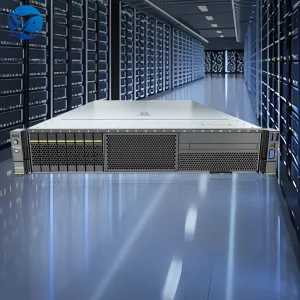
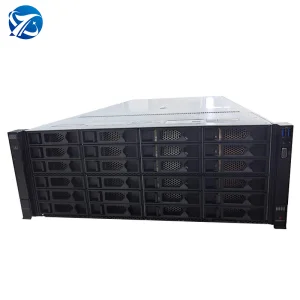
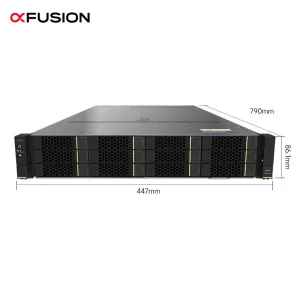
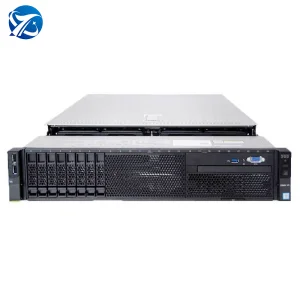
Our 2U rack mount storage designs and high-capacity network attached storage (NAS) platforms are built for continuous operation. They provide secure data storage, easy capacity expansion, and high read/write speeds for private clouds, hybrid corporate storage, and secure virtualization nodes.
Financial trading platforms and big-data analytics engines depend on fast, predictable storage access. By adjusting SSD over-provisioning and tuning controller firmware, we minimize latency spikes and maintain consistent IOPS during peak transaction windows.
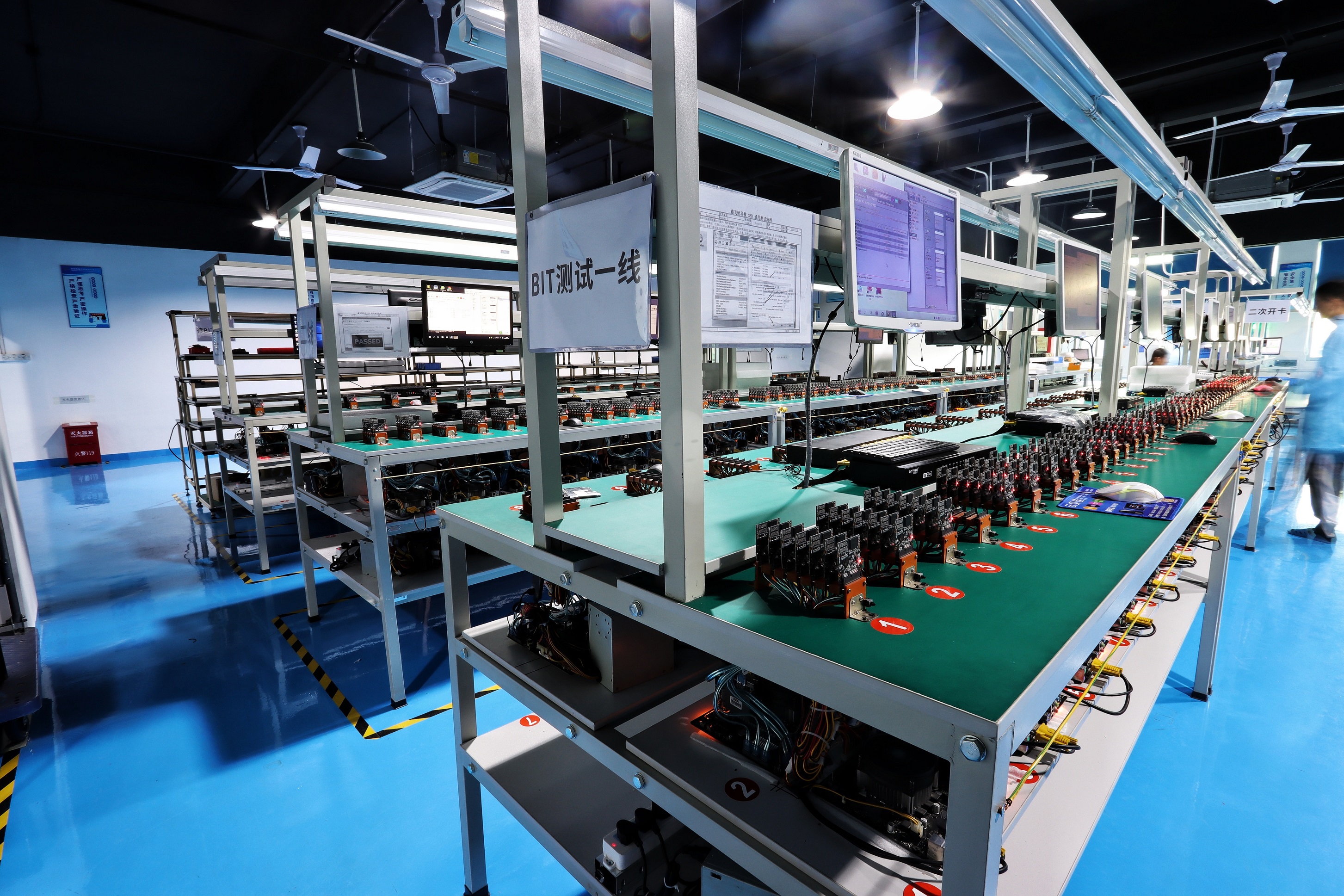
Reliable performance requires rigorous testing. At Vornaxis, we implement a multi-stage validation program to ensure every storage component meets strict enterprise standards.
High-resolution imaging checks component placement and solder joints on every PCB to prevent assembly errors before testing.
Storage systems undergo continuous burn-in testing under full load to identify and isolate early-stage hardware faults.
We test devices across wide temperature ranges to verify physical endurance and signal integrity in different environment conditions.
We serve major markets across North America, Europe, Southeast Asia, and the Middle East. All products are fully RoHS compliant and carry CE, FCC, and related national certifications to ensure trouble-free customs clearance and smooth deployment at destination data centers.
Common technical questions answered by our engineering and product development teams.
Complete your deployment with our range of high-performance rack servers, custom chassis components, and processing upgrades.