Vornaxis
Vornaxis
Vornaxis
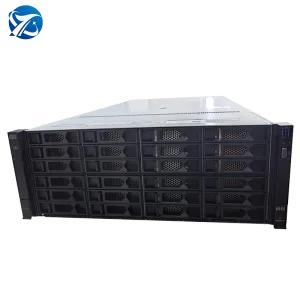

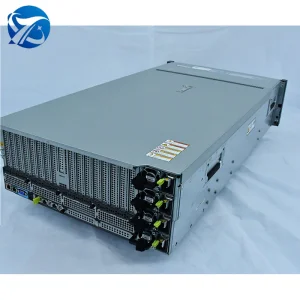
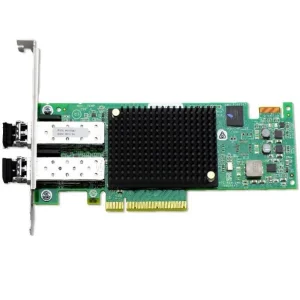
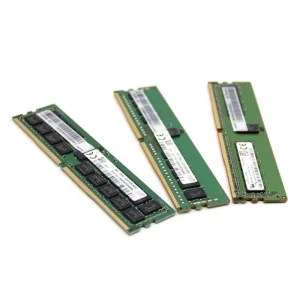

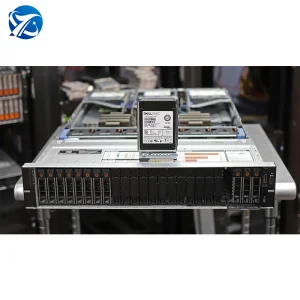
An analytical breakdown of the current industrial climate and the shifting structural requirements of computing infrastructure.
The global cloud infrastructure landscape is undergoing a monumental paradigm shift. As enterprises migrate from standard off-the-shelf hardware to specialized architectures, the demand for Custom OEM Cloud Server Solutions has reached an all-time high. This evolution is driven by the need for hardware-level optimizations that can support complex computational workloads including machine learning, big data analytics, and real-time transaction processing. Traditional monolithic computing units are rapidly being replaced by disaggregated, workload-optimized bare-metal systems, engineered to lower Power Usage Effectiveness (PUE) and maximize operational lifespan.
In data center hubs worldwide—spanning from Northern Virginia to Frankfurt and Singapore—operators face the dual challenge of increasing computational density while conforming to strict carbon footprint regulations. This has triggered a massive industrial shift toward custom server boards, specialized chassis form factors, and modular network topologies. As an established OEM/ODM exporter, we have observed that buyers are no longer looking for standard server boxes; instead, they seek engineering partners capable of modifying structural layouts, BIOS settings, and board trace parameters to match their custom software stacks.
Off-the-shelf server configurations often carry redundant controllers, ports, and structures that increase unit cost and baseline electrical load. Custom OEM/ODM designs strip out auxiliary hardware components that are unused in dedicated workloads, allowing for optimal routing of PCIe lanes directly to acceleration cards, lowering latency, and reducing unit manufacturing costs at scale.
Deploying at scale requires hardware compatibility with automated orchestration tools. Our systems undergo tailored firmware design, ensuring seamless integrations with Open Compute Project (OCP) initiatives and API-driven IPMI management systems. This guarantees rapid provisioning and simplifies remote system maintenance across thousands of active nodes.
Evaluating high-speed data transmission technologies, thermal limitations, and architectural evolutions.
The contemporary server engineering landscape is heavily defined by high-bandwidth throughput requirements. The rapid adoption of PCIe 5.0 and upcoming PCIe 6.0 standards demands clean board traces and advanced signal integrity components (redrivers/retimers) to prevent data corruption. At the same time, memory subsystems are transitioning to DDR5, featuring on-die ECC and dual 32-bit subchannels, providing the necessary bandwidth for multi-core processors running massive parallel tasks like DeepSeek model execution and neural network fine-tuning.
Moreover, the rise of specialized accelerators requires custom rack layouts that optimize cooling routes. Standard air cooling is hitting physical limits due to high TDP (Thermal Design Power) CPUs and GPUs exceeding 400W-700W per chip. OEM designs now integrate liquid loop structures, warm-water direct-to-chip cooling plates, and custom radiator brackets to enable effective heat dissipation without relying on energy-intensive air conditioning systems.
CXL technology enables memory pooling and sharing across host processors and accelerator cards. Our custom motherboard layouts support CXL 2.0/3.0 to drastically reduce data copying latency and expand addressable system memory capacity.
Enterprise workloads require extreme IOPS. We customize U.2, U.3, and E3.S form-factor drive cages to provide high-speed PCIe NVMe lanes straight to the controller, removing standard storage bus bottlenecks.
Using titanium-grade redundant power supply units (PSU) up to 2000W-3200W, our servers achieve over 96% efficiency, significantly cutting down overall operational power loss in multi-rack architectures.
How our custom OEM cloud solutions adapt to varying climatic, regulatory, and infrastructural environments globally.
Enterprise infrastructure requirements differ vastly based on physical geography. For instance, data centers deployed in North America and Europe face strict regulatory oversight regarding carbon footprints and energy efficiency. These regions demand highly optimized power paths and dynamic thermal throttle profiles. Our solutions include deep hardware tuning to operate at elevated temperatures in free-cooling data centers, lowering energy consumption for mechanical cooling.
In contrast, markets in Southeast Asia and the Middle East present harsh ambient environments characterized by high humidity and temperature variations. This necessitates conformal coating on PCBs to prevent corrosion and dust collection, alongside robust cooling fan curves designed to withstand mechanical fatigue. We also provide customized localized BIOS settings, region-specific power cords, and specialized compliance labeling (CE, FCC, RoHS, CCC) to ensure friction-free importation and commissioning.
Strategic development initiatives focused on architectural changes and AI compute acceleration.
Looking ahead, the next generation of cloud infrastructure will center on modular hardware paradigms. The Open Compute Project (OCP) standards will continue to guide hardware layouts, pushing for shared chassis infrastructures that reduce plastic and sheet metal waste. In terms of motherboard architecture, the industry is transitioning to disaggregated nodes, where computational cards, memory pools, and networking interfaces can be independently upgraded.
Our engineering roadmap emphasizes modular motherboard designs that decouple the CPU sockets from the I/O array, facilitating faster iteration cycles. As AI workloads like DeepSeek-R1 and real-time LLM inference demand extreme bandwidth, we are developing multi-GPU fabrics that utilize proprietary and open high-speed interlinks, supporting up to 8 or 16 GPU nodes per cluster with direct liquid cooling manifolds. This future-proof architecture minimizes latency while guaranteeing stability under sustained 100% computational load.
Tailored deployment models designed to solve enterprise scaling and management bottlenecks.
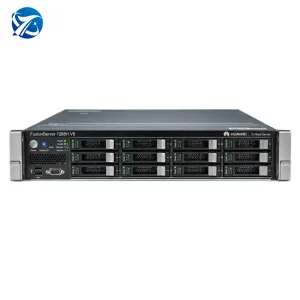
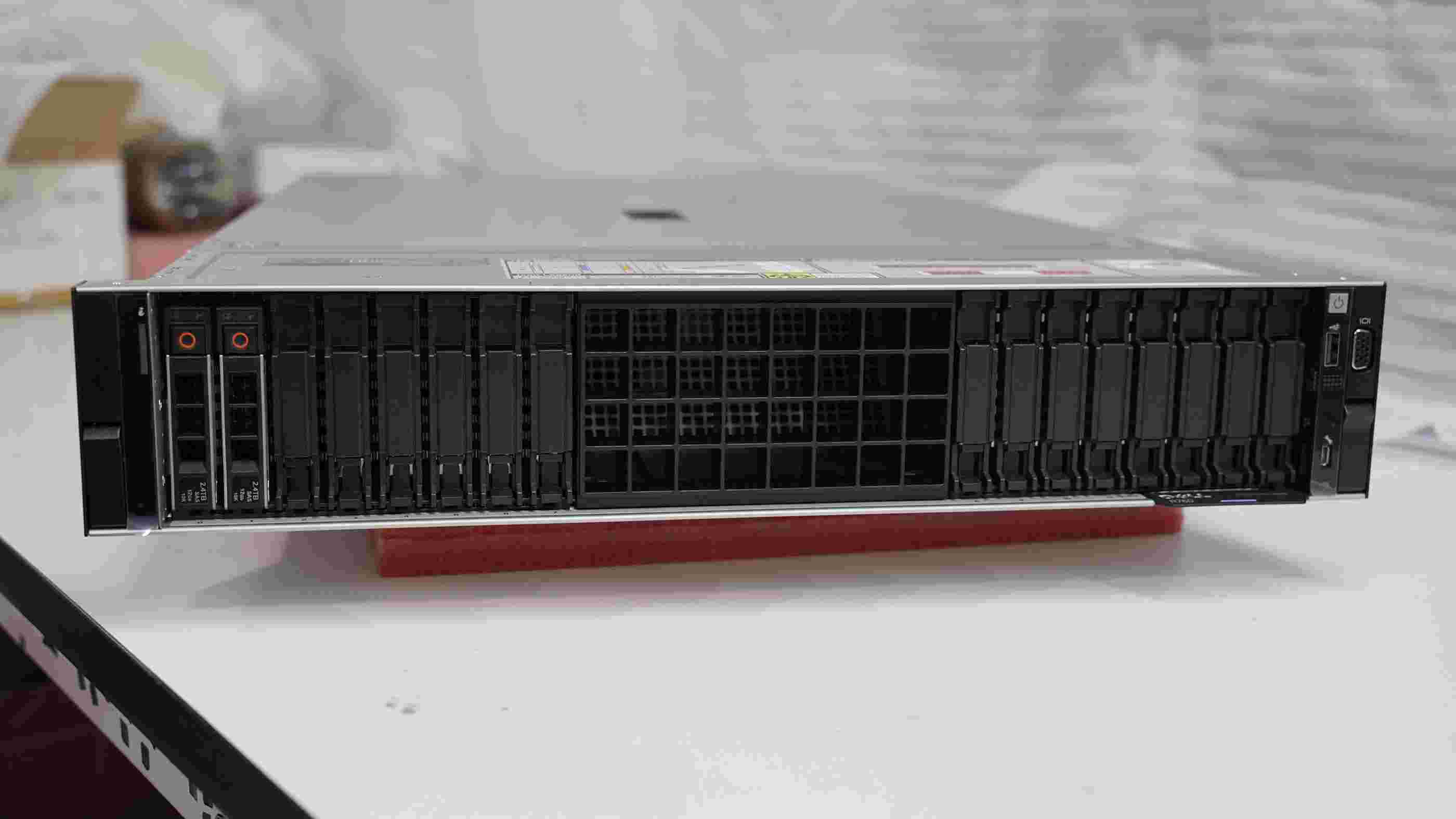
Highly standardized 1U/2U server nodes built for rapid mass assembly. Pre-configured for automated management with customized IPMI firmware, these units provide the bare-metal foundation for virtual machine hypervisors and large-scale container orchestration platforms.
Specifically designed with high-density GPU spacing and direct airflow tunnels to maximize thermal performance. These nodes are optimized for running distributed LLM training, DeepSeek model integration, and complex neural networks.
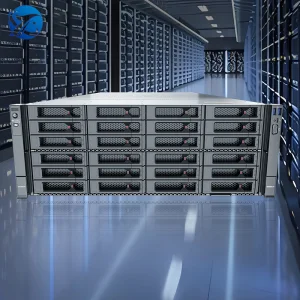
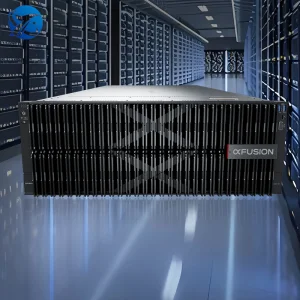
Optimized for enterprise network-attached storage, supporting high-density SAS/SATA/NVMe configurations. Built-in high-throughput array controllers provide robust RAID capabilities (0, 1, 5, 6, 10, 50, 60) for mission-critical databases.
Behind the engineering prowess of Vornaxis Compute Ltd.—your trusted global hardware partner.
Established in 2016, Vornaxis Compute Ltd. (Vornaxis) is a highly specialized AI GPU server manufacturer focused on high-performance computing (HPC) infrastructure, GPU cluster systems, and enterprise-grade AI hardware solutions. Leveraging over 12 years of industry experience and 6 years of global export expertise, Vornaxis designs, manufactures, and validates complex computing solutions for hyperscalers, data centers, and research labs worldwide.
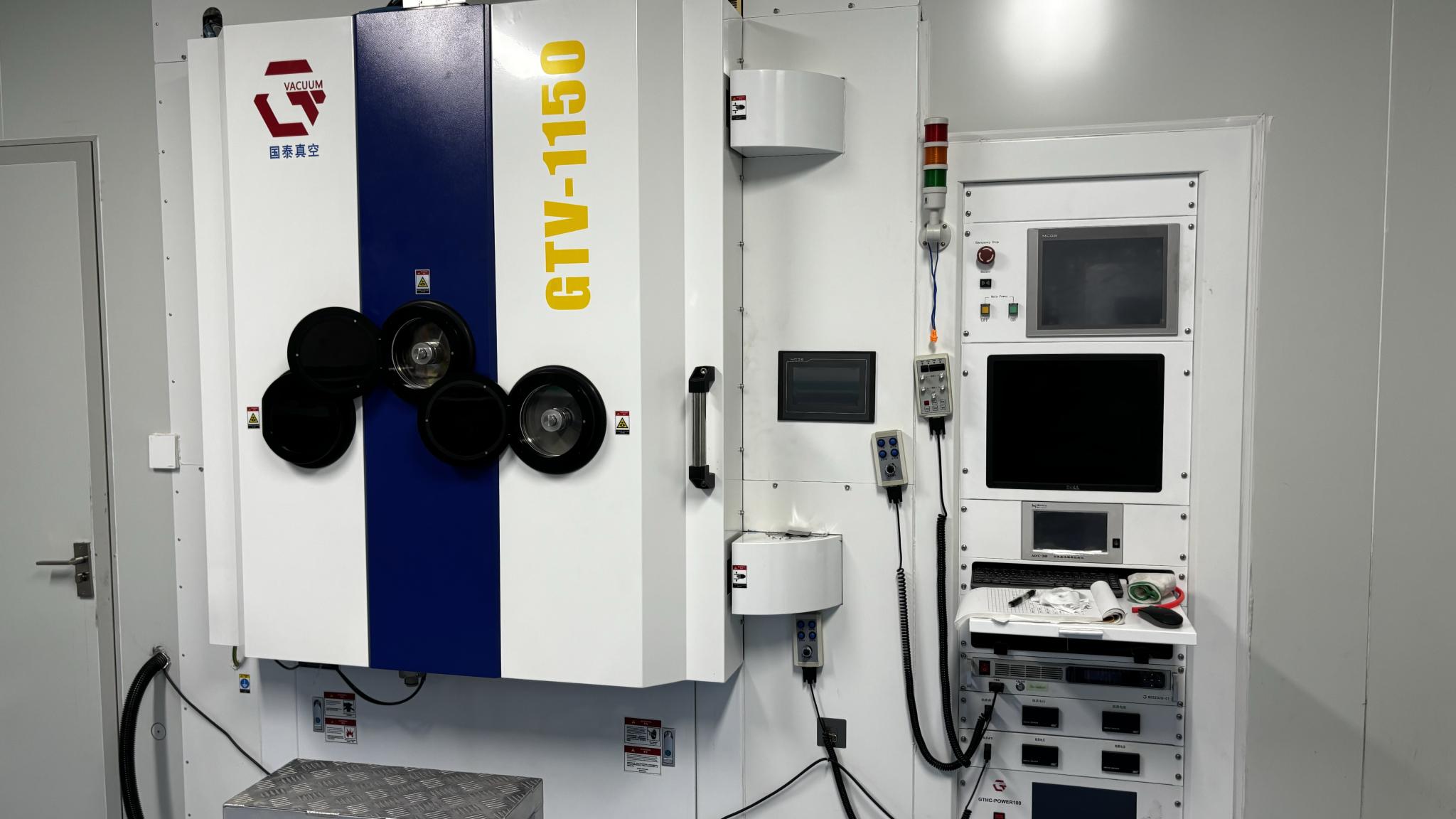
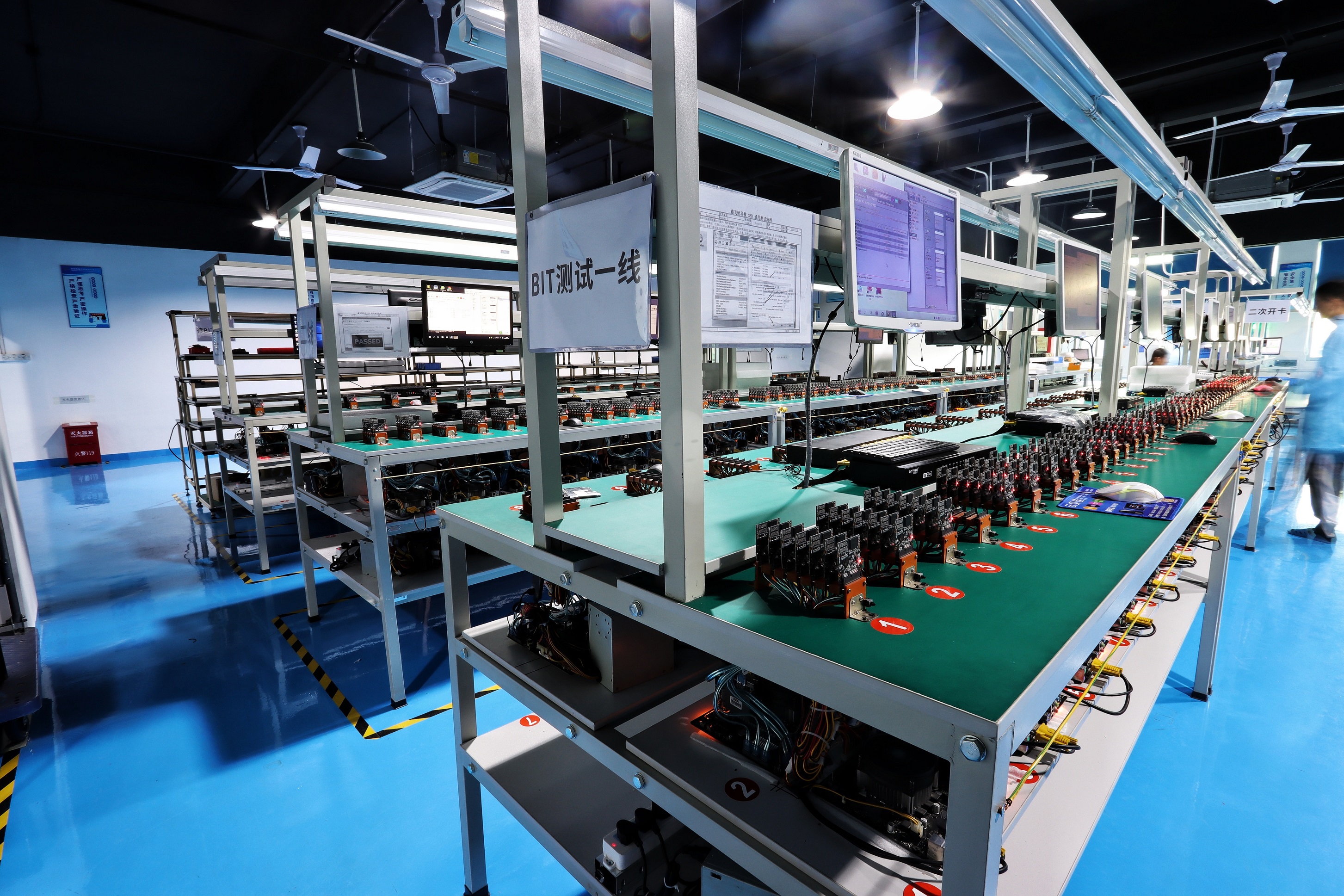
Quality reliability is core to our corporate mission. Our facilities are ISO 9001 certified and RoHS compliant, enforcing stringent end-to-end inspection protocols managed by 45 dedicated quality control professionals. Our validation workflow involves:
Our facility covers an production/office area of 320 m², serving core global markets including North America, Europe, Southeast Asia, and the Middle East. With an extensive footprint of 850 upstream and downstream partners, we assure components availability and rapid build-up capabilities even during supply chain disruptions.

Direct technical responses addressing server customization, exporting logistics, and quality assurance processes.