Vornaxis
Vornaxis
Vornaxis
Enterprise-grade platforms engineered for high-performance computing, virtualization, and complex database workloads.
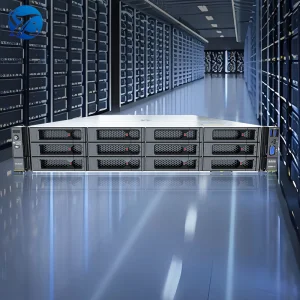
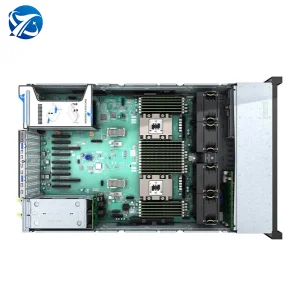
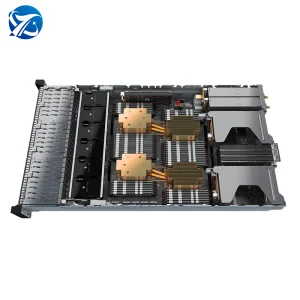
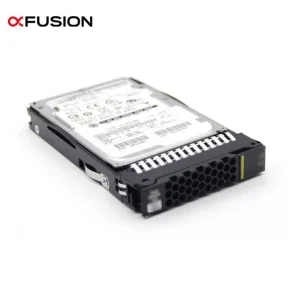
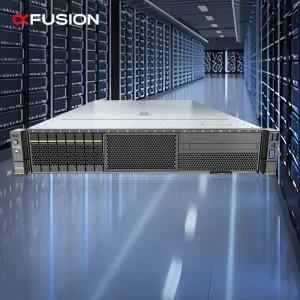
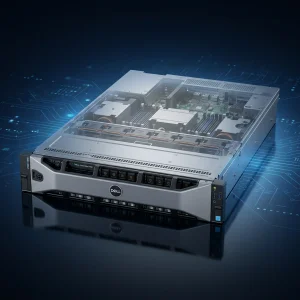
The global enterprise computing landscape is undergoing a massive transformation. The reliance on legacy centralized cloud environments is shifting toward localized, hyper-scalable hybrid deployment models. This evolution is driven by the explosive growth of Generative AI, Large Language Models (LLMs) like DeepSeek, and ultra-high-density storage requirements. Organizations can no longer rely purely on off-the-shelf hyper-scaler VMs. Modern workloads demand physical bare-metal hardware designed specifically for highly optimized, low-latency execution.
As a result, the role of Cloud Computing Resources Factories and OEM/ODM Suppliers has transitioned from mere hardware assembly to specialized co-engineering partners. High-density server platforms, specialized storage clusters, and high-performance network switches form the bedrock of today's digital enterprises. To achieve real efficiency gains, procurement teams and IT architects must examine the underlying silicon engineering, system integration, thermal control designs, and supply chain integrity of their chosen hardware suppliers.
Raw processing power is no longer the sole metric of efficiency. Modern hardware optimization requires micro-architectural alignment, dynamic thermal dissipation, and highly targeted memory interfaces that match specific software algorithmic requirements, such as Mixture of Experts (MoE) neural architectures.
How hardware configuration dictates software capability: A technical analysis of compute density, high-speed interconnects, and cooling engineering.
The progression of multi-core, multi-socket architectures utilizing Intel Xeon Scalable processors (Sapphire Rapids, Emerald Rapids, and beyond) and AMD EPYC platforms. Integrating high TDP compute blocks requires complex power delivery systems (PDU) and localized voltage regulator modules to maintain clock speeds under continuous enterprise-scale execution.
Ultra-fast datapath communication protocols utilizing PCIe 5.0 and the emerging PCIe 6.0 interfaces. These interconnects facilitate native data rates up to 32 GT/s or 64 GT/s per lane, minimizing latency bottle-necks between storage, accelerator cards, and networking fabrics using specialized controller interfaces such as the LSI 9540-8i.
As server components cross the 350W TDP barrier per socket and 700W+ per GPU accelerator, traditional air cooling is reaching physical limitations. Innovations in hybrid liquid cooling, direct-to-chip water cooling loops, and specialized heatsink designs ensure optimal operating temperatures while minimizing cooling overhead power consumption.
China's manufacturing centers have evolved far beyond standard component assembly. Through the implementation of advanced Industry 4.0 methodologies, facilities located in major tech production hubs like Shenzhen, Dongguan, and Suzhou integrate cyber-physical systems, real-time IoT monitoring, and artificial intelligence into the fabrication of cloud infrastructure. This dense regional integration allows for unparalleled agility in prototyping, validation, and mass scaling of server components.
The core strength of the Chinese supply chain lies in its localized horizontal integration. Within a small radius, raw silicon processing, multi-layer high-density PCB fabrication, precision metalwork casing plants, and advanced automated optical inspection (AOI) labs operate in sync. This localized network minimizes lead times for customization, reduces logistics vulnerabilities, and provides massive cost-to-performance efficiency. This enables rapid system modifications, allowing hardware to adapt to shifting structural requirements much faster than traditional production processes allow.
Infrastructure must match the workload it hosts. Implementing sub-optimal hardware leads to computational bottlenecks and high operating costs. Below, we break down how specific server architectures map to primary enterprise application environments:
AI modeling requires continuous tensor operations. Platforms must feature high GPU density, maximized memory bandwidth (HBM3e/DDR5 ECC), and low-latency storage configurations. Hardware optimization for AI architectures (such as DeepSeek-V3 or DeepSeek-R1) relies on maximized PCIe Gen5 pathways and NVLink architectures to handle massive throughput across distributed GPU clusters without performance degradation.
Virtualization and container orchestration (e.g., VMware vSphere, Kubernetes) require compute platforms with high core density, vast physical memory support, and flexible networking interfaces. Multi-socket rack servers equipped with high-speed SmartNICs and robust hardware-level security (such as AMD SEV or Intel SGX) are essential for secure multi-tenant hosting environments.
Data centers managing heavy transactional environments require sub-millisecond access times. Fast read/write NVMe storage arrays handle online transaction processing (OLTP). Conversely, large-scale nearline SAS HDD arrays offer cost-effective, high-capacity, and reliable storage for compliance logs, backup preservation, and historical data archiving.
Evaluating infrastructure requires analyzing Total Cost of Ownership (TCO) across its operational lifecycle. Sourcing teams must look beyond initial hardware acquisition costs. Instead, they should focus on a multi-dimensional metric framework that determines long-term capital efficiency:
| Procurement Criterion | Technical Focus Area | Operational Impact |
|---|---|---|
| Power Usage Effectiveness (PUE) Alignment | Power supply efficiency metrics (80 Plus Titanium certification, smart firmware-based fan control maps). | Substantially lowers ongoing datacenter electricity overhead and cooling costs. |
| Open Architecture Integration | Compliance with Open Compute Project (OCP) design standards, IPMI 2.0, Redfish API, and standard rack rails. | Eliminates proprietary vendor lock-in; simplifies deployment in mixed server fleets. |
| OEM/ODM System Customization | Component-level flexibility (specific memory rankings, BIOS/UEFI firmware branding, and custom board layouts). | Ensures hardware is precisely configured to meet target application profiles. |
| Lifecycle & Sparing Support | Guaranteed component availability window (typically 5+ years) and hot-swappable replacement parts. | Reduces Mean Time to Repair (MTTR) and prevents premature hardware obsolescence. |
Deploying hardware internationally requires strict adherence to regional regulatory frameworks and certification standards. Cloud infrastructure must carry appropriate electrical, environmental, and safety marks to pass customs and operate in commercial environments. These include CE (European Conformity), FCC (Federal Communications Commission) for electromagnetic compatibility, RoHS (Restriction of Hazardous Substances), and UL (Underwriters Laboratories) safety listings.
In addition, data security laws like GDPR in Europe and HIPAA in healthcare environments demand robust data-at-rest encryption. Systems must support secure elements at the motherboard level, including TPM 2.0 modules and secure boot protocols. Suppliers must guarantee that firmware updates are cryptographically signed and delivered through secure distribution channels to prevent compromised BIOS payloads from entering production environments.
An analytical profile of Vornaxis Compute Ltd., detailing engineering capabilities, quality management, and global trade operations.
Vornaxis Compute Ltd. (Vornaxis) is an export-oriented OEM/ODM manufacturer specializing in high-performance computing infrastructure, custom GPU cluster systems, and enterprise-grade server hardware. Established in 2016, Vornaxis has built a reputation for designing and integrating scalable systems tailored for high-density artificial intelligence, deep learning workloads, and private cloud data centers.
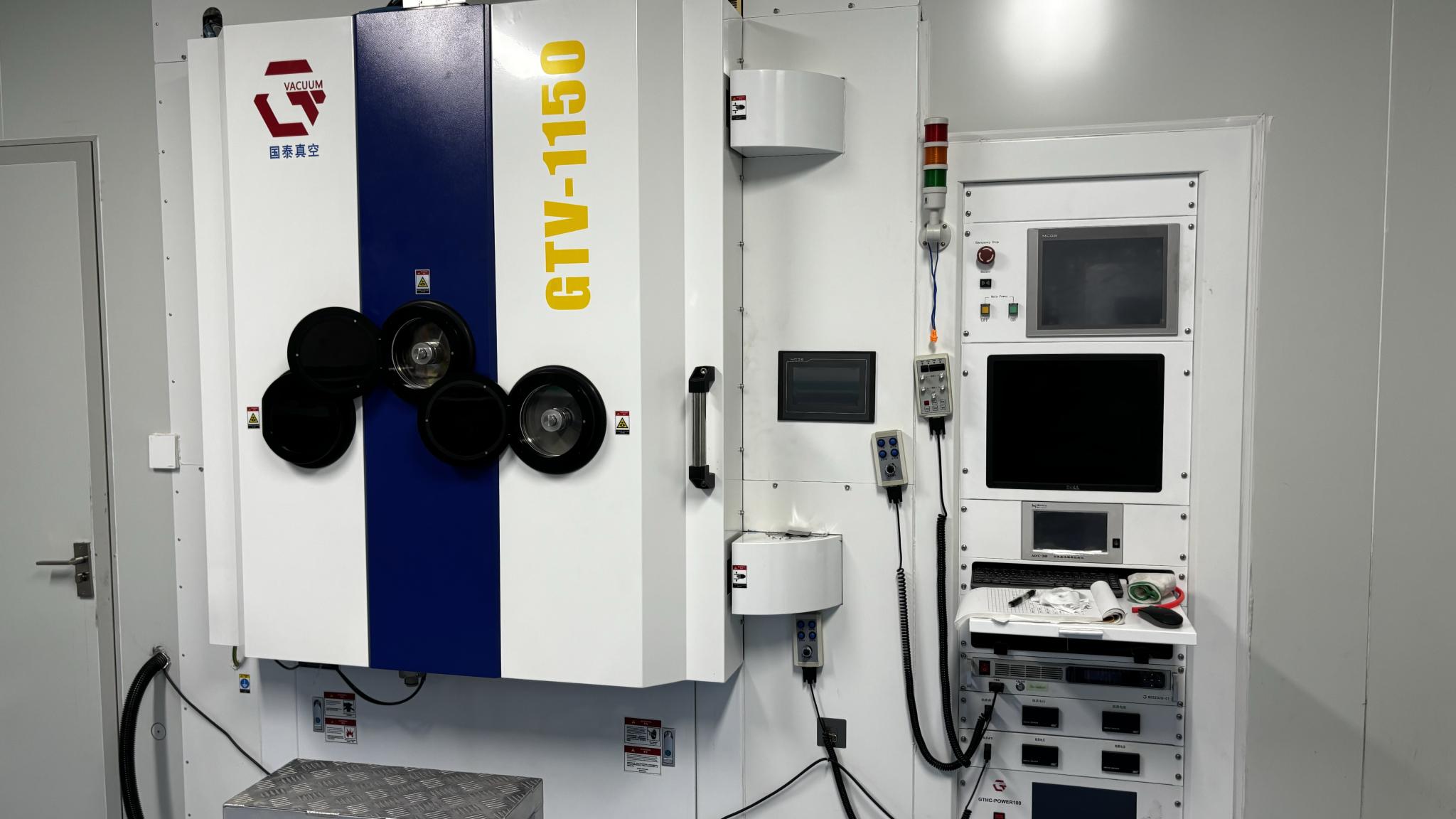
Operating out of an advanced 320 m² micro-integration, rapid prototyping, and quality assurance facility, the company leverages 12 years of industry experience. This foundation enables them to bridge the gap between high-level architectural requirements and physical hardware implementation. With an engineering team of 160 specialized system, thermal, and firmware designers, Vornaxis introduces approximately 120 new products and system iterations annually to keep pace with changing technologies.
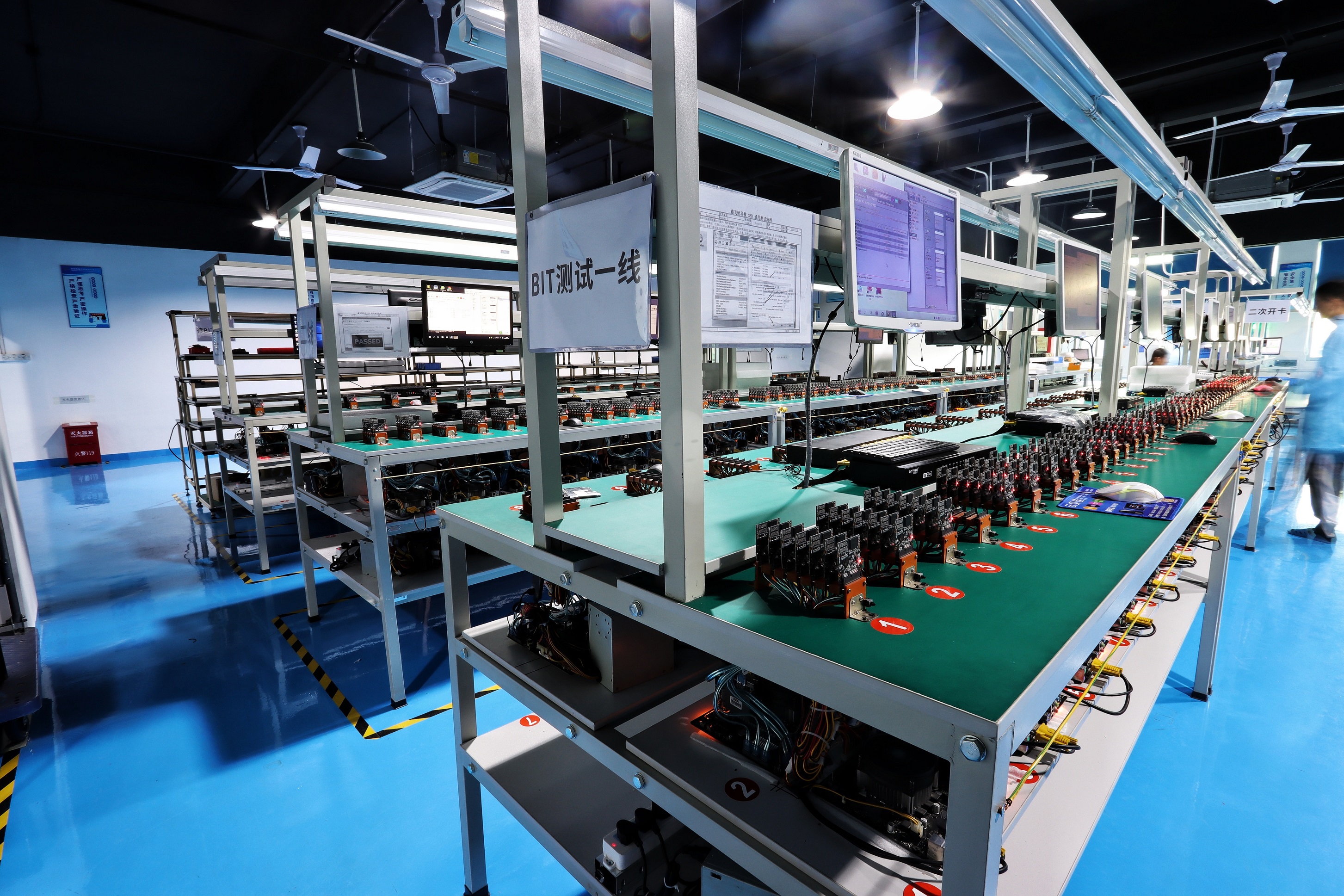
Vornaxis maintains strict manufacturing standards, operating under full ISO 9001 quality management certification. The testing methodology includes Automated Optical Inspection (AOI), multi-point functional verification, thermal cycling validation, and extended system burn-in stress testing prior to packaging. This process is managed by a dedicated team of 45 quality control professionals. All systems comply with RoHS standards, ensuring they meet the environmental criteria required for global markets.
| Company Website | www.vornaxiscompute.com |
| Registration Date | 2016 |
| HQ Facility Area | 320 m² |
| Annual Export Revenue | USD 18.6 million |
| Export Experience | 6 Years |
| Industry Experience | 12 Years |
| R&D Engineers | 160 Professionals |
| QC Staff | 45 Professionals |
| Global Partners | ~850 Partners |

Direct answers to core architectural and procurement alignment questions from enterprise infrastructure buyers.
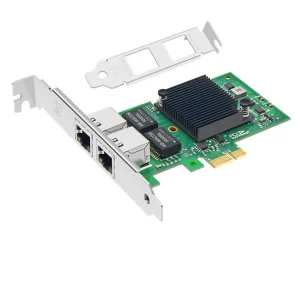
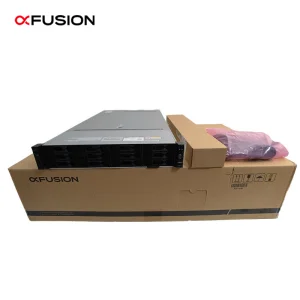
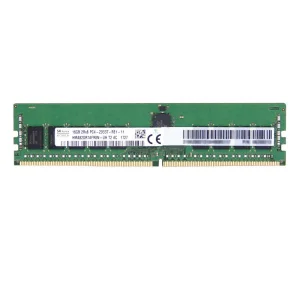
Specialized switches, controllers, memory upgrades, and high-density GPU platforms designed for infrastructure expansion.