Vornaxis
Vornaxis
Vornaxis
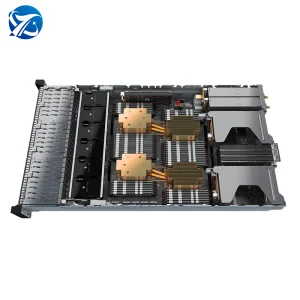
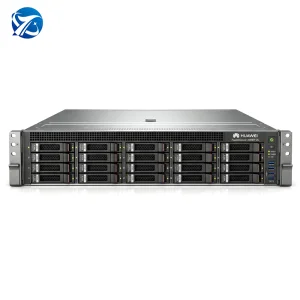
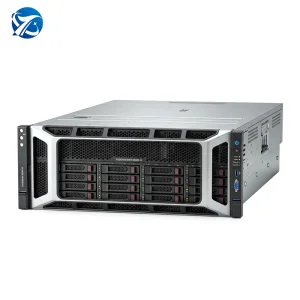
Understanding the shifts in hyperscale procurement, chiplet-based fabrication, and the strategic positioning of global OEM/ODM manufacturers.
The global demand for high-density computing infrastructure is undergoing a fundamental transformation. In the era of massive large language models (LLMs) like DeepSeek, GPT-4, and Llama 3, the metric of success for modern enterprise data centers has shifted from simple CPU execution paths to highly parallelized, GPU-accelerated computing pipelines. Global enterprises and public cloud service providers (CSPs) are scaling up workloads that require millions of TFLOPs of raw compute power, driving unprecedented investments in GPU accelerators and dedicated deep learning servers.
Selecting the right manufacturing partner is not merely a matter of buying hardware; it is a critical optimization challenge involving signal integrity, thermal dissipation capabilities, firmware customization, and supply chain resiliency. Original Design Manufacturers (ODMs) and high-level systems integrators sit at the center of this transformation, working directly with tier-1 silicon fabs and packaging houses to assemble rack-scale nodes optimized for continuous, mission-critical computation.
Modern procurement demands modular, multi-GPU form factors (SXM5, OAM, and PCIe Gen5/Gen6 slots) that scale dynamically to handle mixed AI workloads, from low-latency edge inference to massive foundation model training clusters.
With individual accelerators surpassing 700W to 1000W TDP, structural thermal architecture, cold plate loops, and liquid-to-liquid heat exchangers are no longer optional—they are core engineering requirements.
Hardware-level trust roots (RoT), secure boot protocols, OpenBMC infrastructure integration, and custom BIOS tuning ensure platforms perform reliably under high-stress mathematical model iterations.
A comparative overview of the manufacturers shaping hyperscale AI infrastructures and custom server clusters in 2025.
The manufacturing ecosystem for high-performance GPU systems is highly concentrated, consisting of tier-one ODMs, long-standing industrial server brands, and high-performance engineering specialists. Understanding the unique technological strengths, manufacturing capacities, and specialization vectors of these key factories is vital for enterprise supply chain security and architecture design.
Specialization: Custom AI GPU servers, ultra-dense liquid-cooled systems, and rack-level hardware acceleration integrations.
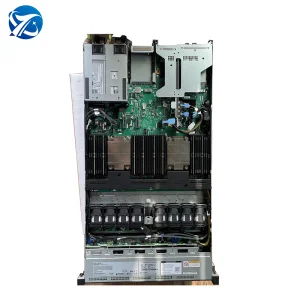
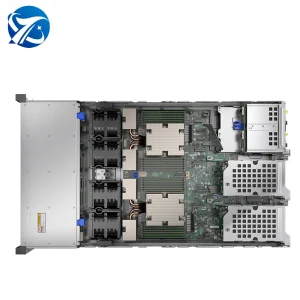
Vornaxis is an agile systems integrator and manufacturer specializing in bringing custom layout configurations and advanced thermal architectures to AI startups and enterprise research centers globally.
Specialization: Standardized enterprise-grade rack servers, multi-GPU systems with global support footprints.
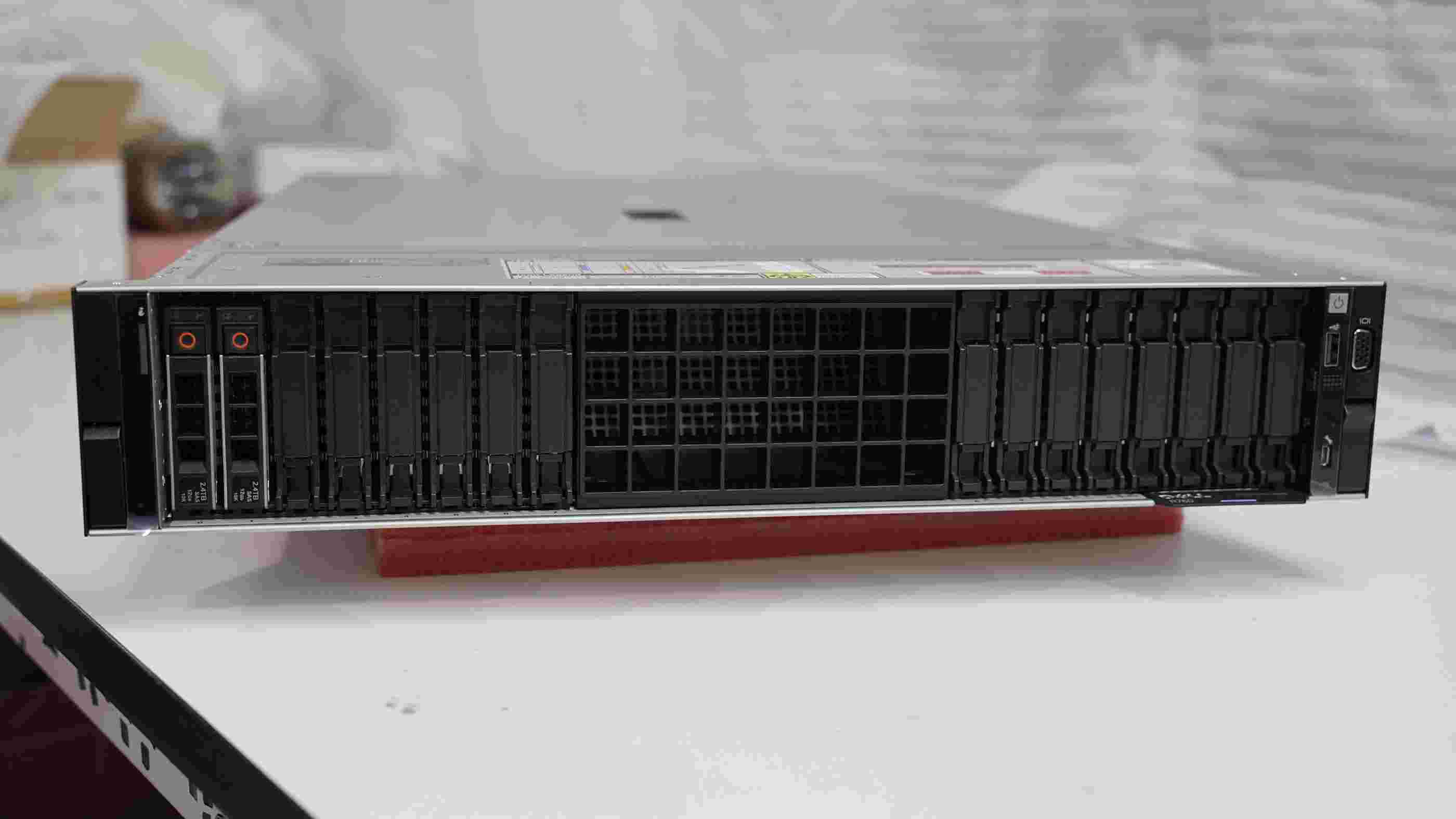
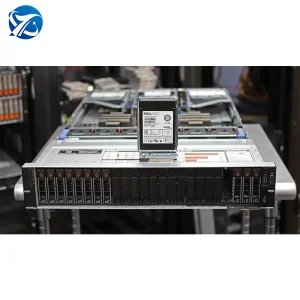
Renowned for platforms like the PowerEdge R750 and R760 series, Dell brings massive institutional support, standardized enterprise manageability (iDRAC), and robust global hardware logistics.
Specialization: Hyperconverged infrastructure (HCI) and high-density, energy-efficient storage-compute hybrid servers.
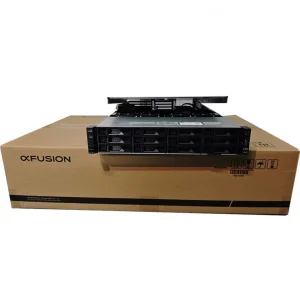
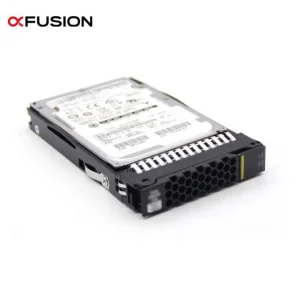
With their signature FusionServer series, xFusion offers elite systems optimized for heavy business analytics, complex ERP platforms, and cloud virtualization layers.
Specialization: Unified enterprise IT architectures, high-performance switches, and deep datacenter integration.
H3C links advanced core switching backbones with multi-socket GPU architectures, serving as a pillar for tier-1 telecommunications networks and smart city infrastructures.
Specialization: Hyperscale cloud datacenter platforms and massive AI supercomputing racks.
Inspur has long focused on open-source computing modules and huge multi-GPU configurations, provisioning many of the world's largest web portals and search platforms.
Specialization: Building-block architecture options, liquid-cooled racks, and high-frequency hardware updates.
Their modular server components enable rapid hardware iterations, making them a preferred partner for immediate deployments of newly announced GPU generations.
Specialization: OEM hyperscale design, custom chassis fabrication, and tier-1 hyper-scaler platforms.
As a premier Taiwanese ODM, Quanta designs and fabricates massive rack-scale units for public cloud providers, optimizing specifically for scale-out workloads.
Specialization: High-volume global manufacturing, micro-component assembly, and bare-metal server boards.
Foxconn represents the structural backbone of consumer and enterprise electronics assembly, possessing massive facilities capable of raw board manufacturing at global scale.
Specialization: OCP-compliant hardware architecture, energy efficiency, and hyper-scalable cloud solutions.
Focusing intensely on OCP (Open Compute Project) specifications, Wiwynn customizes system topologies to minimize power overhead and cooling costs inside multi-MW facilities.
Specialization: Highly customizable server mainboards, edge AI appliances, and GPU dense setups.
Known for their thermal flexibility and BIOS level optimizations, Gigabyte systems support diverse multi-accelerator configurations (AMD Instinct, NVIDIA Tensor Core, and Intel Xe platforms).
Vornaxis Compute Ltd. is a professional AI GPU server manufacturer specializing in high-performance computing infrastructure, GPU cluster systems, and enterprise-grade AI hardware solutions for global data center deployments. From deep firmware optimizations to advanced rack-scale thermal management systems, Vornaxis addresses the complex operational pain points of modern artificial intelligence deployment.
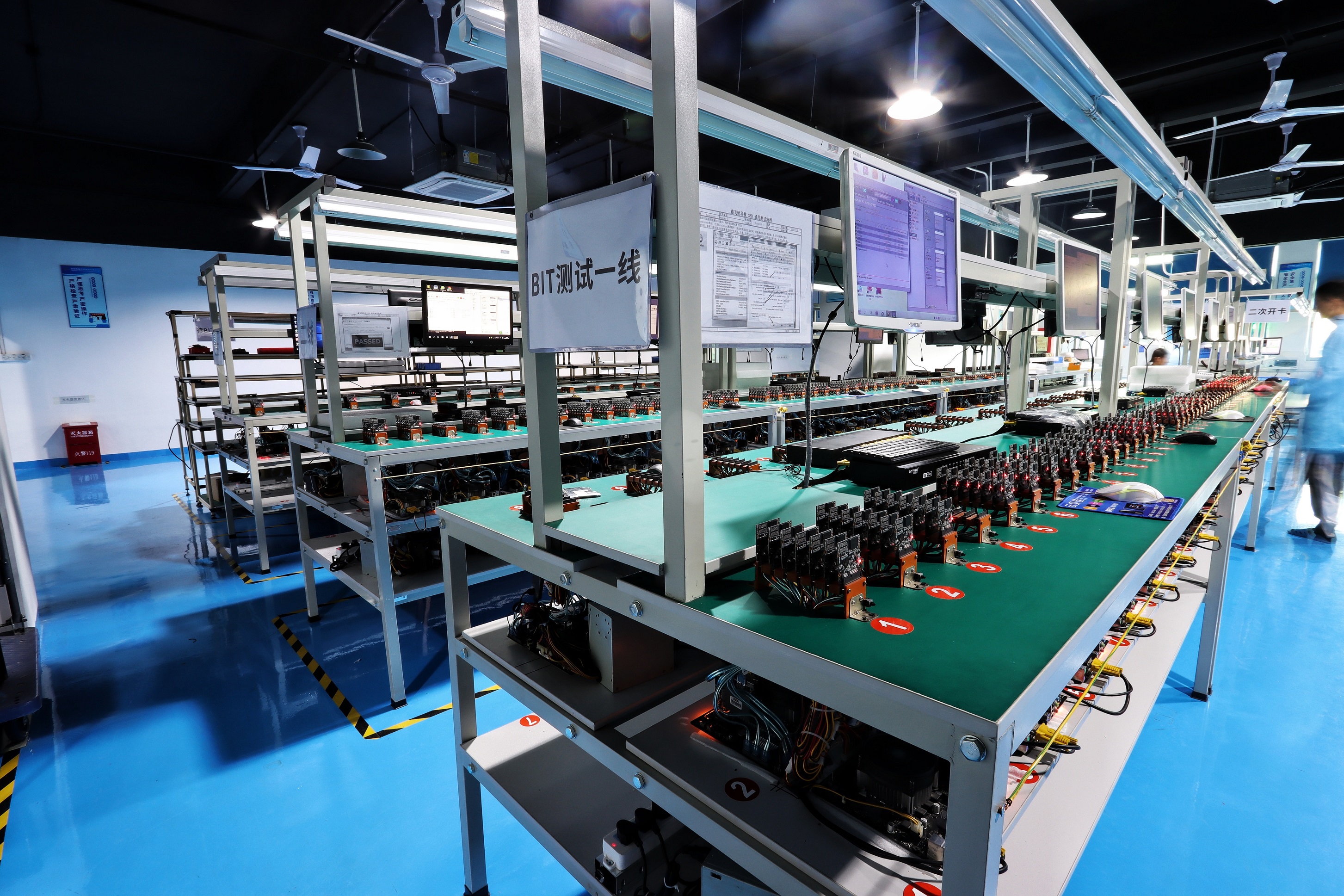
Certified to ISO 9001 standards and fully RoHS compliant. Every platform undergoes full-system burn-in validation, AOI (Automated Optical Inspection), thermal cycle chamber testing, and electrical stress testing to ensure the highest hardware reliability.
Flexible ODM/OEM pipelines optimized for rack-level system configurations, multi-GPU topology configurations, hybrid liquid/air-cooling loops, and firmware modifications (BMC/BIOS) for high-performance computing clusters.
Proudly serving regional tier-2 cloud service providers (CSPs), high-performance computing (HPC) research labs, enterprise IT systems integrators, and fast-growth AI startups running specialized models.
The evolutionary path of high-density accelerators, network topologies, and liquid cooling ecosystems over the next decade.
Transitions to PAM4 signaling systems for bandwidth expansions. Hardware platforms are specifically modified for dynamic partitioning of compute nodes (MIG/vGPU) to run highly localized DeepSeek models and small-scale inferencing chains natively on edge servers.
As standard accelerators reach 1000W+ TDP limits, air-cooled options will retire in primary data centers. Factories will shift to integrated dry-break cold-plate loops on GPU cores, transitioning heat directly to facility cooling fluid loops without ambient air loss.
Optical interconnect systems replace copper cables directly at the PCIe slot and board level. GPU-to-GPU communications bypass traditional network overhead, creating unified warehouse-scale computing clusters running on shared memory architectures.
How modern enterprises match GPU accelerator platforms with production environments.
Industrial solutions using GPU accelerators require deep matching between software layers and bare-metal capability. System latency, fabric architecture, and flash storage performance are just as critical as the accelerators themselves.
Requires high-speed GPU-to-GPU fabrics (like NVLink or Infinity Fabric) and ultra-high bandwidth network interface cards (NICs) configured for RoCE v2 or InfiniBand, enabling massive parameter models to execute synchronous parameter updates without processing delays.
Optimized for cost-per-stream metrics. These workloads run best on energy-efficient accelerators with dedicated hardware decoders, fast INT8/FP4 math engines, and high-density local PCIe slots for scale-out microservice deployments.
Critical for training sets containing millions of images, video streams, or transactional histories. Integrates high-performance PCIe SSD storage directly alongside GPU clusters to achieve near-instantaneous memory loads, avoiding bottlenecks during model training iterations.
Ensuring hardware long-term reliability and compliance in complex international trade environments.
Deploying AI clusters involves navigation of complex international regulations, export control classifications, and regional standards. Hardware manufacturers must maintain rigorous compliance controls, including RoHS environmental directives, CE/FCC EMC certifications, and strict export compliance protocols.
Equally important is post-sales engineering support. Vornaxis Compute Ltd. and our alliance partner networks deliver comprehensive SLA-backed replacement programs, localized engineering presence, and remote BMC monitoring tools to minimize server downtime and optimize total cost of ownership (TCO).
Answering the primary operational, thermal, and procurement inquiries of global IT directors and platform architects.