Vornaxis
Vornaxis
Vornaxis
High-density computing servers and storage engines optimized for remote backup workloads
In the era of hyper-scale operations and artificial intelligence, data has shifted from a transaction record to the lifeblood of global enterprises. The deployment of modern remote backup solutions is no longer merely an IT compliance checkbox; it is a foundational component of Business Continuity and Disaster Recovery (BCDR) strategies. Organizations face unprecedented pressures from sophisticated cyber threats such as multi-tiered ransomware attacks, while concurrently dealing with staggering data generation rates driven by IoT, edge computing, and distributed AI models.
Historically, remote backup relied on magnetic tape transportation or basic cold storage mirroring. Today, the sector is dominated by hybrid architectures combining on-premise compute nodes with high-speed offsite cloud targets. As data volumes surge, the demand for underlying bare-metal hardware—such as dense storage arrays, NVMe solid-state systems, and high-throughput HBA interfaces—has skyrocketed. Solution suppliers must design systems capable of sustaining high-throughput ingest rates while ensuring minimal Recovery Time Objectives (RTO) and Recovery Point Objectives (RPO).
Modern remote systems use high-performance hardware, including GPU clusters and multi-socket CPUs, to execute inline global deduplication at scale, reducing bandwidth and storage footprint by up to 90%.
Implementing immutable snapshot architectures at the hardware firmware level prevents ransomware from encrypting critical backup sets, establishing a reliable last line of defense.
Direct fabric connections between on-premise hardware controllers and remote hyperscalers facilitate instant recovery pipelines and geo-redundant storage options.
The success of any remote backup software suite depends on the underlying bare-metal compute infrastructure. Enterprise-grade replication workloads require high-bandwidth network connectivity, robust NVMe solid-state tiering, and massive multi-threaded processing power. For example, executing continuous real-time backup across hundreds of remote branch offices demands dedicated network interface cards (NICs), Host Bus Adapters (HBAs), and multi-channel system memory to prevent I/O bottlenecks.
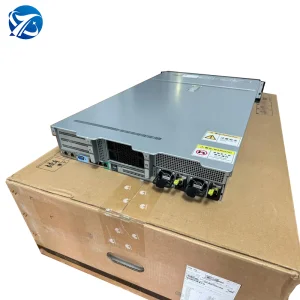
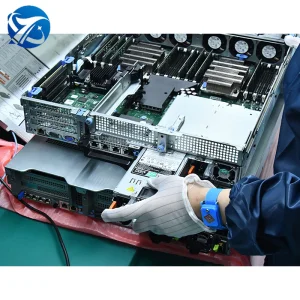
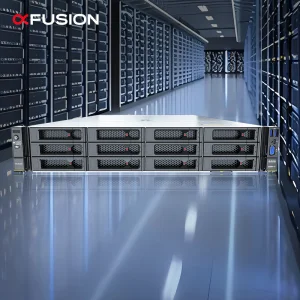
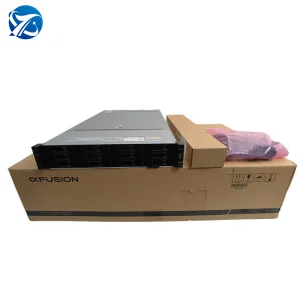
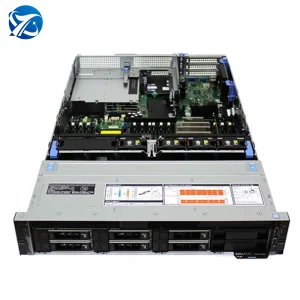
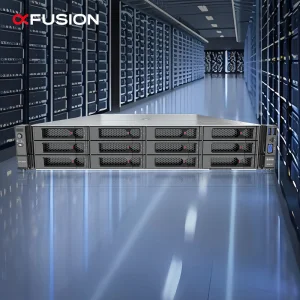
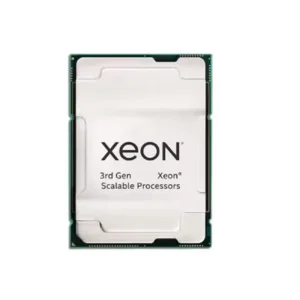
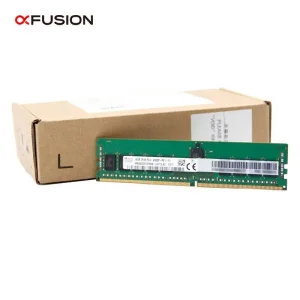
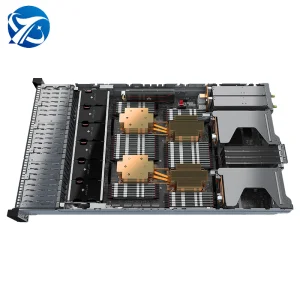
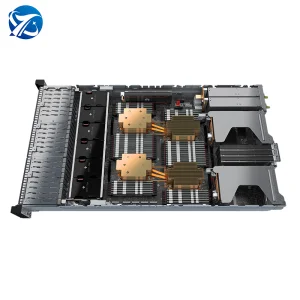
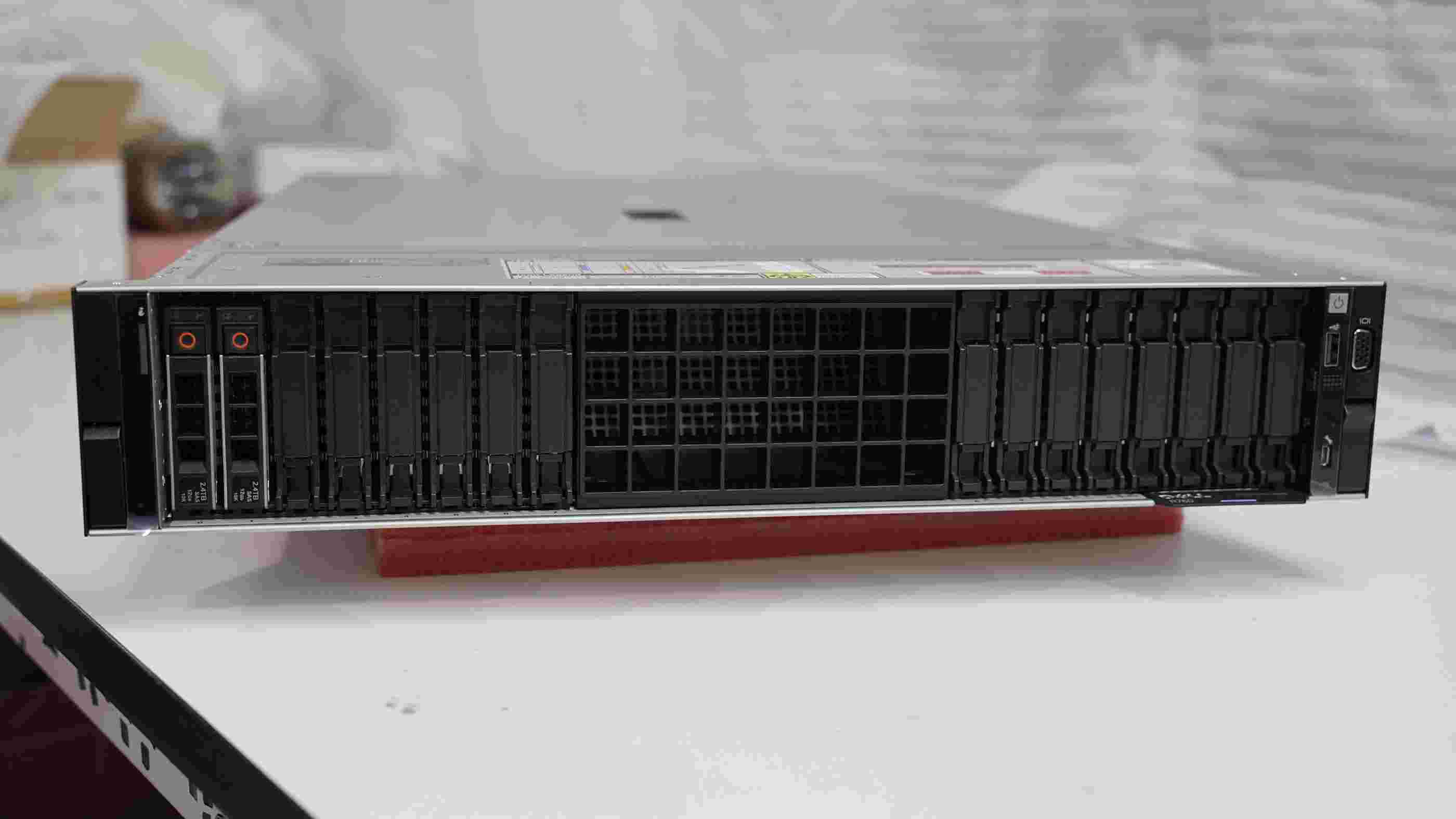
Modern server systems, such as the xFusion FusionServer and Dell PowerEdge platforms, are purpose-built to act as the primary hardware targets for remote backup software. By leveraging multi-core Intel Xeon processors and enterprise RDIMM memory with ECC error correction, these servers validate data integrity on-the-fly, preventing silent data corruption (bit rot).
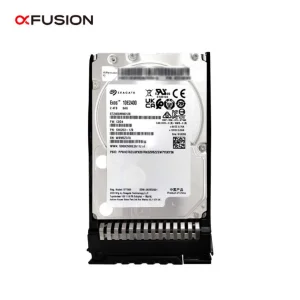
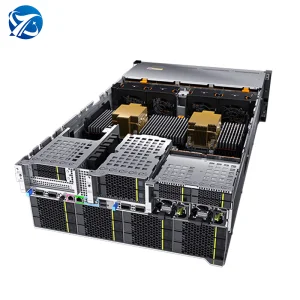
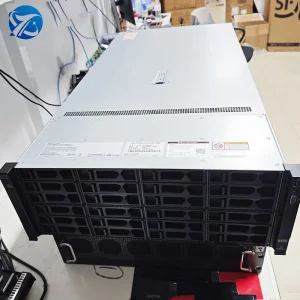
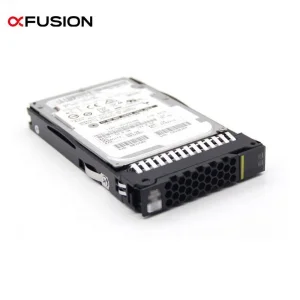
To optimize data center footprints, manufacturers design servers that support up to 36 drive bays in a 4U rack format, accommodating high-capacity SATA/SAS enterprise hard drives alongside ultra-fast NVMe read-write hybrid SSDs. This tiering structure allows the backup target to store hot, frequently accessed metadata on solid-state drives, while archiving cold backup data to lower-cost, high-density spindle disks.
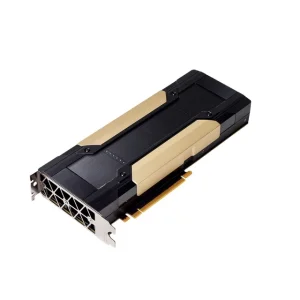
Encrypting remote backups (both in transit and at rest) is critical for security compliance. However, processing AES-256 encryption at scale places a heavy load on standard CPU cycles. The integration of high-performance PCIe accelerators, such as enterprise-class GPUs (e.g., NVIDIA V100) and specialized hardware accelerators, assists in offloading cryptographic calculations, ensuring that live system performance remains uncompromised during backup windows.
| Hardware Component | Role in Remote Backup | Key Requirement |
|---|---|---|
| Enterprise Servers | Data ingestion, deduplication compute, virtualization hosting | Multi-socket Intel/AMD, up to 12x 3.5" or 36x 3.5" bays |
| NVMe/SATA SSDs | Cache tier, metadata indexing, high-speed restore boot targets | Read/Write Hybrid, high DWPD (Drive Writes Per Day) |
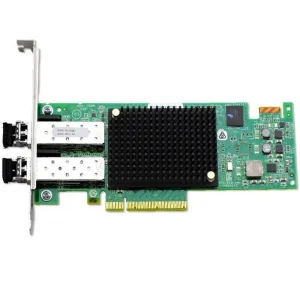
| HBA Cards | High-throughput connection to SAN/NAS networks | 32Gb/s SFP28, PCIe 4.0 x8 backward compatible |
| DDR4/DDR5 RAM | Buffering data packets, holding live deduplication tables | ECC (Error-Correcting Code) support, high-frequency RDIMMs |
Vornaxis Compute Ltd. (Vornaxis) is a professional AI GPU server manufacturer specializing in high-performance computing infrastructure, GPU cluster systems, and enterprise-grade AI hardware solutions for global data center deployments. Since its registration in 2016, Vornaxis has built a reputation for delivering reliable, scalable, and high-performance server platforms that power modern remote backup architectures and high-density computing workloads.
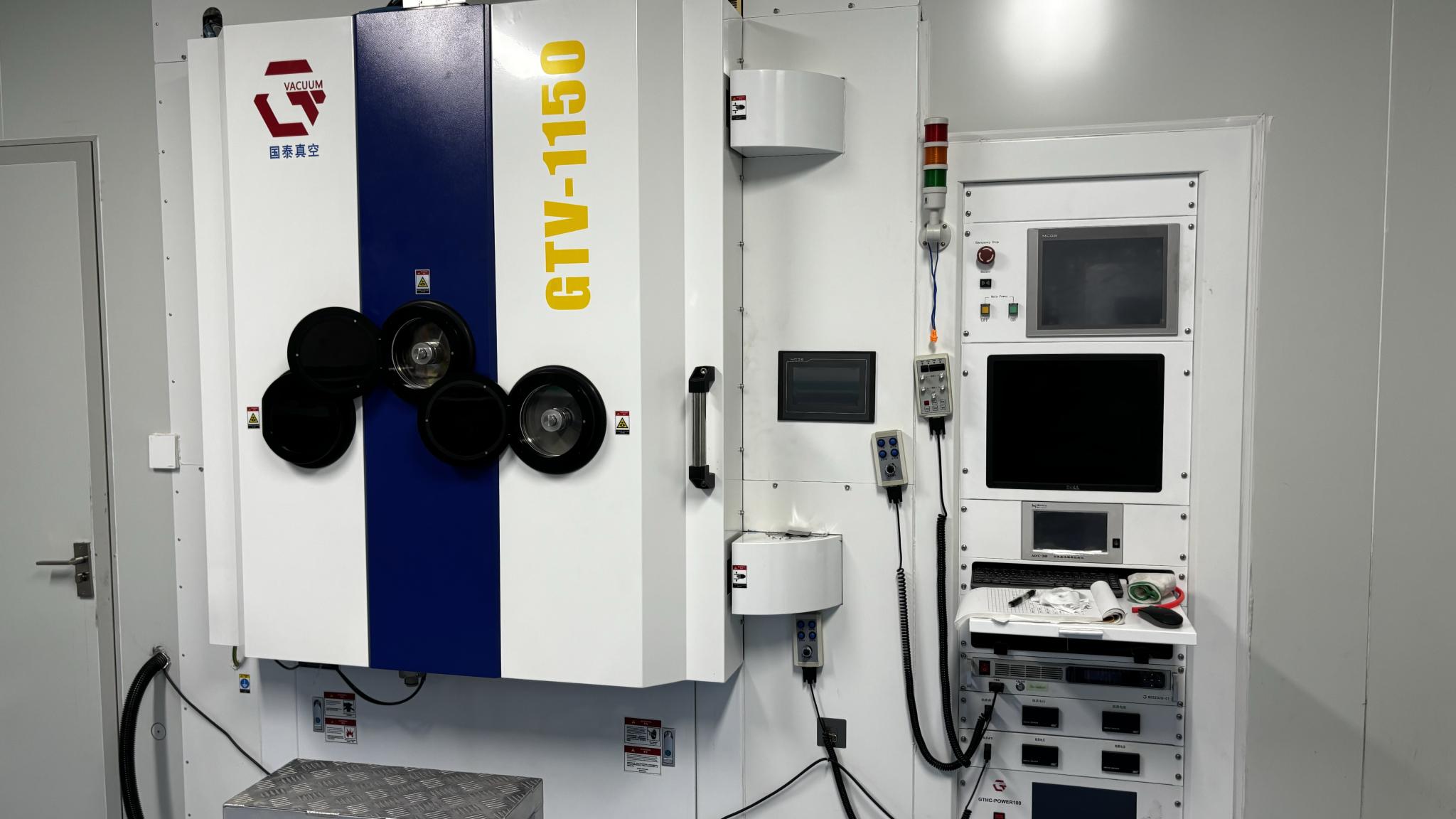
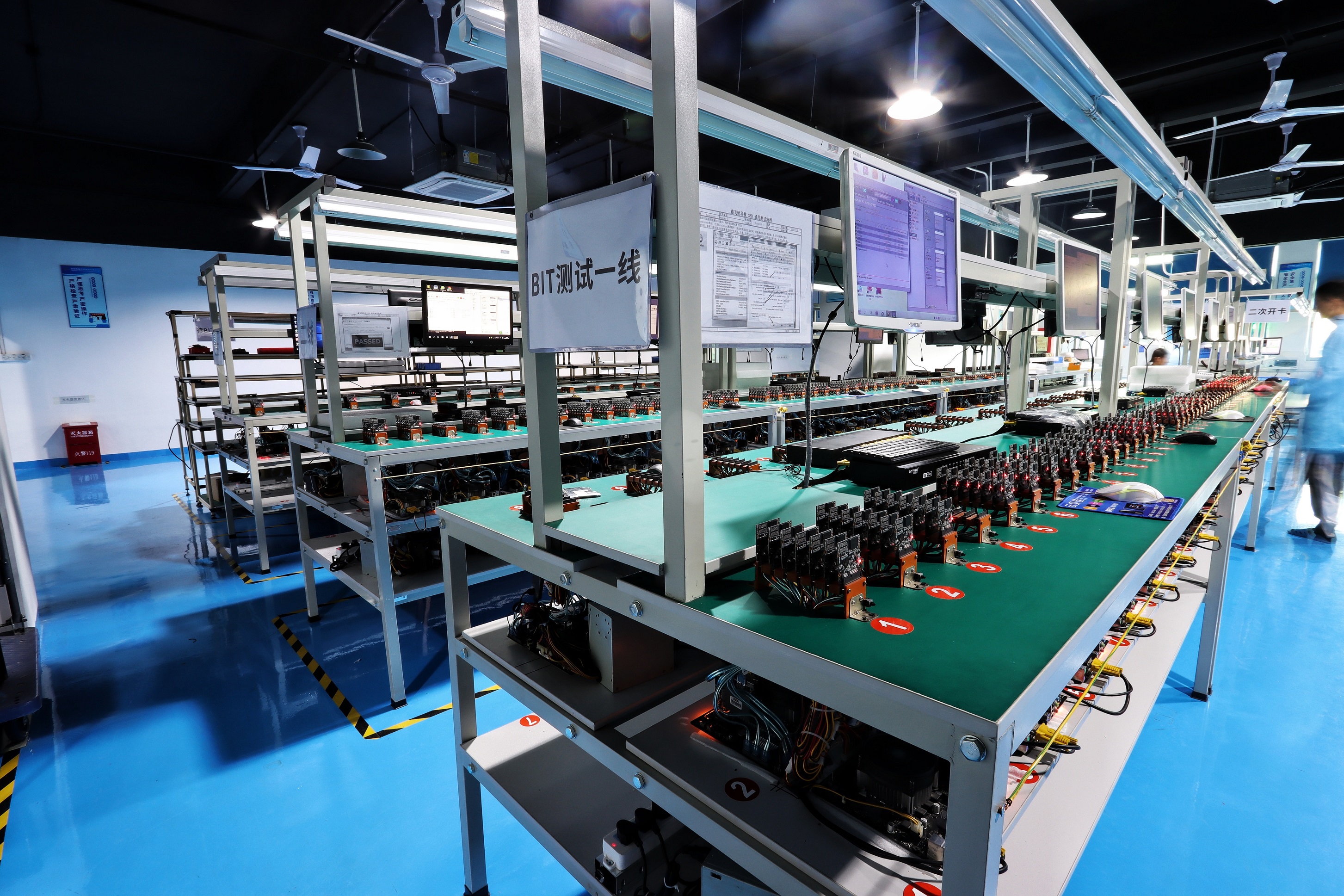
Vornaxis maintains strict manufacturing processes inside its 320 m² state-of-the-art facility. Every server, storage unit, and GPU cluster node undergoes comprehensive validation before deployment.
With an engineering team of 160 professionals, Vornaxis designs and optimizes server components to align with enterprise backup and AI storage applications.

Contact Vornaxis Compute Ltd. | Website: www.vornaxiscompute.com | Global OEM/ODM hardware supply partner for system integrators, data centers, and enterprise IT providers.
Choosing the right remote backup supplier requires looking beyond capacity and price. Decision-makers must evaluate vendors based on their integration capabilities, data reduction ratios, hardware performance, and adherence to security standards. Below is an architectural breakdown of the components that define a premier remote backup hardware supplier:
Enables write-once-read-many (WORM) storage, ensuring backup sets cannot be deleted, altered, or overwritten within a user-defined retention period, offering protection against ransomware.
Inline block-level deduplication and data compression minimize network bandwidth usage and reduce the total storage footprint in high-volume environments.
Direct API integration with VMware ESXi, Microsoft Hyper-V, and Linux KVM enables agentless backups and quick recovery of virtual machines.
Runs a failed VM directly from the compressed backup storage target in minutes, minimizing business downtime during primary system failures.
Supports flexible configurations (1-to-1, many-to-1, or cascading replication) to mirror backups across local, remote, and cloud endpoints.
Utilizes hardware-accelerated AES 256-bit encryption in-transit and at-rest, combined with role-based access control and multi-factor authentication (MFA).
Organizations operating in multiple jurisdictions must navigate a complex regulatory landscape. Data protection laws, such as GDPR (General Data Protection Regulation) in the European Union, HIPAA (Health Insurance Portability and Accountability Act) in the United States, and national sovereignty guidelines, dictate how and where personal data is stored, processed, and backed up.
Remote backup hardware suppliers play a key role in compliance. Systems must support regional data pinning, allowing administrators to restrict backups to specific geographic zones. Additionally, hardware-level logging and audit trails help organizations demonstrate compliance during security reviews.
Vornaxis partners with global system integrators to ensure hardware platforms comply with regulatory demands. This includes providing firmware modifications to support specific encryption protocols and enabling secure remote management through integrated BMC controllers without exposing client networks.
Hardware failures at remote locations require fast intervention. Top-tier suppliers offer comprehensive Service Level Agreements (SLAs), including Next Business Day (NBD) parts replacement and on-site technician support. By maintaining a network of global parts depots, suppliers ensure that critical components like SSDs, RAM modules, and power supplies are delivered promptly, keeping backup architectures operational.
The backup industry is moving away from passive data archiving toward intelligent, active recovery systems. The integration of artificial intelligence and machine learning is changing how companies secure their data assets. In these modern environments, backup servers do not simply wait to receive data packets; they actively analyze stream telemetry to identify anomalies, forecast storage capacity needs, and detect potential ransomware behaviors in real time.
Analyzing file change rates and entropy dynamically detects ransomware-like activity, automatically isolating affected systems and flagging clean recovery points.
Machine learning models predict data access patterns to move backups between warm, cold, and archive tiers, optimizing cloud storage costs.
Advanced systems automatically boot VMs in sandbox environments to verify system integrity and test recovery points, ensuring reliable restore capabilities.
Hardware manufacturers are responding to these software advancements by integrating AI-focused hardware accelerators. Modern storage nodes often feature high-performance processors and server memory architectures (like high-frequency RDIMMs and multi-core Xeon CPUs) to handle the complex workloads of real-time anomaly detection and data scanning without slowing down daily data ingestion processes.
High-durability storage drives, processors, and memory modules for high-availability backup clusters