Vornaxis
Vornaxis
Vornaxis
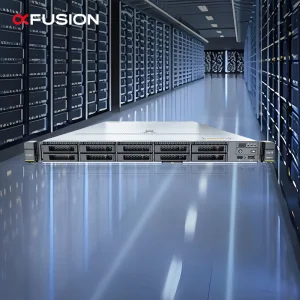
High-efficiency rack solutions configured specifically for Swiss operational standards, combining raw processing power with minimized heat dissipation profiles.
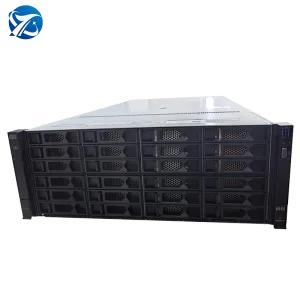
As the digital transformation of continental Europe accelerates, Geneva has solidified its status not just as a hub for global diplomacy and finance, but as a critical node in high-performance computing (HPC) and localized artificial intelligence infrastructure. Driven by organizations such as the European Organization for Nuclear Research (CERN), hundreds of multinational corporations, and highly regulated private banking institutions, the demand for modular, energy-efficient computing platforms has reached unprecedented heights. The transition to the V7 Rack Server architecture represents a paradigm shift in how processing density, hardware security, and thermal dissipation are handled.
The Canton of Geneva operates one of the most sophisticated and highly regulated data center ecosystems in Europe. Due to Swiss geographical space limitations and the strict regulatory frameworks governing data residency, enterprises cannot simply build sprawling hyperscale datacenters. Instead, the focus has shifted toward high-density computing: packing maximum physical CPU cores, GPU accelerators, and high-speed NVMe storage arrays into standard 19-inch racks.
Geneva's energy grids are deeply linked to Switzerland's overall sustainability objectives. Major colocation centers in the Geneva lake area (including facilities in Meyrin, Plan-les-Ouates, and Lancy) are increasingly integrated with district heating networks, such as the GeniLac project, which utilizes water from Lake Geneva to cool data infrastructures. Server deployments in these facilities must support specialized high-temperature water cooling or high-efficiency air cooling systems. The V7 Server Series, configured by Vornaxis, is engineered specifically to align with these thermodynamic environments, reducing cooling overheads by up to 40% compared to legacy architectures.
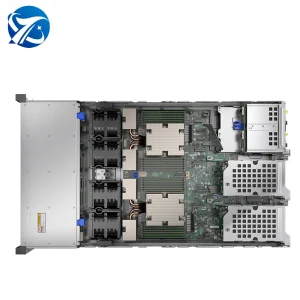
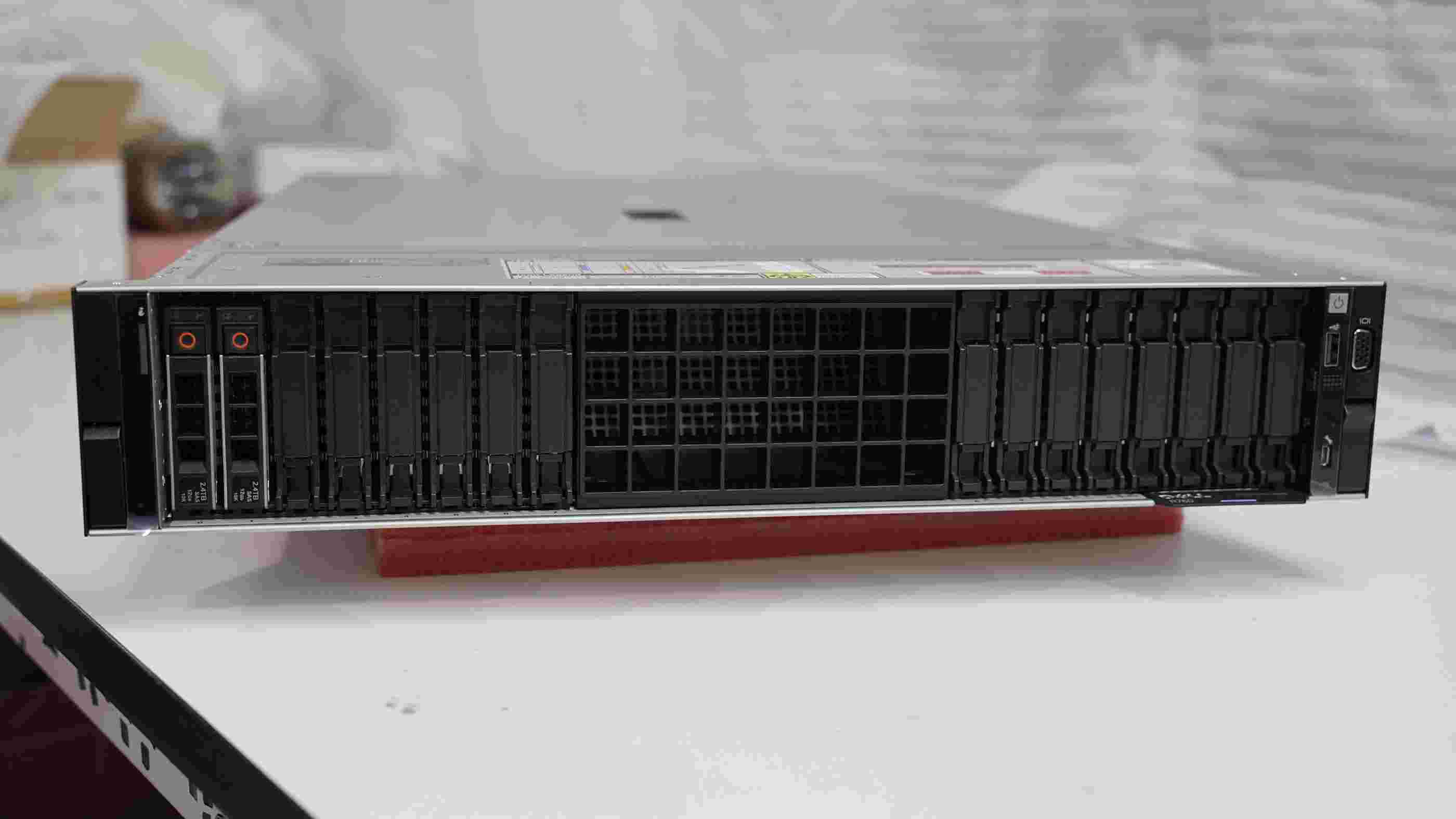
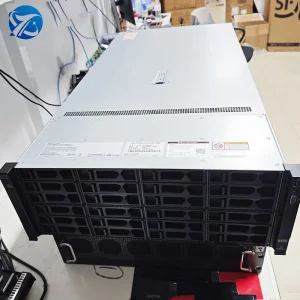
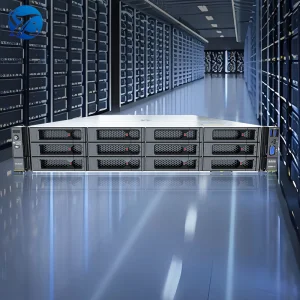
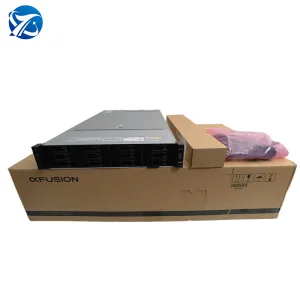
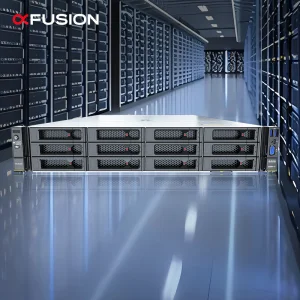
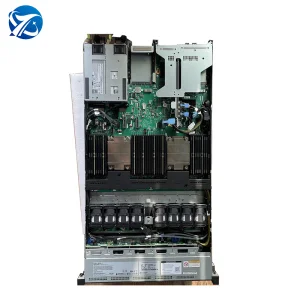
The V7 Rack Server platform is characterized by its modular motherboard design and high-speed bus architectures. Designed for dual-socket and multi-socket Intel® Xeon® Scalable processors or AMD EPYC™ processors, these systems unlock up to 128 PCIe 5.0 lanes, doubling the throughput of legacy V6 platforms. This massive bandwidth expansion is vital for data-heavy workloads like AI model fine-tuning (e.g., DeepSeek, LLMs) and real-time transaction processing. Let's look at the key architectural advantages:
Enterprise hardware procurement is no longer just about choosing the right specifications; it is about securing a resilient, auditable, and reliable supply chain. Vornaxis Compute Ltd. (Vornaxis) addresses this global challenge by leveraging China's advanced Industry 4.0 manufacturing infrastructure while maintaining strict alignment with European quality standards.
| Strategic Indicator | Vornaxis Operational Capability Specification |
|---|---|
| Quality Standards | ISO 9001 certified manufacturing, RoHS environmental compliance, CE compliance. |
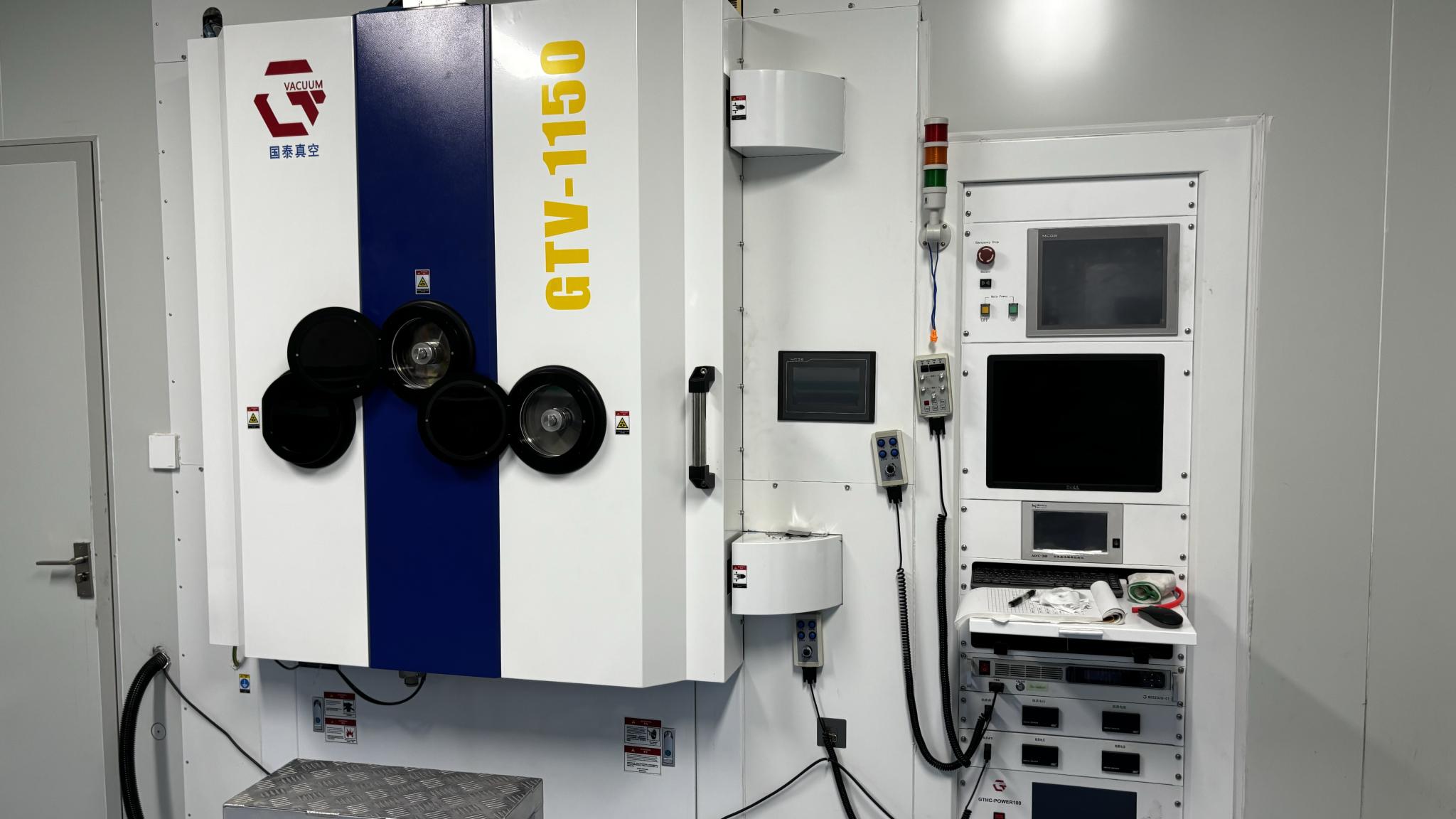
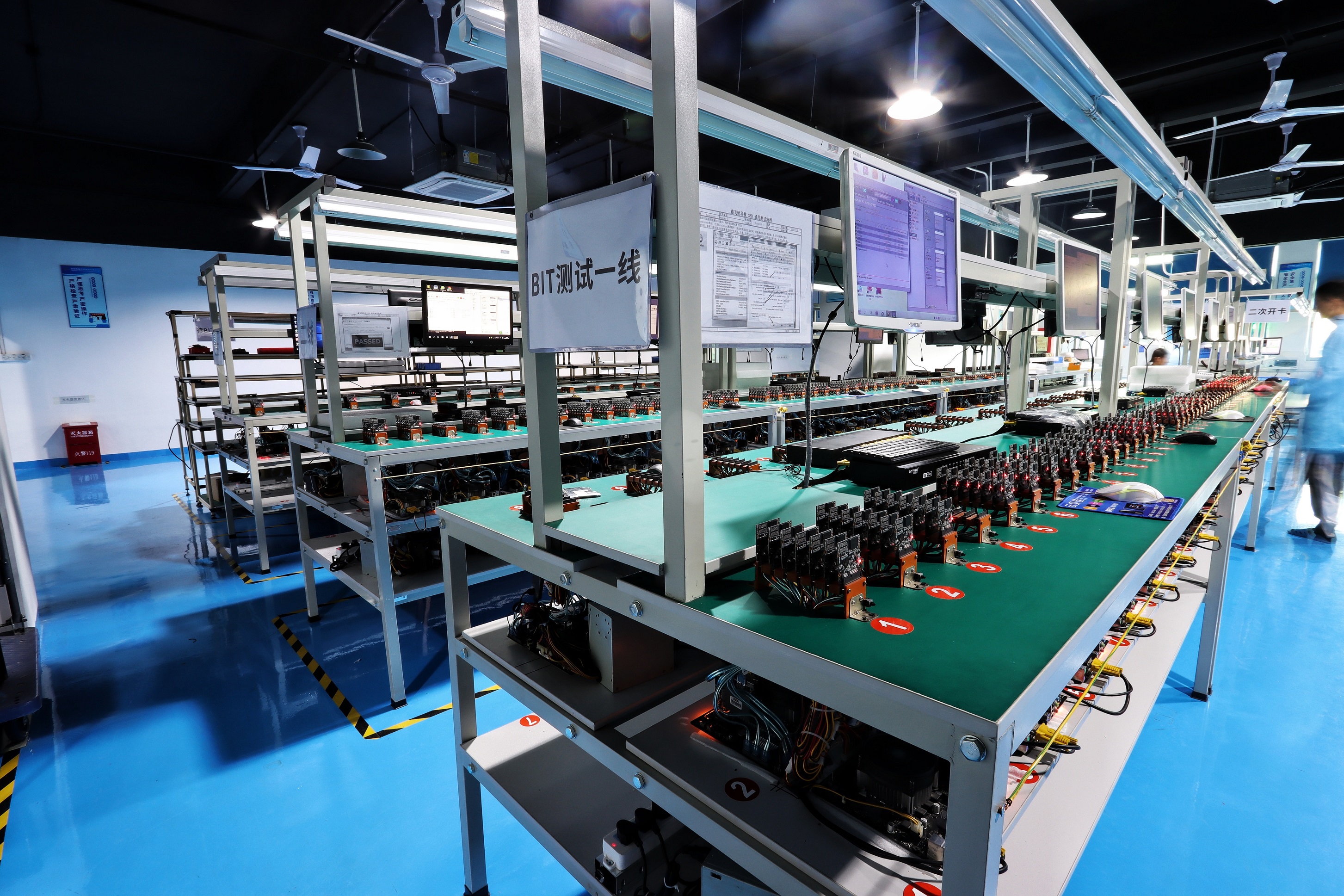
| Inspection Methodologies | AOI (Automated Optical Inspection), functional testing under loaded states, thermal cycling validation, and full system burn-in. |
| Quality Control Staff | 45 dedicated Quality Control professionals conducting structural audits on incoming and outgoing products. |
| R&D and Customization | 160 R&D Engineers specializing in hardware schematics, high-density server layout, BIOS/BMC firmware customization, and liquid cooling engineering. |
| Prototyping Facility | 320 m² state-of-the-art precision assembly and structural validation lab, supported by large-scale component production lines. |
| Product Innovation | 120 models and system iterations launched in the last calendar year alone. |
Vornaxis’s integrated supply chain works directly with over 850 upstream and downstream partners. This deep integration allows us to circumvent global semiconductor bottlenecks, securing microchips, raw PCB materials, VRMs, and high-performance power supply units (PSUs) ahead of time. For Geneva enterprise buyers, this translates to predictable lead times, highly competitive OEM/ODM pricing, and guaranteed continuity of spare parts for hardware lifecycles extending to 5 or 7 years.
Every single V7 Server leaving the factory undergoes a strict multi-phase testing procedure. The system validation includes thermal chamber tests that simulate extreme datacenter environments, ensuring that both power consumption profiles and structural components remain resilient under a 100% computational load. Dynamic automated optical inspections ensure that soldering, component placement, and routing conform to IPC-A-610 Class 3 (high-reliability electronic products) standards.
How local industries apply the unique compute profiles of the V7 Rack Server to resolve mission-critical business challenges.
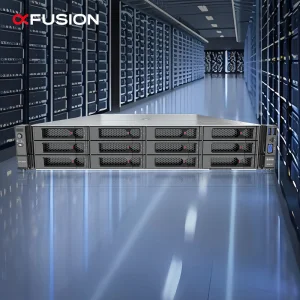
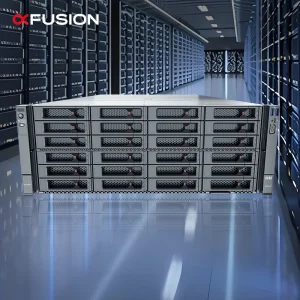
Scientific institutions in the Geneva basin run mathematical simulations and physical collision modelling requiring massive multi-threading capabilities. The V7 2U and 4U servers provide dense PCIe layouts, supporting multi-GPU acceleration platforms that easily hook into Lustre or GPFS parallel file systems.
Geneva's asset management firms rely on in-memory databases for real-time risk assessment and fraud detection. The transition to DDR5 in the V7 nodes offers the raw speed required, while hardware-level security modules (TPM 2.0, secure boot, firmware signing) guarantee data protection in compliance with the Swiss FADP.
International organizations based in Geneva must maintain completely sovereign private clouds. Vornaxis custom V7 servers feature dual-socket redundancy, hot-swappable power supplies, and hybrid disk arrays to guarantee 99.999% uptime for global service portals.
The global enterprise server market is currently defined by three main trends: energy-saving configurations, high-performance AI compute density, and custom OEM firmware options. Standard "off-the-shelf" hardware configurations often fail to meet the exact thermographic and networking needs of modern virtualized infrastructures. As a result, procurement departments are shifting away from rigid proprietary models toward highly modular x86 architectures.
The V7 Rack Server Series features hot-swappable design properties across all critical components. Fans, redundant power supplies (supporting 80 Plus Platinum/Titanium standards), and drive backplanes can be removed and replaced without system downtime. For global organizations operating decentralized edge locations, this modularity simplifies physical maintenance and dramatically reduces Mean Time to Repair (MTTR).
In an era of rising supply-chain cyber threats, hardware security has emerged as a cornerstone of Swiss enterprise procurement. The V7 Server Series features BMC (Baseboard Management Controller) firmware with independent root-of-trust authentication, preventing unauthorized IPMI access and remote firmware injection. This is coupled with hardware-based cryptographic keys managed through Trusted Platform Modules (TPM), satisfying the strict IT security baselines mandated by FINMA (Swiss Financial Market Supervisory Authority) for banking and trading systems.
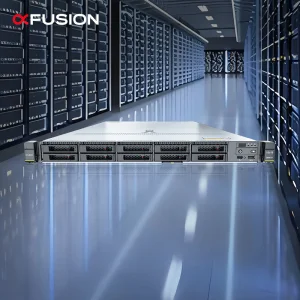
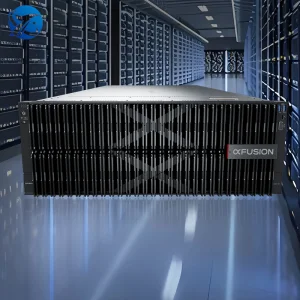
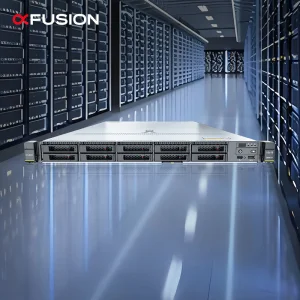
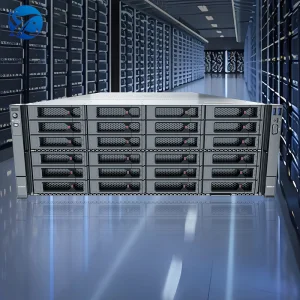
Browse our catalog of custom-engineered high-reliability hardware platforms, featuring GPU scaling, scale-out NAS storage, and high-density virtualization setups.
Technical answers to architectural, logistical, and compliance questions regarding V7 Rack Server implementations in Switzerland.
Get in touch with our system engineers today to discuss hardware validation, customization requirements, and receive a direct factory pricing estimate.
Send Inquiry NowOr visit us online at www.vornaxiscompute.com