Vornaxis
Vornaxis
Vornaxis
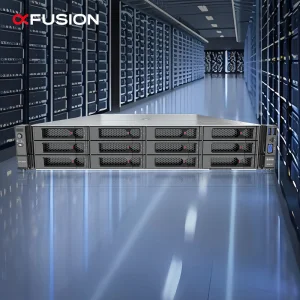
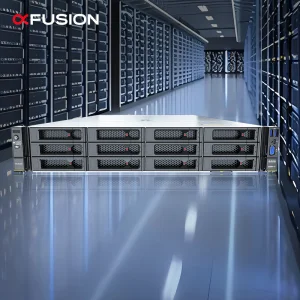
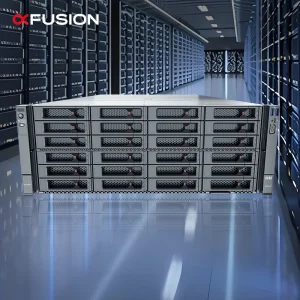
Vornaxis Compute Ltd. (Vornaxis) is an industry-leading designer, OEM/ODM developer, and exporter of high-performance computing (HPC) platforms and enterprise-grade V7 servers. Established in 2016, our R&D-led manufacturing ecosystem caters to demanding data centers, AI research institutes, and enterprise IT integrators across Europe, North America, and the Nordic markets.
Our V7 architecture represents the pinnacle of energy efficiency and high-density compute capacity, custom-engineered to meet the strict PUE requirements and environmental standards of Finland’s advanced cloud infrastructure hubs.
Deploy hyper-converged nodes and data-processing acceleration units designed for low-carbon Nordic operational environments.
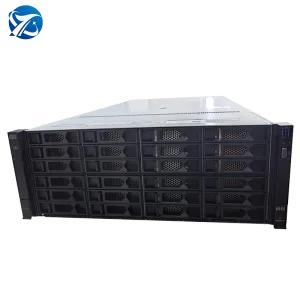
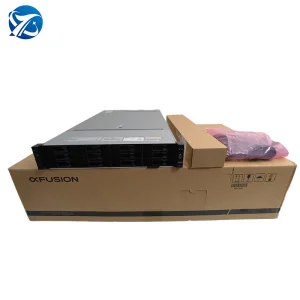
Finland has emerged as a premier hub for hyper-scale data centers, AI compute clusters, and scientific supercomputing in Europe. Anchored by projects such as the CSC Kajaani Datacenter (home to the LUMI supercomputer), the region leverages key structural advantages including a cold climate suitable for 100% natural free air cooling, a stable power grid backed by wind and nuclear energy, and progressive municipal heat-recycling policies.
Finnish municipal grids (such as Helen in Helsinki and Fortum in Espoo) actively incentivize data centers that route liquid cooling output directly into municipal heating systems. Our V7 architecture supports advanced liquid-to-water cooling manifolds designed for maximum heat recapture efficiency.
Operations within Finland require strict adherence to EU GDPR regulations and the latest NIS 2 security framework. Vornaxis V7 platforms utilize advanced hardware security modules (TPM 2.0, secure boot, and silicon root of trust) to protect data integrity and guard against supply chain vulnerabilities.
Finland’s extreme winter environments permit direct-air cooling design. Vornaxis V7 air routing optimizes fan curve profiles, reducing parasitic fan energy requirements to a minimum, helping local facilities target operational PUEs under 1.15.
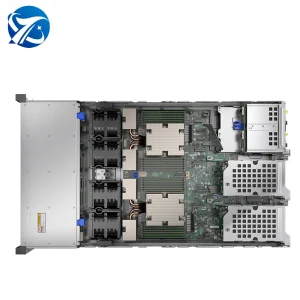
The Vornaxis V7 server range is built upon the latest generation of multi-core processing architectures, supporting Intel® Xeon® Scalable 4th & 5th Generation processors alongside AMD EPYC™ 9004/9005 series engines. This enables unparalleled performance density per rack unit, optimized memory latency via DDR5 system slots, and high-throughput PCIe Gen 5.0 capabilities.
Designed for scalable deployment, our V7 architectures enable system integrators to configure modular computing clusters, High-Capacity NAS systems, and intense AI training rigs (using DeepSeek, PyTorch, and TensorFlow execution loops).
Dual-socket boards supporting up to 128 cores per CPU socket (Thermal Design Power up to 350W+ per processor node).
Up to 10 expansion slots (x16 bandwidth), supporting next-generation DPUs, SmartNICs, and storage controllers.
Tri-mode controllers integrating SAS, SATA, and high-speed PCIe Gen5 NVMe solid-state storage options natively.
Dual/Quad redundant 80 Plus Titanium power supply units (PSU) with live active-standby phase switching.
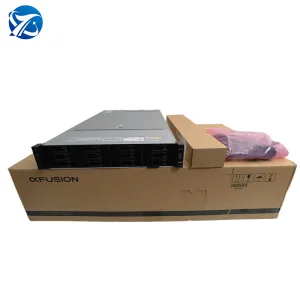
Enterprise-grade server platforms engineered for AI modeling, database acceleration, and deep hybrid infrastructure integration.
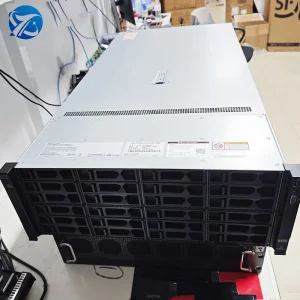
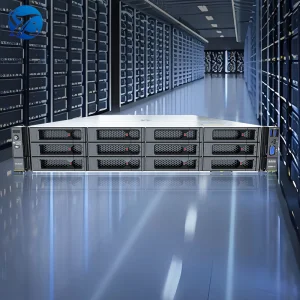
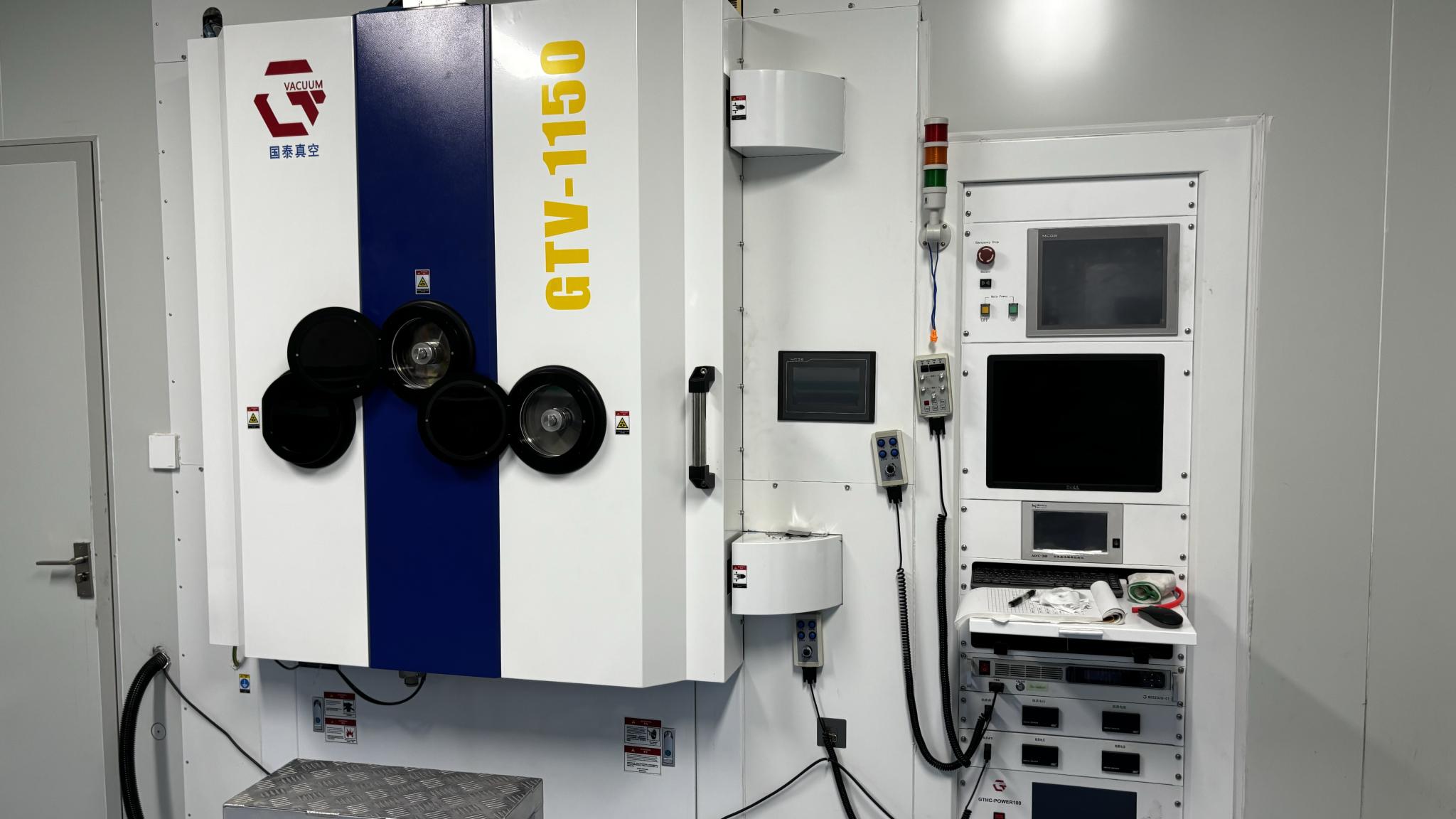
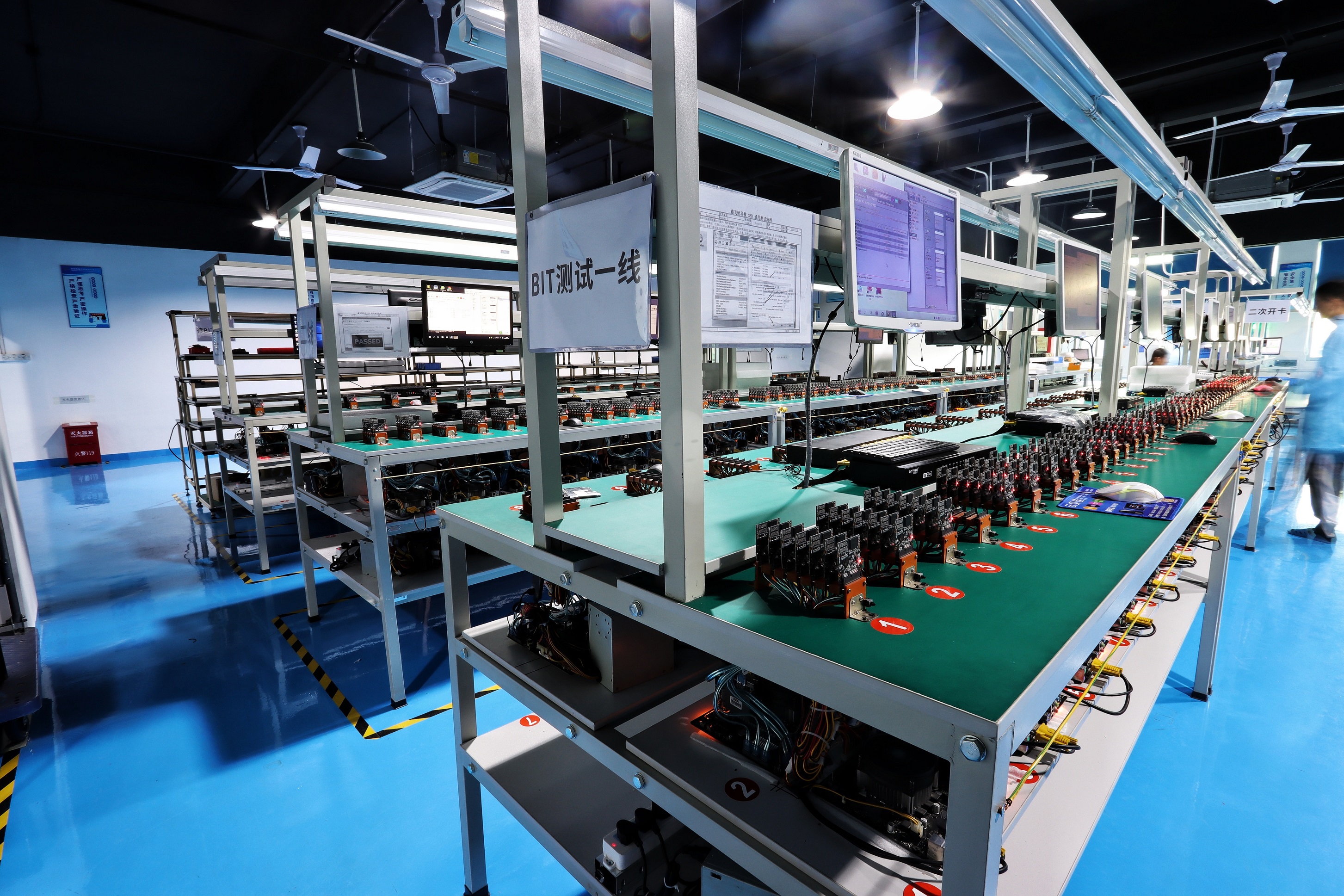
To ensure system stability under constant high-performance computing loads, Vornaxis subjects all server assemblies to multi-tiered quality inspections. Our facilities feature state-of-the-art testing equipment operated by a team of 45 QA specialists, assuring compliance with international manufacturing guidelines.
Automated high-resolution optical scanners verify solder integrity, chip alignment, and microscopic trace continuity on primary system motherboards before secondary assembly begins.
Components undergo controlled climate variations inside our environmental chambers, ensuring system resilience against temperature and humidity swings typical in mixed ventilation datacenters.
We run continuous heavy computing loads (100% CPU and memory stress validation) for up to 72 hours, identifying and replacing marginal components to guarantee field stability.
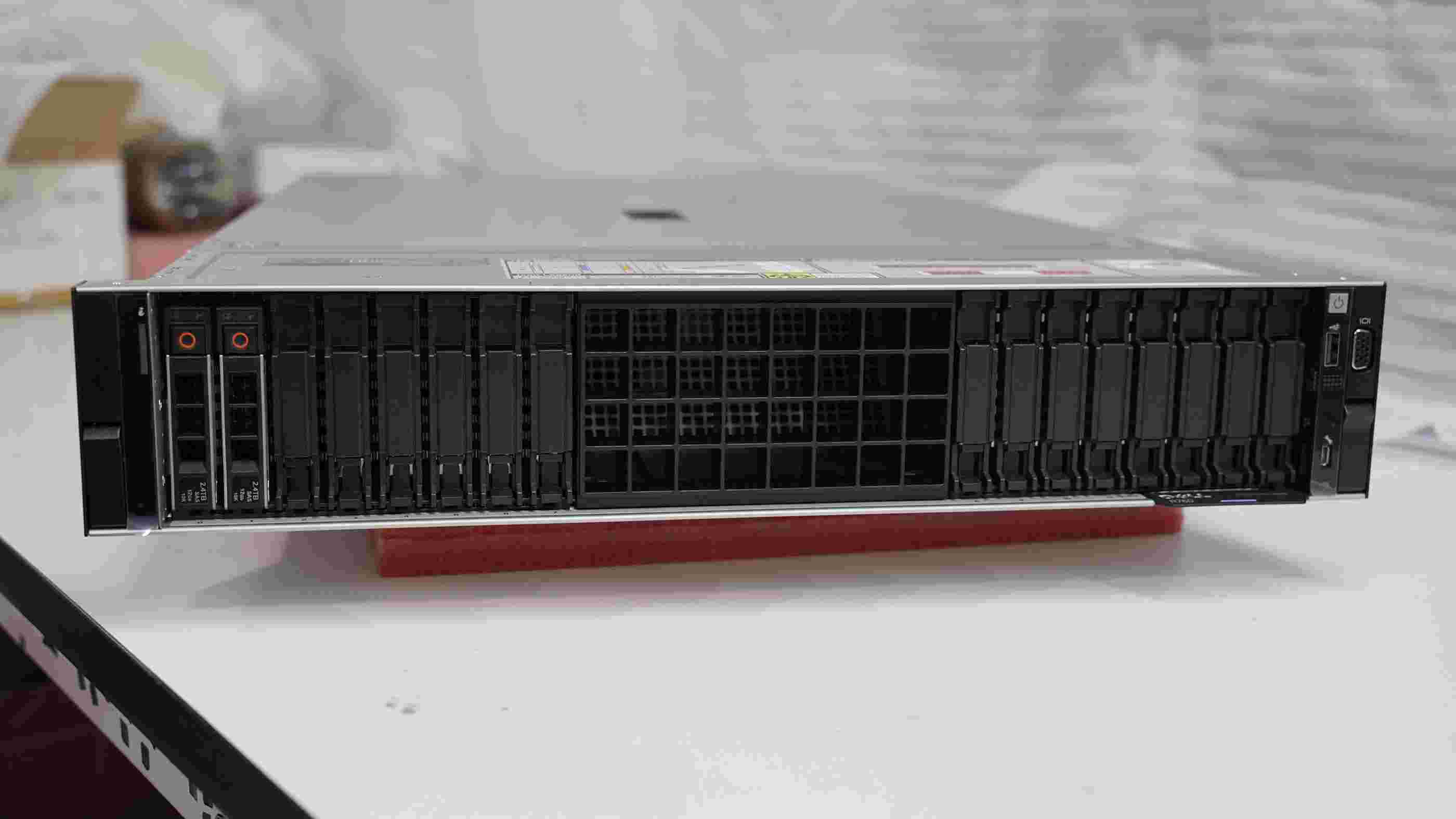

Choose from our diverse configurations supporting dedicated workloads, virtualized hypervisors, and data management pipelines.
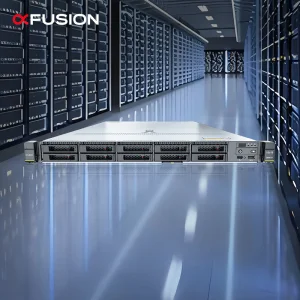
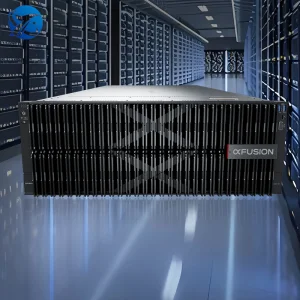
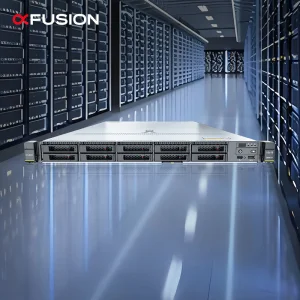
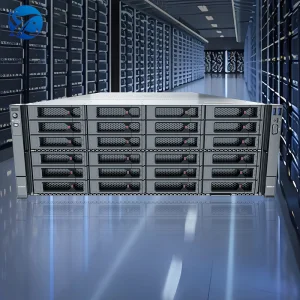
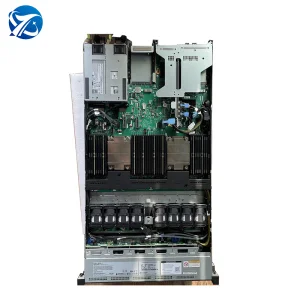
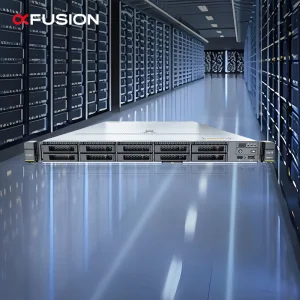
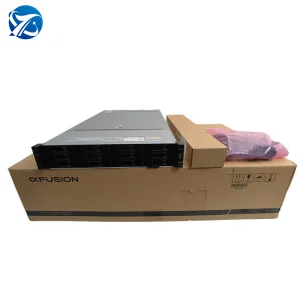
As computing requirements evolve, our engineering divisions maintain a forward-looking roadmap to keep our hardware configurations aligned with next-generation processing standards.
Integrating direct-on-die liquid blocks containing water-glycol loops with rear heat exchangers. This system routes hot liquid straight to heat recapture loops, bypassing local cooling towers entirely to maximize district heating energy recovery.
Deploying Compute Express Link (CXL) expansions on V7 revisions to allow dynamically shareable pool memory arrays across multiple local CPUs and GPUs, dropping resource overhead and overall latency in database scaling applications.
Redesigning backplane configurations to comply with Open Compute Project (OCP) architectural frameworks. This standardizes power distributions to 48V DC, significantly reducing conversion inefficiencies across hyper-scale server arrays.
Get in touch with our system engineers today to design, customize, and procure your high-density V7 computing arrays for your data centers in Helsinki, Espoo, or Oulu.
Send Inquiry Now