Vornaxis
Vornaxis
Vornaxis
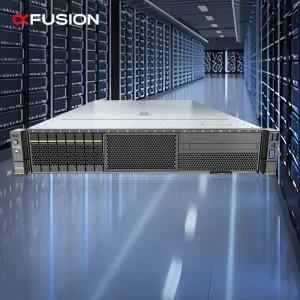
Optimized hyperconverged and dynamic database engines ready for integration into Auckland, Wellington, and Christchurch data center environments.
As New Zealand advances its digital economy through the expansion of hyperscale facilities in the Auckland and Wellington corridors, local enterprises are encountering substantial operational shifts. The national grid's focus on renewable geothermal and hydro energy necessitates servers that can function reliably under variable power profiles while maximizing performance-per-watt metrics. Furthermore, geographic isolation from major global manufacturing hubs means that local systems integrators require highly reliable hardware to control long-term Total Cost of Ownership (TCO) and mitigate remote service latency issues.
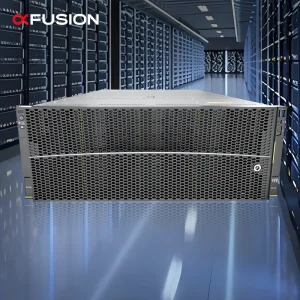
For organizations operating within state, local government, financial sectors, and utilities, compliance with the New Zealand Information Security Manual (NZ ISM) is a critical operational standard. Hardware must feature resilient root-of-trust foundations, cryptographically signed firmware, and physical tamper-resistance. Vornaxis Compute Ltd. supplies xFusion compute infrastructure engineered to meet these demands, offering architectural integrity, low-latency processing, and robust security safeguards for critical installations.
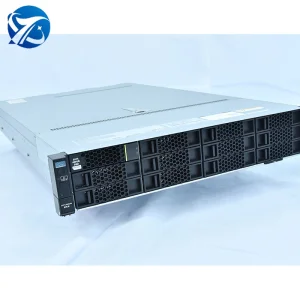
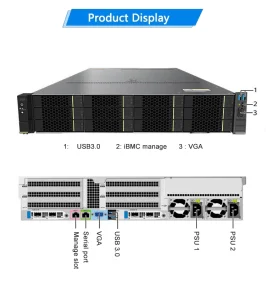
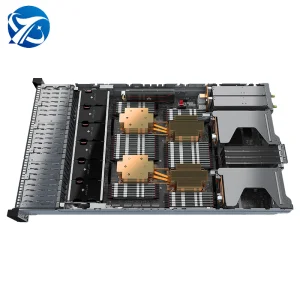
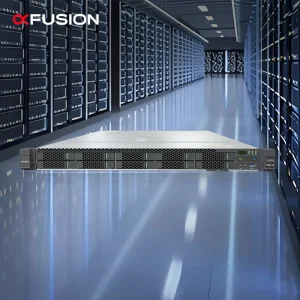
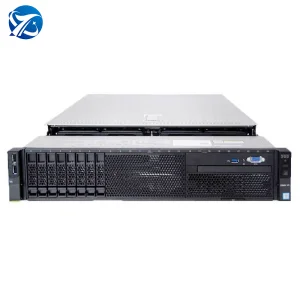
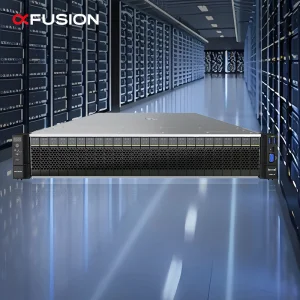
The xFusion V6 and V7 processor platforms are engineered around modern system architectures, designed for intensive computing applications:
Different industries in New Zealand require specific enterprise computing profiles:
Vornaxis Compute Ltd. is a specialized enterprise computing manufacturer focusing on high-density GPU nodes, server modules, and customized data center platforms.
Ensuring hardware reliability for overseas deployments through complete automated validation steps before dispatch.
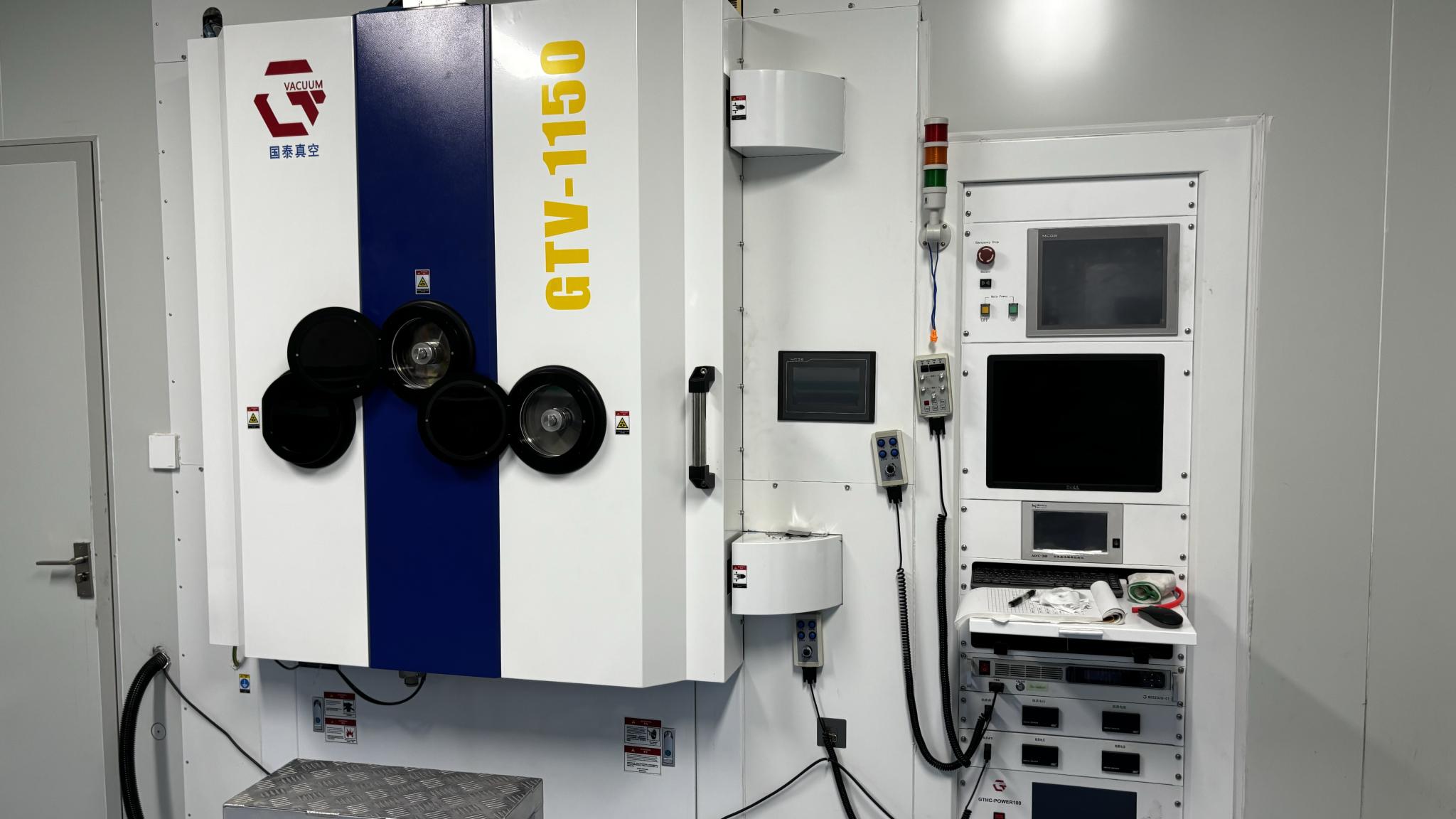
Every motherboard trace and high-density connector interface undergoes automated optical inspection to detect solder issues and structural faults prior to the assembly stage.
Servers undergo dynamic temperature and humidity cycling chambers (ranging from -5°C to 55°C) to verify performance integrity under fluctuating environmental conditions.
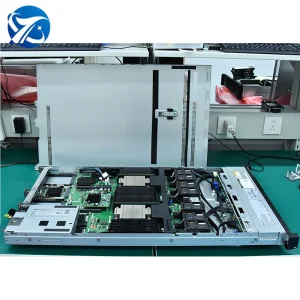
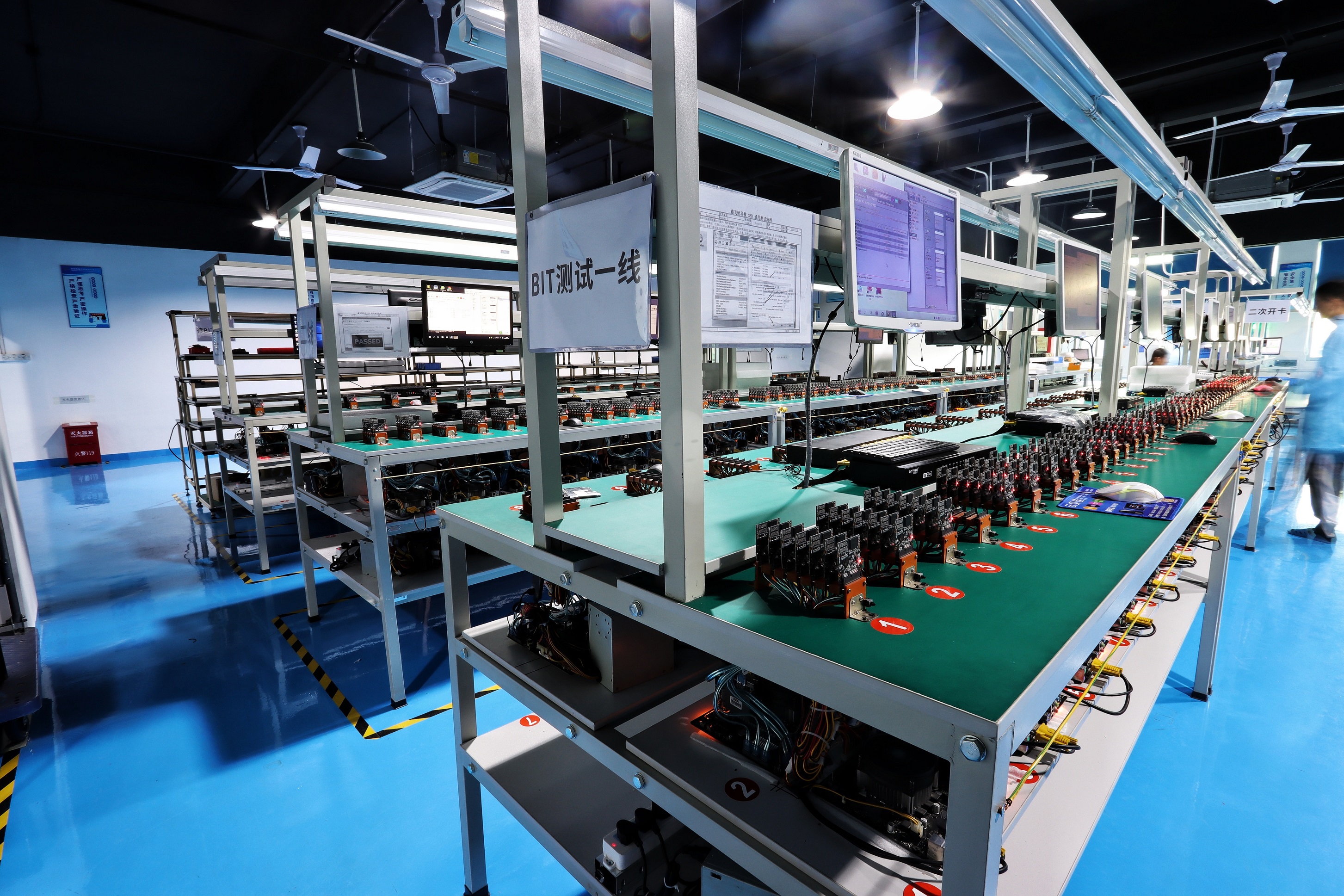
Before shipment, we conduct 24 to 72 hours of uninterrupted CPU, RAM, and storage system stress tests at 100% capacity to verify controller stability.
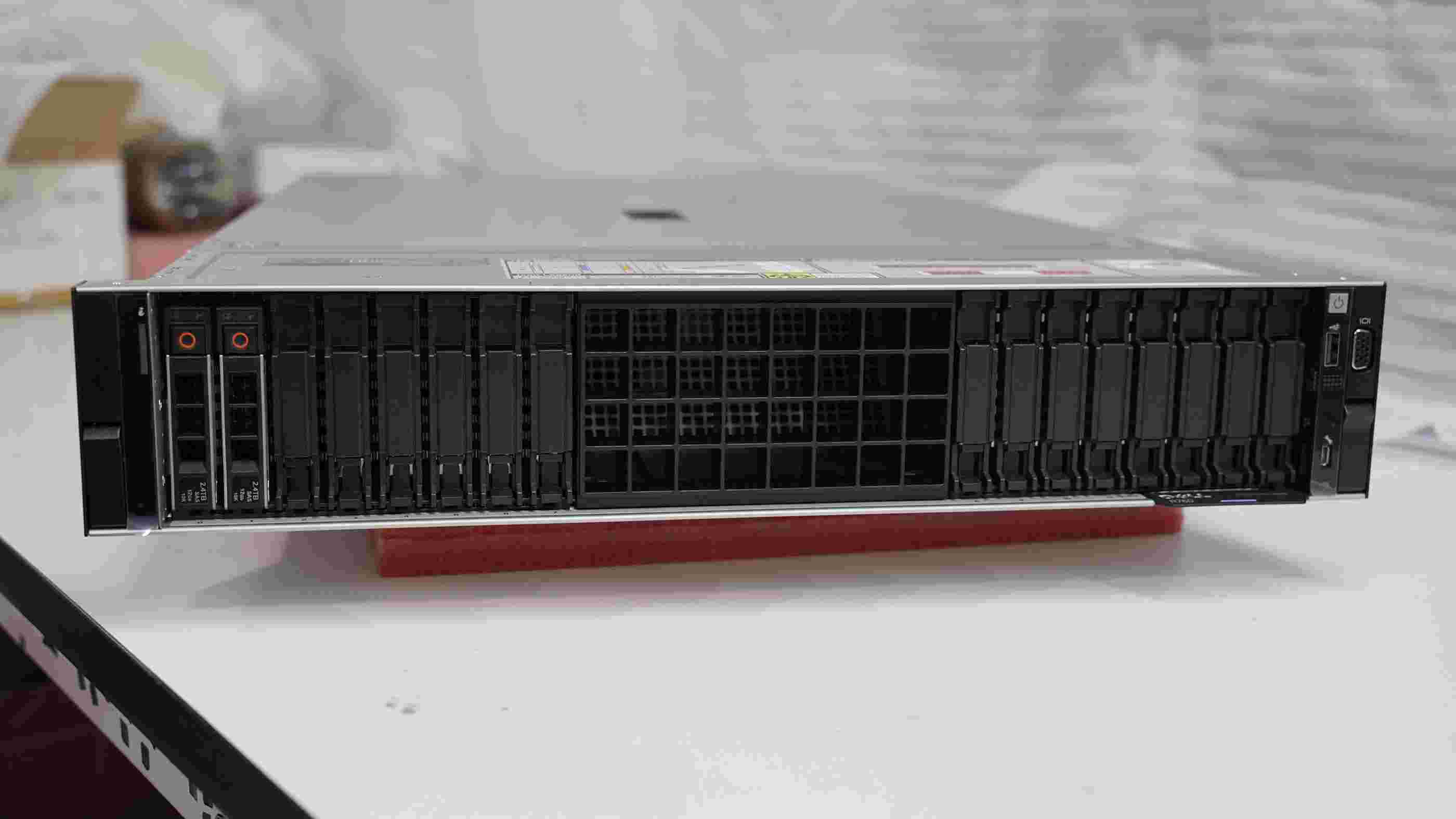
High density storage, hyperconverged cloud building blocks, and enterprise application servers.
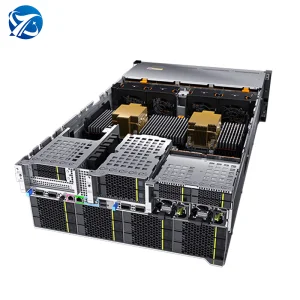
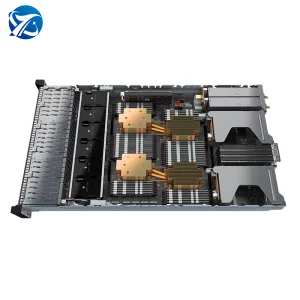
The density of modern silicon presents challenges for conventional air-cooled configurations. With server processors regularly reaching 350W TDP and accelerator modules exceeding 700W, traditional heat sink and fan designs are approaching their operational limits. Vornaxis Compute Ltd. supports this transition with advanced hybrid cooling options and next-generation architecture capabilities:
Our systems support custom liquid cooling integrations, including direct-to-chip water plates that channel heat away from compute engines. This allows data centers to lower fan power consumption, reduce facility PUE, and operate systems at higher ambient temperatures, simplifying heating, ventilation, and air conditioning (HVAC) infrastructure.
CXL 2.0/3.0 interfaces establish unified, high-speed memory spaces across processors, accelerators, and network devices. This architecture allows memory pools to be dynamically shared, helping to minimize latency bottlenecks and increase system efficiency for high-performance computing (HPC) and large-scale virtualization.
Our engineering pipelines currently support validation across diverse performance configurations:
Providing reliable logistics and hardware support for local enterprise integrations.
Exporting sensitive server systems to remote regions requires reliable supply chain logistics. Vornaxis Compute Ltd. collaborates with established carrier partners to coordinate shipping from our manufacturing facilities directly to major ports in New Zealand, including Auckland (Waitematā), Tauranga, and Lyttelton (Christchurch).
To simplify importation processes, our products carry regulatory compliance documentation, including CE, FCC, RoHS, and local electrical safety certifications where applicable. Hardware arrives ready for integration into local environments:

Answering common questions from local IT directors, compliance officers, and procurement managers.