 Vornaxis
Vornaxis
Vornaxis
High-throughput switches and advanced processing servers engineered for mission-critical core architectures in Accra and regional technology hubs.
Ghana is undergoing an unprecedented digital transformation. Driven by the government’s Digital Ghana Agenda and the growth of private fintech, agricultural, and mineral industries, local enterprises are scaling up their network infrastructures. To achieve this, the requirement for robust layer-2 (L2) and layer-3 (L3) network switches and reliable core processing hardware has skyrocketed.
Local businesses in urban centers such as Accra, Kumasi, and Takoradi face unique challenges, including heavy micro-dust exposure, high ambient humidity, and power fluctuations. Standard-grade networking equipment often fails prematurely under these conditions. Thus, procuring industrial-grade switches and high-reliability server frames is vital for minimizing operational downtime and ensuring business continuity.
At Vornaxis Compute Ltd., we bridge the gap between cutting-edge global optical network designs and West African environmental realities. Our systems are engineered to withstand power inconsistencies, featuring redundant hot-swappable power supply units (PSUs) and advanced dynamic thermal cooling profiles.
How current transformations in AI, storage networks, and optical switches are redefining enterprise architectures globally.
Traditional 3-tier networking architectures are giving way to flat spine-leaf design patterns. This provides predictable ultra-low latency and consistent east-west data flow performance essential for AI training and large storage pools.
With frameworks like DeepSeek emerging rapidly, data throughput needs have multiplied. High-performance switches utilizing non-blocking line-rate architectures are crucial to prevent GPU starvation during synchronization phases.
Power costs and availability are major concerns. Modern enterprise switches rely on smart energy-saving chipsets, adjusting power output dynamically based on port link status and cable length.
Addressing high-reliability, low-latency, and scale requirements across specific Ghanaian commercial sectors.
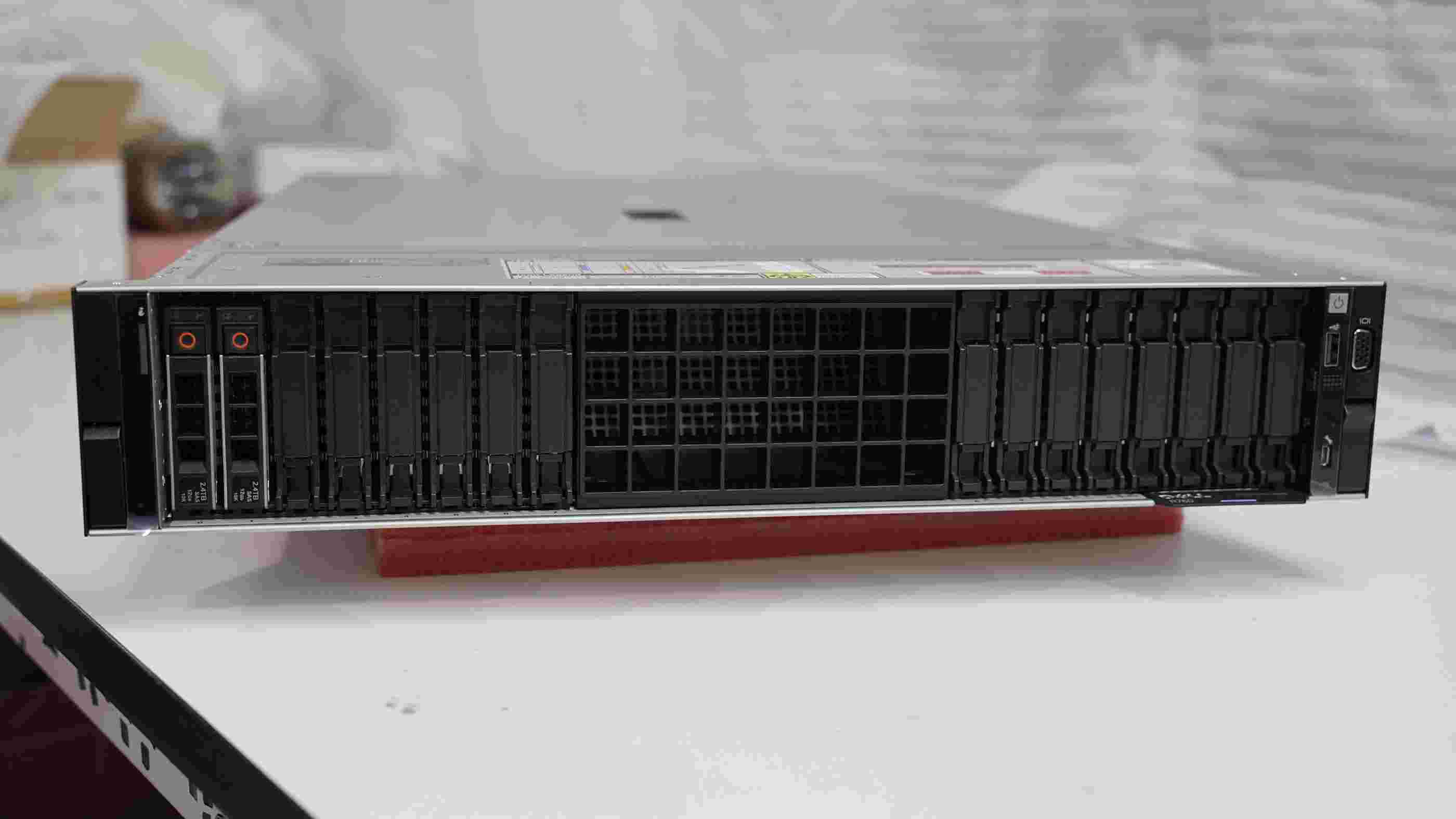
Ghana’s banking system and mobile money portals demand close to 100% uptime. Multi-layer network switches (L3) supporting high-availability protocols (like VRRP) and advanced QoS policies ensure voice, transactional database, and edge traffic remain segmented and protected.
Gold mining in regions like Obuasi and deep-water ports in Takoradi require localized edge data centers. These facilities depend on ruggedized, high-temperature tolerant switches to funnel massive sensor telemetry and security feeds back to central corporate offices in real time.
Universities such as UG (Legon) and KNUST require high-density fiber networks to connect remote learning platforms and centralized databases. 10G/40G core backbone optical switches ensure academic networks stay congestion-free.
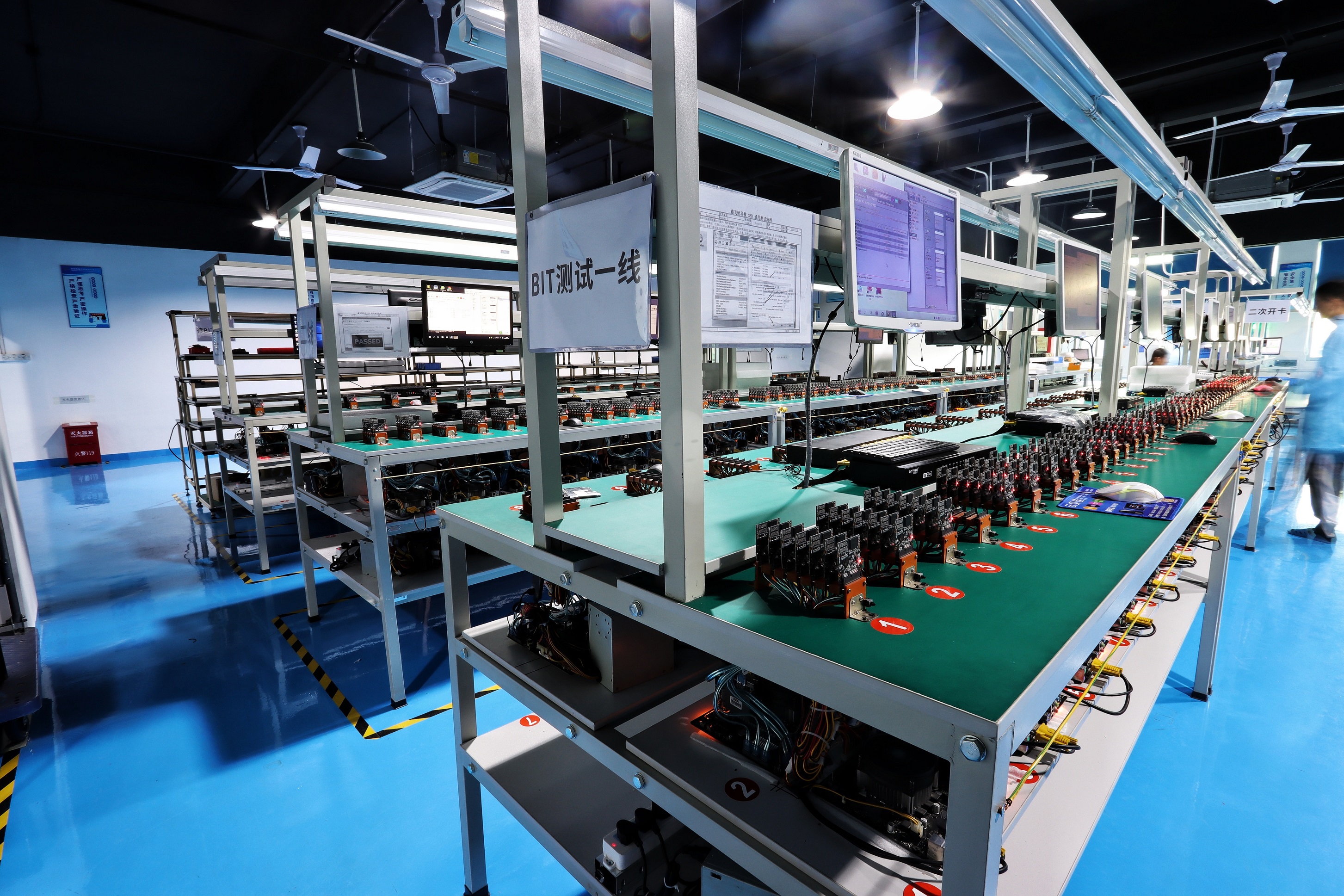
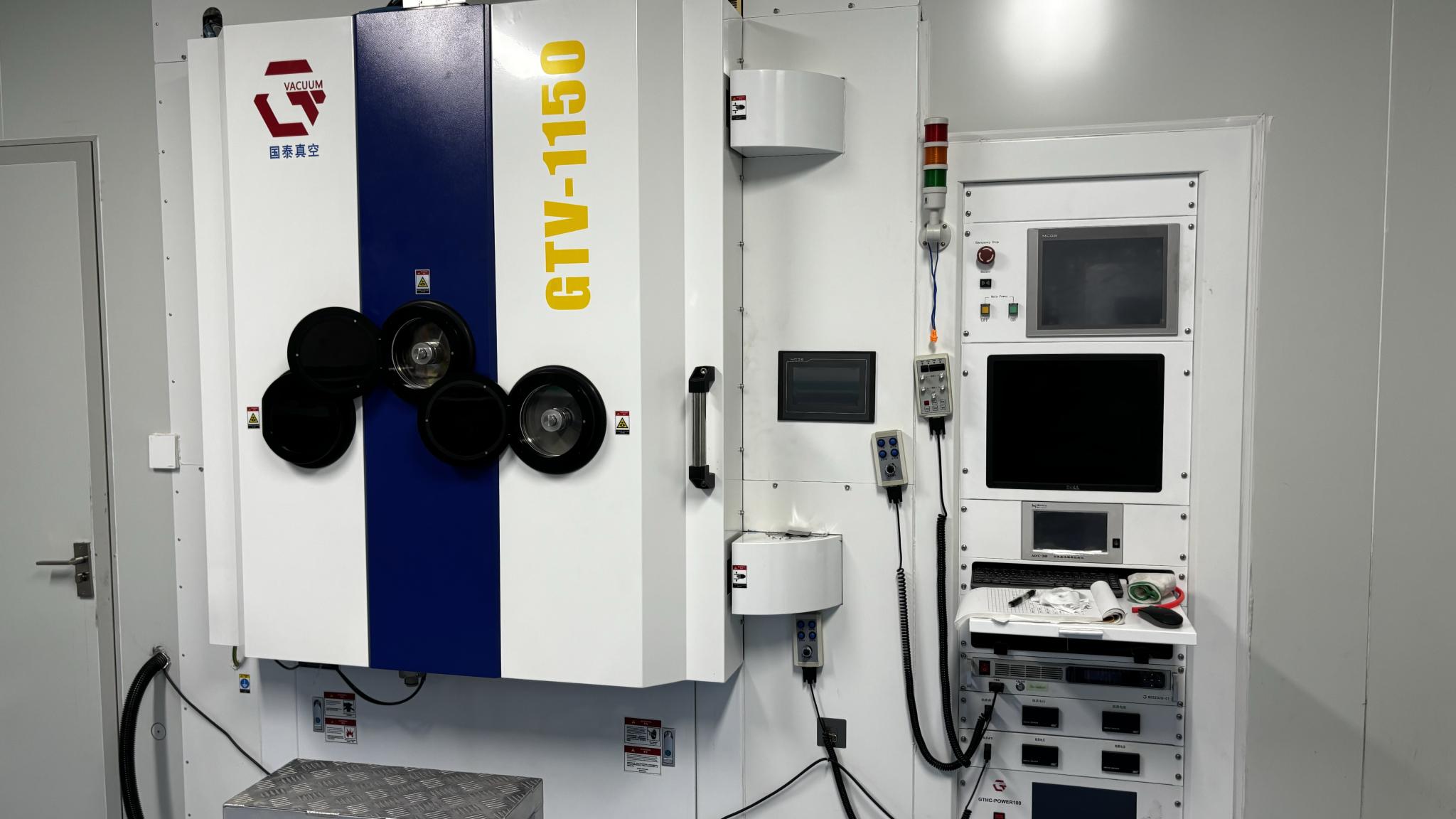
Vornaxis Compute Ltd. stands at the intersection of quality design and scale production. With a highly optimized manufacturing space and dedicated quality assurance specialists, we verify every single unit via strict burn-in procedures before dispatching to global markets, including West Africa.

A complete lineup of advanced server cards, network interface controllers, and GPU acceleration units ready for deployment in Ghana's digital networks.

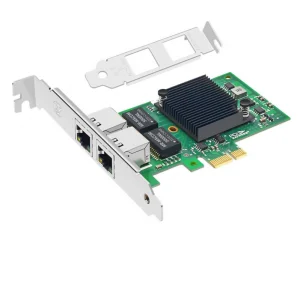
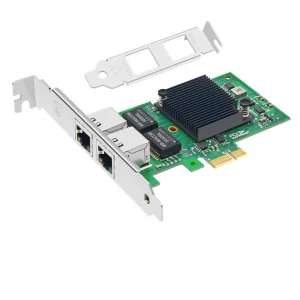
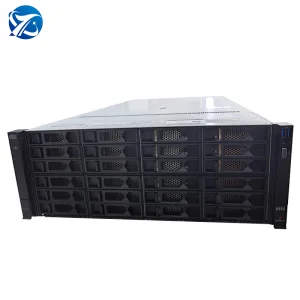

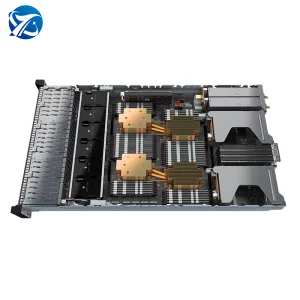

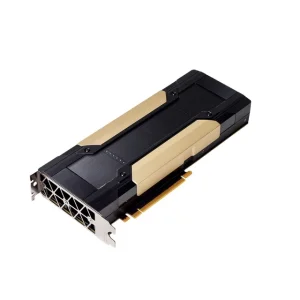
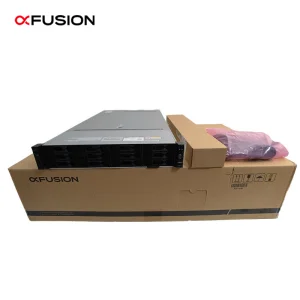
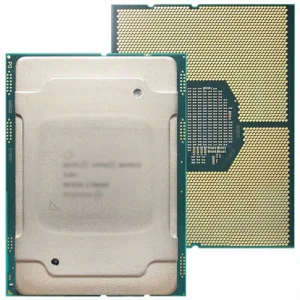
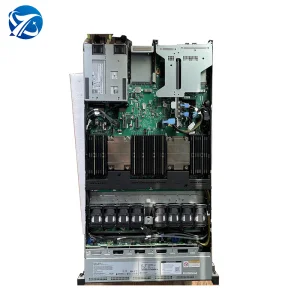
Architectural design patterns optimized for stability, high throughput, and effortless scale in tropical and developing power grids.
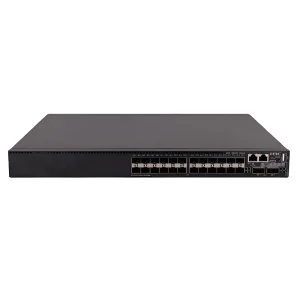
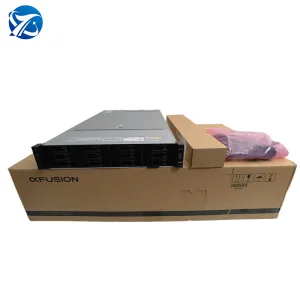
For organizations deploying high-density computational clusters, a resilient aggregation path is vital. Utilizing the **H3C S6520X-30QC-EI Core Switch** along with xFusion compute servers enables a non-blocking 10G/40G backbone capability. This ensures system bottlenecks are eliminated at the server rack level.
By splitting broadcast domains through Virtual Local Area Networks (VLANs) and employing Link Aggregation Groups (LAG) via LACP, systems gain redundant failover capacity. If a primary fiber runs hot or sustains physical damage, operations fail over dynamically in milliseconds.
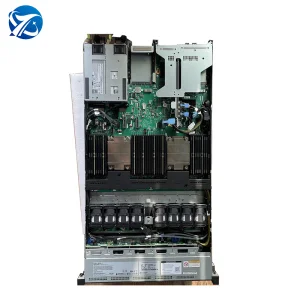
In regions experiencing ambient warmth and power fluctuations, using active heat distribution matrices is non-negotiable. Standardizing on multi-socket 2U rack servers equipped with smart power limit profiles prevents structural breakdowns. The combination of smart firmware limits and dedicated cooling circuits keeps hardware components well within safe operating margins.
As corporate infrastructures scale globally, networking standards are rapidly shifting. Modern developments shape how networks adapt over multi-year lifecycles:
While 10G and 40G are the standard baselines across Ghana's current backbone nodes, high-performance computing centers and internet exchanges are shifting toward 100G/400G optical lines. Deploying switches with upgradeable daughtercard modules ensures you can scale up ports without replacing entire switch chassis.
Traditional static SNMP monitoring is being replaced by streaming telemetry. Modern network switches compile diagnostic metrics dynamically, detecting structural degradation, potential broadcast storms, or localized loop anomalies before service impacts occur.
As storage arrays move away from legacy interfaces, NVMe-oF relies heavily on ultra-low latency Ethernet connections. The combination of high-density switching switches and NVMe-oF network nodes supports extreme speeds for demanding databases and core banking systems.
Answering vital design, engineering, and logistics questions for deploying enterprise hardware in Ghana.
Partner with a trusted manufacturer to procure high-reliability switches, compute hardware, and customized server configurations tailored for West Africa's growing enterprise sector.